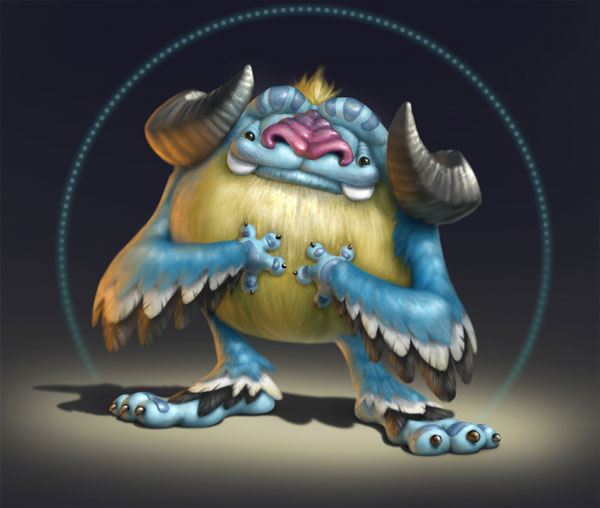
Through our series of interviews, we get the the chance to chat with artists from a wide range of disciplines and industries. This time, I had the pleasure of firing questions at illustrator Shane Smith. He graciously fired answers back, detailing his years working for greeting card companies, with licensed character, what it takes to lead design on your own characters, and more.
Take a stroll with us inside the studio of an in-house designer, and get to know Mr. Shane Smith and the characters he’s brought to life through his illustrations.
Thanks so much
for the interview. Let’s start at the beginning: What got you into
illustration?
Like a lot of artists, art is something I’ve done for as long as I can
remember. Apparently when I was a
toddler I would draw goldfish with a gold crayon, and sharks with a silver
one. I guess the encouragement I
received during those early steps propelled me on to a childhood full of
drawing the things I loved, especially anything animated—video games and
whatever toys were big at the time. Back
then, my friends said I should work for Disney, and I think that planted a seed
in my mind that art is something I was meant to do. I haven’t made it to Disney yet, but there’s still time!
I didn’t go straight into an art career after leaving school, joining the military instead, but during those years I continued to create in the little
free time I had. So when I saw the ad
for what would turn out to be my first illustration job, I felt like I was
capable of giving it a good shot as I’d basically been training my whole life
for it.
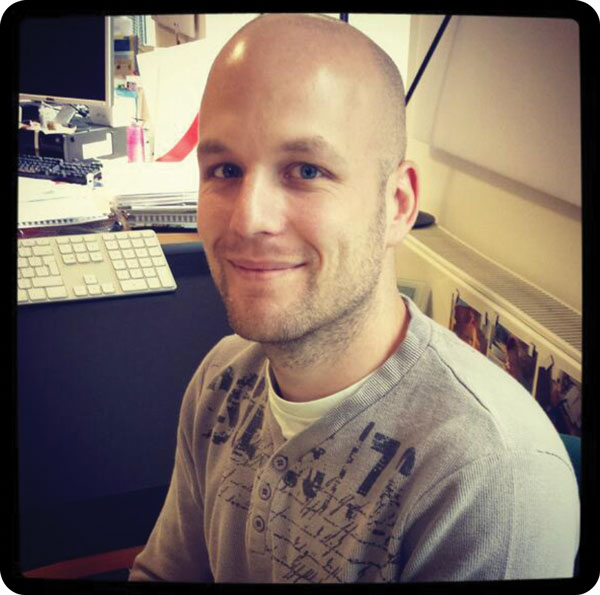
Who or what are your
main sources of inspiration?
As mentioned previously, animation has been, and continues to
be, a huge influence on my work. I would
watch Disney movies and TV shows and copy the characters until I had them
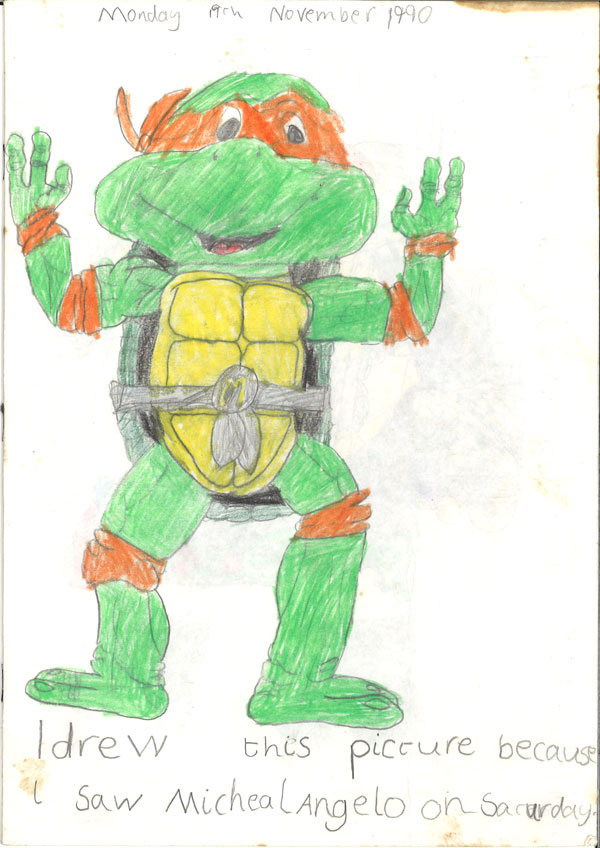
memorised. Teenage Mutant Hero Turtles
(yes, “Hero”. I’m from the UK!) were also an early obsession and I still have
sketchbooks full of Turtle drawings from when I was a little kid. The 90’s was a great time for character
brands, so I constantly had something new to copy, whether it was from a 16-bit
video game like Sonic or some random cartoon from a cereal box.
To this day I consider character design my speciality, and it’s
definitely a result of my early exposure to such a varied range of colourful, appealing little guys. As an adult I have a deeper appreciation of the work that goes into an
animated features, and have a growing collection of “Art of” books which are a
constant source of inspiration.
Now, as a parent of young children, I’m getting to see a whole new
generation of books and entertainment which are leading to too many project
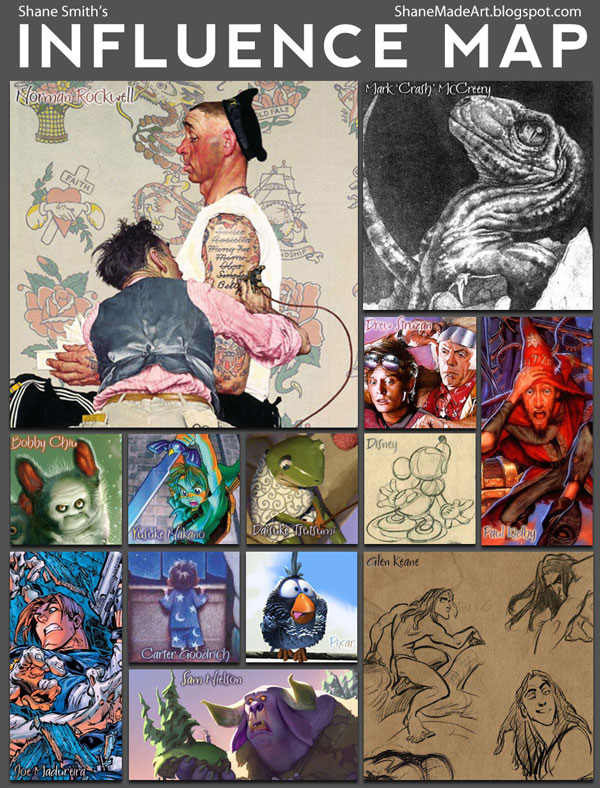
ideas to keep track of! I could list specific artists who have inspired me all day, but handily
I created an influence map a little while ago which shows those who were most key in my
growth as an illustrator.
Did you study art or
are you self taught (or both)?
Growing up, I had lots of encouragement but not that much practical
advice, so I pretty much figured it all out by myself. After secondary school (like High School in
the US) I did go on to an advanced Art and Design course, but it wasn’t really
for me so I dropped out. But when I
started earning money soon after, it enabled me to invest in books and a decent
internet connection—both of which were instrumental in my progression with
digital painting and illustration in general.
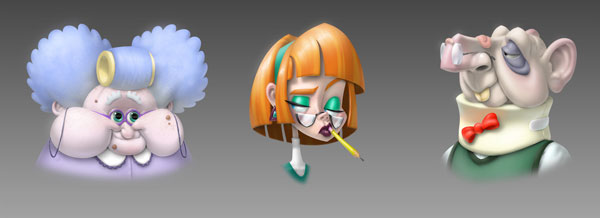
Since starting as a professional, I’ve worked with many talented artists,
all of which have taught me something new (whether they knew it or not). In
recent years, I’ve also taken several courses on Schoolism.com and the CG Master
Academy which have provided a major boost to the quality of my work on each
occasion.
What is your creative
process like?
My process varies a lot depending on whether it’s a personal project or
something for my day job as an in-house illustrator in the greetings industry. I’m not really much of a sketcher; I’d much rather jump straight into a
finished illustration after a few thumbnails.
But before I put pencil to paper, or stylus to tablet, I think the
project over thoroughly, making all of the key decisions in my head whilst
gathering reference and inspiration.
All of my paintings start with quite a refined line drawing, preferably
drawn on real paper if time permits, as I feel my drawings flow much better with
traditional materials. Then I take that drawing into Photoshop and build the painting in layers
starting with the flat local colors and adding different lighting elements and
effects one by one. This kind of
methodical approach isn’t for everyone, but I find it keeps my paintings
consistent and leaves me with a layered file which can easily be adjusted if
needed.
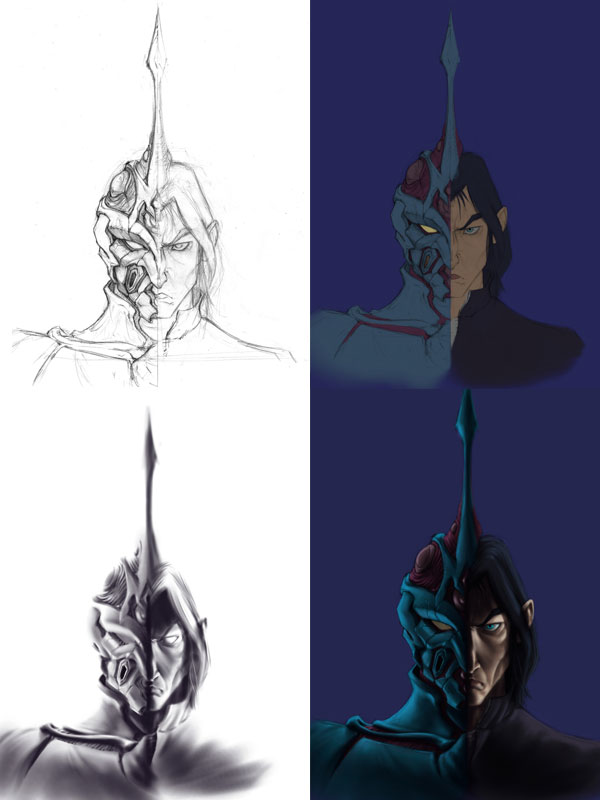
Most of my illustrations are based on this technique, and if I’m looking
for a different final outcome I’ll change up my brushes and experiment with the
lighting colours and line style.
When starting a project in my day job, I have a slightly different
approach to begin with where I will create lots of preliminary sketches. Turns out people like options, and pictures
are a much more effective way to show ideas when it comes to a production
schedule.
What programs and
tools do you use in creating your work? Anything you’re especially fond of that you’d like to recommend to
readers?
For preliminary sketches, I start out very loosely on an A4 layout pad
with a blue col-erase pencil, and then refine the sketch with a 0.5mm
mechanical pencil (just a cheap disposable thing from Staples). Once scanned, I bring it into Photoshop CC on the Mac where I’ll take it
to finish using a Wacom Cintiq 13HD.
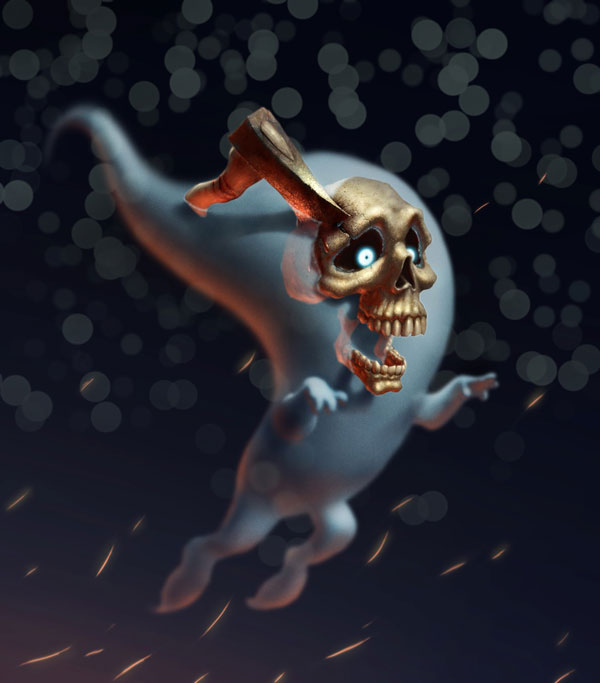
When I’m out and about I have an eleven year old Wacom Graphire 3, my
first tablet, which still does the job just fine. As well as drawing, I’m also a sucker for realistic rendering, so the
instructional books by James Gurney, Imaginative Realism and Color and
Light, are invaluable for this subject.
How many years have
you worked as a professional illustrator?
I’ve been a professional illustrator for seven years, almost to the
day. That time has been entirely
in-house which seems like an increasingly rare situation these days.
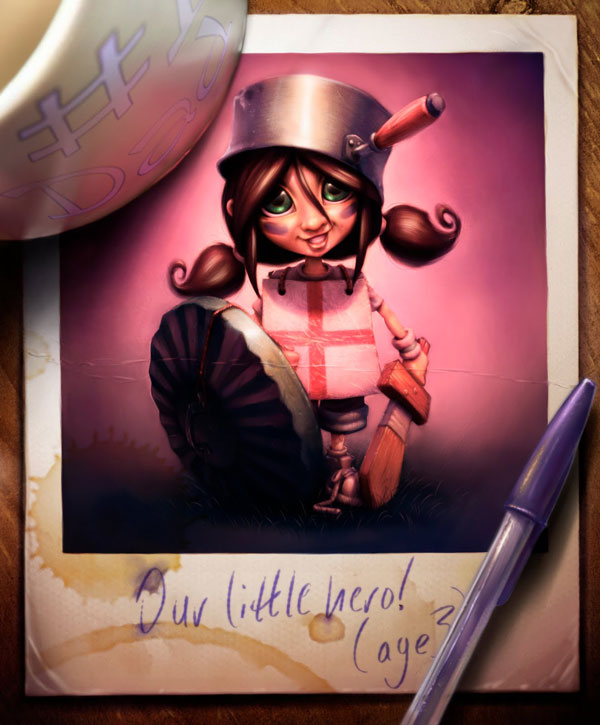
In my case there was no special secret to getting my foot in the door. I
just saw a job ad in the local paper and went for it. Six months later, after a pretty intense
application process, I got the job and haven’t looked back since!
What’s your typical
workday like? How about your work space? Can you give us an insight into how
and where you work?
The only thing that stays the same day to day is where I’m working
(sometimes from home, sometimes at the office). Each day holds something different project-wise, so I’ll usually eat breakfast at my desk at about eight thirty while figuring out where to
start. I’m a bit of a night owl, so this
helps me ease into the day whilst my body adjusts to being awake earlier than
it should be.
If there are no pressing deadlines I’ll doodle for a few minutes to warm
up and then crack on with the day’s tasks, stopping to attend the usual project
meetings as needed.
I usually put on some headphones and listen to something to block out
background noise. The stage of a project I am working on will determine
what’s playing:
- When creating
initial concepts, or writing, I can’t listen to anything with lyrics—they’re
too distracting, so I usually put on some classical movie, game soundtracks
or good old silence (the rarest of all audio distractions!). - Once the sketch
phase is complete I switch to autopilot painting mode, which is when I can put
on anything from podcasts, audiobooks, or even Netflix and I’m good to go.
I finish at about five thirty, head home (if I’m not already there) and
then spend a few hours with my family.
In the evening I’ll work on personal projects, often going to bed way
too late.
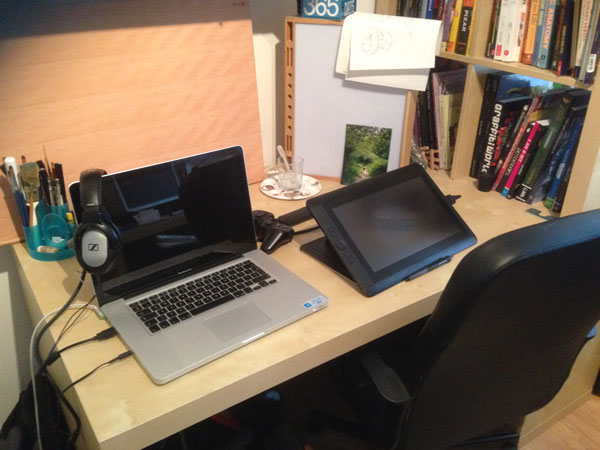
My workspace is pretty standard, just a simple desk for my laptop and Cintiq. I like to keep parity between my
workspace at home and in the office, so there’s nothing too fancy in
either. When I need to work
traditionally I just replace the gadgets with a drawing board or set up an
easel and I’m all set.
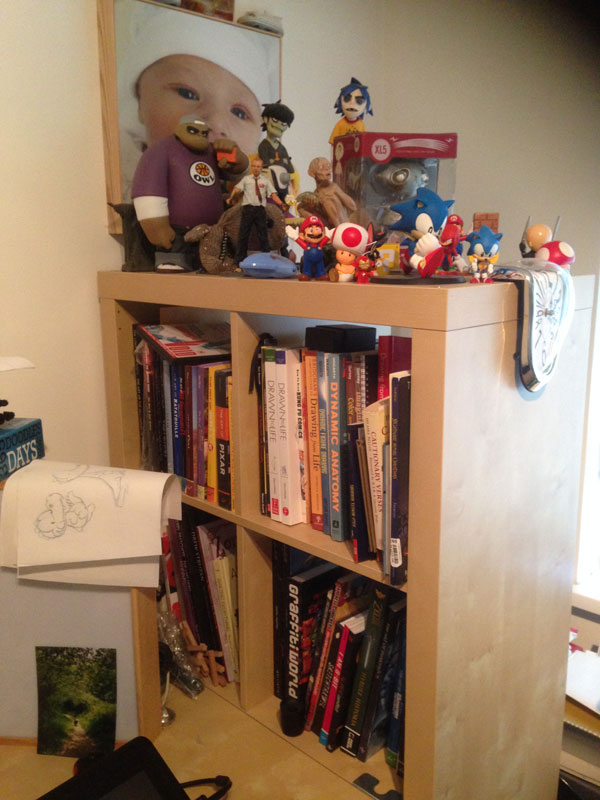
I do like to have inspirational things around me as much as possible,
although with curious kids in the house it’s a challenge keeping such enticing
items out of their reach.
Working for greeting
card companies, do you stick with the illustration side of things or are you
also tasked with graphic design within projects?
The company where I work has a dedicated design team, so I don’t really
get involved with that side of things unless it calls for some illustrated
elements such as a logo for a character brand I’ve created.
Before I got my current job I spent a lot of time creating materials for
self-promotion, including business cards, postcards, a portfolio book, mock
DVD cover and even my own website, so I do occasionally dabble in graphic
design when I need to, but it’s an entirely different beast to illustration and
I have great respect for those who can do it well.
Do you prefer to
work with licensed character brands or focus on creating new ones? What brands
have you worked with over the years?
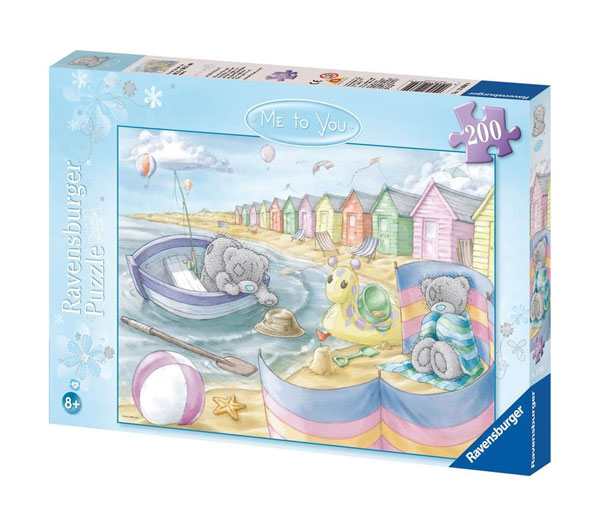
The first two years of my illustration career were spent working on an
existing character brand (Tatty Teddy, from the Me to You greetings card brand). I’ve since had experience with Mr. Men and a brief stint sketching Winnie
the Pooh plush designs, but I definitely prefer creating my own.
It may sound odd to someone that hasn’t done it, but when you design a
character you’re not just drawing a pretty picture. You’re imagining a living, breathing entity complete with a personality, life story, and a whole new
universe to inhabit, all of which inform its final appearance. It’s this level of creativity that I enjoy
the most, and you just don’t get that when working on existing characters, as in
most cases all of those decisions have already been made.
Saying that, if I’m a genuine fan of an existing character then I’d jump
at the chance to work on the property.
What brands have you created?
I was heavily involved in creating “My
Blue Nose Friends”, which is a plush based spin off range from “Me to You”,
contributing many of the initial character designs.
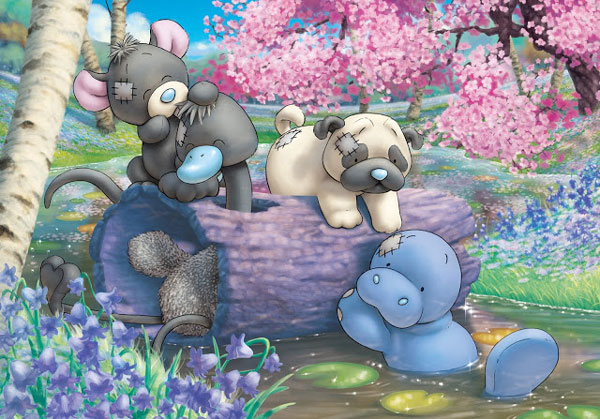
I’ve since left that company, but I think
there are nearly 140 characters in the range now, the majority of which I
created.
In my current role I’ve had two of my character-based card ranges make
it into stores:
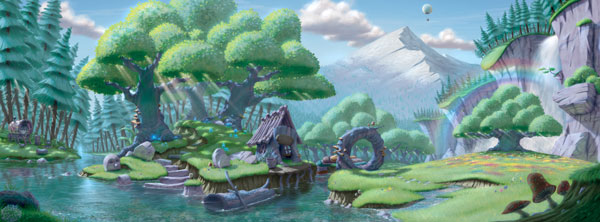
Whittle Mill: A cute sentimental range
centred around two wooden puppets.
There’s a sweet little story to accompany them which tells of how, long
ago, a couple carved a heart into a tree which sealed their love inside it
forever. Years later a branch falls from
the tree and is carved into two puppets who, imbued with the love once sealed
in the wood, come to life to be reunited.
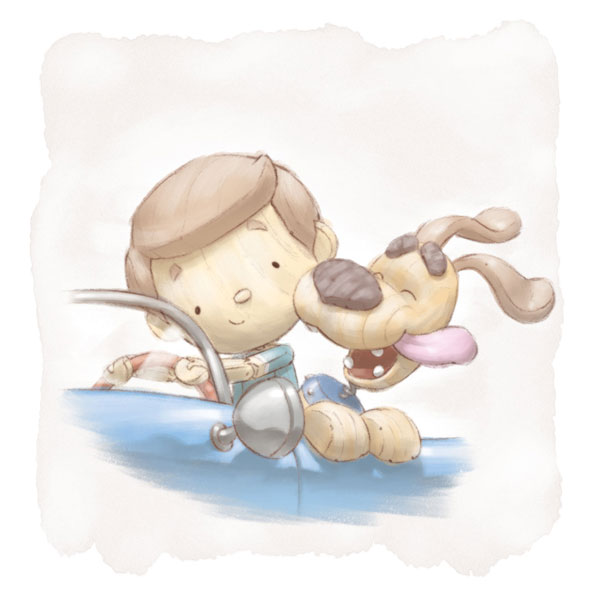
I see this range as a love letter to my Wife, who inspired the relationship
based illustrations as well as the verse inside—which itself was a whole new, and very
rewarding, experience to write.
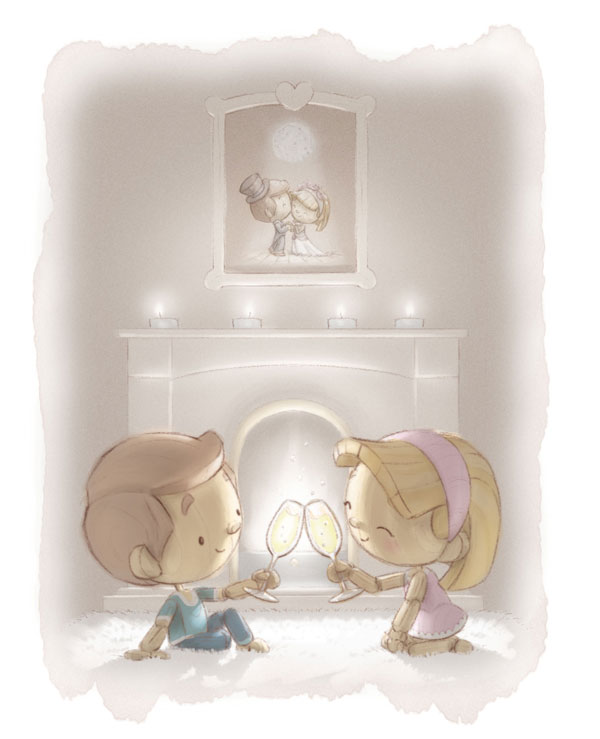
It recently featured on the cover of “Greetings Today”, the number one magazine
of the UK greetings industry, which was really satisfying to see.
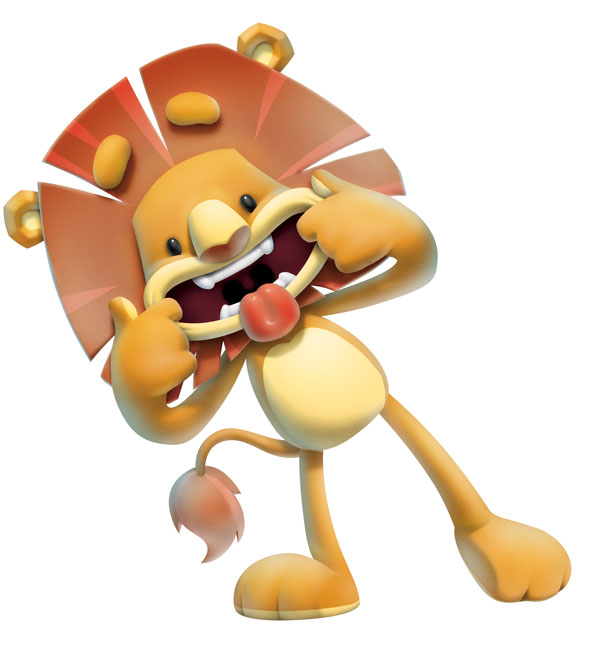
Noah’s Park : A range targeting young
children. Noah’s Park is based around a
group of animal characters, mainly of African origin, who live on an island zoo
in the centre of an amusement park.
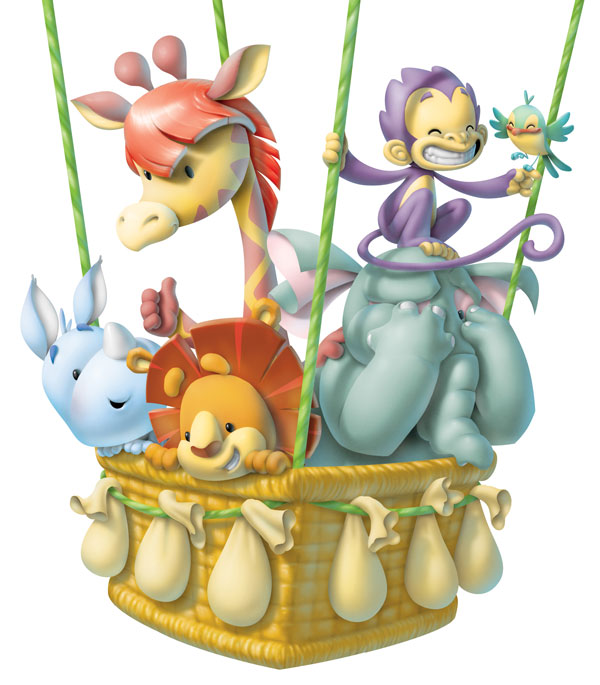
The
art style is heavily inspired by CG animated kids TV, but is actually created
entirely in 2D in Photoshop.
I’m always working on new characters, so hopefully there’ll be some new
additions to this list in the near future. Whittle Mill cards are available in all Clintons stores, and Noah’s Park
in Toys ‘R’ Us. Both are UK only at the
moment, but you never know where they might end up next!
Do you take on side work, personal projects, or freelance jobs?
Because my day job takes a lot of my time and creative energy, a
freelance project has to be something really special for me to take it on and
devote my free time to. I’d much rather
spend time on personal projects where I have total control and only my own
deadlines to meet.
Following my recent experience writing for greetings cards, I’ve just
started work on my first children’s book which I hope to complete early next
year. Hopefully I’ll be able to get it
published, but my first priority is to create something I’m 100% happy with
that my children can read in the years to come, and if I can achieve that it’ll
be enough for me.
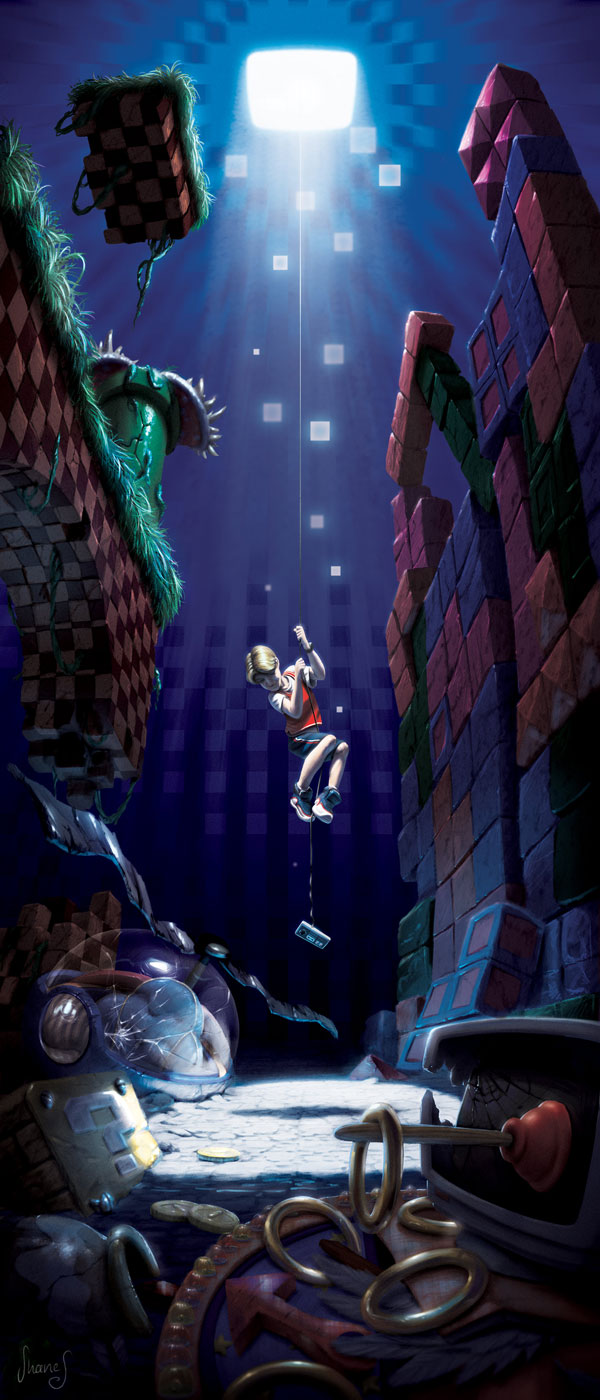
Recently I’ve also done a few talks at local schools with the hope of
guiding and inspiring children to pursue an artistic career. I also have a painting included in the upcoming video game art book,
“Every Day is Play”, which I can’t wait to get my hands on!
What words of
advice do you have for emerging illustrators or artists who wish to engage in
design as you have?
- Keep trying. I’ve
had three careers since leaving full time education, two of which had nothing
to do with art. But I kept working in my
spare time and it eventually led me in the direction I wanted to go. - Your time is valuable and irreplaceable; if you’re going to give it to somebody else, make sure you’re well compensated
for it. - Try to learn
something new with each illustration. - You do your best work when you’re
enjoying a project, so seek out the good ones or create your own and they’ll
lead to more of the same. - As soon as somebody says “Your talents
are wasted here”, listen. They’re
probably right and it’s time to push yourself further and move on to the next
big thing. - Use your common sense. Sometimes it takes a dramatic step to get to
the place you want, but it doesn’t always have to. If you have a family to support and bills to
pay then those responsibilities have to come before your creative ambitions. If you can quit your boring day job to start
drawing comics without risking the livelihood of anyone else then go for it,
but most people don’t have that luxury and have to slowly build up to doing
what they love, which is a perfectly viable way of achieving your goals. - Sleep! People may tell you that you’re
not going to get anywhere unless you’re working all hours of the night and day,
but unless a last minute deadline needs to be met – get some sleep! If you don’t get enough your concentration
will suffer, so will your work, and eventually your health. - Don’t be afraid to ask professional
illustrators a question. We were all at
that stage once and most of us are more than happy to provide advice if needed. - Be nice and work hard! Nobody wants to work with a lazy asshole, no
matter how good they are.
Conclusion
Thanks so much, Shane, for taking the time to chat about your work, life, and inspirations. Getting a view on the workflow of in-house illustrators is such a treat, as they’re stories that are often untold.
Shane’s work is quite inspiring and you can check out more of it by following him around the web below:
- Twitter – @ShaneMadeArt
- Facebook – Facebook.com/ShaneMadeArt
- Blog – ShaneMadeArt.blogspot.com
- Portfolio site – ShaneMadeArt.com
Additionally, you can check out the company Shane works for, Gemma International, and get all the details on pre-ordering the book his work (as well as many talented artists) will be featured in soon, “Every Day is Play“.

{excerpt}
Read More