CTRL+T podcast: That time we talked about Apple, Kanye West and slavery

Welcome back to CTRL+T, the TechCrunch podcast where Megan Rose Dickey and I talk about the stories we want to talk about and figure out what they mean in relation to life.

This week is Apple’s big developer conference, creatively called Worldwide Developers Conference (or WWDC), and TechCrunch was there. Each year the company showcases the things developers will be able to do in upcoming versions of Apple’s various operating systems (iOS, macOS, tvOS and watchOS). While there were a bunch of features that didn’t really elicit much excitement from either of us, there was one in particular that we are quite looking forward to: Memoji. We talk about it all and what messaging in general means out there in that big bad world of ours.

Also this week, Kanye West made his latest album, ye, available on platforms other than Tidal, which is a departure from what he did for the release of his 2016 release, Pablo. We talked about that for a second. Because these days you can’t have a conversation about the rapper without getting into his recent comments about American slavery having been a choice. So we did that.

Click play on the little player below or, better yet, subscribe on Apple PodcastsStitcherOvercastCastBox or whatever other podcast platform you can find.

Android P Beta 2 brings updated system images and 157 new emojis

A month after releasing the first beta version of Android P at I/O (and right in the middle of Apple’s own developers conference), Google has just released Beta 2 of its upcoming mobile operating system. The update is available to users enrolled in Google’s developer program, who have access to a Pixel device. Those who’ve already downloaded Beta 1 will get the new version automatically.

The latest build features new system images and tools designed to help developers create apps for the upcoming version of the mobile operating system. Adaptive Battery is on-board here, leveraging DeepMind to decide which apps should get the most system resources. App Actions helps developers make their apps more prominent in places like Search, the Google Assistant and the Google Launcher, while Slices provides a way to offer elements of an app without having to open it up. 

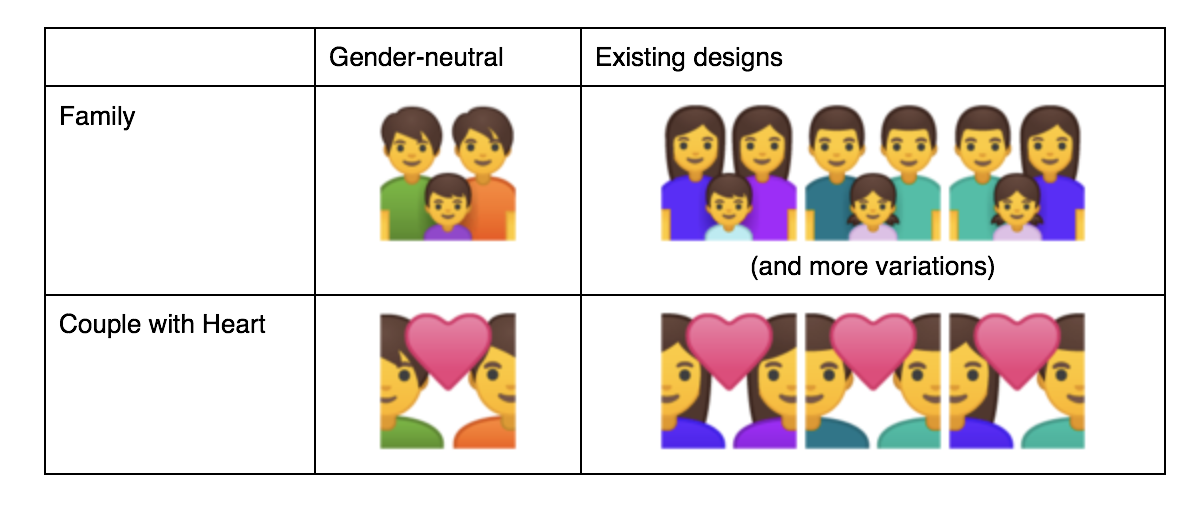
Also of note is the addition of 157 new emojis. The list includes two gender neutral emojis, offering additional options for the Family and Couple With Heart emojis, joining last year’s addition of a gender-neutral Adult emoji.

There’s a Red Hair and Superhero emoji, both of which are available in two genders and five skin tones, a bagel with cream cheese, a llama and a lobster. Sounds like a fun crew.

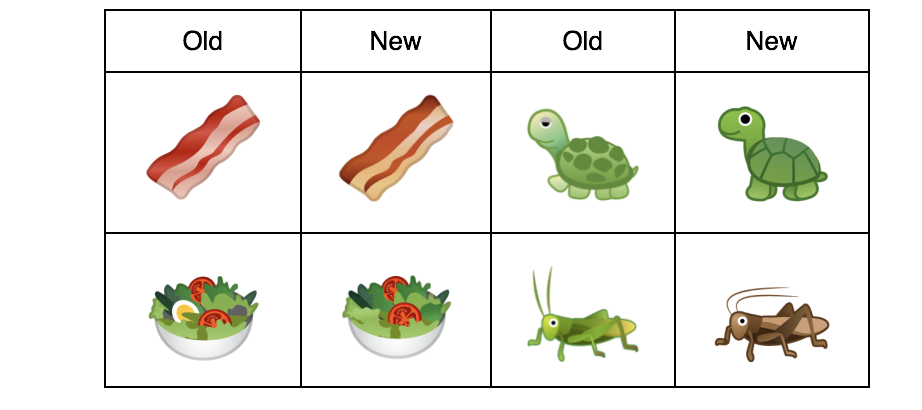
A handful of existing emojis have also gotten a facelift here, including Bacon, Turtle, Cricket and Salad, which drops the egg to go full-on vegan. Google notes that the new emojis may be further updated prior to Android P’s final release.

More information on the updates for devs can be found here. 

Facebook finally monetizes Marketplace with ads from users and brands

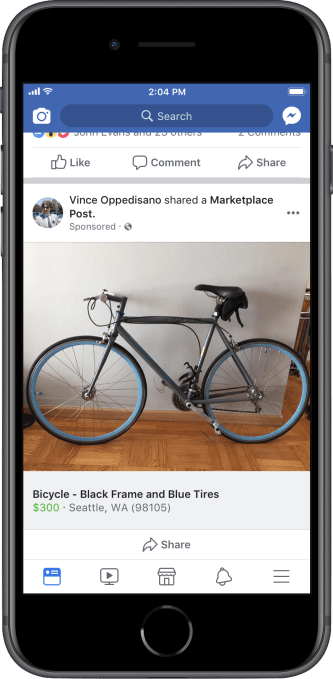
Twenty months after launching its Craigslist competitor, Marketplace, and relentlessly promoting it with placement in the main navigation bar, Facebook will start earning money off its classifieds section. Facebook today begins testing Marketplace ads in the U.S. that let average users pay to “Boost” their listing to more people through the News Feed. While they’re easy for novices, requiring buyers to only set a budget and how long the ads will run, there are no additional targeting options beyond being shown to age 18+ users in nearby ZIP codes.

Meanwhile, yesterday Facebook announced that it’s launching product ads from businesses that appear within Marketplace. After quietly opening in the U.S. in January and testing in Canada in May, Marketplace ads are now official, and can be bought in those two countries plus New Zealand and Australia. Businesses can extend their existing News Feed, video, Instagram, Messenger and other ad campaigns to Marketplace, and more types of objective-based campaigns will open to the classifieds section soon.

Facebook lets brands show ads within Marketplace

The Boost ads could be a big help if you need to rapidly liquidate your furniture before moving out, or if you’re trying to sell something big at a high price, like Marketplace’s new car, housing, jobs and home services offerings. Yet they seem inefficient, since the lack of targeting means your listing for men’s jewelry might show up to women, or your rock climbing gear ads could show up to senior citizens.

Facebook’s new Boost ads let average users pay to show their Marketplace listings to more people

But Facebook does tell me that ads will be auto-optimized for clicks, so when people start to click your ads, Facebook will show them to people of similar demographics. It will also immediately pause your ad campaign if you mark your item as sold. Boost ads get entered in alongside traditional bids in Facebook’s auction system, which then display what it predicts will be the most appealing ads.

“Many Marketplace sellers have told us that they want the ability to show a listing to more people in their local area, especially if they’re trying to sell it quickly,” Facebook product manager Harshit Agarwal tells TechCrunch. “We’re starting to test a simple way for sellers to boost their listings and help them find a buyer.” For comparison, Craigslist doesn’t run any ads, but charges sellers $5 to $10 for certain product listings for cars and brokered apartments.

One interesting quirk is that Facebook says it won’t allow boosting of listings of political products such as a Bernie Sanders for President t-shirt, as its political advertiser verification and labeling system only works with Pages and not individuals right now.

The Boost ads will only appear to a small percentage of U.S. users and Facebook says it’s too early to know if it will roll them out further. But as the company seems bent on swallowing up every other essential part of the internet, anything that makes Marketplace more useful to sellers and lucrative for the tech giant seems like a good bet for an official launch.

Together, the two formats could unlock new revenue streams for Facebook at a time when it’s starting to run out of ad inventory in the News Feed. The company either needs to open new surfaces like Marketplace to ads, or get people and businesses to pay more to fill its dwindling feed space if it wants to keep Wall Street happy.

Four years after its release, Kubernetes has come a long way

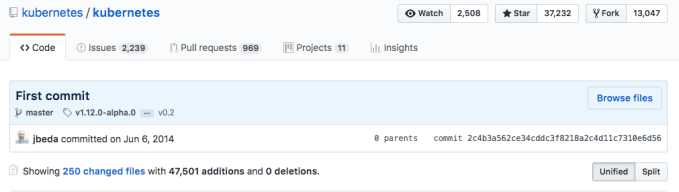
On June 6th, 2014 Kubernetes was released for the first time. At the time, nobody could have predicted that 4 years later that the project would become a de facto standard for container orchestration or that the biggest tech companies in the world would be backing it. That would come later.

If you think back to June 2014, containerization was just beginning to take off thanks to Docker, which was popularizing the concept with developers, but being so early there was no standard way to manage those containers.

Google had been using containers as a way to deliver applications for years and ran a tool called Borg to handle orchestration. It’s called an orchestrator because much like a conductor of an orchestra, it decides when a container is launched and when it shuts down once it’s completed its job.

At the time, two Google engineers, Craig McLuckie and Joe Beda, who would later go on to start Heptio, were looking at developing an orchestration tool like Borg for companies that might not have the depth of engineering talent of Google to make it work. They wanted to spread this idea of how they develop distributed applications to other developers.

Hello world

Before that first version hit the streets, what would become Kubernetes developed out of a need for an orchestration layer that Beda and McLuckie had been considering for a long time. They were both involved in bringing Google Compute Engine, Google’s Infrastructure as a Service offering, to market, but they felt like there was something missing in the tooling that would fill in the gaps between infrastructure and platform service offerings.

“We had long thought about trying to find a way to bring a sort of a more progressive orchestrated way of running applications in production. Just based on our own experiences with Google Compute Engine, we got to see firsthand some of the challenges that the enterprise faced in moving workloads to the cloud,” McLuckie explained.

He said that they also understood some of the limitations associated with virtual machine-based workloads and they were thinking about tooling to help with all of that. “And so we came up the idea to start a new project, which ultimately became Kubernetes.”

Let’s open source it

When Google began developing Kubernetes in March 2014, it wanted nothing less than to bring container orchestration to the masses. It was a big goal and McLuckie, Beda and teammate Brendan Burns believed the only way to get there was to open source the technology and build a community around it. As it turns out, they were spot on with that assessment, but couldn’t have been 100 percent certain at the time. Nobody could have.

Photo: Cloud Native Computing Foudation

“If you look at the history, we made the decision to open source Kubernetes and make it a community-oriented project much sooner than conventional wisdom would dictate and focus on really building a community in an open and engaged fashion. And that really paid dividends as Kubernetes has accelerated and effectively become the standard for container orchestration,” McLuckie said.

The next thing they did was to create the Cloud Native Computing Foundation (CNCF) as an umbrella organization for the project. If you think about it, this project could have gone in several directions, as current CNCF director Dan Kohn described in a recent interview.

Going cloud native

Kohn said Kubernetes was unique in a couple of ways. First of all, it was based on existing technology developed over many years at Google. “Even though Kubernetes code was new, the concepts and engineering and know-how behind it was based on 15 years at Google building Borg (And a Borg replacement called Omega that failed),” Kohn said. The other thing was that Kubernetes was designed from the beginning to be open sourced.

Photo: Swapnil Bhartiya on Flickr. Used under CC by SA 2.0 license

He pointed out that Google could have gone in a few directions with Kubernetes. It could have created a commercial product and sold it through Google Cloud. It could have open sourced it, but had a strong central lead as they did with Go. They could have gone to the Linux Foundation and said they wanted to create a stand-alone Kubernetes Foundation. But they didn’t do any of these things.

McLuckie says they decided to something entirely different and place it under the auspices of the Linux Foundation, but not as Kubernetes project. Instead they wanted to create a new framework for cloud native computing itself and the CNCF was born. “The CNCF is a really important staging ground, not just for Kubernetes, but for the technologies that needed to come together to really complete the narrative, to make Kubernetes a much more comprehensive framework,” McLuckie explained.

Getting everyone going in the same direction

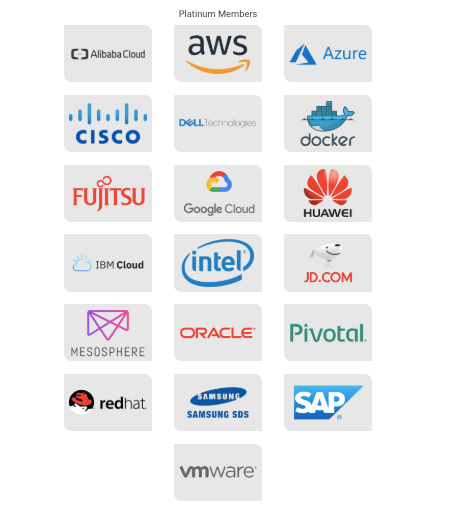
Over the last few years, we have watched as Kubernetes has grown into a container orchestration standard. Last summer in quick succession  a slew of major enterprise players joined CNCF as AWSOracleMicrosoftVMware and Pivotal all joined. They came together with Red Hat, Intel, IBM Cisco and others who were already members.

Cloud Native Computing Foundation Platinum members

Each these players no doubt wanted to control the orchestration layer, but they saw Kubernetes gaining momentum so rapidly, they had little choice but to go along. Kohn jokes that having all these big name players on board is like herding cats, but bringing in them in has been the goal all along. He said it just happened much faster than he thought it would.

In a recent interview with TechCrunch, David Aronchick, who runs the open source Kubeflow Kubernetes machine learning project at Google, was running Kubernetes in the early days. He is shocked by how quickly it has grown. “I couldn’t have predicted it would be like this. I joined in January, 2015 and took on project management for Google Kubernetes. I was stunned at the pent up demand for this kind of thing,” he told TechCrunch.

As it has grown, it has become readily apparent that McLuckie was right about building that cloud native framework instead of a stand-alone Kubernetes foundation. Today there are dozens of adjacent projects and the organization is thriving.

Nobody is more blown away by this than McLuckie himself who says seeing Kubernetes hit these various milestones since its initial release has been amazing for him and his team to watch. “It’s just been a series of these wonderful kind of moments as Kubernetes has gained a head of steam, and it’s been  so much fun to see the community really rally around it.”

Bumble CEO Whitney Wolfe Herd is coming to Disrupt SF

Bumble founder and CEO Whitney Wolfe Herd has always done things her own way.

Whether it’s standing up for her political beliefs, building a company with fully outsourced engineers or avoiding the usual startup fundraising runaround, Wolfe Herd follows her own instincts in building a business. Which is why we’re super excited to announce that Whitney Wolfe Herd will join us at TC Disrupt SF 2018.

Wolfe Herd first came on the scene as a co-founder and VP of Marketing at Tinder, where she helped grow the dating app into one of the world’s biggest dating platforms. But after a lawsuit over sexual harassment and discrimination, which was settled out of court, Wolfe Herd left the company to build an app focused on compliments and positive affirmations.

Originally, she wanted nothing to do with the dating space. But after meeting Andrey Adreev, Badoo founder and Bumble’s majority stakeholder, she realized that giving women a voice in digital dating could be revolutionary. And so, Bumble was born in 2014.

The app has grown to 30 million users, and continues to grow in popularity based on a simple premise: women make the first move.

But Wolfe Herd’s ambitions don’t stop at dating. The 28-year-old founder has added new verticals to the app, letting users find friends and make professional connections via Bumble.

And all the while, Bumble’s cap table has never changed, with Wolfe Herd’s 20 percent stake as yet undiluted. Wolfe Herd was named one of Time 100’s most influential people this year, and has herself become a brand that represents authenticity and self-empowerment.

We can’t wait to talk to Wolfe Herd at Disrupt SF 2018. You can buy tickets to the show here.

Sonos announces the $399 Beam, a cheaper home theater smart speaker

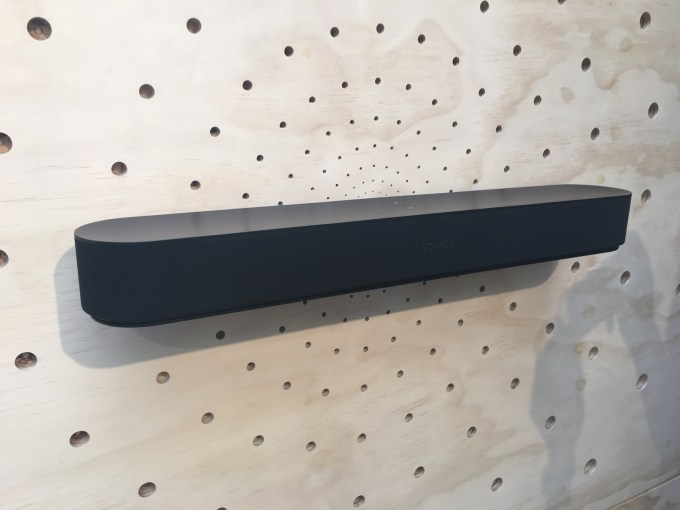
Today, at a special event in San Francisco, Sonos announced a compact home theater smart speaker, the Sonos Beam.

The cheaper $399 device boasts a much smaller footprint than its previous home theater products; the company says Beam is 60 percent smaller and 28 percent shorter than the Playbase. The speaker is available for pre-order starting today.

The company’s new home theater product will support Amazon Alexa controls at launch, alongside Airplay 2 connectivity, which will arrive in July. The product will be set up to gain support from other voice assistants in the future, the company says. You’ll be able to perform tasks like turning on the TV and changing the device’s volume; with FireTV support you’ll be able to query Alexa to direct you to specific movies and shows.

“We believe that people want a better way to listen,” said CEO Patrick Spence onstage at the event.

The product launch is an important one for Sonos, which is still seeking to expand its footprint in home audio products. In April, The Wall Street Journal reported that Sonos had filed confidentially for an IPO that could take place as early as this summer.

While the Santa Barbara company was the incumbent disruptor of the stodgy whole-room audio systems of the past, deep-pocketed tech giants like Google and Apple have invested heavily in audio streaming hardware and APIs. Sonos has found itself having to compete in a home audio market that is increasingly becoming more about the embedded AI tech of virtual assistants.

Apple’s $349 HomePod is just the latest competitor to prioritize more intelligent music playback; meanwhile there are dozens of speakers with Amazon’s Alexa and the Google Assistant. Last year, Sonos added Alexa functionality to its new product, its Sonos One speaker, which is also set to pick up support in July for Apple’s new Airplay 2 alongside the Playbase, Play:5 and the new Beam.

Facebook is funding news programs from CNN, Fox News, Univision and others

Facebook has unveiled its initial lineup of news programming that will be airing in a dedicated section of Watch, the original video content initiative the social network launched last year.

While these shows are being produced by outside media organizations, it’s actually Facebook that’s funding them. In a blog post, Head of News Partnerships Campbell Brown described this as an extension of the company’s announcement in January that it would prioritize meaningful social interaction over publisher content.

While that decision took a toll on digital publishers, Brown echoes CEO Mark Zuckerberg’s rationale for the move, saying that while there will be less news in users’ feeds, what remains should be “trustworthy, informative, and local.”

Here’s how Brown describes the news initiative:

This first lineup of funded shows includes news publishers from broadcast to digital native, national and local. The shows will be hosted by award-winning journalists, as well as new faces, and the formats will vary from a mix of daily briefings, weekly deep dives, and live breaking news coverage. They’ll debut later this summer, and we’ll announce additional shows in the coming weeks. We will work closely with our publisher partners to experiment with these different formats to understand what works, and they will have full editorial control of their shows.

The shows include:

  • A daily news show from ABC News
  • “Chasing Corruption,” a series from Alabama’s Advance Local that interviews watchdog journalists
  • A weekly explainer program from ATTN:
  • CNN’s “Anderson Cooper Full Circle,” a weekday news brief featuring Cooper and guests
  • Daily updates from Fox News’ Shepard Smith and others
  • A twice-weekly show from Mic
  • Univision’s “Real America with Jorge Ramos,” where Ramos interviews immigrants from diverse backgrounds. Univision will also air a daily news roundup in Spanish.

Kayla Itsines’ Sweat app will rake in $77 million this year

In earlier years, fitness gurus would market their programs for getting in shape on VHS tapes and, later, DVDs. These days, it’s an app business. At Apple’s Worldwide Developer Conference this week in San Jose, the company brought in one of the fitness app industry’s superstars, Kayla Itsines, co-creator of the BBG (Bikini Body Guides) and the Sweat app — which will pull in $77 million USD this year — to lead a morning workout for around 200 conference attendees.

For Apple, Kayla’s brand represents not only a good App Store success story, but also spreads the message of how its own products, like iPhone and Apple Watch, enable access to better health through their platforms.

From e-books to apps

Kayla’s fitness company was started several years ago by two personal trainers — herself and business partner Tobi Pearce. Both were using social media, including Instagram, to drive leads for their own PT sessions and bootcamps.

But Itsines’ online profile really took off and soon, people from all over the world wanted to know how they could train like her and get the same results.
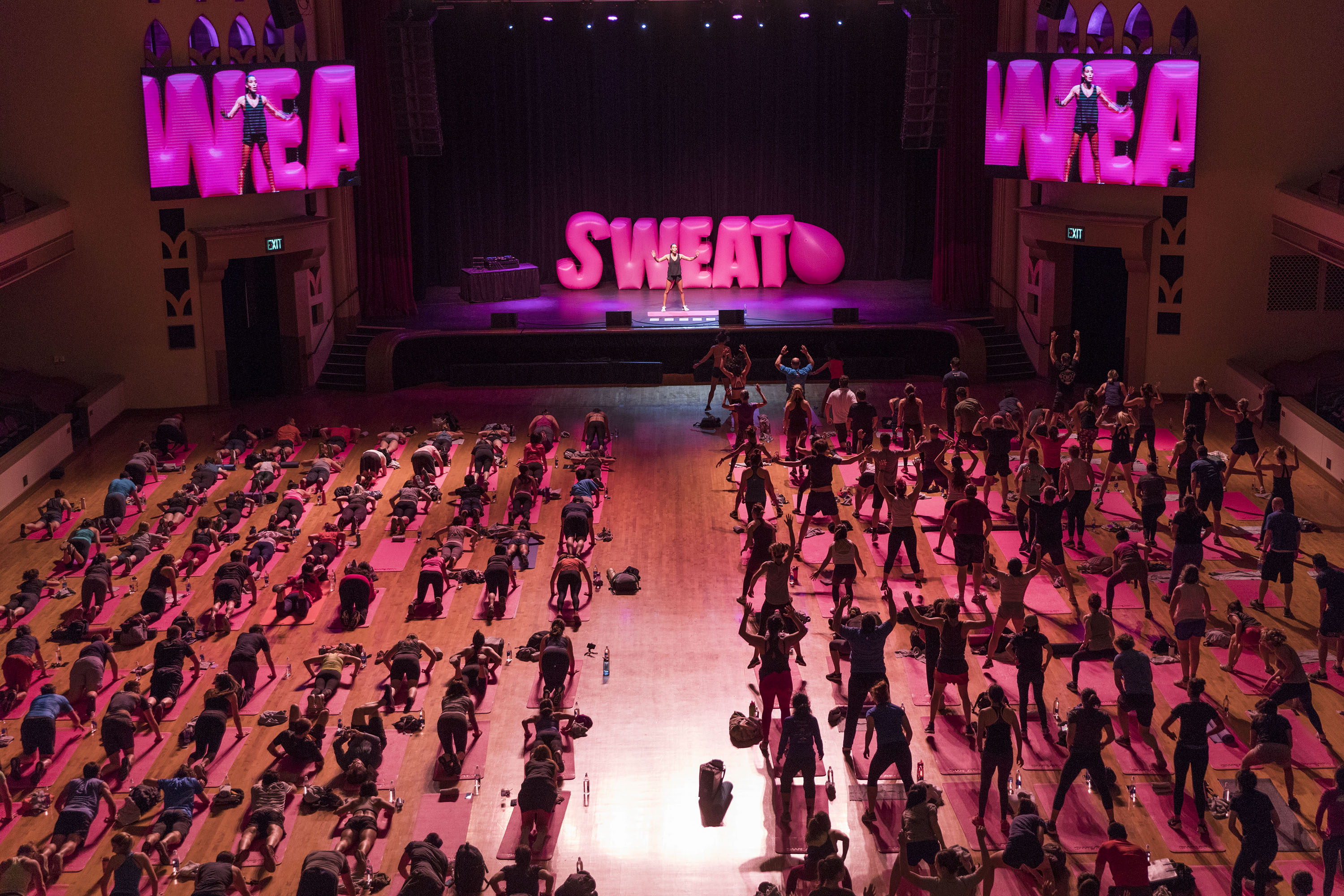
WWDC Workout with Kayla Itsines

So the trainers packaged up her program materials and sold it as an e-book online starting in early 2014. Over the next year or so, the business grew, as they distributed more e-books and a broader content series.

But Kayla and Tobi wanted to reach even more people, so they turned to the App Store.

“That’s where our customers are,” said Tobi, speaking of the company’s decision to launch a mobile app, in a conversation with TechCrunch backstage at the WWDC fitness event.

“We have mostly millennial consumers — 25 to 35 is our main market,” he continues. “Part of being a personal trainer is that you get to be there — personally — and train people in real time. Now, obviously, you can’t do that for every person in the world, and an e-book can’t do that. But Apple allowed us to do that,” he says. “The Apple ecosystem is kind of a no-brainer.”

WWDC Workout with Kayla Itsines

The team launched the Sweat app in November 2015, but it got a big refresh — almost a full relaunch — early last year, with three to four times the amount of content.

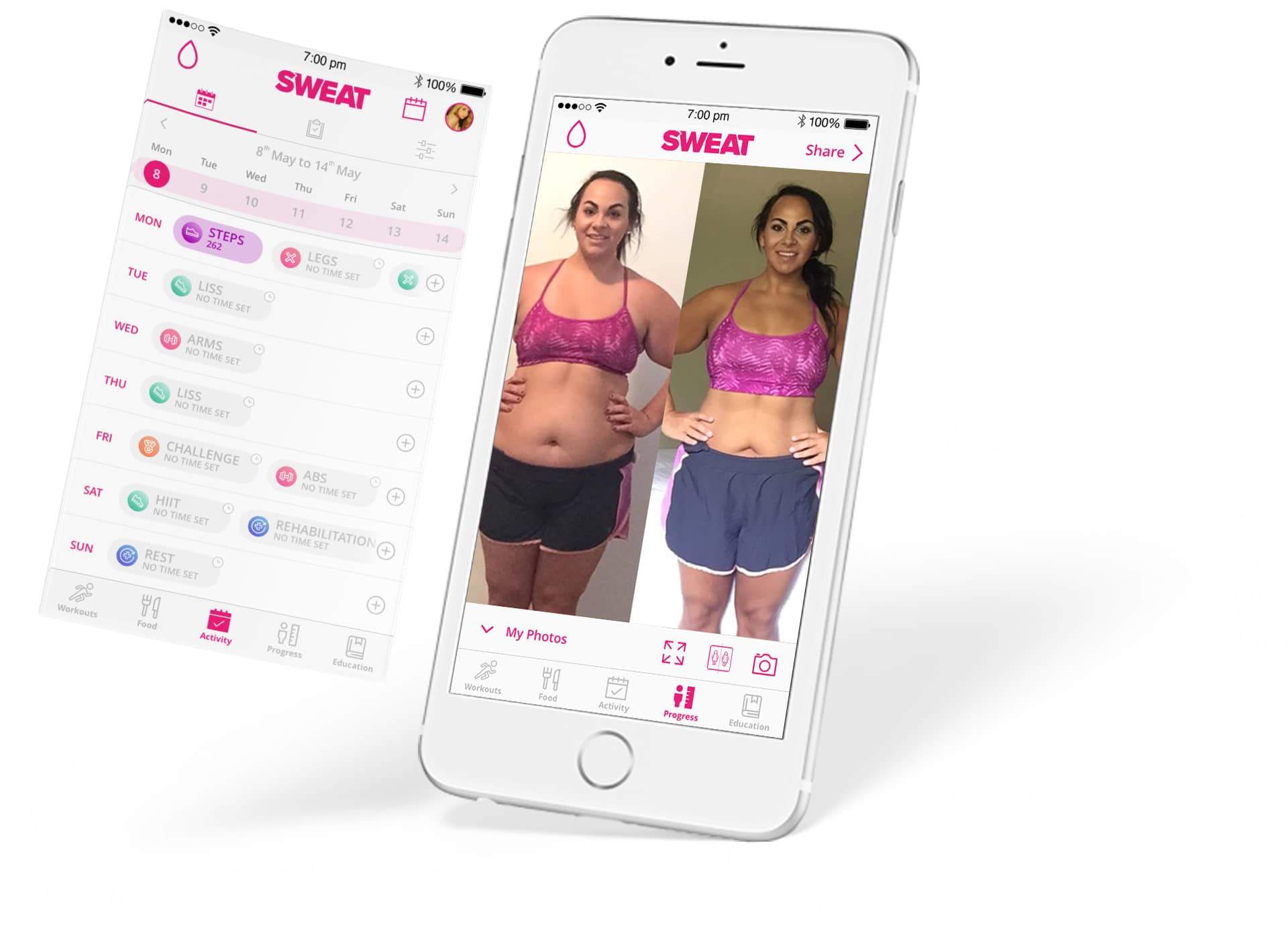
Today, the Sweat app is a one-stop shop for fitness programs for women, featuring not only Kayla’s own content, but other trainers’ programs as well, across areas like yoga, pregnancy and gym workouts, for example.

Subscribers pay $19.99 per month to use the Sweat app, which is cheaper than the gym, or they can opt for an annual membership to save 50 percent.

However, not all of Sweat’s users are turning to the app instead of the gym — can also can be a companion for those who want the assistance of a personal trainer in a gym environment, but don’t want to pay the hundreds of dollars they tend to charge.

And thanks to team Kayla’s social media savvy and the team’s marketing prowess, they’ve built a community that’s happy to pay, it seems.

These days “well over a million” people use the app on a monthly basis, out of 30 million total app downloads, Tobi tells TechCrunch. And though the company’s now 70-person team is largely based in Australia, the U.S. is Sweat’s largest market.

“Since re-launching [the Sweat app], we had a really big growth year — we grew about 86 percent last year, which is pretty huge for us. And this year, we’re on track to hit about $100 million in revenue this year — that’s AUD,” Tobi clarifies.

In U.S. dollars, that’s around $76.75 million — not bad for a fitness app that never took in outside capital.

“When we first started doing the e-books, I had a few bootcamp franchises of my own, and Kayla had a small studio that she ran…I put up most of my own money, initially,” Tobi explains. “It was sort of big turning point in both of our careers because we could — you know: the Australian dream, buy your own home — or we could invest a hundred thousand dollars and hope something comes out of it.”
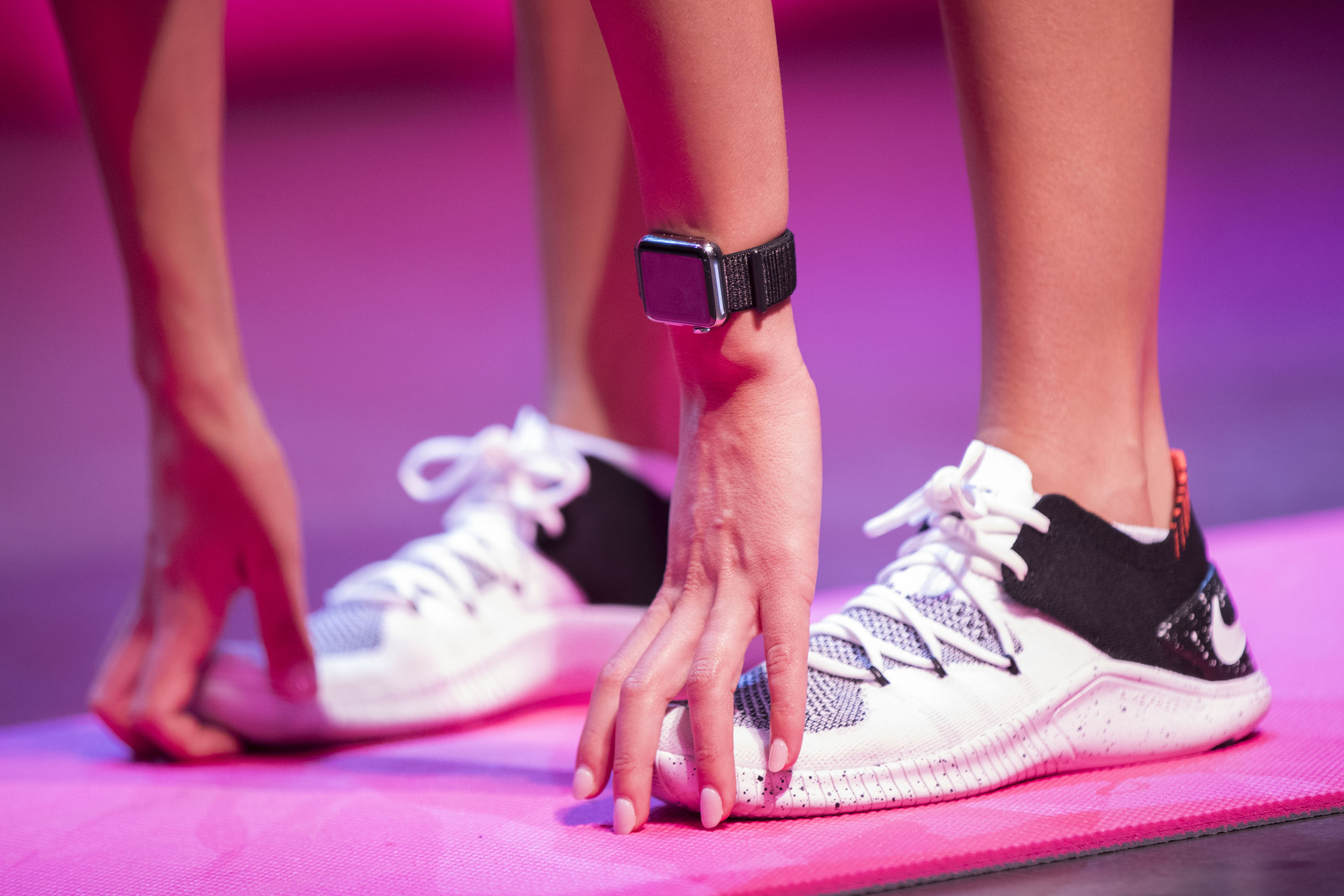
WWDC Workout with Kayla Itsines

What’s next: Apple TV, AR and… funding?

Part of the Sweat app’s appeal — beyond its promised results, of course — is its use of new technologies to keep people engaged.

The current app leverages Apple Watch’s visual interface to give video cues, and it added audio cues to the iOS app so the trainers can talk to you as you work out — much like an in-person trainer would. (That feature is coming to the Watch soon, so more advanced users who don’t need the videos can just listen through their headphones or AirPods to hear what to do next.)

Sweat also includes its own curated music playlist streamed through Apple Music, and, in the future, the Sweat program is expanding to Apple TV.

Tobi says they have plans to do something with augmented reality as well, but couldn’t offer more details.
“I’m not too sure yet [what we’re doing with AR], I guess we’re kind of curious,” he admits. “It’s almost part of our responsibility and obligation. We’re a market leader for women’s fitness, and if we want to continue to be that, we want to have the best technologies,” he says.

While Sweat isn’t in need of outside investment, the team isn’t ruling out the idea entirely.

“I don’t necessarily think it would be a bad idea. I think, obviously, for all businesses at any stage — whether it be really early on with venture capital, or whether it be a different type of funding later in the life cycle of the business — I think it always serves a purpose, honestly,” says Tobi.

“Now we’re in the cycle of trying to optimize the experience to get the best results for the user — whether it be content or features or whatever. Having a funding partner — not so much necessarily just for the capital, but also for the resources and the network — would be really handy,” he says. 

Anker’s Spirit earbuds are wireless and waterproof

Anker, a battery maker turned accessory house, recently released the $39 Spirit X earbuds under their Soundcore brand. Aimed at runners and other heavy sweaters, the earbuds are completely waterproof under the IPX7 rating, a classification that means it can stand up to 1 meter of submersion.

What this means is that you get a surprisingly cheap and rugged set of workout earbuds that you’re not afraid to get a little dirty.

I tested a pair and found them quite nice for running. The rubber ear hooks kept them in place and the sound quality was not horrible, especially compared to my previous pair of Philips corded headphones. The sound quality, while a bit muffled, is what you’d expect from a standard pair of sports headphones, and the rubber earbuds stayed in place quite nicely. The company claims the headphones have a 12-hour battery life, which is about right — I used them for a few days and saw little change in the battery level.

A small flap on the bottom of the control bar hides a micro USB port for charging and there are three buttons — volume up, track advance and volume down. There are no voice prompts, but there is a built-in microphone for calls.

These are not swimming headphones. The IPX7 rating means they’ll stand up to sweat and rain but not a few dozen laps in the pool. An aqua-phobic nano-coating keeps the drops out of the inside of the headphones and should let you keep trucking long after other headphones have rusted out.

Long thought of as a bargain Amazon brand, Anker is expanding its reach and understanding of the market. By building inexpensive gear for those who don’t mind a slight trade-off in audio quality, they’ve hit an interesting spot in the headphone market. While this won’t beat your high-end over-ear headphones with all the trimmings, sometimes a $40 pair of daily wear earbuds is all you need.

Worthwhile gadget upgrades for the tech-obsessed

Makula Dunbar
Contributor

Makula Dunbar is a writer with Wirecutter.

Editor’s note: This post was done in partnership with Wirecutter. When readers choose to buy Wirecutter’s independently chosen editorial picks, Wirecutter and TechCrunch earn affiliate commissions.

More than likely, there’s someone in your circle who takes great pride in knowing about and staying on top of the latest tech. While you or your gadget-obsessed acquaintance may have a broad selection of new gear, the celebrated laptop, camera, or phone might not be the one that comes with all of the bells and whistles.

We’ve compiled some of our favorite upgrade picks that come with extra or special features that add to functionality, quality and overall performance.

Photo: Kyle FItzgerald

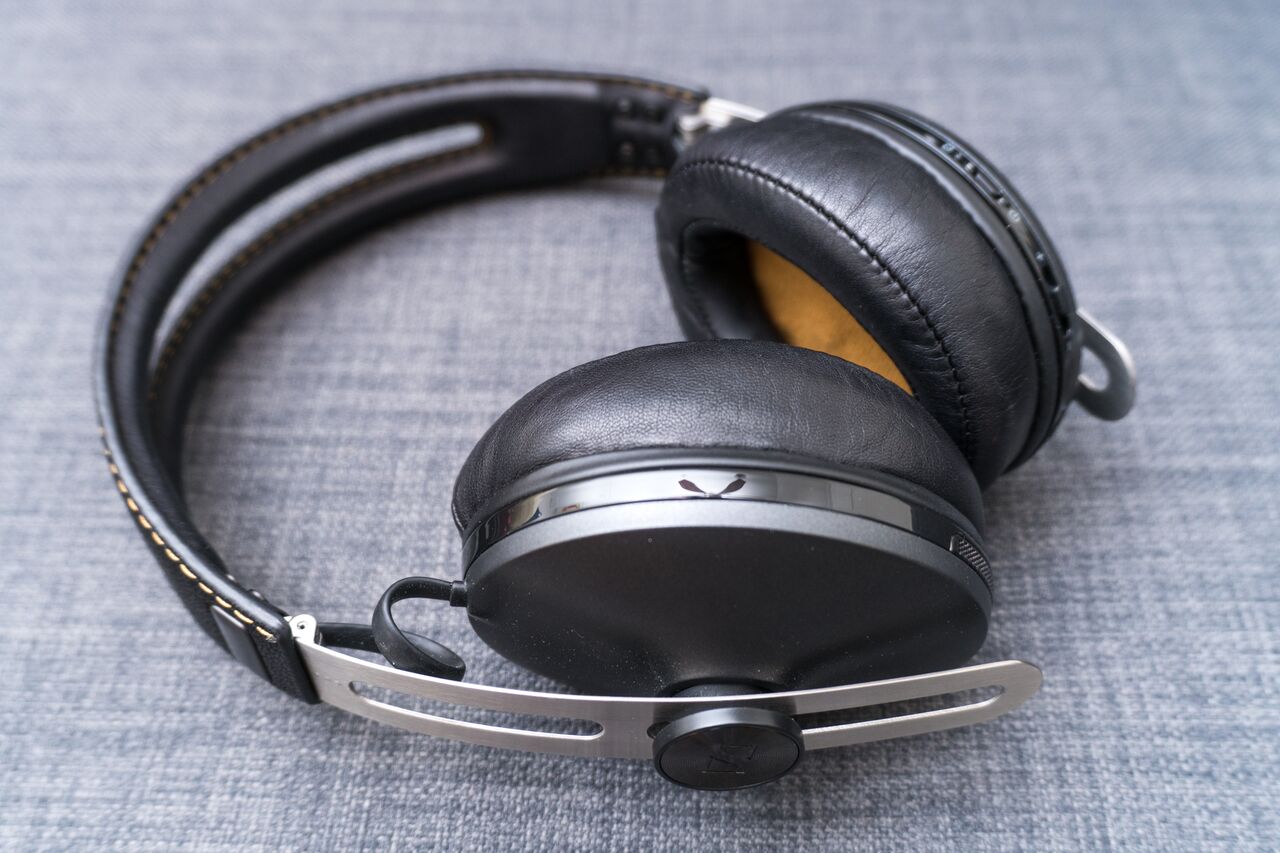
Bluetooth wireless headphones: The Sennheiser HD1 Wireless

Listening to music is a routine activity for many and a good pair of headphones makes a world of difference. Our upgrade pick for Bluetooth wireless headphones, the Sennheiser HD1 Wireless, are far from bargain-priced, but the sound this set offers is the best our panel of testers has ever heard from a Bluetooth model.

This Sennheiser HD1 Wireless have a solid, vintage build and for better clarity over calls, the pair has two microphones. Its cups aren’t as big as its competitors, but that doesn’t take away from comfort.

Of all the Bluetooth wireless headphones we tested, this pick gets closest to being an all-around perfect set. For those who get lost in their favorite songs and often forget to recharge their headphones, the Sennheiser HD1 Wireless offer 22 hours of battery life for more continuous playtime.

Photo: Geoffrey Morrison

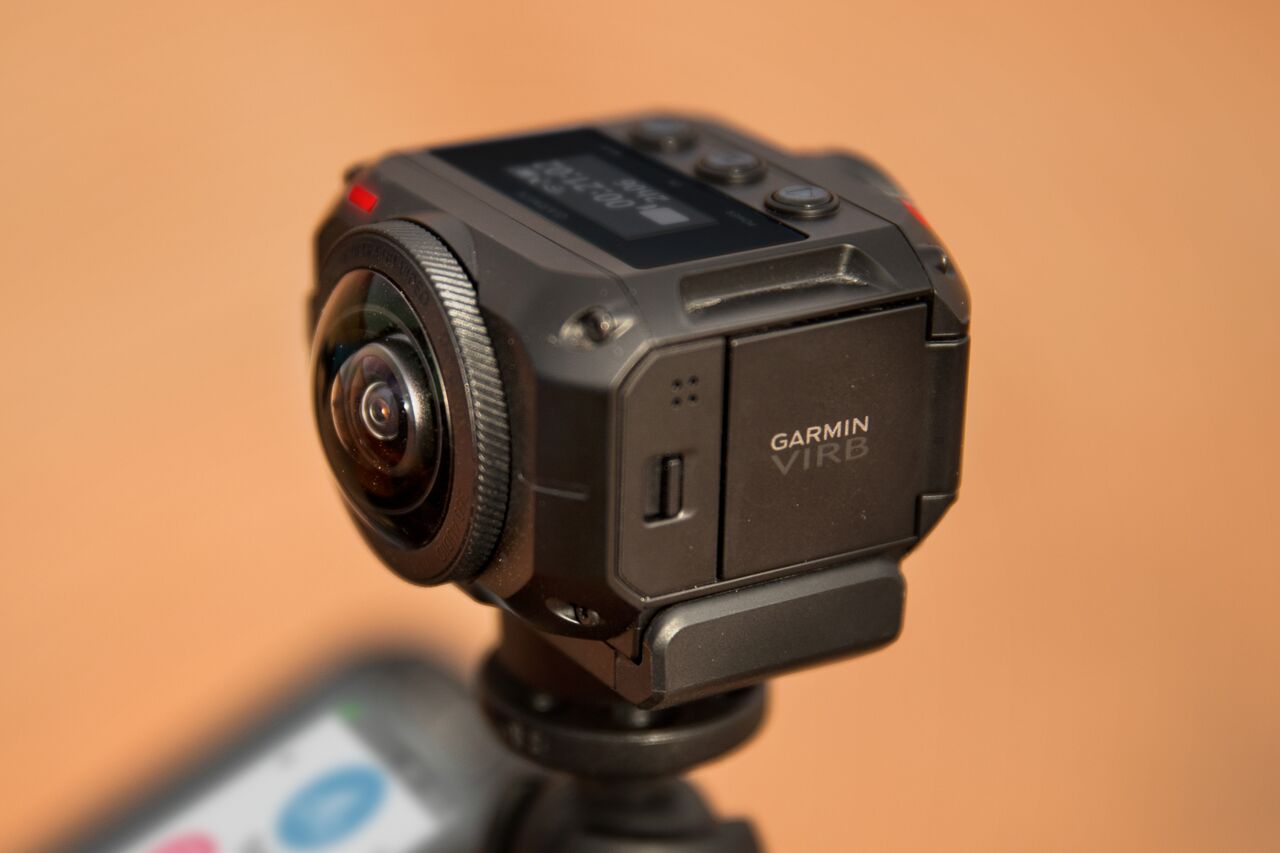
360-degree camera: The Garmin VIRB 360

Capturing amazing shots in rugged, water-filled, and sometimes unfavorable environments is made easier with a 360-degree camera. More so than high-quality recording capabilities, a solid 360-degree camera should be easy to use and have features that add to its functionality.

Doubling as an action camera, the Garmin VIRB 360 offers even more. Its picture quality and digital video stabilization are noticeably better than competitors and its footage — shot in 5.7K — is good enough for professional projects. The VIRB is compact and, without a casing, can record in 33 feet of water. We like its 360-degree image and video quality — and if needed, its ability to do more.

Photo: Mike Perlman

Drone: DJI Phantom 4 Pro

Flying a drone is an experience in itself, but flying one that’s smarter with extended range and battery life keeps the party going. The DJI Phantom 4 Pro (Amazon), our upgrade pick for drones, is for seasoned videographers and photographers who could use a bit more help with getting the best images and 4K videos.

The Phantom 4 Pro has a mechanical shutter and a 20-megapixel, 1-inch CMOS sensor that produces more refined footage. While its more expensive than other DJI models, it’s one of the safest and has advanced collision detection sensors that contribute to stability when it hovers.

Though we consider its four-mile range, comfortable controller (which includes a 5.5-inch, 1080p screen), and Obstacle Sensing System to be among its best features, its manual photography controls leave room for skill and customization.

Photo: Chris Heinonen

Bookshelf speakers: The KEF Q15

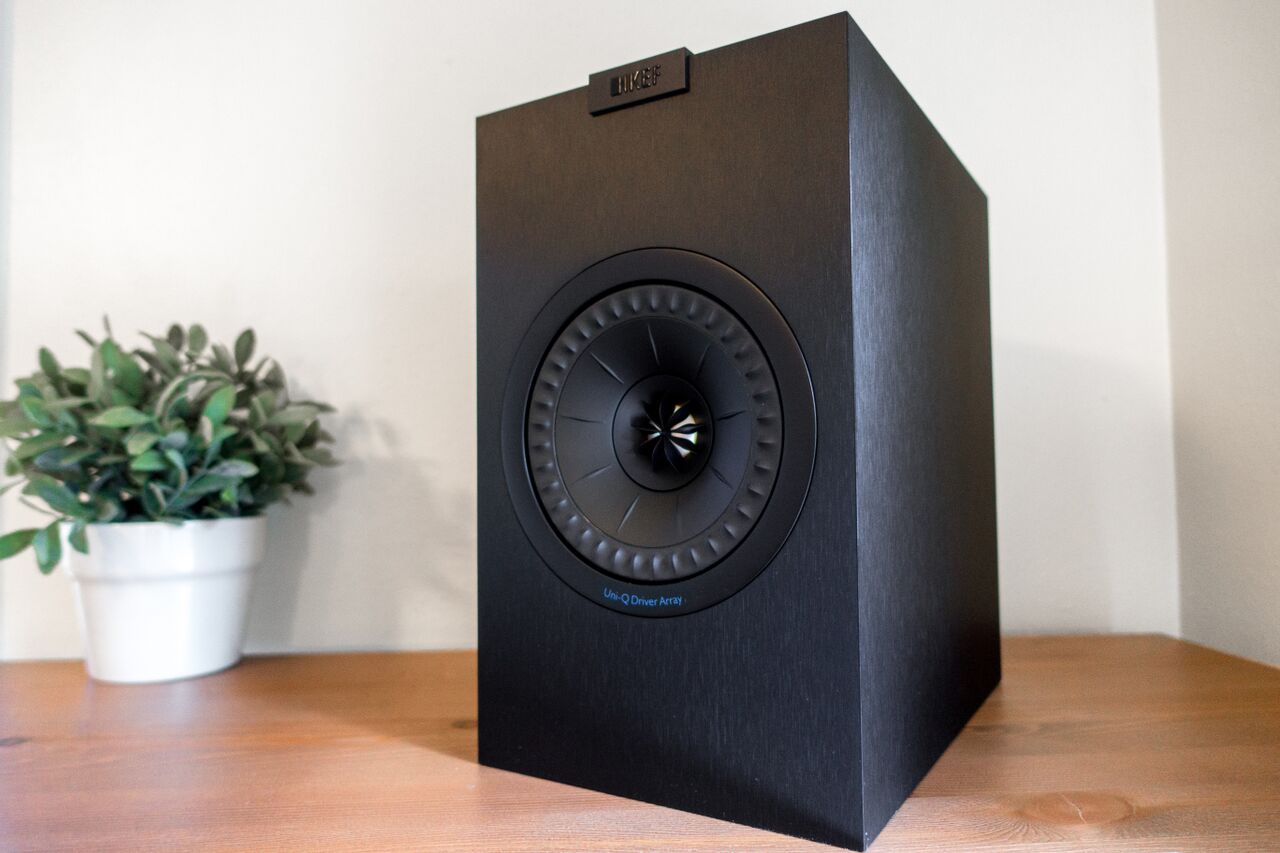
For clearer sound and more detail we recommend the KEF Q15 (Amazon), a favorite during testing and our upgrade pick for bookshelf speakers. Whether used for setting the mood or background entertainment, you’ll notice a difference in the way the Q15 set delivers sound.

Audiophiles, musicians and everyday listeners will be able to detect the superiority of its in-depth bass, and the sound of instruments that are easier to distinguish.

Largely, the Q15’s specially designed Uni-Q drivers contribute to its overall performance. Its black or white finish is straightforward and modest enough to pair with decor in most homes—the appeal heightens when the speakers are on.

Photo: Signe Brewster

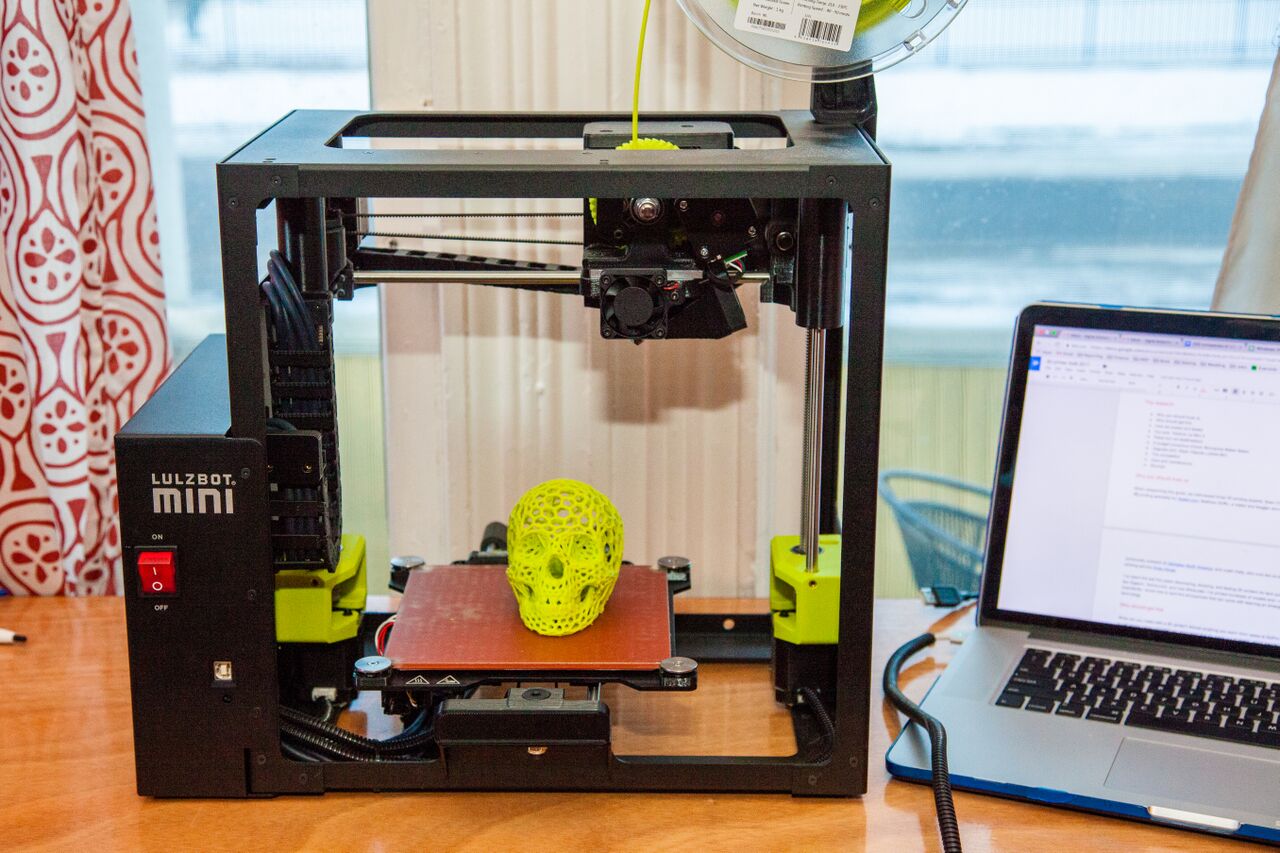
Home 3D printer for beginners: Aleph Objects LulzBot Mini

Makers and creative tech enthusiasts who have a home 3D printer are automatically deemed cool. True impressiveness is rooted in how and what a 3D printer is capable of producing. The Aleph Objects LulzBot Mini takes print production up a few levels by offering higher quality and higher volume. Beginners who are just starting out will find the guidance of this printer’s simple software and preloaded print settings helpful.

We like that its heated bed makes picking up prints less difficult once they’re completed. Creatives who want to try a hand at something a bit more difficult can do so, as the LulzBot Mini handles complex designs well.

This guide may have been updated by WirecutterNote from Wirecutter: When readers choose to buy our independently chosen editorial picks, we may earn affiliate commissions that support our work.