WhatsApp copies Telegram to add one-way ‘broadcast’ mode to group chats

“Good artists borrow great artists steal” is a phrase that Facebook seems acutely aware of.

It’s common to speak of Instagram, the Facebook-owned photo-app-now-social-network, borrowing from Snapchat, but now Facebook’s WhatsApp chat app is increasingly drawing its innovation from others such as Telegram.

This week, WhatsApp outed a new feature for its groups that is essentially a replica of Telegram’s channels — that is, a one-way broadcast communication stream.

Telegram channels are popular for setting up a broadcast news feed that allows people to sign up to get alerts from channel admins, who might be news agencies, companies, schools, public interest groups or more. Now WhatsApp is adding the feature to give its message app new use cases.

Actually, as is often the case for WhatsApp, users have unofficially adopted channel-like behavior for some time. Last year, for example, there were reports of a rural journalist using the messaging app to report and broadcast local news. Doing that is suddenly a whole lot easier through this new ‘broadcast-only’ feature.

“One way people use groups is to receive important announcements and information, including parents and teachers at schools, community centers, and non-profit organizations. We’ve introduced this new setting so admins can have better tools for these use cases,” WhatsApp wrote in a short blog post.

Still, the fact that WhatsApp requires users to provide a phone number to join groups — anyone’s number can be looked up by any group member — is one issue when it comes to creating or joining public groups. Telegram has introduced usernames, which mitigate that issue, but still, the app doesn’t have anything like WhatsApp’s scale which is a crucial consideration when deciding which app to plump for.

WhatsApp has over 1.5 billion active users, more than 200 million of which are in India, whereas Telegram recently passed 200 million active users worldwide.

California man arrested for sending death threats to FCC’s Ajit Pai over net neutrality

While many people in this country are angry with current chairman of the FCC Ajit Pai, arguably with good reason, it’s unfortunate that at least one has descended to the level of sending credible death threats and, unsurprisingly, has subsequently been arrested.

Shortly after the FCC voted in December to nullify the agency’s 2015 net neutrality rules, Norwalk resident named Markara Man contacted Pai several times threatening him and his family.

According to a Justice Department press release, Man first told Pai that he was responsible for the death of a kid who had killed herself because of the loss of net neutrality. Next he sent a list of locations around Arlington, where the chairman lives, and threatening to kill members of his family. The third apparently was just an image of a framed photo of Pai’s family.

This clearly rises above the low-level — yet also deeply inappropriate — casual slurs against the chairman one sees in practically every discussion of FCC issues, including this website. As such it was investigated by the FBI, which traced the emails to Man’s location and confronted him.

He admitted to sending the emails in order to “scare” Pai, which I can only imagine it did. He’s been charged with the incredibly wordy crime of “threatening to murder a member of the immediate family of a U.S. official with the intent to intimidate or interfere with such official while engaged in the performance of official duties, or with the intent to retaliate against such official on account of the performance of official duties.” If convicted he could face up to 10 years, but that’s all up in the air still.

Listen: as you may be able to tell from TechCrunch’s own coverage of FCC issues and net neutrality (mostly by myself), I’m no fan of Chairman Pai’s, though I try my best to stick to the facts — which, helpfully, are also largely anti-Pai. But threatening the family of the man is, I hardly need say, taking it much too far. Not only is it reprehensible on its face, but it feeds a narrative of spite and ignorance that works counter to the very goals the threat-maker evidently espouses.

Net neutrality is a serious issue and the current administration’s elimination of the 2015 rules is a perfectly good reason to protest and, indeed, take Pai personally to task, since he is the foremost architect of our present situation. By all means call your elected officials, make net neutrality an issue in the 2018 midterms, and make your voice heard. But for everyone’s sake keep it civil.

Here’s what it was like to stumble into Netflix and Lyft’s activation for GLOW at ‘Muscle Beach’

Today at “Muscle Beach” in Venice, Calif., Netflix and Lyft joined forces for a promotional campaign in support of the streaming media site’s (really excellent) dramatization of the origin story for the women’s wrestling league — GLOW (or the Gorgeous Ladies of Wrestling).

Your intrepid reporter was taking a walk on the beach and stumbled upon the marketing stunt (which was kind of genius).

For those of y’all who don’t know, Muscle Beach is sort of a mecca for weight lifters and body builders — including, back in the ’80s, a young Ah-nold Schwarzenegger. A history that made it an ideal spot to celebrate Netflix’s (pretty terrific) ode to all things new wave-d, hair metal-ed, neon accented, high-waisted, cocaine addled and muscle-bound.

Members of the cast posed for pictures, and wrestlers engaged in training sessions and ’80s-themed exercise classes throughout the day.

The activation will be up for the next week and included a Reebok pop-up with limited-edition ’80s styles; a photo booth and costumes for pictures; free copies of Paper Magazine and trading cards emblazoned with the pictures of each of the most popular characters from the show.

The day wasn’t without incident. Some Muscle Beach-goers got into a war of words with security over the event’s unannounced takeover of the basketball courts adjacent to the “beach.”

The second season of “GLOW” dropped today on Netflix.


What we know about Maryland’s controversial facial recognition database

When police had difficulty identifying the man whom they believed opened fire on a newsroom in Maryland, killing five people, they turned to one of the most controversial yet potent tools in the state’s law enforcement arsenal.

As The New York Times reports, Anne Arundel County Police Chief Timothy Altomare’s department failed to ID its suspect through fingerprinting. The department then sent a picture of the suspect to the Maryland Coordination and Analysis Center, which combed through one of the nation’s largest databases of mug shots and driver’s license photos in search of a match.

That database is the source of some debate. Maryland has some of the most aggressive facial recognition policies in the nation, according to a national report from Georgetown University’s Center on Privacy & Technology, and that practice is powered by one central system: a pool of face data known as the Maryland Image Repository System (MIRS).

For facial recognition searches, Maryland police have access to three million state mug shots, seven million state driver’s license photos and an additional 24.9 million mug shots from a national FBI database. The state’s practice of face recognition searches began in 2011, expanding in 2013 to incorporate the Maryland Motor Vehicle Administration’s existing driver’s license database. The Maryland Department of Public Safety and Correctional Services (DPSCS) describes MIRS “as a digitized mug shot book used by law enforcement agencies throughout Maryland in the furtherance of their law enforcement investigation duties.”

According to the Georgetown report, “It’s unclear if the [Maryland Department of Public Safety and Correctional Services] ‘scrubs’ its mug shot database to eliminate people who were never charged, had charges dropped or dismissed, or who were found innocent.”

In a letter to Maryland’s House Appropriations and Senate Budget and Taxation Committees in late 2017, DPSCS Secretary Stephen T. Moyer notes that the software “has drawn criticism over privacy concerns.” In that report, the state notes that images uploaded to MIRS are not stored in the database and that “the user’s search results are saved under their session and are not available to any other user.” DPSCS provides these details about the software:

MIRS is an off-the-shelf software program developed by Dataworks Plus. Images are uploaded into the system from MVA, DPSCS inmate case records, and mugshot photos sent into the DPSCS Criminal Justice System-Central Repository (CJIS-CR) from law enforcement agencies throughout the State at the time of an offender’s arrest and booking. Members of law enforcement are able to upload an image to MIRS and that image is compared to the images within the system to determine the highest probability that the uploaded image may relate to an MVA and/or DPSCS image within MIRS.

In the 2017 fiscal year, DPSCS paid DataWorks Plus $185,124.24 to maintain the database. The report declined to answer questions about how many users are authorized to access the MIRS system (estimates in The Baltimore Sun put it at between 6,000 and 7,000 individuals) and how many user logins had occurred since 2015, stating that it did not track or collect this information. On a question of what steps the department takes to mitigate privacy risks, DPSCS stated only that “the steps taken to protect citizen’s privacy are inherent in the photos that are uploaded into the system and the way that the system is accessed.”

In 2016, Maryland’s face recognition database came under new scrutiny after the ACLU accused the state of using MIRS without a warrant to identify protesters in Baltimore following the death of Freddie Gray.

Last year, Maryland House Bill 1065 proposed a task force to examine surveillance techniques used by law enforcement in the state. That bill made it out of the House but did not progress past the Senate Judicial Proceedings Committee. Another bill, known as the Face Recognition Act (HB 1148), would mandate auditing in the state to “ensure that face recognition is used only for legitimate law enforcement purposes” and would prohibit the use of Maryland’s face recognition system without a court order. That bill did not make it out of the House Judiciary Committee, though the ACLU intends to revisit it in 2018.

Replacing pills with a Band-Aid? Avro Life Science thinks there’s a patch for that

Shak Lakhani, the  21-year-old chief executive and co-founder of Avro Life Science, started researching biomaterials when he was 15 years old.

Every summer and after school the teenager would travel nearly two hours by bus and train from the Richmond Hill neighborhood of Toronto where he lived to the tissue engineering lab at the University of Toronto and develop three-dimensional, in-vitro models of tumors using biomaterials.

For three years, Lakhani worked in the lab, before going on to study nanotechnology engineering at the University of Waterloo a short 73 miles away. It was there, in his first year, that Lakhani met another Richmond Hill resident, Keean Sarani, and launched Avro Life Science.

Sarani, also 21, had his own history in life sciences. A former epidemiologist who worked as a research assistant at the aptly named Hospital for Sick Children, Sarani spent his high school years working in community pharmacies before going on to graduate from the University of Waterloo with both an Honours Science degree and a doctorate in pharmacy directly from high school.

Sarani and Lakhani, who’re related by marriage, first met in the Village 1 dormitory complex at the university. Within months of their first meeting the two decided to start working on the company that would become Avro.

They formally launched the business in January 2016, a time when Lakhani said the two college students would hold “startup Sundays” where they would pitch ideas to each other in one dorm room or another on Sunday evenings, until they found an idea that seemed viable.

Given their experience — Sarani in pharmacies and treating patients and Lakhani in chemistry and material science, the two hit on the idea of drug delivery and patches.

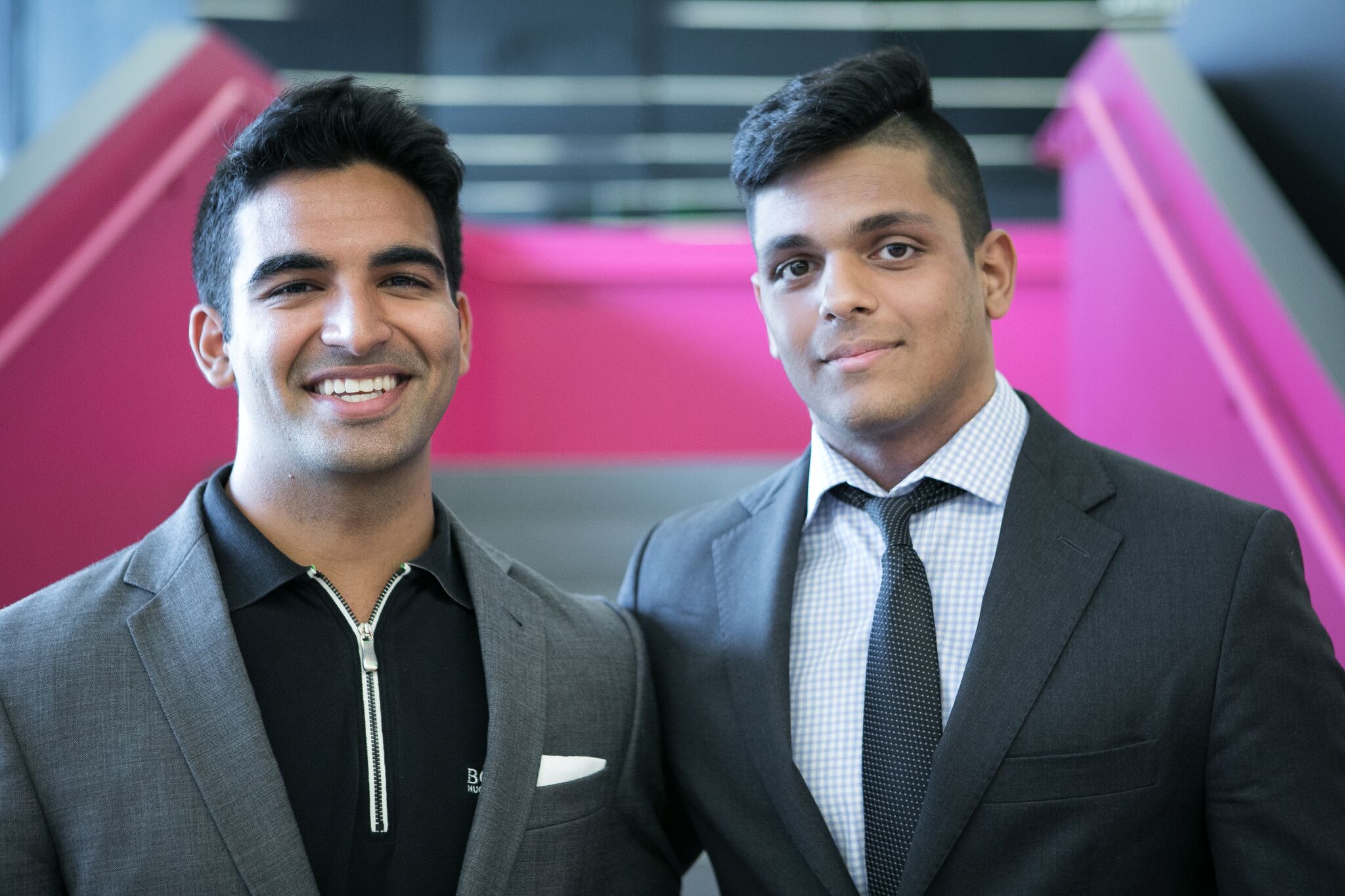
Avro Life Science co-founders Keean Sarani and Shak Lakhani

The two initially toyed with a multivitamin patch for daily health, but through the sniffles, watery eyes and sneezes of perennial allergy sufferers the two hit on the idea of an antihistamine patch to cure their own ailments.

The two won their first pitch competition three months after hitting on the initial idea in March 2016, and formally incorporated their business in November 2016.

Fast-forward two years and the two co-founders are just about ready to make the final preparations for the first product with help from an initial seed round from investors led by Fifty Years, with participation from Susa Ventures, Garage Capital, Heuristic Capital, Embark Ventures, Uphonest Capital and Buckley Endeavours. Individual angel investors also participated in the round. In all, Avro has about $2.2 million in the bank.

According to Lakhani, the company has already developed a polymer that allows Avro to make patches that can deliver hundreds of different drugs. Now it’s just a matter of gearing up for clinical trials that the company will run before the end of the year.

The first product, Lakhani says, is “a medicated sticker for seasonal allergies.” The company’s plan to get to market involves revitalizing drugs that pharma companies haven’t been able to bring to market because oral delivery is difficult, Lakhani says.

“Really the breakthrough is the [proprietary] combination of materials that can hold all of these different drugs,” he said. “The method of drug delivery is the same as in nicotine patches. In our case as a result of the polymer and manufacturing method…. [the drugs] don’t bond with the polymer. They are micro-adhesives in the patch. Heat from the skin dissolves the polymer and allows the drugs to enter the blood stream.”

Basically, there are tiny bubbles on the patch and contact with (and heat from) the skin causes the bubbles to break and deliver any drugs in an unadulterated form to the bloodstream, Lakhani explained.

Because the company is using generic drugs for its first tests, it’s hoping to have an easier path to market to prove the viability of its delivery system.

Down the road, the company also has some pretty impressive pharmaceutical partners that it could tap. Avro is already working with Bayer as part of their accelerator program in Toronto, and that may lead to a deeper relationship down the road, according to Lakhani.

The first drug that the company is testing is Loratadine (a common antihistamine).

“In the coming years, we envision bringing a number of other patches to market for drugs addressing neurodegenerative diseases, cardiac health, analgesics and many more to improve drug delivery and compliance while revitalizing pharma pipelines,” Lakhani wrote in an email. “One day we hope to allow large pharmaceutical companies to ‘rescue’ drugs that they spent billions of dollars developing, but failed trials due to low bioavailability, high liver toxicity from an entire pill being metabolized at once.”

For Fifty Years co-founder Seth Bannon, Avro’s technology is a “Holy Grail” for drug delivery that can save pharmaceutical companies billions of dollars.

“The market for this is absolutely massive. Initially, Avro can manufacture and sell patches carrying generics direct to consumer to address issues like compliance with children and the elderly,” wrote Bannon, in an email. “Because Avro can deliver many drugs transdermally… When you deliver drugs transdermally, you significantly reduce liver toxicity and boost bioavailability. This means pharma can rescue drugs that just barely failed in Phase III. Pharma will pay a lot for this.”

Hackers took over the Gentoo Linux GitHub repository

Popular Linux distribution Gentoo has been “totally pwned” according to researchers at Sophos, and none of the current code can be trusted. The team immediately posted an update and noted that none of the real code has been compromised. However, they have pulled the GitHub repository until they can upload a fresh copy of the unadulterated code.

“Today 28 June at approximately 20:20 UTC unknown individuals have gained control of the GitHub Gentoo organization, and modified the content of repositories as well as pages there. We are still working to determine the exact extent and to regain control of the organization and its repositories. All Gentoo code hosted on github should for the moment be considered compromised,” wrote Gentoo administrators. “This does NOT affect any code hosted on the Gentoo infrastructure. Since the master Gentoo ebuild repository is hosted on our own infrastructure and since Github is only a mirror for it, you are fine as long as you are using rsync or webrsync from gentoo.org.”

None of the code is permanently damaged because the Gentoo admins kept their own copy of the code. Gentoo stated that the compromised code could contain malware and bugs and that users should avoid the GitHub version until it is reinstated.

“The Gentoo Infrastructure team have identified the ingress point, and locked out the compromised account,” wrote the admins. “Three Github repositories containing the Gentoo code, Musl, and systemd. All of these repositories are being “reset back to a known good state.”

Instagram PR director Gabe Madway exits, replaced by Facebook’s Anna White

Facebook likes to keep it in the family. Gabe Madway, Instagram’s director of comms who’s run its day-to-day efforts for the past four years, is departing to work for a new company later this summer, and he’ll be replaced by Anna White from Facebook’s internal PR team. She’ll report to Kristina Schake, Instagram’s Global Comms director who leads from behind the scenes.

Madway was formerly a correspondent with Reuters before becoming an executive comms manager at Google from 2011 to 2014, when he joined Instagram. He’s been one of the more level-headed and frank PR people I’ve worked with over the course of launches, like the massively popular Instagram Stories. Gabe kept it real.

White was also a communications manager at Google and YouTube before joining Facebook in 2015, where she’s been the Consumer Comms director. She’d been handling some announcements around safety, accessibility and Facebook’s Jobs feature that competes with LinkedIn.

The role will see White oversee the massive functionality expansion currently going down at Instagram under its new VP of Product Adam Mosseri, who recently moved over after leading the Facebook News Feed product. Between its new IGTV feature and its 1 billion users, White will have plenty on her plate.

Sign up for the Disrupt SF Virtual Hackathon today

Developers and creators, this is your shot to flex your technical building skills for a chance to win free passes to Disrupt SF 2018 — and maybe even $10,000! Sign up today to participate in the TechCrunch Disrupt SF 2018 virtual hackathon!

Here’s how the virtual Disrupt SF Hackathon works. Our expert judges will review, evaluate and score every eligible submitted hack. The 70 highest-scoring teams will each receive 5 Innovator passes to TechCrunch Disrupt SF 2018where they’ll get to check out hundreds of early-stage startups in Startup and Hardware Alley, hear from several entrepreneurs, investors and innovators in a series of interviews and fireside chats and take in the illustrious Startup Battlefield competition. Plus, you’ll be able to attend all the parties and after-parties that take place during Disrupt, and keep the networking going long into the night.

Of that group, the top 30 teams will exhibit their hacks in our Hackathon Demo area at Disrupt SF to more than 10,000 attendees and another round of judging will determine the 10 teams that get to demo their creation on The Next Stage. Out of those 10, the judges will choose one winner to be our very first Virtual Hackathon Champion. And oh yeah — the winner gets the $10,000 cash prize.

Now, a Disrupt Hackathon, virtual or otherwise, wouldn’t be a hackathon without lots of sponsored prizes, cash and swag. You won’t be disappointed on that front, trust us. We have some great APIs and prizes from Visa, TomTom, HERE Mobility, BYTON and Viond on tap so far, and many more to be announced in the coming weeks.

So get those crazy ideas floating around in the backs of your heads, sign up to participate and get hacking! All hacks must be submitted by August 2!

We can’t wait to see what you all come up with.

Tinder bolsters its security to ward off hacks and blackmail

This week, Tinder responded to a letter from Oregon Senator Ron Wyden calling for the company to seal up security loopholes in its app that could lead to blackmail and other privacy incursions.

In a letter to Sen. Wyden, Match Group General Counsel Jared Sine describes recent changes to the app, noting that as of June 19, “swipe data has been padded such that all actions are now the same size.” Sine added that images on the mobile app are fully encrypted as of February 6, while images on the web version of Tinder were already encrypted.

The Tinder issues were first called out in a report by a research team at Checkmarx describing the app’s “disturbing vulnerabilities” and their propensity for blackmail:

The vulnerabilities, found in both the app’s Android and iOS versions, allow an attacker using the same network as the user to monitor the user’s every move on the app. It is also possible for an attacker to take control over the profile pictures the user sees, swapping them for inappropriate content, rogue advertising or other type of malicious content (as demonstrated in the research).

While no credential theft and no immediate financial impact are involved in this process, an attacker targeting a vulnerable user can blackmail the victim, threatening to expose highly private information from the user’s Tinder profile and actions in the app.

In February, Wyden called for Tinder to address the vulnerability by encrypting all data that moves between its servers and the app and by padding data to obscure it from hackers. In a statement to TechCrunch at the time, Tinder indicated that it heard Sen. Wyden’s concerns and had recently implemented encryption for profile photos in the interest of moving toward deepening its privacy practices.

“Like every technology company, we are constantly working to improve our defenses in the battle against malicious hackers and cyber criminals,” Sine said in the letter. “… Our goal is to have protocols and systems that not only meet, but exceed industry best practices.”

A robotic astronaut named CIMON is on its way to the ISS

There’s a new astronaut on its way to the International Space Station this morning aboard SpaceX’s most recent resupply launch, and it’s only the size of a medicine ball. CIMON (Crew Interactive Mobile Companion) is an artificial intelligence assistant designed by Airbus and IBM to assist the European Space Agency’s astronauts in everyday tasks aboard the ISS . Weighing in at just 11 pounds and roughly the size of a medicine ball, this minute astronaut is equipped with the neural network strength of IBM’s Watson.

Crew members will be able to correspond with CIMON via voice commands and access a database of procedures. CIMON will also be able to detect the crew members’ moods and react accordingly, Till Eisenberg, CIMON project lead at Airbus, told SPACE.com.

In a February press release announcing CIMON’s arrival, Airbus said that CIMON’s emotional intelligence, in addition to its friendly face and voice, will help it operate like a true crew member aboard the station. To start, CIMON even has a built-in friend.

Before setting off today, CIMON has been trained alongside German astronaut Alexander Gerst to recognize Gerst’s voice and face and help him complete three different tasks while aboard the ISS. CIMON will help the geophysicist and volcanologist study crystals on the space station, solve a Rubik’s cube using video data and play the role of an “intelligent camera” to document a medical experiment on-board.

CIMON’s mission with Gerst will take place between this June and October 2018, but Airbus hopes that in the future CIMON will be able to observe crew members on longer missions and help scientists learn more about the social dynamics involved in extended space flight — an issue that will be paramount for any dreams of Martian colonies to come.

YouTube’s picture-in-picture mode is live for all US Android users

YouTube has confirmed that picture-in-picture mode — previously a paid-only feature — has now rolled out to all U.S. YouTube users on Android on supported devices. The feature, which works on Android 8.0 (Oreo) or higher, had been slowly rolling out to non-Premium subscribers since this April we understand, and the full rollout completed on Monday.

The website XDA Developers was the first to spot the expansion, noting earlier this week that it seemed as if picture-in-picture mode had suddenly been turned on for several more YouTube users. They suspected that this had been a gradual launch, but didn’t confirm the status with YouTube directly.

Picture-in-picture mode, as you likely understand by its name, allows you to continue watching a video in a small window as you continue to browse YouTube, or even use other apps.

It’s an especially helpful addition to the service, but had only been offered to YouTube Premium (previously known as YouTube Red) customers following its launch last year.

The feature is an improvement over the current system of watching while browsing on iOS, as well, which instead places a floating strip at the bottom of the app where the video plays in a very small thumbnail. YouTube has not announced its plans for a related iOS update. But it would not be able to work in the same way in terms of placing a floating widget that hovers over top of the home screen or other apps — that’s something only Android users can do.

These 50 founders and VCs suggest 2018 may be a tipping point for women: Part 1

For the last several years, we’ve compiled profiles of women founders and investors at the end of each year because they’ve either raised substantial amounts of money or otherwise achieved notable milestones.

This year, we don’t want to wait until December. We’re too excited about the progress we’re witnessing, with women-led startups getting seed, Series A or later-stage funding each week — all while top venture firms grow more serious about pulling women into their most senior ranks, female VCs band together to fund female founders and other women go about launching their own funds.

Some of you will note that this list is far from comprehensive, and we’ll readily agree with you. But we think it’s better to celebrate the accomplishments of some of the women who deserve attention than try to capture every last person we’d include if only there were more hours in the day.

Herewith, a list of 25 founders and investors who’ve had a pretty good 2018 so far, with a second list of women in the industry coming shortly, so stay tuned.

Brynn Putnam, founder and CEO of Mirror

Harvard grad Brynn Putnam was once a professional ballet dancer, but she may eventually find more fame as a serial founder. Two years after her last performance in 2008 with a ballet company in Montreal, Putnam started a New York-boutique fitness studio, Refine Method, around a high-intensity, interval workout. It would later sprout into three studios in New York and attract the likes of Kelly Ripa and Ivana Trump.

Now, Putnam is using its founding principal — that gym users can wring more from their workout hours — to build yet another business called Mirror. Centered around an at-home device, it looks like a mirror but enables users to see an instructor and classmates for fitness routines like Pilates, all while tracking their performance on screen. Mirror isn’t available to buy yet, but investors are already sold, providing the company with $13 million in funding earlier this year so it can bring its product to fitness buffs everywhere.

Ritu Narayan, co-founder and CEO of Z?m
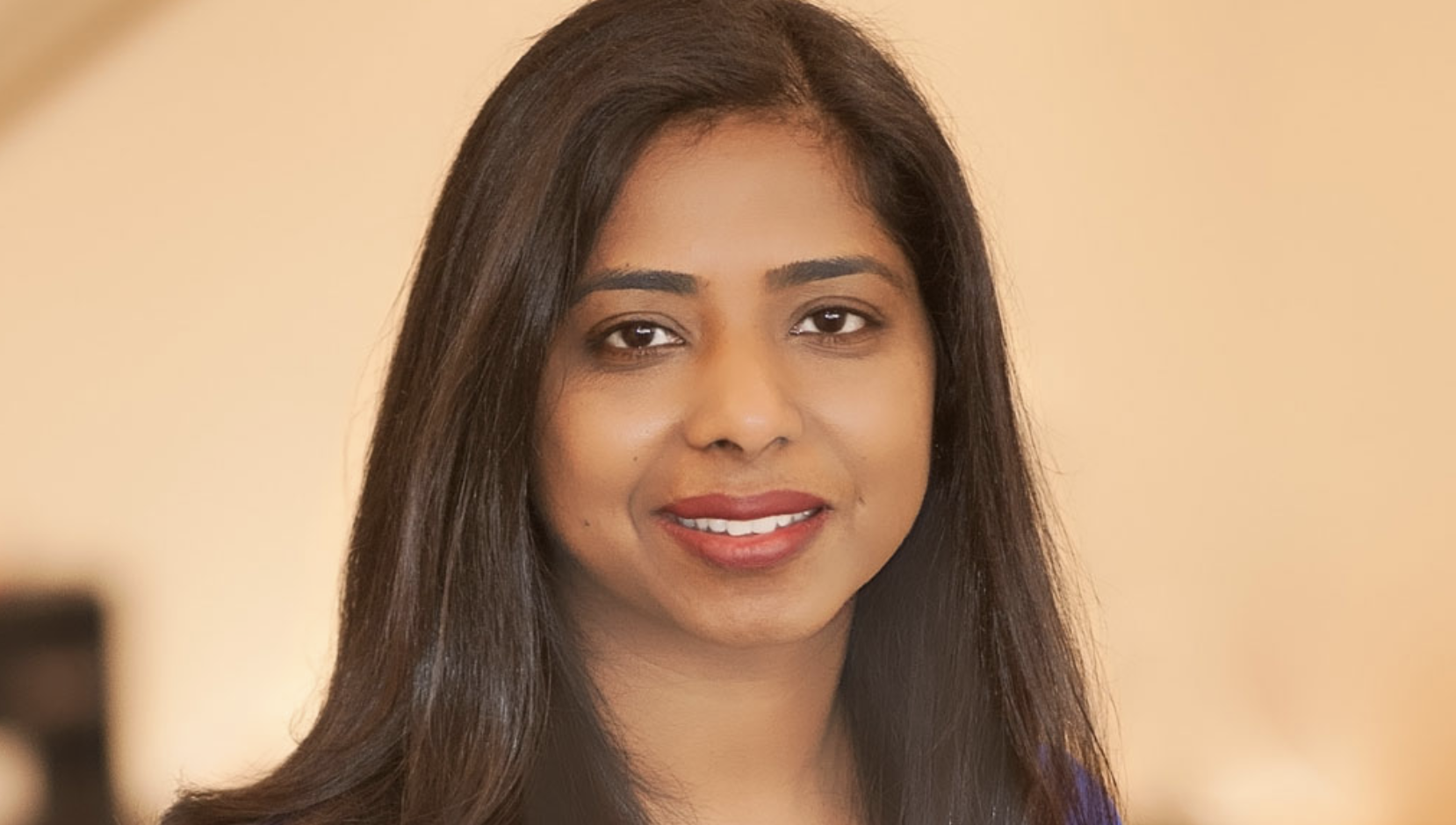
Ritu Narayan led product management at stalwart tech companies, including Yahoo and eBay, but her biggest challenge eventually became how to ensure that her kids got to where they needed to go during her working hours. She knew she wasn’t alone; there are roughly 73 million children under age 18 in the U.S., many of whom are driven around by frenzied parents who are trying to make it through each day.

Enter Z?m, a now 3.5-year-old company that promises reliable transportation and care for children ages five and older. Z?m isn’t the first kind of Uber for kids. In fact, another competitor, Shuddle, shuttered in 2016 after burning through more than $12 million in funding. But Narayan’s company appears to be doing something right. Earlier this year, Z?m raised $19 million in Series B funding, including from earlier backer Sequoia Capital, which is famously metric driven.

The company has now raised $26.8 million altogether.

Daniela Perdomo, co-founder and CEO, goTenna

When Hurricane Sandy cut off power in and around New York City in the fall of 2012, Daniela Perdomo and her brother, Jorge, were struck by the need for a network that would enable people to call or text even when there’s no Wi-Fi or cell signal. Today, that company, goTenna, is taking off, powered by an early device it created that pairs with a cell phone via Bluetooth to transmit messages using radio frequencies, along with a newer version of the device that allows them to create a kind of mesh network.

To date, the company has sold more than 100,000 units of its devices. It has raised roughly $17 million from VCs. In May, the company also partnered with an outfit called Samourai Wallet to launch an Android app that, beginning this summer, will enable users to send bitcoin payments without an internet connection. The move could prove crucial for some of its customers, particularly in disaster areas.

Chloe Alpert, CEO and co-founder of Medinas Health
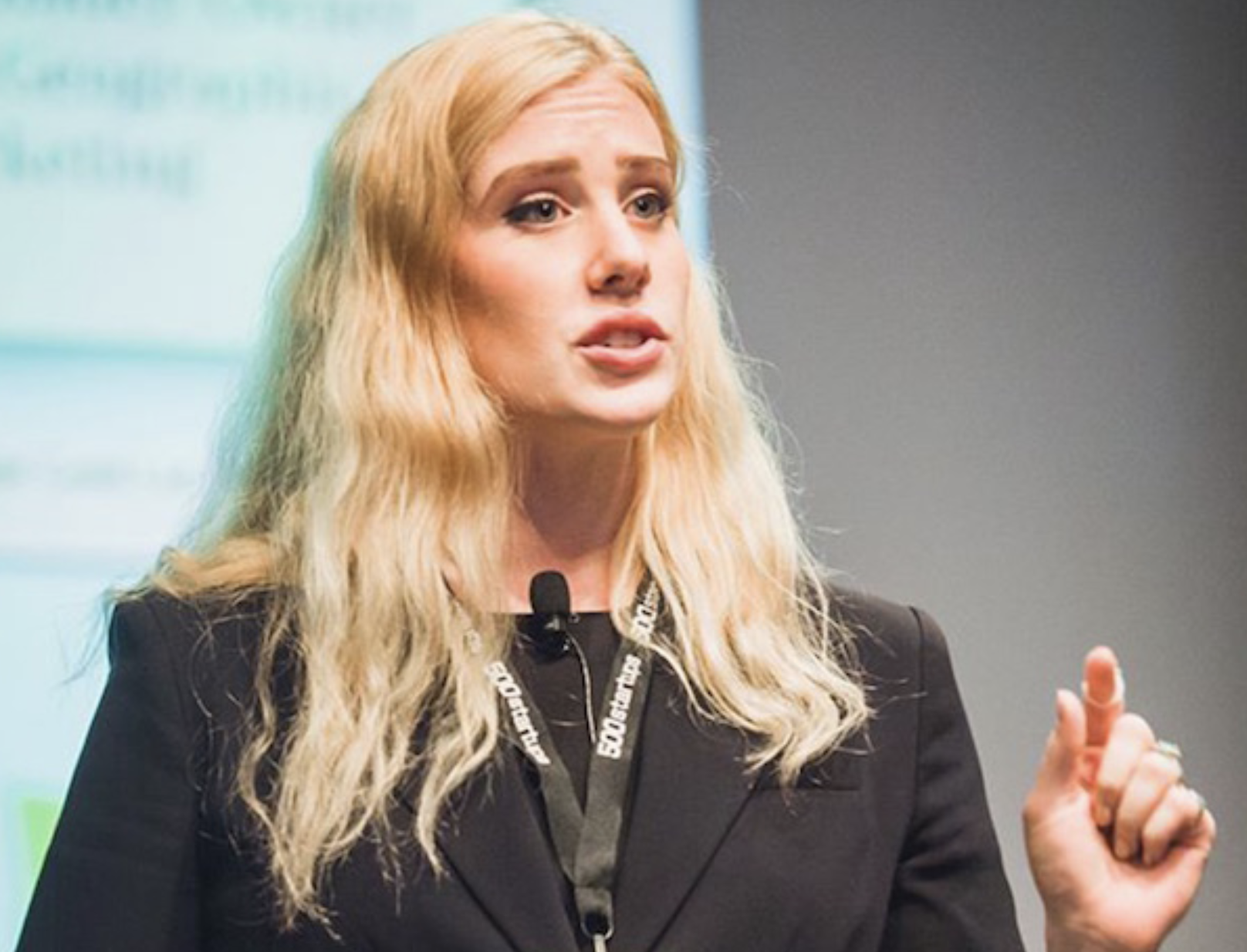
Hundreds of billions of dollars’ worth of surplus medical supplies are discarded every year, according to Chloe Alpert, the founder of Medinas Health, a Berkeley, Calif.-based startup that uses inventory data and matching software to help big hospitals sell excess equipment to small clinics and nursing homes.

Alpert thinks Medinas can create cost savings for both sides by creating something that’s fast and trustworthy and working with third parties who can disassemble, ship and re-assemble medical equipment.

Investors believe her surplus marketplace has a shot. Her 10-month-old company raised $1 million in funding earlier this year, including from Sound Ventures, Rough Draft Ventures, Precursor Ventures and Trammell Ventures.

Phaedra Ellis-Lamkins, co-founder of Promise
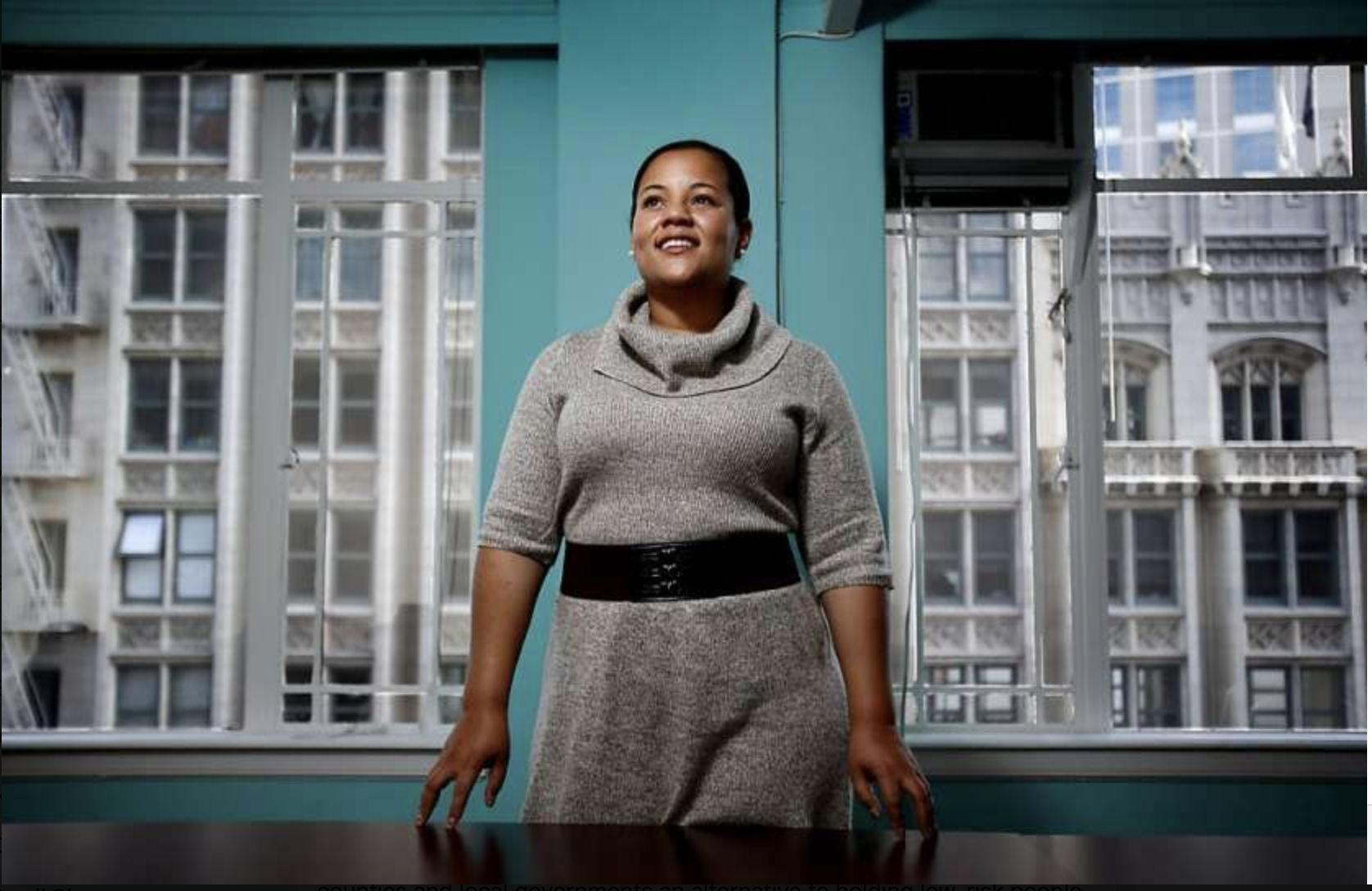
Phaedra Ellis-Lamkins was raised by a single mom who occasionally fed her two daughters with food stamps before a union job enabled the three to escape welfare. But that formative experience made a lasting impact. In fact, after graduating from college, Ellis-Lamkins worked for a union that helped organize low-wage home care. By the time she was 26, she was head of the San Jose-based South Bay Labor Council.

Ellis-Lamkins is far from done in her work to ensure that the disadvantaged can prosper. Her newest project: working in partnership with governments that release people from jail on condition that they work with her company, Promise. The big idea: Promise provides support to people caught in the criminal justice system to ensure they can return to their jobs and families until their case in resolved, rather than remain incarcerated because they can’t afford bail. The latter scenario happens all too often, agree VCs. Toward that end, earlier this year a handful of investors — including First Round Capital, Jay-Z’s Roc Nation, 8VC and Kapor Capital — provided Promise with $3 million to help put an end to it.

Jesse Genet, founder and CEO of Lumi

In 2014, Jesse Genet was trying to convince a panel of investors on “Shark Tank” to write her a $250,000 check for five percent of her company, which, at the time, sold photo printing kits online. Genet left empty-handed, but she didn’t give up, instead turning her company, Lumi, into a business that designs and supplies beautiful packaging for many top e-commerce companies that sell directly to consumers. It also landed $9 million in funding earlier this year led by Spark Capital, with participation from Forerunner Ventures and earlier investor Homebrew.

It’s been a process, but Genet seems to have anticipated it would be, telling Business Insider back in 2015, “One key thing is not to rush your own business . . . Even if you’re not making a ton of money, that experience of just living the company day-in and day-out, getting that feedback and experience, is something you can never replace.”

Sarah Guo, general partner, Greylock Partners

Sarah Guo didn’t necessarily set out to become a venture capitalist. She certainly didn’t imagine she would become one of the most senior investors at one of the oldest venture firms in the country. Yet Guo is both of these things, having been promoted last month to general partner at 53-year-old Greylock Partners five years after joining the firm as a principal.

For Guo, the appointment caps a lifetime spent in the world of startups. Before joining Greylock, she worked as an analyst at Goldman Sachs, where she led much of the bank’s coverage of business-to-business tech companies and advised public clients, including Twitter, Netflix, Zynga and Nvidia.

A graduate (for both her undergraduate degree and MBA) of the University of Pennsylvania, Guo also worked previously at Casa Systems, a 15-year-old tech company that develops a software-centric networking platform for cable and mobile service providers and that — in a twist that we think is pretty neat — was founded by her parents.

Charlotte Fudge, founder and CEO of CentralReach

CentralReach builds practice management software for the developmental disabilities sector, with a focus on both research and practice. It isn’t the kind of company to make headlines, but the five-year-old, Pompano Beach, Fla., company managed to attract the attention of powerhouse firm Insight Venture Partners. Insight invested an undisclosed amount of funding in the company earlier this year, some of which CentralReach has already used to acquire Chartlytics, a behavioral change analytics software startup.

For Charlotte Fudge — a registered nurse who founded CentralReach and continues to lead it as its CEO — the developments have to be exciting. She has spent her career focused on people with autism and related disabilities; having the deep-pocketed support of an investor will presumably help her company reach more people than ever.

Emily Weiss, founder and CEO of Glossier

Emily Weiss has been called the “millennials’ Estée Lauder.” It didn’t take long for her to get there, either. Indeed, a little more than three years ago, Weiss was still overseeing highly popular blog Into the Gloss when an early meeting with Kirsten Green of Forerunner Ventures helped move Weiss in a new direction: that of selling beauty products that cost a fraction of what some traditional brands charge and are pared back in every other way, too.

Customers are fanatical about the company, whose Instagram counts 1.2 million followers and counting. Investors love the company’s look, too. In February, Glossier closed on $52 million in Series C funding in a round that it characterized as oversubscribed. The company has now raised $86 million altogether.

Anne Boden, founder and CEO of Starling Bank

There are powerful women in banking; there are powerful women in tech. Anne Boden is among a small but growing number of powerful women who are straddling both worlds, and her influence seems to grow by the month. The former COO of Allied Irish Banks and a former top executive at RBS and ABN AMRO before that, Boden is now founder and CEO of Starling Bank, a digital-only outfit that does its lending via smartphones, gained its U.K. banking license in 2016 and has big ambitions to expand across much of Europe.

Indeed, as rival challenger bank Revolut eyes the U.S., Starling — which has already raised a reported £48 million by hedge fund manager Harald McPike — is currently looking to raise another £80 million in fresh capital in an investor search that could potentially extend beyond the U.K. The company also quietly blew up a partnership with the fintech unicorn TransferWise, which it had partnered with last year to provide international payments capabilities. As Boden told TechCrunch last month of the move, Starling figured it “could provide a better user experience by doing it ourselves.”

Shruti Merchant, cofounder and CEO of HubHaus

When Shruti Merchant dropped out of a med school program in Concord, Calif., to move 40 miles away to San Francisco, she didn’t know anyone, so she and six other people who discovered each other on Craigslist rented a big house together and . . . they became great friends in the process. Merchant was already trying her hand at entrepreneurship, but the experience made her think a bigger idea might center on managing such co-living situations, so she co-founded HubHaus to do exactly that.

So far, so good, it seems. HubHaus, which rents out large houses and subleases out bedrooms, creating housing communities in the process, now oversees dozens of properties in L.A. and San Francisco. It also raised $10 million in Series A funding earlier this year, led by Social Capital.

Kathy Hannun, co-founder and CEO of Dandelion
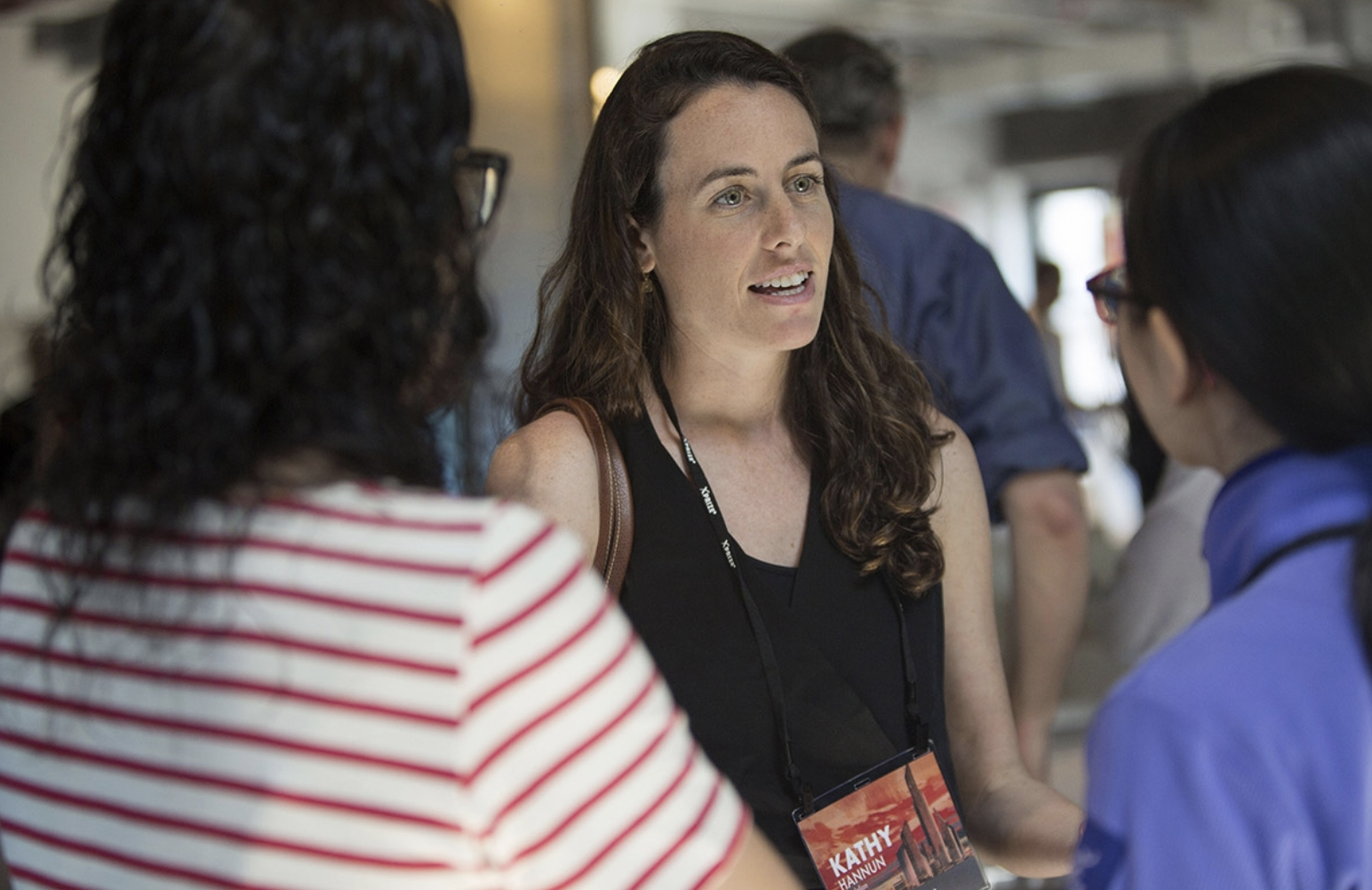
Nearly straight out of college, Kathy Hannun was brought onto the evaluation team of Alphabet’s X group, which is responsible for coming up with the next “moonshots” for the company. Eventually, she and several colleagues spied an opportunity too good not to pursue independently. The end result: Dandelion Energy, which says it makes “geothermal heating and air conditioning so efficient, it pays for itself.”

Investors certainly don’t mind relying on Dandelion. New Enterprise Associates, BoxGroup and others provided the year-old, Brooklyn-based company with $4.5 million in fresh funding earlier this year, bringing its total funding to $6.5 million to date. The day after the new round closed, Hannun had a baby.

Ran Ma, co-founder and CEO of Siren

Ran Ma spent years as a biomedical engineer at Northwestern University and, before that, as research assistant at Johns Hopkins Hospital, working in nephrology, including as it relates to kidney disease. In those roles, Ma learned plenty, including that kidney disease impacts up to 40 percent of diabetics, and that diabetes afflicts roughly 400 million people — a giant percentage of whom are unable to feel pain from ulcers and gangrene, which can lead to amputations.

It’s those kinds of stats that compelled her to start Siren, a three-year-old, Copenhagen- and San Francisco-based company that’s making textile products that empower their wearers, starting with machine-washable and dryer-proof socks that can measure a wearer’s foot temperature to show him or her what’s going on through a connected app. (A heat spot, for example, can signal a burgeoning infection.) Investors certainly like Ma’s approach to helping diabetics detect potential injuries before they become debilitating. They provided the company with $3.4 million in funding earlier this year. Among those footing the bill: DCM, Khosla Ventures and Founders Fund.

Nicki Ramsay, founder and CEO of CardUp

After spending roughly eight years with American Express in a variety of roles, Nicki Ramsay spied an unmet need. Specifically, AmEx customers couldn’t use their credit cards to pay for rent or taxes, among other things. Her solution: CardUp, a company that enables users to set up recurring payments to use their credit cards, from Citi, Visa, MasterCard and elsewhere, to pay for everything from rent to car loans to insurance to — in the case of small business owners — employees’ salaries, all while earning rewards. (Why just pay your rent, when you can pay your rent and get 70,000 air miles in the process?)

Investors clearly like the idea of providing incentives to users willing to use their credit cards as a financing tool. In March, Sequoia India and the seed-stage venture firm SeedPlus gave Singapore-based CardUp $1.7 million in seed funding, money it is using to grow its staff, as well as market itself to a growing number of small- and medium-size businesses.

Gwyneth Paltrow, founder and CEO of Goop
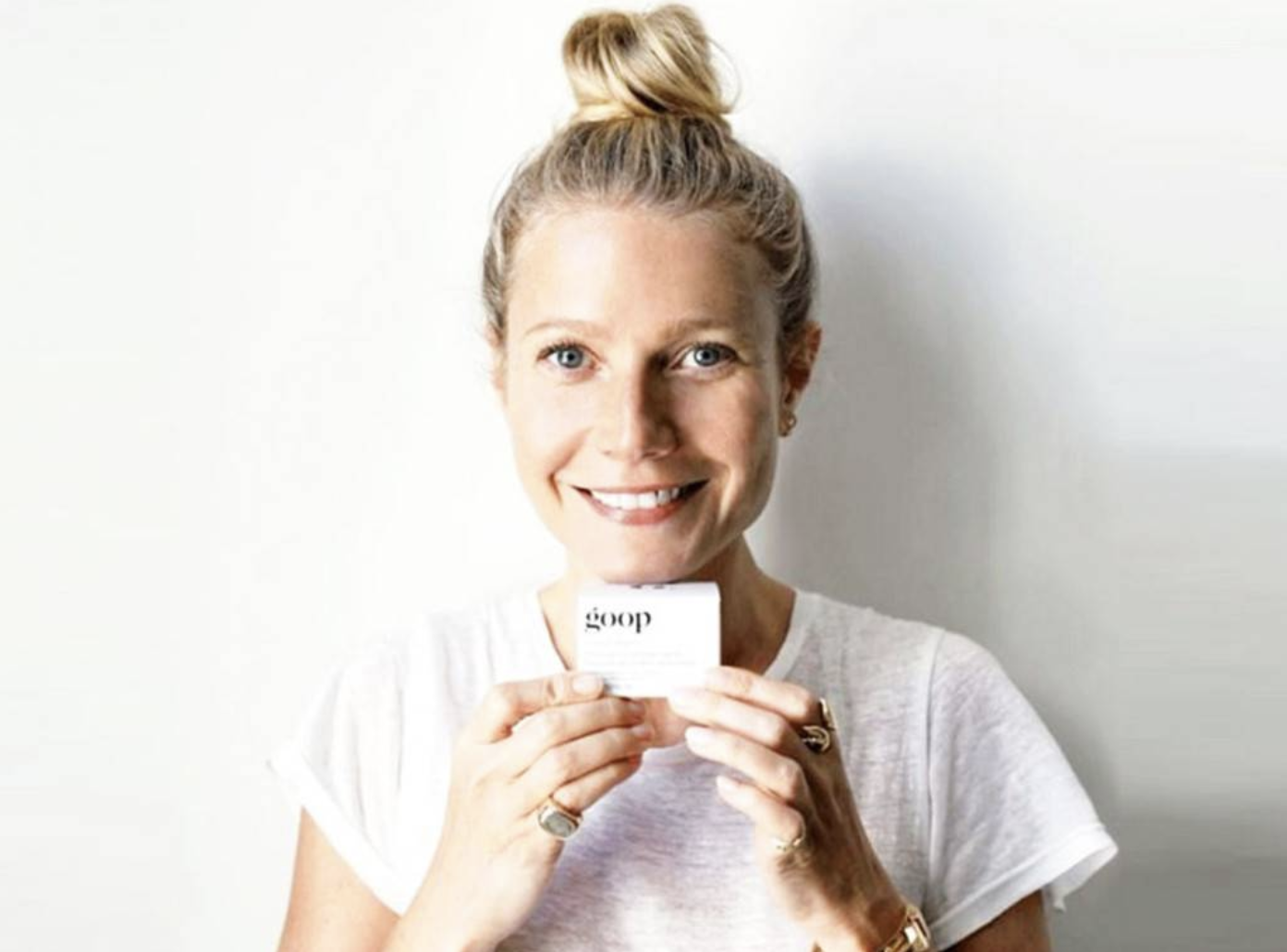
Goop, the wellness newsletter-turned-media and e-commerce company founded a decade ago by actress Gwyneth Paltrow, gets plenty of grief for its highly unscientific advice around vaginal steaming and the dangers of bras. Perhaps most famously, it has marketed jade eggs to its followers, suggesting that they put them in their vaginas to cultivate their sexual energy.

While funny to a great many people, Paltrow may get the last laugh. In March, her 150-person company raised $50 million in Series C funding from new and earlier backers, including New Enterprise Associates, Lightspeed Venture Partners and Fidelity, money that Goop intends to use to expand internationally, including through experiential retail, “image events” and through good-old-fashioned marketing.

Naomi Hirabayashi and Marah Lidey, co-founders of Shine

While Naomi Hirabayashi and Marah Lidey worked together at a nonprofit in New York, they formed their own personal support system with each other and close friends; they wanted to create something like it for others, too. There were already plenty of self-care apps, but none reflected their experience as women of color. As Hirabayashi told TechCrunch earlier this year, “We saw there was something missing in the market because well-being companies didn’t really reach us — they didn’t speak to us. We didn’t see people that looked like us. We didn’t feel like the way they shared content sounded like how we spoke about the different well-being issues in our lives.”

The product they settled on would become Shine, a startup that sends users a daily text with actionable tips around confidence, daily happiness, mental health and productivity to help them get through the day. Investors are feeling good about Shine, too, seemingly. Two years after raising seed capital, the company nabbed $5 million in Series A funding in April led by earlier backer Comcast Ventures, with participation from numerous other outfits, including The New York Times.

Ankiti Bose, co-founder and CEO of Zilingo

Ankiti Bose is the rare female founder in Asia’s startup scene, but that fact doesn’t seem to be slowing down her company in any way. Rather, Zilingo, an e-commerce startup that recreates online the experience of visiting Southeast Asia’s bazaars, raised $54 million in fresh funding in an April round that brings the company’s total funding to $82 million.

Why are investors so enthusiastic? Bose’s background — she worked both as a McKinsey analyst in Mumbai and later an as investment analyst for Sequoia Capital in Bangalore — certainly helps. But so does the market she is chasing. By providing a way for independent merchants to operate online storefronts, Zilingo is managing to compete effectively against the likes of Amazon in what’s expected to be an $88 billion market by 2025.

Aditi Avasthi, founder and CEO of Embibe

Five years ago, Aditi Avasthi decided to apply what she’d learned about economics at the University of Chicago and two years at Barclays to help students in her home country of India. The result was Embibe, a Bengarulu, India-based online coaching startup that tries to address not only access but also under-performance by taking a forensic approach to everything a student does online and trying to reach them when and where they most need help. The idea is to deliver far more accurate feedback — while simultaneously having to rely on fewer teachers.

Avasthi must be on to something. Earlier this year, the Indian conglomerate Reliance paid out $180 million to the company in exchange for a 73 percent stake in the business, a part of which came from Embibe’e earlier investors. It was a big win for these backers, Kalaari Capital and Lightbox, which appear to have provided Embibe with just $4 million in backing. Of course, it’s none too shabby a development for first-time founder Avasthi, either.

Katie Haun, general partner at Andreessen Horowitz
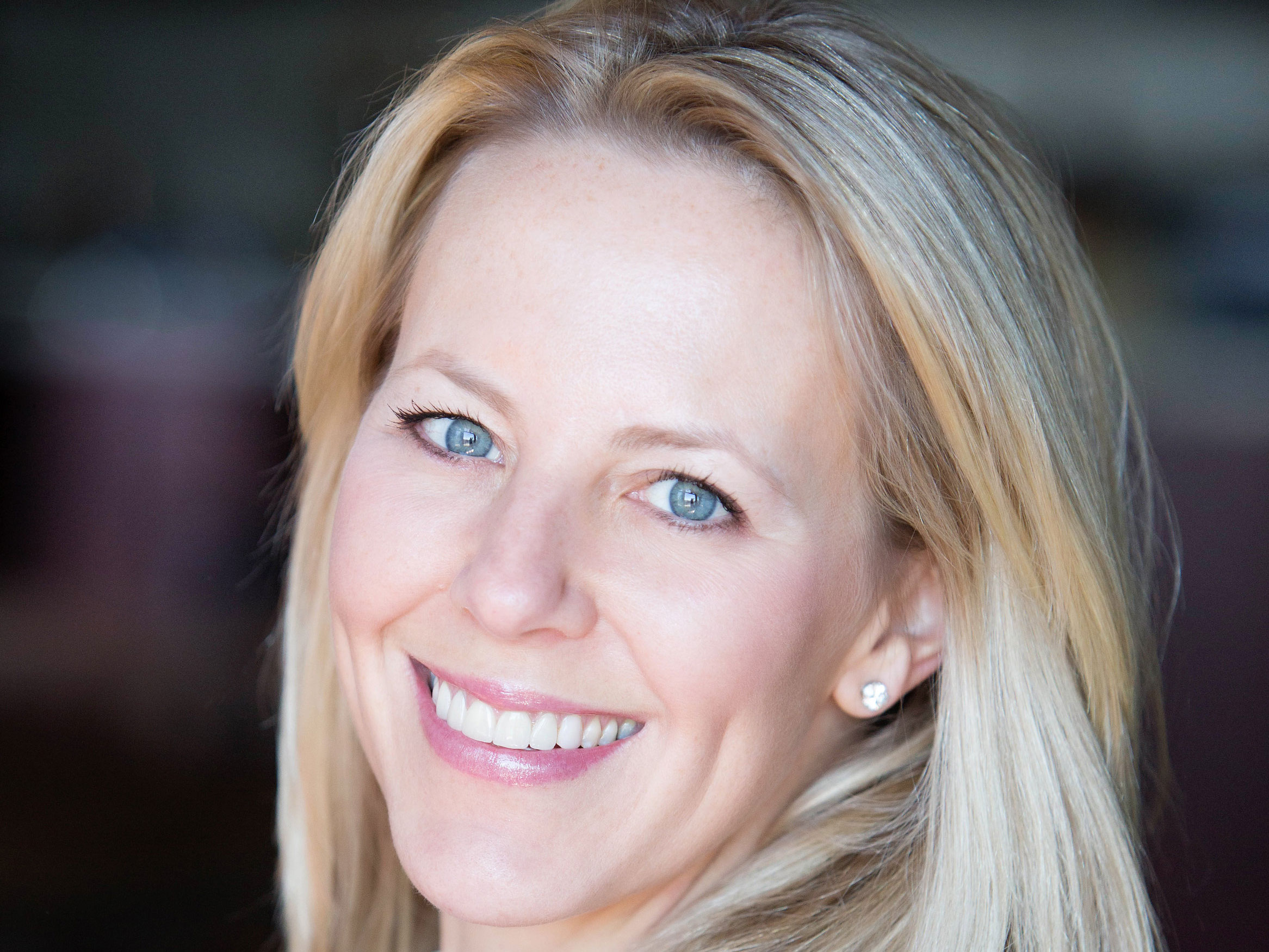
Earlier this week, nine-year-old Andreessen Horowitz (a16z) announced its first female general partner: Katie Haun, whose star has quietly been rising in the Bay Area over for the past couple of years. Haun, who is leading Andreessen’s new $300 million crypto fund with general partner Chris Dixon, is kind of a big deal, so it’s no surprise that a16z nabbed her.

Among her other many accomplishments, Haun spent more than a decade as a federal prosecutor with the U.S. Department of Justice, where she focused on fraud, cybercrime and corporate compliance no-nos alongside the SEC, FBI and Treasury. According to Haun’s bio, she also was the DOJ’s first-ever coordinator for digital assets, and she led investigations into the Mt. Gox hack and the task force that investigated and ultimately took down the online drug marketplace Silk Road. Haun is also a lecturer at Stanford Business School and she’s a director on the board of the digital exchange Coinbase, which was backed early on by a16z.

Sara Mauskopf and Anne Halsall, co-founders of Winnie
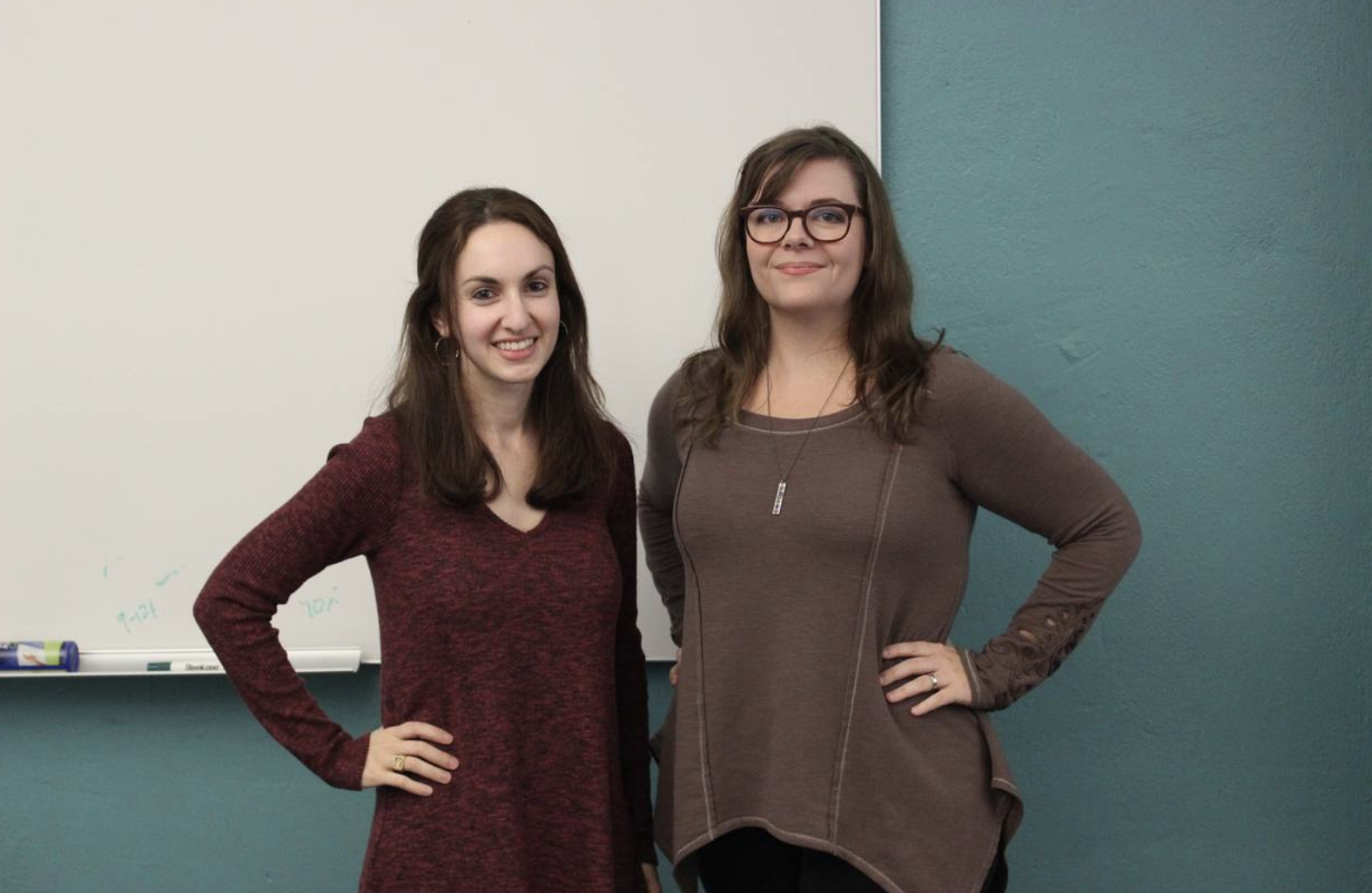
Sara Mauskopf and Anne Halsall know how to build products. Mauskopf spent most of the last decade working on products at Twitter, Postmates, YouTube and Google, while Halsall was doing much the same at Postmates, Quora and Google. No wonder that when the two came together to create Winnie — a mobile app that offers parents information about nearby kid-friendly places, what sort of facilities for families a location may have and, more recently, an online community where parents can ask questions and participate in discussions — investors took notice, investing $2.25 million in the company two years ago.

They haven’t lost interest. Instead, the now two-and-a-half-year-old app, which has reportedly surpassed one million users, just locked down a fresh $4 million in seed funding earlier this week, led by Reach Capital. Winnie has now raised $6.5 million altogether.

Falon Fatemi, founder and CEO of Node
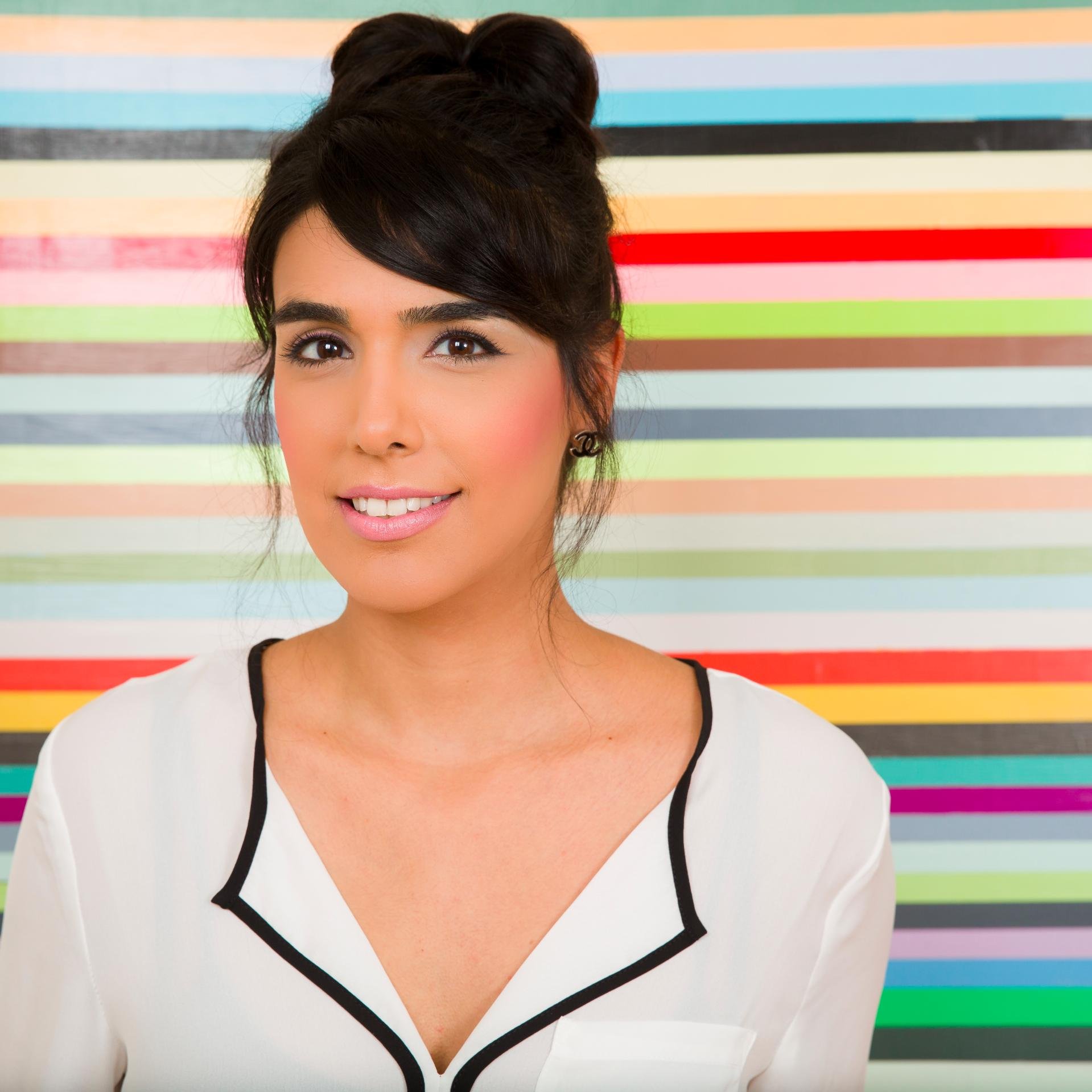
Falon Fatemi used to take pride in becoming Google’s youngest employee at age 19. But after logging four years with the search giant and another two years at YouTube, Fatemi is making her mark by building her four-year-old startup, Node, into an ever-growing operation.

Just in April, the company — which makes an AI-driven search tool that helps people understand who in their professional network can be the most helpful at any one point in time and why — raised $5 million in fresh funding from Recruit Strategic Partners and Jeffrey Katzenberg’s WndrCo. The round brings Node’s total funding to $21 million altogether.

Renee Wang, founder and CEO of Castbox

Renee Wang was born in China and reportedly attended a boarding school in the rural countryside outside Beijing, tutoring her fellow students — while also teaching herself to code. Indeed, after graduating from Peking University with a double major, Wang found herself at Google, where she worked for the company in Tokyo for more than four years. It was there, from inside the search giant’s operations, that she could see spikes in user searches for podcast content and decided there was room for an app to dominate the space.

Enter Castbox, an app that uses natural language processing and machine learning techniques to power some of its unique features, like personalized recommendations and in-audio search. The app is also capable of suggesting what to listen to next based on users’ prior listening behavior, and its in-audio search feature actually transcribes, indexes and makes searchable the audio content inside podcasts. With so much going on, it’s no wonder investors are listening. In April, they gave Castbox $13.5 million in Series B funding. Altogether, it has raised $29.5 million.

Laura Deming, partner of Longevity Fund

Photo: Maarten de Boer/Getty Images

Twenty-four-year-old Laura Deming is younger than most of her venture capital peers, but she’s taken seriously nonetheless — and it’s no wonder. The New Zealand native was home-schooled, developing along the way a fascination with the biology of aging. In fact, before she was even a teenager, she found herself working in the lab of Cynthia Kenyon, a renowned molecular biologist who specializes in the genetics of aging. By the time she was 14, Deming was a student at MIT, and by age 16, she was a college-drop out, having been accepted into Peter Thiel’s two-year-old Thiel Fellowship program, which gives $100,000 to young people “who want to build new things.”

Build things, she has done. Last year, Deming closed her second venture capital fund with $22 million. Earlier this year, Deming took the wraps off an accelerator program, too, one with backing from famed investor Marc Andreessen, the early-stage venture firm Felicis Ventures, and other, unnamed investors. The idea is to help startups, especially those focused on late-onset medical conditions get to a significant “value inflection point” within four months, which is how long the program runs.

Amazon’s Echo Dot Kids Edition adds support for Spotify

Amazon is addressing one of the larger issues with its Echo Dot Kids Edition — support for Spotify’s streaming music service, with the option to filter out explicit lyrics. The news was announced on Friday alongside new content from Disney for the Kids Edition device. However, Amazon says the Spotify support would not be available until next week.

Lack of access to one of the most popular streaming services was one of my personal critiques with the Kids Edition. As a Spotify household, it was hard to use the device here because of its limited support for music services outside Amazon and iHeartRadio Family. Our favorite playlists and music was not available, because we don’t pay for Amazon’s on-demand music service. This will be a welcome change.

When Spotify is enabled, Amazon says the explicit filter will also be turned on by default — but parents can turn it off on their FreeTime dashboard.

Along with the support on the Kids Edition device, the update will also now allow Spotify customers who don’t subscribe to FreeTime the option to turn off explicit lyrics, as they already can do with Amazon Music and Pandora.

In addition, Amazon says the Echo Dot Kids Edition is gaining a host of new content from Disney this week and next.

It has already added a new kids skill called Disney Dailies that includes jokes and sketches taking place in the “Zootopia” world, which are updated every day.

Next week, there also will be new character alarms featuring characters from Pixar’s “Coco,” Disney’s “Moana” and others. And Disney has updated its Daily Stories with stories from “Incredibles 2,” “Doc McStuffins,” “Wall-E,” “Moana” and more.

The Kids Edition is a combo package of an Echo Dot with a protective case and a year of FreeTime Unlimited, which includes exclusive Alexa skills for Kids Edition owners, as well as other content, like games, apps, books and videos. It’s $79.99 on Amazon.