This is how much VCs are paid

Venture capital is known for being an opaque industry, so it’s no surprise most of us have no idea what the average VC earns in a year.

I got a closer look at the survey results of J. Thelander Consulting‘s annual venture firm compensation survey and, unsurprisingly, VCs make a lot of money.

Just how much? Well, of the 204 VCs surveyed (172 male and 32 female), the average general partner expects to make roughly $634,000 this year, including a bonus for 2017 performance.

The averages varied a bit depending on the size of the firm. VCs at firms with less than $250 million assets under management (AUM), for example, earn less than their counterparts at larger firms.


GPs, who sit at the top of the ranks at VC firms, have the largest compensation packages. Their yearly bonuses are, on average, larger than an associate’s, or entry-level investor’s, average base pay.

The survey didn’t parse out data from firms with billions AUM, aka the Sequoias, NEAs or Kleiner Perkins of the world. Those folks, if the above is any indicator, earn more.

Take note: This is all in addition to a VC’s carried interest, or percentage of a fund’s profits paid to firms’ partners.

NASA’s climate-monitoring space laser is the last to ride to space on a Delta II rocket

Update: ICESat-2 launch nominal and signal has been picked up! That’s 100 in a row for the Delta II.

This weekend, NASA is launching a new high-tech satellite to monitor the planet’s glacier and sea ice levels — with space lasers, naturally. ICESat-2 will be a huge boon for climatologists, and it’s also a bittersweet occasion: it will be the final launch aboard the trusty Delta II rocket, which has been putting birds in the air for nearly 30 years.

Takeoff is set for 5:46 AM Pacific Time Saturday morning, so you’ll have to get up early if you want to catch it. You can watch the launch live here, with NASA coverage starting about half an hour before.

Keeping track of the Earth’s ice levels is more important than ever; with climate change causing widespread havoc, precise monitoring of major features like the Antarctic ice sheet could help climatologists predict and understand global weather patterns.

Like Aeolus, which launched in July, ICESat-2 is a spacecraft with a single major instrument, not a “Christmas tree” of sensors and antennas. And like Aeolus, ICESat-2 carries a giant laser. But while the first was launched to watch the movement of the air in-between it and the ground, the second must monitor the ground through that moving air.

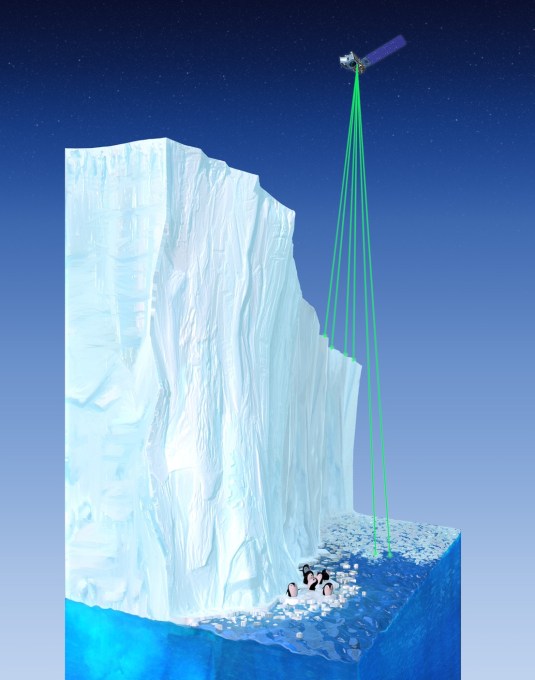
It does so by using an industrial-size, hyper-precise altimeter: a single, powerful green laser split into six beams — three pairs of two, really, arranged to pass over the landscape in a predictable way.

But the real magic is how those lasers are detected. Next to the laser is a special telescope that watches for the beams’ reflections. Incredibly, it only collects “about a dozen” photons from each laser pulse, and times their arrival down to a billionth of a second. And it does this 10,000 times per second, which at its speed means a pulse is bouncing off the Earth every 2.3 feet or so.

As if that wasn’t impressive enough, its altitude readings are accurate down to the inch. And with multiple readings over time, it should be able to tell whether an ice sheet has risen or fallen on the order of millimeters.

So if you’re traveling in the Antarctic and you drop a pencil, be sure to pick it up or it might throw things off.

Of course, it’s not just for ice; the same space laser will also return the exact heights of buildings, tree canopies and other features. It’s a pity there aren’t more of these satellites — they sound rather useful.

Although ICESat-2 itself is notable and interesting, this launch is significant for a second reason: this will be the final launch atop a Delta II rocket. Rocketry standby United Launch Alliance is in charge of this one, as it has been for so many others.

Introduced in 1989, the Delta II has launched everything from communication satellites to Mars orbiters and landers; Spirit and Opportunity both left the Earth on Delta IIs. All told, more than 150 launches have been made on these rockets, and if Saturday’s launch goes as planned, it will be the 100th successful Delta II launch in a row. That’s a hell of a record. (To be clear, that doesn’t mean 50 failed; but a handful of failures over the decades have marred the launch vehicle’s streak.)

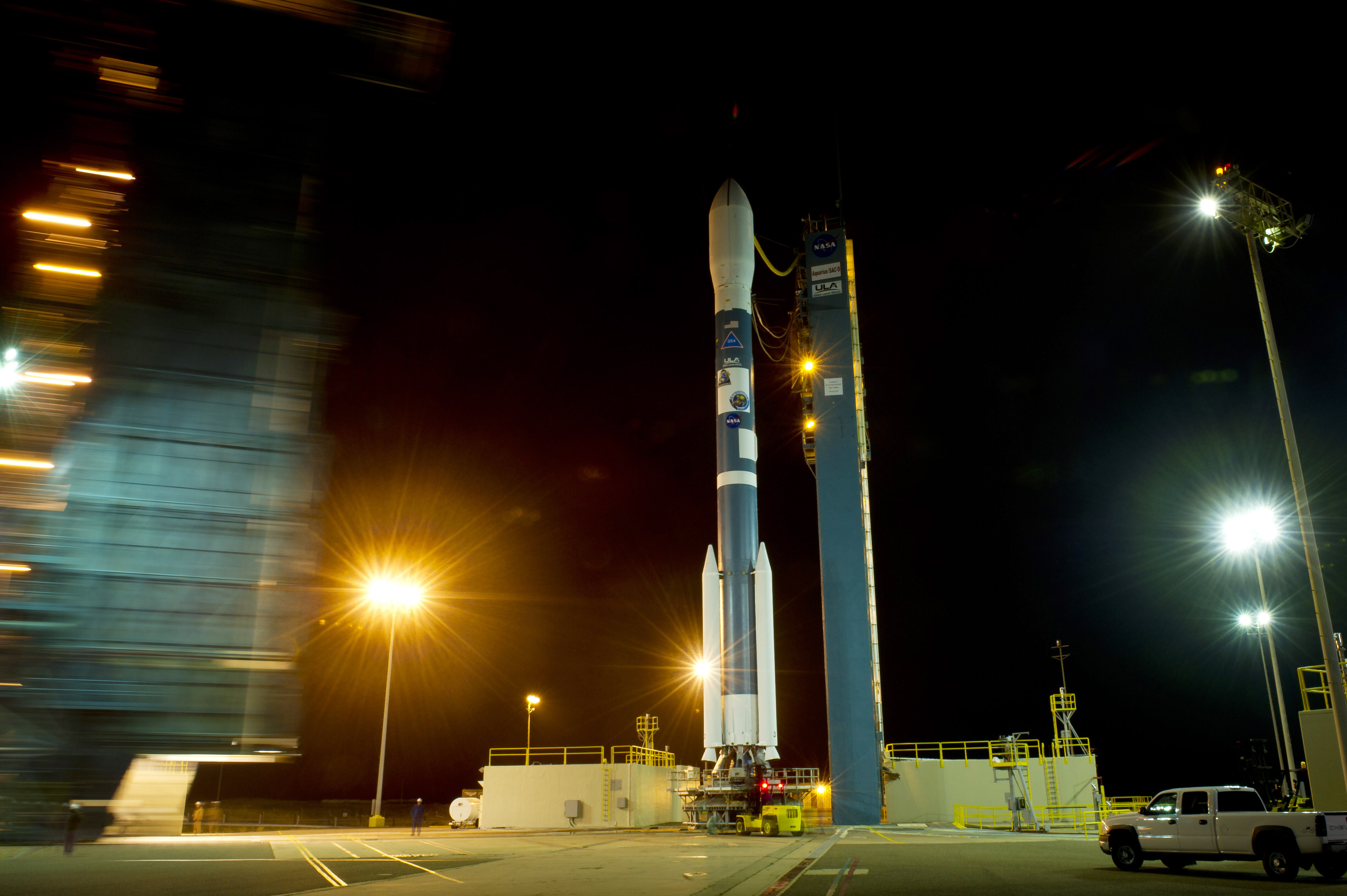
A Delta II launching for the Aquarius mission in 2011

One charming yet perhaps daunting idiosyncrasy of the system is that someone somewhere has to literally click a button to initiate takeoff — no automation for this thing; it’s someone’s job to hit the gas, so they better look sharp.

The ULA’s Bill Cullen told Jason Davis of the Planetary Society, for his epitaph on the rocket:

Yes, the Delta II engine start command is initiated by a console operator. The launch control system is 25 years old, and at the time this used a ‘person in the loop’ control which was preferred compared to the complexities of a fault-tolerant computer system.

So why are we leaving this tried and true rocket behind? It’s expensive and not particularly big. With a payload capacity of 4 tons and a cost (for this mission anyway) approaching a hundred million dollars, it’s just not a good value any more. Not only that, but Launch Complex 2 at Vandenberg Air Base is the only place left on Earth with the infrastructure to launch it, which significantly limits the orbits and opportunities for prospective missions. After ICESat-2’s launch, even that will be torn down — though hopefully they’ll keep the pieces somewhere, for posterity.

Although this is the last Delta II to launch, there is one more rocket left without a mission, the last, as it were, on the lot. Plans are not solid yet, but it’s a good bet this classic rocket will end up in a museum somewhere — perhaps standing upright with others at Kennedy Space Center.

Inside Planet Labs’ new satellite manufacturing site

Satellite imaging and analytics company Planet is taking the wraps off its new manufacturing space in San Francisco. Founded by ex-NASA employees, Planet is leveraging some of the $183 million in funding it’s amassed to expand. In the basement of a nondescript office building in the middle of Harrison Street in San Francisco, Planet is hard at work building low-orbit satellites that take images of our changing planet, and now the aerospace imaging company has more room to do so, claiming that the new facility is the most prolific satellite manufacturing spot in the world. 

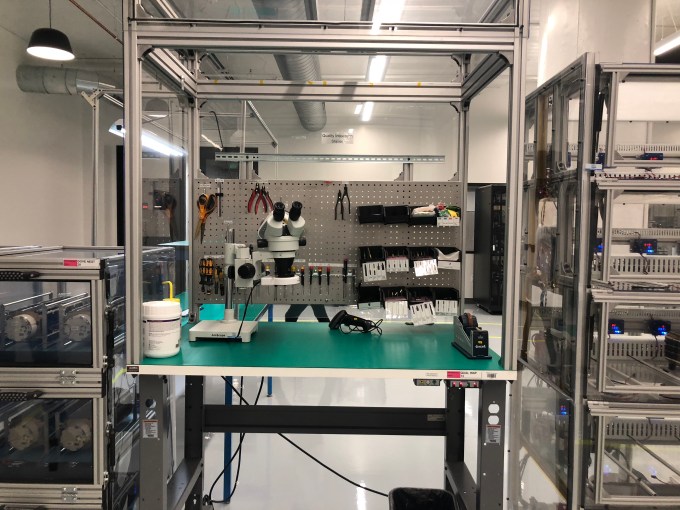
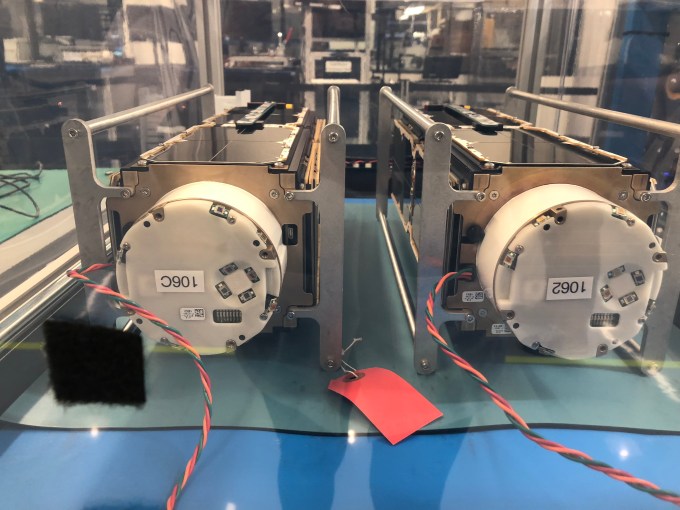
Inside the new 27,000-square-foot manufacturing site are satellite-building stations where Planet engineers piece together “doves,” as the machines are called. The new site is six times the size of their old factory, and with that new space Planet claims its engineers will produce up to 40 satellites/week. Fluorescent panels illuminate the industrial work stations, and the small satellites sit plugged into their “dove nests.”

Planet says their satellites can be built using only 10 tools

The way Planet builds satellites is different from how NASA or Lockheed Martin does. Planet operates off the idea that instead of building large, cumbersome machines that sit in space taking images with outdated technology and old sensors, many smaller satellites with a one to three-year lifespan can get the job done faster and provide better images of the Earth’s surface. With the new site, Planet will bring all aspects of spacecraft production — from R&D to manufacturing to testing — under one roof.

So what exactly do these satellites do? Each satellite can take two images per second, and Planet’s systems then work to classify images as water, coral, rivers, roads, infrastructure and forests. 

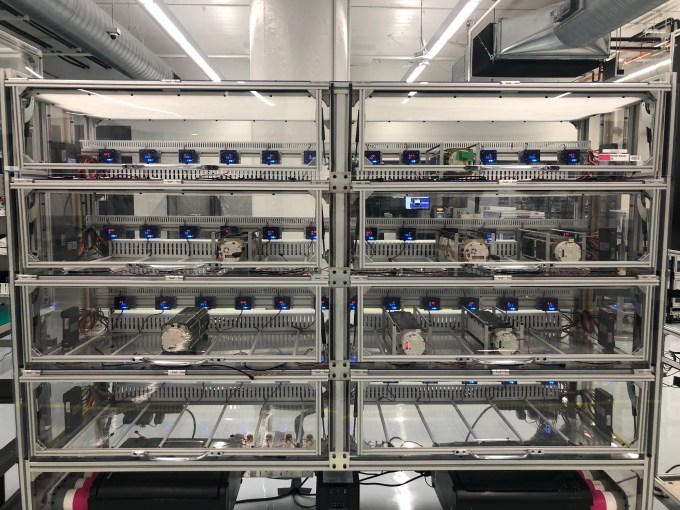
Doves in the dove nest

Planet’s philosophy is that “you can’t fix what you can’t see.” Partners in the defense, humanities and agriculture sectors are using data from Planet’s satellite fleet for projects like classifying deforestation in Brazil and detecting urban change in Tanzania. The satellites derive images from lesser traveled parts of the planet. The imaging systems have gathered data on the destruction of roads in Syria, and even recently detected the sudden appearance of a chemical lab in North Korea. One partner is using Planet data to measure coral reef destruction in Australia. 

In the past, Planet has worked with launch partners like SpaceX. However, this first fleet of satellites manufactured in the new facility will be shipped out to India for launch on the PSLV rocket next month. In four years, Planet has launched 298 satellites, 150 of which are currently in orbit collecting over 300 million square kilometers of imagery daily. 

Three years later, Let’s Encrypt has issued over 380 million HTTPS certificates

Bon anniversaire, Let’s Encrypt!

The free-to-use nonprofit was founded in 2014 in part by the Electronic Frontier Foundation and is backed by Akamai, Google, Facebook, Mozilla and more. Three years ago Friday, it issued its first certificate.

Since then, the numbers have exploded. To date, more than 380 million certificates have been issued on 129 million unique domains. That also makes it the largest certificate issuer in the world, by far.

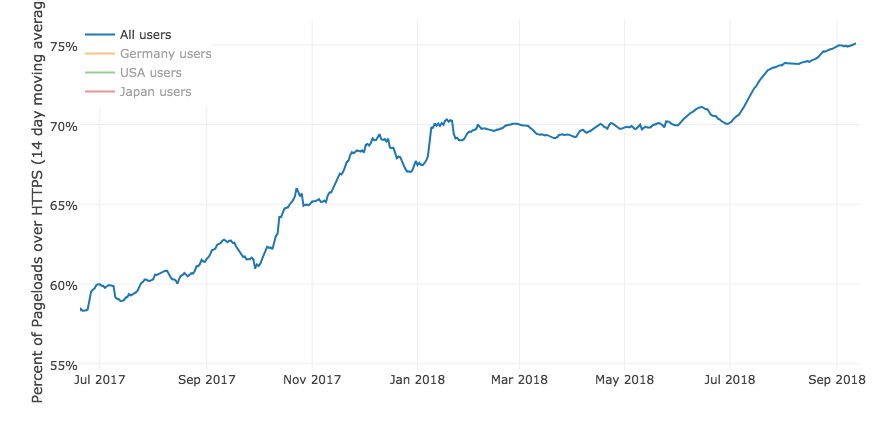
Now, 75 percent of all Firefox traffic is HTTPS, according to public Firefox data — in part thanks to Let’s Encrypt. That’s a massive increase from when it was founded, where only 38 percent of website page loads were served over an HTTPS encrypted connection.

“Change at that speed and scale is incredible,” a spokesperson told TechCrunch. “Let’s Encrypt isn’t solely responsible for this change, but we certainly catalyzed it.”

HTTPS is what keeps the pipes of the web secure. Every time your browser lights up in green or flashes a padlock, it’s a TLS certificate encrypting the connection between your computer and the website, ensuring nobody can intercept and steal your data or modify the website.

But for years, the certificate market was broken, expensive and difficult to navigate. In an effort to “encrypt the web,” the EFF and others banded together to bring free TLS certificates to the masses.

That means bloggers, single-page websites and startups alike can get an easy-to-install certificate for free — even news sites like TechCrunch rely on Let’s Encrypt for a secure connection. Security experts and encryption advocates Scott Helme and Troy Hunt last month found that more than half of the top million websites by traffic are on HTTPS.

And as it’s grown, the certificate issuer has become trusted by the major players — including Apple, Google, Microsoft, Oracle and more.

A fully encrypted web is still a ways off. But with close to a million Let’s Encrypt certificates issued each day, it looks more within reach than ever.

California is ‘launching our own damn satellite’ to track pollution, with help from Planet

California plans to launch a satellite to monitor pollution in the state and contribute to climate science, Governor Jerry Brown announced today. The state is partnering with satellite imagery purveyor Planet to create a custom craft to “pinpoint – and stop – destructive emissions with unprecedented precision, on a scale that’s never been done before.”

Governor Brown made the announcement in the closing remarks of the Global Climate Action Summit in San Francisco, echoing a pledge made two years ago to scientists at the American Geophysical Union’s 2016 meeting.

“With science still under attack and the climate threat growing, we’re launching our own damn satellite,” Brown said today.

Planet, which has launched hundreds of satellites in the last few years in order to provide near-real-time imagery of practically anywhere on Earth, will develop and operate the satellite. The plan is to equip it with sensors that can detect pollutants at their point sources, be they artificial or natural. That kind of direct observation enables direct action.

Technical details of the satellite are to be announced as the project solidifies. We can probably expect something like a 6U CubeSat loaded with instruments focused on detecting certain gases and particulates. An orbit with the satellite passing across the whole state along its north/south axis seems most likely; a single craft sitting in one place probably wouldn’t offer adequate coverage. That said, multiple satellites are also a stated possibility.

“These satellite technologies are part of a new era of environmental innovation that is supercharging our ability to solve problems,” said Fred Krupp, president of the Environmental Defense Fund. “They won’t cut emissions by themselves, but they will make invisible pollution visible and generate the transparent, actionable, data we need to protect our health, our environment and our economies.”

The EDF is launching its own satellite to that end (MethaneSAT), but will also be collaborating with California in the creation of a shared Climate Data Partnership to make sure the data from these platforms is widely accessible.

More partners are expected to join up now that the endeavor is public, though none were named in the press release or in response to my questions on the topic to Planet. The funding, too, is something of an open question.

The effort is still a ways off from launch — these things take time — but Planet has certainly proven capable of designing and launching on a relatively short timeframe. In fact, it just opened up a brand new facility in San Francisco dedicated to pumping out new satellites.

Senator claps back after Ajit Pai calls California’s net neutrality bill ‘radical’ and ‘illegal’

FCC Chairman Ajit Pai has provoked a biting senatorial response from California after calling the “nanny state’s” new net neutrality legislation “radical,” “anti-consumer,” “illegal” and “burdensome.” Senator Scott Wiener (D-CA), in response, said Pai has “abdicated his responsibility to ensure an open internet” and that the FCC lacks the authority to intervene.

The political flame war was kicked off this morning in Pai’s remarks at the Maine Heritage Policy Center, a free market think tank. You can read them in full here, but I’ve quoted the relevant part below:

Of course, those who demand greater government control of the Internet haven’t given up. Their latest tactic is pushing state governments to regulate the Internet. The most egregious example of this comes from California. Last month, the California state legislature passed a radical, anti-consumer Internet regulation bill that would impose restrictions even more burdensome than those adopted by the FCC in 2015.

If this law is signed by the Governor, what would it do? Among other things, it would prevent Californian consumers from buying many free-data plans. These plans allow consumers to stream video, music, and the like exempt from any data limits. They have proven enormously popular in the marketplace, especially among lower-income Americans. But nanny-state California legislators apparently want to ban their constituents from having this choice. They have met the enemy, and it is free data.

The broader problem is that California’s micromanagement poses a risk to the rest of the country. After all, broadband is an interstate service; Internet traffic doesn’t recognize state lines. It follows that only the federal government can set regulatory policy in this area. For if individual states like California regulate the Internet, this will directly impact citizens in other states.

Among other reasons, this is why efforts like California’s are illegal.

The bogeyman of banning zero rating plans has been raised again and again, but everyone should understand now that the whole thing is a sham — just another ploy by telecoms to parcel out data the way they choose.

The legal question is far from decided, but Pai has been crowing about a recent court ruling for a week or so now, despite the fact that it has very little to do with net neutrality. Ars Technica went into detail on this ruling; the takeaway is that while it is possible that the FCC could preempt state law on information services in some cases, it’s not clear at all that it has any authority whatsoever to do so with broadband services. Ironically, that’s because Pai’s FCC drastically reduced the FCC’s jurisdiction with its reclassification of broadband in Restoring Internet Freedom.

At any rate, more consequential legal challenges and questions are still in the works, so Pai’s jubilation is somewhat premature.

“The Internet should be run by engineers, entrepreneurs, and technologists, not lawyers, bureaucrats, and politicians,” he concluded. Odd then that those very engineers, entrepreneurs and technologists almost unanimously oppose his policy, while he — literally seconds earlier — justified that policy via the world of lawyers, bureaucrats and politicians.

Senator Wiener was quick to issue a correction to the Chairman’s remarks. In an official statement, he explained that “Unlike Pai’s FCC, California isn’t run by the big telecom and cable companies.” The statement continued:

SB 822 is necessary and legal because Chairman Pai abdicated his responsibility to ensure an open internet. Since the FCC says it no longer has any authority to protect an open internet, it’s also the case that the FCC lacks the legal power to preempt states from protecting their residents and economy.

When Verizon was caught throttling the data connection of a wildfire fighting crew in California, Chairman Pai said nothing and did nothing. That silence says far more than his words today.

SB 822 is supported by a broad coalition of consumer groups, groups advocating for low income people, small and mid-size technology companies, labor unions, and President Obama’s FCC chairman, Tom Wheeler. I’ll take that support over Ajit Pai any day of the week.

The law in question has been approved by the state legislature, but has yet to be signed by Governor Jerry Brown, who has another two weeks to consider it.

Twitch updates security for its TwitchCon event following the Jacksonville esports shooting

Twitch is today announcing changes to its security procedures for its TwitchCon event taking place in San Jose, California on October 26-28. The update follows news of the tragic shooting at an esports event in Jacksonville, Florida last month where three people died, including the shooter, and 11 were injured. Twitch said it would review its procedures as a result, and would soon have more information about what it’s doing to keep attendees safe.

Today, the company shared those plans.

Our highest priority at TwitchCon is attendee safety and security. We want to assure you that we are adding additional security measures on top of past event measures. We will have more detailed information on TwitchCon security in the coming days so stay tuned!

— TwitchCon 2018 (@TwitchCon) September 12, 2018

According to Twitch, it’s working with San Jose’s local law enforcement, convention staff and additional security services on the event.

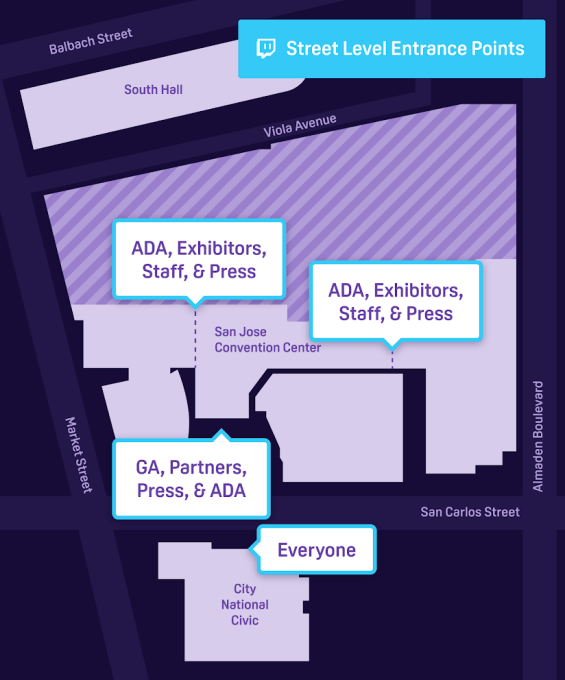
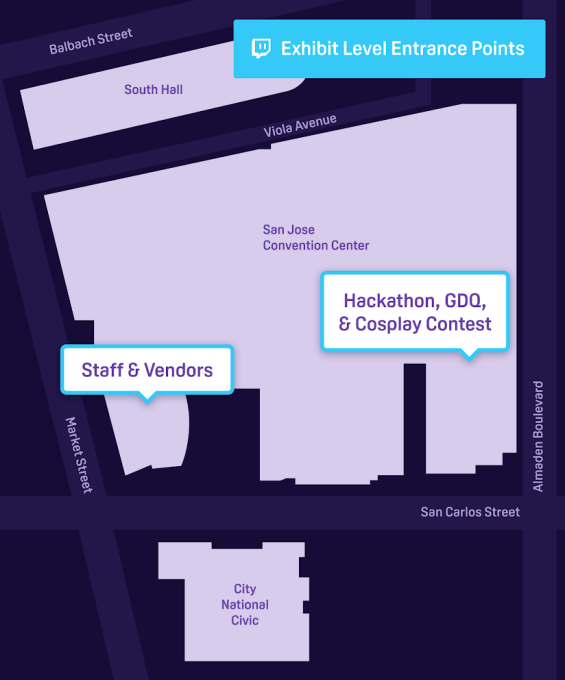
The conference will include bag searches and screenings at designated entrance points, and attendees will be limited to carrying just one bag.

The bag can be no larger than 12” x 15” x 6”, the company says.

Backpacks, luggage, large bags and bulky clothing will not be allowed. In addition, backpacks acquired at the show — even those that are Twitch-branded — will not be eligible for re-entry. There will be an on-site bag check available, but the company suggests that larger bags be left at home as space will be limited.

It says small fanny packs or clear bags will help attendees move through the security checkpoints faster.

Meanwhile, exhibitors will only be able to hand-carry their products and display materials in oversized bags and rollers before 8 AM on show days — that way there won’t be a way for people to bring in large bags when the event is underway.

Press will also have to wear their press badges, and crews that need to carry their large camera equipment will need to be approved.

Of course, the event has a no weapons policy as well, and anyone in violation will be removed without refund.

Badges must be worn at all times, and an ID or passport needs to be on hand, as well.

At first glance, the updated procedures don’t seem remarkably different from Twitch’s earlier policies.

The company’s security plan before Jacksonville had also included bag searches, walk-through or hand-held scanners, the use of uniformed guards, ID checks and the wearing of badges.

The biggest on-record change appears to be the backpack ban.

However, we understand the reference to Twitch’s closer work with law enforcement services and the “additional security services” is a reference to other changes that may not have been fully detailed. (We’d guess this is likely because Twitch doesn’t want to provide too much information to anyone trying to workaround its security procedures.)

The annual TwitchCon event brings together the Twitch community to play games, watch live esports, participate in hackathons and cosplay contests, attend sessions and hear from the company about what’s next for the live game-streaming service.

Last fall, for example, Twitch unveiled a new set of tools at TwitchCon that would allow creators to make money from their online channels.

However, the events in Jacksonville have had many of TwitchCon’s regular attendees concerned about event safety.

After all, the video game competition, taking place at the GLHF Game Bar in Jacksonville, Florida, had been live-streamed on Twitch when the shooting happened. Would a copycat try to get into Twitch’s conference?, some have wondered.

According to reports, the Florida shooter had been upset about losing two games of Madden earlier in the tournament, even refusing to shake hands with the winner after one game. Despite a history of mental illness, the shooter had been able to legally acquire his weapons. It wasn’t clear how he got them into the Jacksonville bar.

Sadly, mass shootings in the U.S. have now taken place at schools, movie theaters, churches, concerts, workplaces — even at YouTube —  and elsewhere. But they had not yet before occurred at an esports event.

The tragic event brought attention on the esports industry as a whole, which still sits somewhere outside of mainstream attention, despite Twitch having more than 2 million broadcasters and 15 million viewers who tune in daily to watch.

We are shocked and saddened by the tragedy that took place in Jacksonville today. Twitch and all its staff send our deepest sympathies to the victims, their loved ones, and everyone in our community who's grieving today.

— Twitch (@Twitch) August 26, 2018

Shortly after the tragedy, Twitch said it would make changes.

“Security at TwitchCon is our top priority and is something we take very seriously at all our events,” the company told TechCrunch in August. “We regularly review and iterate on our policies and approach in order to provide a safe and positive experience for staff, attendees, and exhibitors. In the wake of yesterday’s tragedy we will be re-reviewing our plans and updating them accordingly,” a spokesperson had said at the time.

The updated plans for TwitchCon are detailed on Twitch’s blog and its FAQ.

Image credit: Twitch

UK warns of satellite and space surveillance problems in case of Brexit ‘no deal’

The U.K. government says that access to satellites and space surveillance programs will suffer in the event of a “no deal” departure from the European Union .

Britain has less than six months to go before the country leaves the 28-member state bloc, after a little over half the country voted to withdraw membership from the European Union in a 2016 referendum. So far, the Brexit process has been a hot mess of political infighting and uncertainty, bureaucracy and backstabbing — amid threats of coups and leadership challenges. And the government isn’t even close to scoring a deal to keep trade ties open, immigration flowing and airplanes taking off.

Now, the government has further said that services reliant on EU membership — like access to space programs — will be affected.

The reassuring news is that car and phone GPS maps won’t suddenly stop working.

But the government said that the U.K. will “no longer play any part” of the European’s GPS efforts, shutting out businesses, academics and researchers who will be shut out of future contracts, and “may face difficulty carrying out and completing existing contracts.”

“There should be no noticeable impact if the UK were to leave the EU with no agreement in place,” but the U.K. is investing £92 million ($120 million) to fund its own U.K.-based GPS system. The notice also said that the U.K.’s military and intelligence agencies will no longer have access to the EU’s Public Regulated Service, a hardened GPS system that enhances protections against spoofing and jamming. But that system isn’t expected to go into place until 2020, so the government isn’t immediately concerned.

The U.K. will also no longer be part of the Copernicus program, an EU-based earth observation initiative that’s a critical asset to national security as it contributes to maritime surveillance, border control and understanding climate change. Although the program’s data is free and open, the U.K. government says that users will no longer have high-bandwidth access to data from the satellites and additional data, but admits that it’s “seeking to clarify” the terms.

Although this is the “worst-case scenario” in case of no final agreement on the divorce settlement from Europe, with just months to go and a distance to reach, it’s looking like a “no deal” is increasingly likely.

ChargePoint is adding 2.5M electric vehicle chargers over the next 7 years

Electric vehicles still make up just a fraction of the cars, trucks and SUVs on the road today. But that’s changing: The number of electric and plug-in hybrid cars on the world’s roads exceeded 3 million in 2017. By 2025, there are expected to be 20 million electric vehicles in just North America and Europe.

And that means the world is going to need a lot more chargers.

ChargePoint, the California startup that provides infrastructure for electric vehicles, said Friday it will expand its network of chargers nearly 50-fold over the next seven years. The company, which has more than 53,000 chargers in operation today, has committed to a global network of 2.5 million charging spots by 2025.

The majority of these new EV chargers will be evenly split between Europe and North America, with smaller percentages in Australia and New Zealand, the company said Friday at the Global Climate Action Summit.

ChargePoint has raised more than $292 million since its founding in 2007. It’s used the funds to add chargers to its network, including an expansion last year into Europe. The company secured an $82 million funding round, led by automaker Daimler in May 2017. A month later the company announced another $43 million in funding from German engineering giant Siemens to bolster its European expansion.

The network expansion comes at an auspicious time for automakers, a number of which are planning to roll out electric vehicles in the next several years. Tesla has its own network of chargers that it calls superchargers. The automaker has invested heavily to build out the network, which is now 1,342 stations with 11,013 superchargers globally.

Only Tesla vehicles can use that network, which aims to promote long-distance travel. Other automakers that are beginning to sell EVs will rely heavily on third-party EV providers like ChargePoint. It’s estimated that at least 40 new electric vehicle models will be introduced in the next five years. Jaguar will start delivering its first EV, the i-Pace crossover, to customers in the U.S. this fall. Audi plans to introduce its first electric vehicle, the e-tron, on Monday.

The new iPhone’s here, so Google wants to talk Pixel 3

In the off-chance you haven’t already had your fill of phone news for the week, Google just offered up a few friendly reminders that it’s got its own handset coming out in the not so distant future.

The company’s event isn’t happening until early next month, but Google’s started with the teasers. Here’s a site with a big number 3, while over here a “coming soon” placeholder shows off the rough outline of what one assumes is the new phone.

It’s pretty bare bones at the moment, but a click of the “G” logo unleashes a slow, steady stream of confetti. As Android Police handily notes, the phone’s silhouette is shown in three colors — black, white and a kind of mint green.

The former have already been leaked like crazy all over the internet. The pale green, on the other hand, could be a surprise — well, a “surprise,” I suppose. Companies love to whet the tech press’s collective palate with a hint or two.Though we’ve been burned in the past.

Remember when the popsicle wallpaper appeared to be a nod to the upcoming Android P name? The truth of the matter was a bit more dull. That said, there’s no shortage of Pixel 3 information out in the world right now. We’ve already seen about as much of the upcoming handset as we have Apple’s new devices.

Whatever the case, all will be revealed on October 9. 

The iPhone SE was the best phone Apple ever made, and now it’s dead

I only wanted one thing out of 2018’s iPhone event: a new iPhone SE. In failing to provide it Apple seems to have quietly put the model out to pasture — and for this I curse them eternally. Because it was the best phone the company ever made.

If you were one of the many who passed over the SE back in 2015, when it made its debut, that’s understandable. The iPhone 6S was the latest and greatest, and of course fixed a few of the problems Apple had kindly introduced with the entirely new design of the 6. But for me the SE was a perfect match.

See, I’ve always loved the iPhone design that began with the 4. That storied phone is perhaps best remembered for being left in a bar ahead of release and leaked by Gizmodo — which is too bad, because for once the product was worthy of the lavish unveiling Apple now bestows on every device it puts out.

The 4 established an entirely new industrial design aesthetic that was at once instantly recognizable and highly practical. Gone were the smooth, rounded edges and back of the stainless original iPhone (probably the second-best phone Apple made) and the jellybean-esque 3G and 3GS.
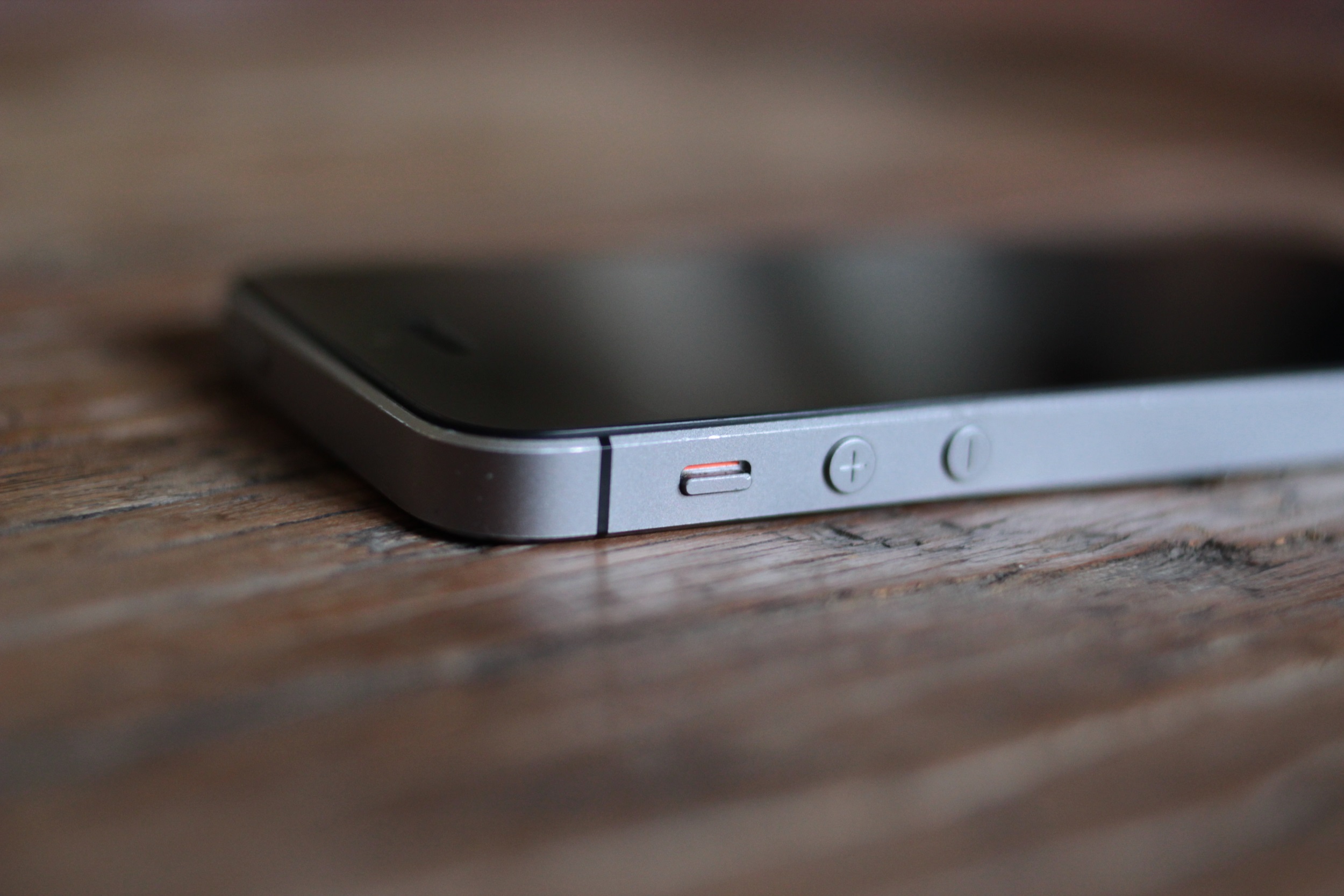
In the place of those soft curves were hard lines and uncompromising geometry: a belt of metal running around the edge, set off from the glass sides by the slightest of steps. It highlighted and set off the black glass of the screen and bezel, producing a of specular outline from any angle.

The camera was flush and the home button (RIP) sub-flush, entirely contained within the body, making the device perfectly flat both front and back. Meanwhile the side buttons boldly stood out. Volume in bold, etched circles; the mute switch easy to find but impossible to accidentally activate; the power button perfectly placed for a reaching index finger. Note that all these features are directly pointed at usability: making things easier, better, more accessible, while also being attractive and cohesive as parts of a single object.

Compared to the iPhone 4, every single other phone, including Samsung’s new “iPhone killer” Galaxy S, was a cheap-looking mess of plastic, incoherently designed or at best workmanlike. And don’t think I’m speaking as an Apple fanboy; I was not an iPhone user at the time. In fact, I was probably still using my beloved G1 — talk about beauty and the beast!

The design was strong enough that it survived the initially awkward transition to a longer screen in the 5, and with that generation it also gained the improved rear side that alleviated the phone’s unfortunate tendency towards… well, shattering.
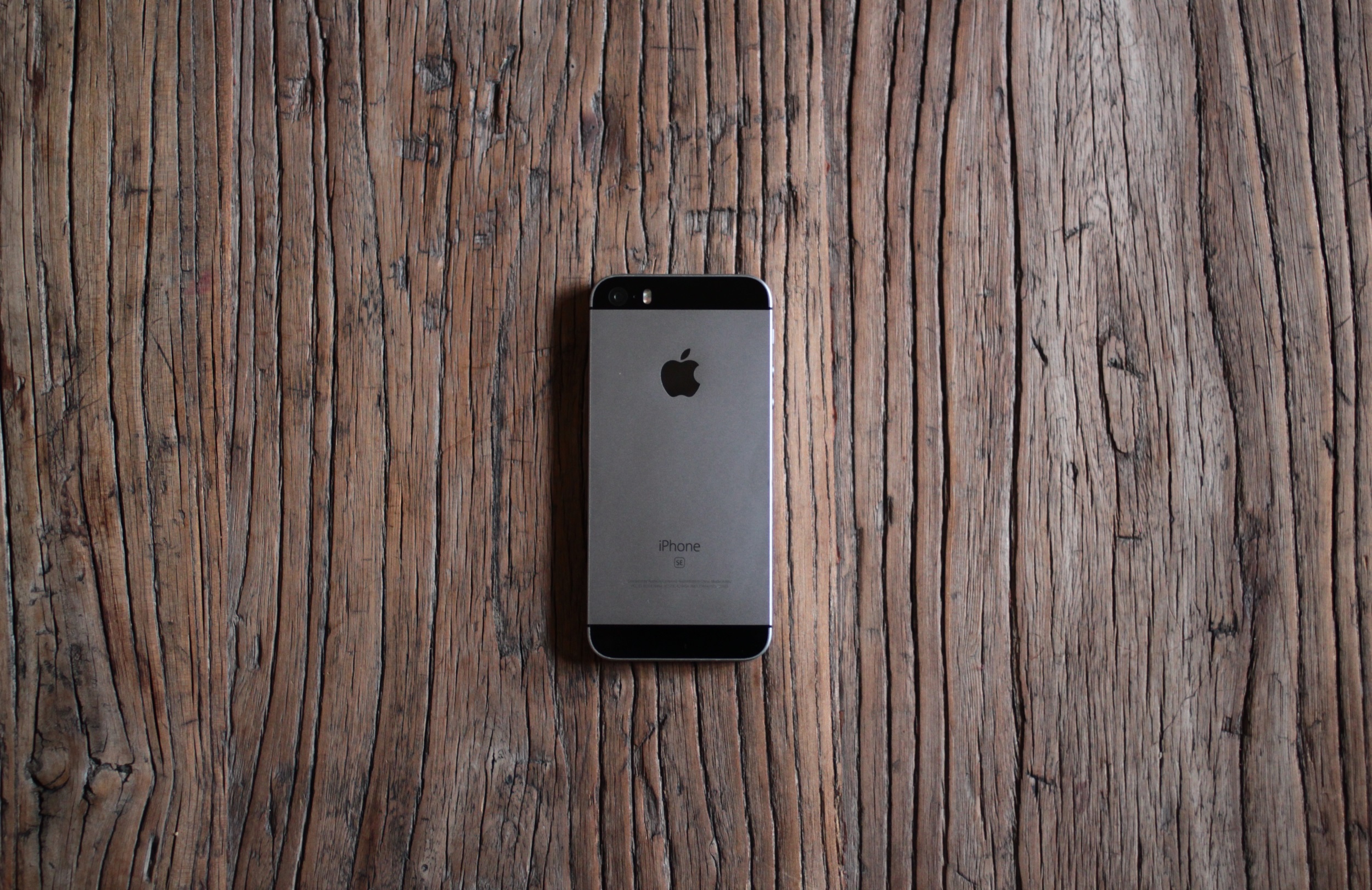
The two-tone grey iPhone 5S, however, essentially left no room for improvement. And after 4 years, it was admittedly perhaps time to freshen things up a bit. Unfortunately, what Apple ended up doing was subtracting all personality from the device while adding nothing but screen space.

The 6 was, to me, simply ugly. It was reminiscent of the plethora of boring Android phones at the time — merely higher quality than them, not different. The 6S was similarly ugly, and the 7 through 8 somehow further banished any design that set themselves apart, while reversing course on some practical measures in allowing an increasingly large camera bump and losing the headphone jack. The X, at least, looked a bit different.
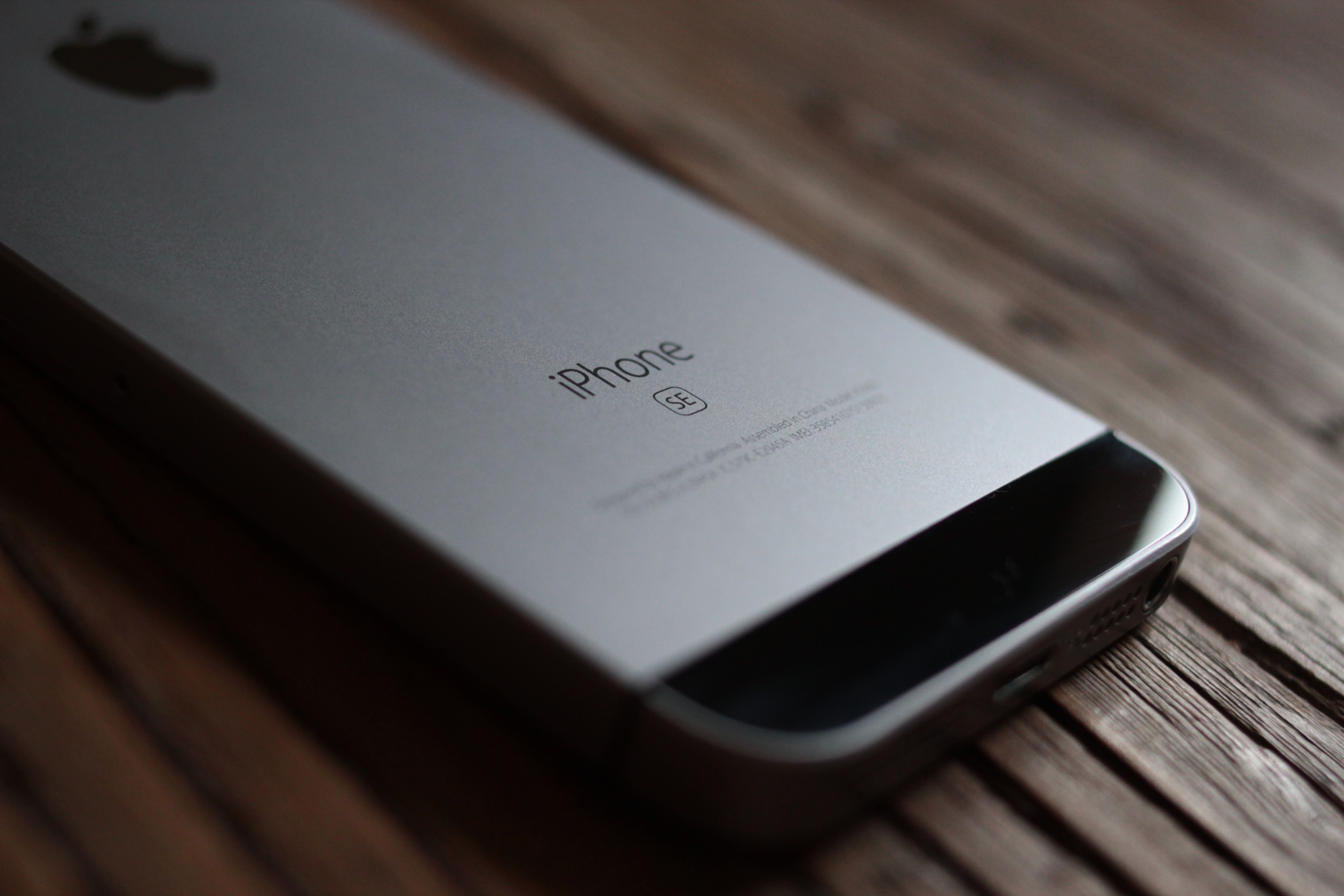
But to return to the topic at hand, it was after the 6S that Apple had introduced the SE. Although it nominally stood for “Special Edition,” the name was also a nod to the Macintosh SE. Ironically given the original meaning of “System Expansion,” the new SE was the opposite: essentially an iPhone 6S in the body of a 5S, complete with improved camera, Touch ID sensor, and processor. The move was likely intended as a sort of lifeboat for users who still couldn’t bring themselves to switch to the drastically redesigned, and considerably larger, new model.

It would take time, Apple seems to have reasoned, to convert these people, the types who rarely buy first generation Apple products and cherish usability over novelty. So why not coddle them a bit through this difficult transition?

The SE appealed not just to the nostalgic and neophobic, but simply people who prefer a smaller phone. I don’t have particularly large or small hands, but I preferred this highly pocketable, proven design to the new one for a number of reasons.

Flush camera so it doesn’t get scratched up? Check. Normal, pressable home button? Check. Flat, symmetrical design? Check. Actual edges to hold onto? Check. Thousands of cases already available? Check — although I didn’t use one for a long time. The SE is best without one.

At the time, the iPhone SE was more compact and better looking than anything Apple offered, while making almost no compromises at all in terms of functionality. The only possible objection was its size, and that was (and is) a matter of taste.

It was the best object Apple ever designed, filled with the best tech it had ever developed. It was the best phone it ever made.
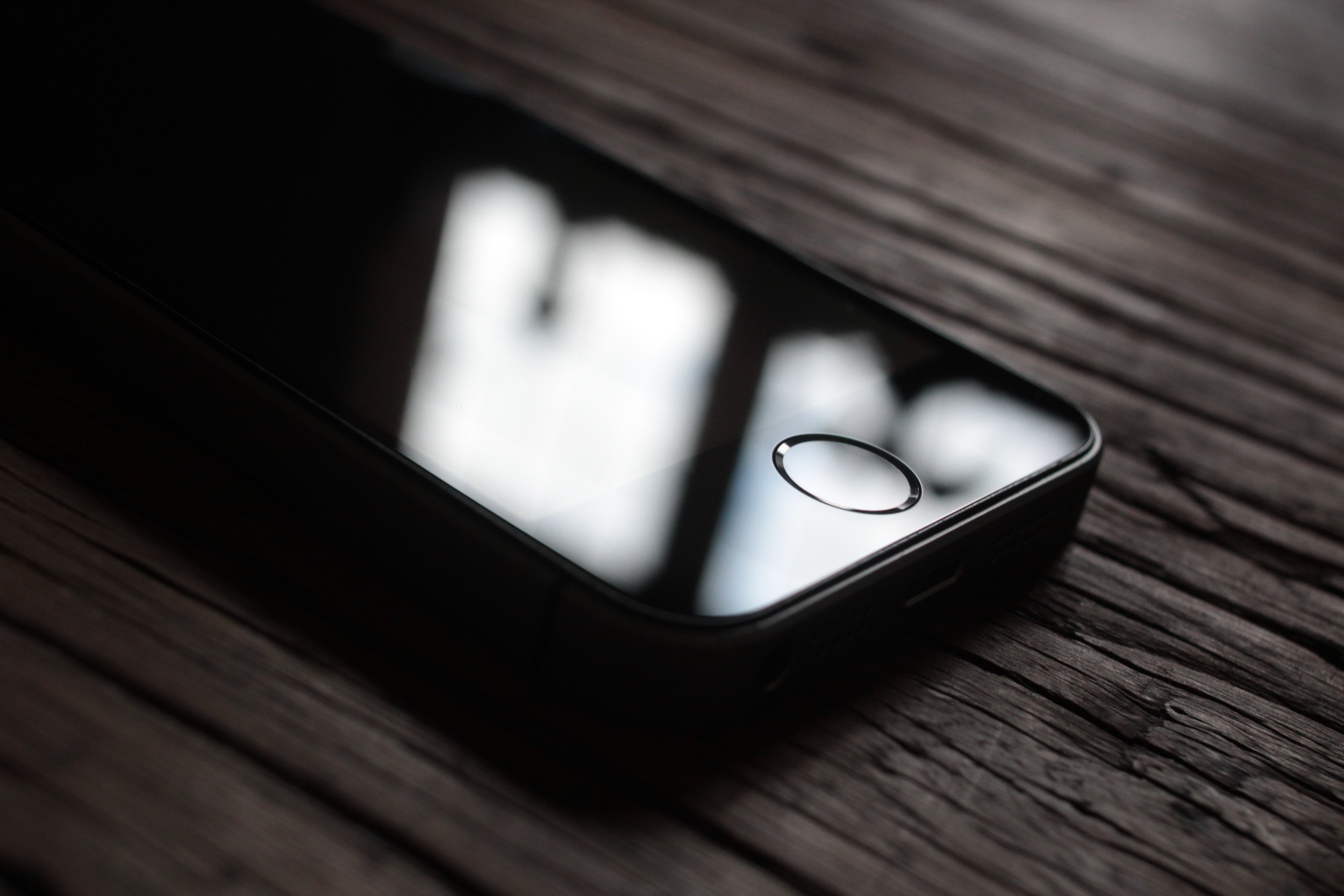
And the best phone it’s made since then, too, if you ask me. Ever since the 6, it seems to me that Apple has only drifted, casting about for something to captivate its users the way the iPhone 4’s design and new graphical capabilities did, all the way back in 2010. It honed that design to a cutting edge and then, when everyone expected the company to leap forward, it tiptoed instead, perhaps afraid to spook the golden goose.

To me the SE was Apple allowing itself one last victory lap on the back of a design it would never surpass. It’s understandable that it would not want to admit, this many years on, that anyone could possibly prefer something it created nearly a decade ago to its thousand-dollar flagship — a device, I feel I must add, that not only compromises visibly in its design (I’ll never own a notched phone if I can help it) but backpedals on practical features used by millions, like Touch ID and a 3.5mm headphone jack. This is in keeping with similarly user-unfriendly choices made elsewhere in its lineup.

So while I am disappointed in Apple, I’m not surprised. After all, it’s disappointed me for years. But I still have my SE, and I intend to keep it for as long as possible. Because it’s the best thing the company ever made, and it’s still a hell of a phone.

Drone startup Airware crashes, shut downs after burning $118M

Drone operating system startup Airware today suddenly informed employees it will cease operations immediately despite having raised $118 million from top investors like Andreessen Horowitz, Google’s GV, and Kleiner Perkins. The startup ran out of money after trying to manufacture its own hardware that couldn’t compete with drone giants like China’s DJI. The company at one point had as many as 140 employees, all of which are now out of a job.

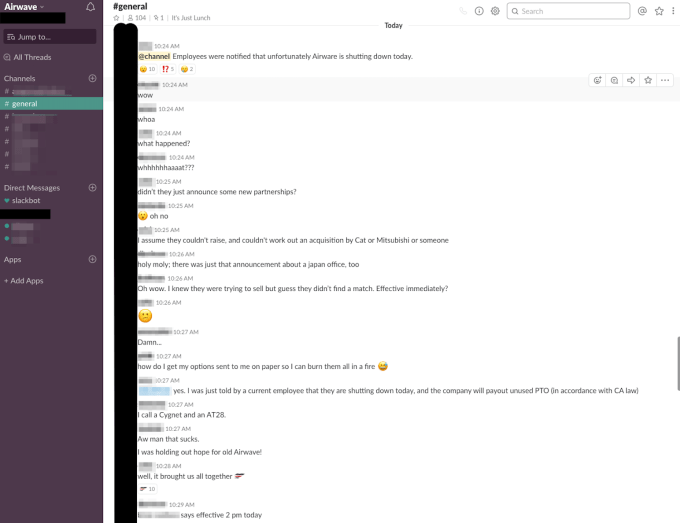
A source sent TechCrunch screenshots from the Airware alumni Slack channel detailing how the staff was told this morning that Airware would shut down.

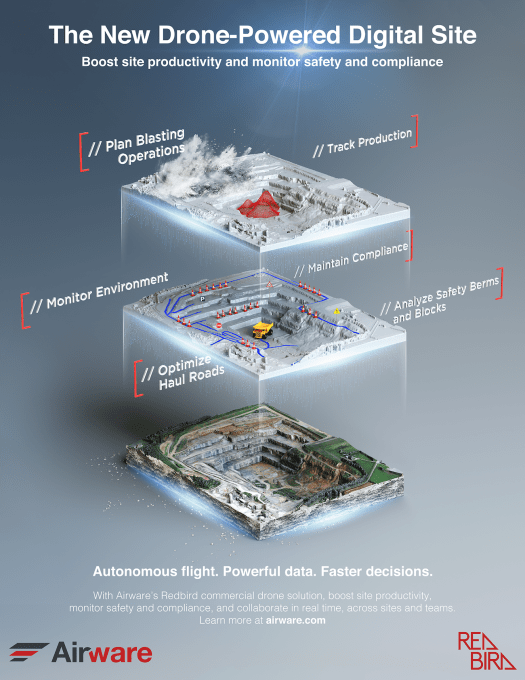
Airware makes a cloud sofware system that helps enterprise customers like construction companies, mining operations, and insurance companies reviewing equipment for damages to use drones to collect and analyze aerial data. That allowed companies to avoid using expensive helicopters or dangerous rigs with humans on harnesses to make inspections and gauge work progress.

One ex-employee asked “How do I get my options sent to me on paper so I can burn them all in a fire??

Founded in 2011 by Jonathan Downey, the son of two pilots, Airware first built an autopilot system for programming drones to follow certain routes to collect data. It could help businesses check rooftops for damage, see how much of a raw material was coming out of a mine, or build constantly-updated maps of construction sites. Later it tried to build its own drones before pivoting to consult clients on how to most efficiently apply unmanned aerial vehicles.

While flying high, Airware launched its own Commercial Drone Fund for investing in the market in 2015, and acquired 38-person drone analytics startup Redbird in 2016. In this pre-crypto, pre-AI boom, Airware scored a ton of hype from us and others as tried to prove drones could be more than war machines. But over time, the software that shipped with commercial drone hardware from other manufacturers was good enough to make Airware irrelevant, and a downward spiral of layoffs began over the past two years, culminating in today’s shutdown. Demonstating how sudden the shut down is, Airware opened a Tokyo headquarters alongside an investment and partnership from Mitsubishi just four days ago.
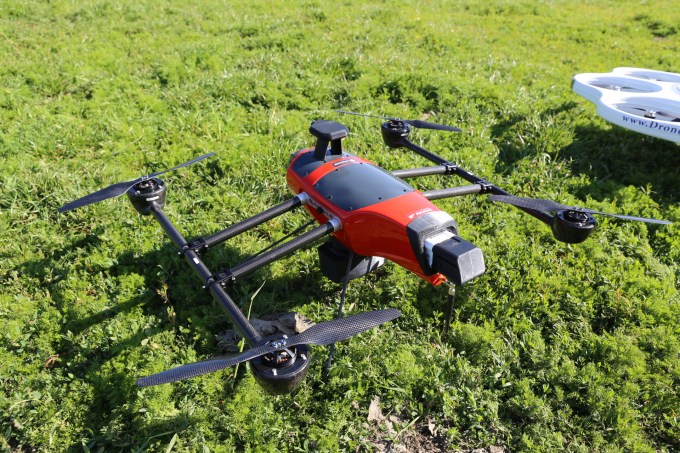
“Airware was ahead of the game trying to build their software. So far ahead that the drone hardware on the market wasn’t sophisticated enough to actually produce the granularity of data they needed to test out their software/train their algorithms” an ex-employee told TechCrunch (emphasis ours). “So they spent shitloads of money designing bespoke hardware, including two drones in-house, one multi-rotor called an AT-28, and one fixed-wing called Cygnet. Both projects were scuttled as hardware from DJI and Ebee caught up to needs, after sinking tons of engineering time and manufacturing into them.”

Following TechCrunch’s inquiry about the unnannounced news, Airware confirmed the shut down to us with this statement:

“History has taught us how hard it can be to call the timing of a market transition. We have seen this play out first hand in the commercial drone marketplace. We were the pioneers in this market and one of the first to see the power drones could have in the commercial sector. Unfortunately, the market took longer to mature than we expected. As we worked through the various required pivots to position ourselves for long term success, we ran out of financial runway. As a result, it is with a heavy heart that we notified our team, customers, and partners that we will wind down the business.

This is not the business outcome we had worked so hard for over the years and yet we are deeply proud of our company’s accomplishments and our leadership in driving the adoption of drone powered analytics to improve productivity, mitigate risks, and take workers out of harm’s way.

As we close the book of Airware; we want to thank the partners and customers who believed in us and helped us along the way. And, while it is difficult to say goodbye to our team, we want to thank them for all they have contributed to Airware and the industry. We look forward to seeing how they will take their learnings from Airware to fuel continued innovations in the world around us.”

[Update: Since we broke the news, Airware has put up a “thank you” note about the shutdown informing clients that “A representative from the Airware team will be in touch.”]

An Airware-hardware equipped drone

Employees will get one week’s severance, COBRA insurance until November, and payouts for unused paid time off. It appears the startup wasn’t able to raise necessary funding to save the company or secure an acquisition from one of its strategic partners like Catepillar.

Airware will serve as cautionary tale of startup overspending in hopes of finding product-market fit. Had it been more frugal, saved cash to extend its runway, and given corporate clients more time to figure out how to use drones, Airware might have stayed afloat. Sometimes, even having the most prestigious investors can’t save a startup from mismanagement.

Our ex-employee source concludes that “I think having $118M in the bank led Airware to charge ahead and sink tons of money into force-it-to-work methods rather than exercise a bit of patience and wait for the inevitable advance of hardware to catch up. They had a knack for hiring extremely talented and expensive people from places like Google, Autodesk, there was even SpaceX and NASA alumni there.

They spared no expense ever.”

Nvidia launches the Tesla T4, its fastest data center inferencing platform yet

Nvidia today announced its new GPU for machine learning and inferencing in the data center. The new Tesla T4 GPUs (where the ‘T’ stands for Nvidia’s new Turing architecture) are the successors to the current batch of P4 GPUs that virtually every major cloud computing provider now offers. Google, Nvidia said, will be among the first to bring the new T4 GPUs to its Cloud Platform.

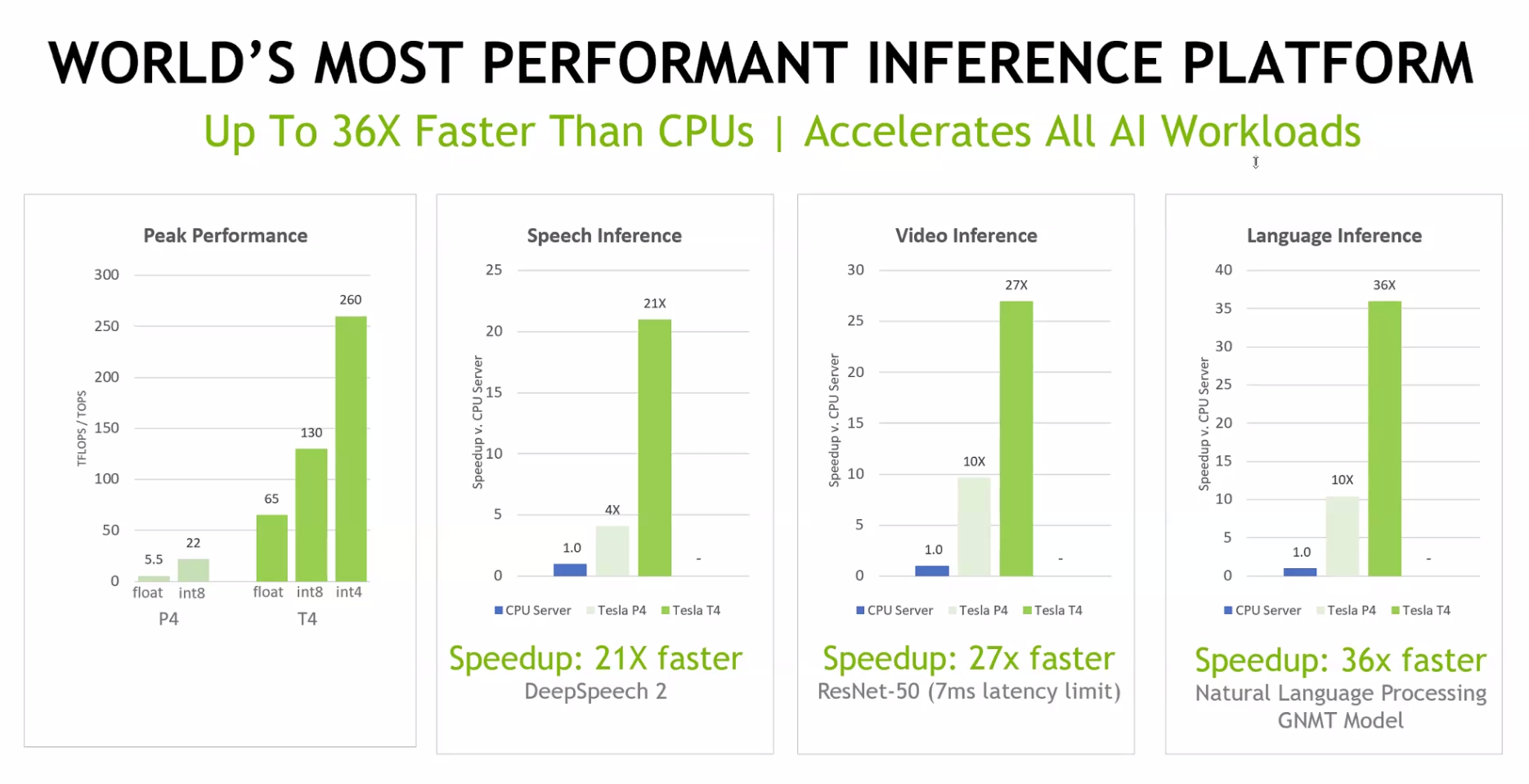
Nvidia argues that the T4s are significantly faster than the P4s. For language inferencing, for example, the T4 is 34 times faster than using a CPU and more than 3.5 times faster than the P4. Peak performance for the P4 is 260 TOPS for 4-bit integer operations and 65 TOPS for floating point operations. The T4 sits on a standard low-profile 75 watt PCI-e card.

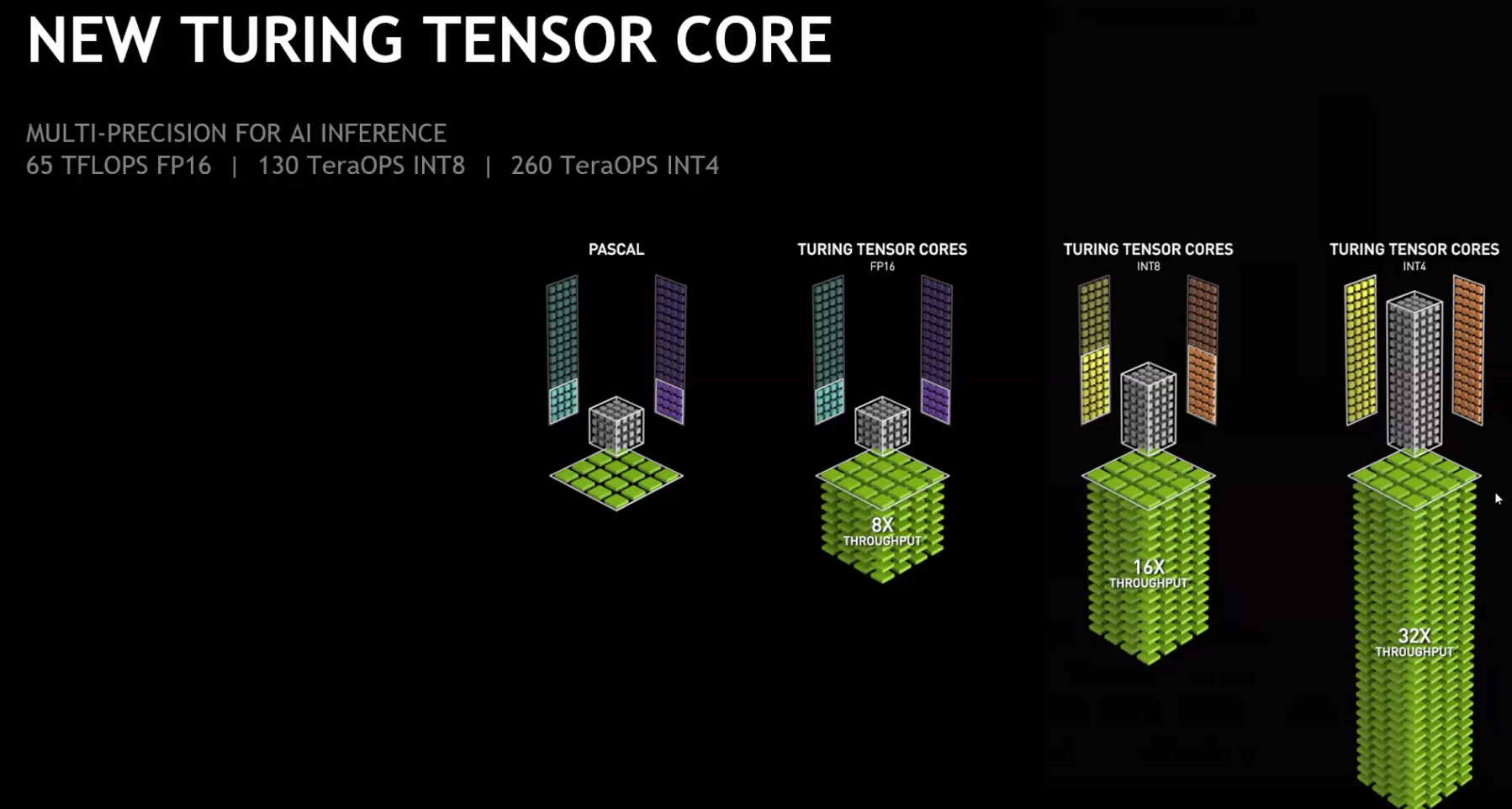
What’s most important, though, is that Nvidia designed these chips specifically for AI inferencing. “What makes Tesla T4 such an efficient GPU for inferencing is the new Turing tensor core,” said Ian Buck, Nvidia’s VP and GM of its Tesla data center business. “[Nvidia CEO] Jensen [Huang] already talked about the Tensor core and what it can do for gaming and rendering and for AI, but for inferencing — that’s what it’s designed for.” In total, the chip features 320 Turing Tensor cores and 2,560 CUDA cores.

In addition to the new chip, Nvidia is also launching a refresh of its TensorRT software for optimizing deep learning models. This new version also includes the TensorRT inference server, a fully containerized microservice for data center inferencing that plugs seamlessly into an existing Kubernetes infrastructure.


Apple’s Watch isn’t the first with an EKG reader but it will matter to more consumers

Apple’s COO Jeff Williams exuberantly proclaimed Apple’s Watch was the first to get FDA clearance as an over-the-counter electrocardiogram (EKG) reader during the special event at Apple headquarters on Wednesday. While Apple loves to be first to things, that statement is false.

AliveCor has held the title of first since late last year for its KardiaMobile device, a $100 stick-like metal unit you attach to the back of a smartphone. Ironically, it also received FDA clearance for the Kardiaband, an ECG reader designed to integrate with the Apple Watch and sold at Apple stores and just this week, the FDA gave the go ahead for AliveCor’s technology to screen for blood diseases, sans blood test.

However, the Apple Watch could be the first to matter to a wider range of consumers. For one, Apple holds a firm 17 percent of the world’s wearables market, with an estimated shipment volume of 28 million units in just 2018. While we don’t know how many AliveCor Kardiaband and KardiaMobile units were sold, it’s very unlikely to be anywhere near those numbers.

For another thing, a lot of people, even those who suspect they have a heart condition, might have some hesitations around getting a separate device just to check. Automatic integration makes it easy for those curious to start monitoring without needing to purchase any extra equipment. Also, while heart disease is the number one killer in the U.S. and affects a good majority of the global population, most of us probably aren’t thinking about our heart rhythm on a daily basis. Integrating an EKG reader straight into the Watch makes monitoring seamless and could take away the fear some may have about finding out how their heart is doing.

Then there’s the Apple brand, itself. Many hospitals are now partnering with Apple to use iPads and it’s reasonable to think there could be some collaboration with the Watch.

“Doctors, hospital systems, health insurers, and self-insured employers don’t want to manage separate partnerships with each of Apple, Xiaomi, Fitbit, Huawei, Garmin, Polar, Samsung, Fossil, and every other wearable manufacturers. They need a cross-platform product that works for all of their patients,” Cardiogram founder and EKG researcher Brandon Ballinger told TechCrunch. “So if Apple becomes the Apple of healthcare, then a company like Cardiogram or AliveCor can become the Microsofts of this space.”

How does this announcement from Apple affect AliveCor? CEO Vic Gundotra shrugs it off. He tells TechCrunch the vast majority of AliveCor’s business is from KardiaMobile, not it’s Apple-integrated ECG reader. “Apple has long alluded they were building something like this into the device,” Gundotra said, “so we’ve been anticipating it.”

Detroit’s StockX raises $44M from GV and Battery to expand marketplace internationally

StockX started as a marketplace for reselling sneakers but has since grown to be much more, bringing its transparent and anonymous marketplace to more verticals. Today the company is announcing a $44 million Series B that will help fuel international and domestic growth while letting the company expand to even more product categories and perhaps opening StockX stores.

The idea driving StockX is simple: Provide a marketplace with fair pricing and ensure the merchandise is authentic. The result scales to nearly day-trading in consumer goods in the same vein as oil futures. In some cases, the seller never touches the product. Sneakers and other in-demand products are priced and sold at rates set by the market rather than the seller. If a particular sneaker is in demand, the price increases.

StockX is among the fastest growing startups in Detroit and Michigan and currently employs 300 in Detroit and 50 in Tempe, Arizona. Founded in 2016 by CEO Josh Luber, COO Greg Schwartz and Dan Gilbert, founder and chairman of Quicken Loans, the company has scaled to see more than $2 million in daily transactions and 800,000 users have sold or purchased items on StockX. Today, at an event in Detroit, Luber told the audience that the company is approaching a billion dollar run-rate.

The company has never been capital contrasted and CEO and co-founder Josh Luber told TechCrunch that the company never thought they would have to turn to institutional financing. That’s the comfort of having a billionaire like Gilbert as a co-founder; Luber said Gilbert was always happy to fund StockX.

“We didn’t need money,” Luber told TechCrunch the day before this announcement, adding. “It was really about having external people that that we thought added truly different values than we had around the table.”

Right now the company’s main marketplace centers around sneakers but StockX is built around a platform that works for most ecommerce. It’s a $5 billion market worldwide. Last year the company also launched marketplaces for streetwear, handbags and watches — all verticals with a strong demand in the secondary market.

Scaling the service requires more bodies. Since everything sold on StockX is authenticated — in person — it takes more hands to authenticate more items. With that comes more customer service employees and as the company grows, StockX will need more engineers.

The company is already growing fast but Luber seems ready to double down. In March StockX had 130 people. Today, it’s at 415. He thinks. He confesses it could be a slightly more.

“We have about 50 engineers today and I would quadruple that tomorrow if I could,” he said. “We have about 50 customer service people today. I think it would be safe to double that tomorrow just because the business is growing so fast and we obviously hope it continues to grow as we scale.”

If StockX is going to scale, it needs more employees to ensure the company’s core ethos does not soften. The new round of funding will go far in bringing in the people Luber is seeking including additional members of the C-suite. StockX is running without a CTO, CMO, or CFO — pretty much the entire leadership suite, Luber admits.

It seems this is part of the reasoning behind the funding. The company was not seeking funding but, as Luber tells it, as the company gained attention, investors increasing reached out requesting meetings. Of the meetings they took, there were two firms that meshed with Luber’s vision of growing a marketplace.

The new round of funding comes from GV and Battery Ventures including several high-profile investors including DJ Steve Aoki; model and entrepreneur, Karlie Kloss; streetwear designer Don C; Salesforce founder chairman and co-CEO, Marc Benioff; Bob Mylod, founder and managing partner of Annox Capital; Shana Fisher, managing partner at Third Kind Venture Capital; and Jonathon Triest, managing partner of Ludlow Ventures — only Mylod and Triest are based in the Detroit area.

StockX says it intends to use the funding to expand internationally. Right now StockX only advertises in the US and only supports purchases in U.S. dollars. Going forward it intends to open up local versions of StockX to better support key markets with support for local currency, language and marketing. The company could also open location operations to make shipping and receiving easier and faster.

“In some of these countries, we have, a pretty decent customer base where people are tendered on a VPN,” Luber said. “There are pictures of people that walk around China with a StockX tag hanging off their shoe.”

Fifteen percent of StockX sales currently come from international buyers.

Of the four product categories StockX current sells, sneakers and streetwear make up the bulk of the sales. Before expanding to different verticals, Luber tells me there’s a lot of room for growth in each of the current categories but expanding means more employees.

For instance, each streetwear brand is essentially a sub-vertical, he says, adding that if the company launches a new brand StockX has to assemble a staff around it with brand expertise to build the catalog and product authentication process.

StockX is not ready to announce what other type of products it might sell. Street art seems like one they’re exploring.

Despite the growth, Luber remains committed to Detroit. He said the company will always be headquartered in Detroit and was proud to point to the fact that StockX was the second largest tenant in Dan Gilbert’s marquee Detroit building, One Campus Martius. The company also operates a 30,000 square foot facility in Detroit’s Corktown neighborhood.

StockX could come to other cities though, Luber says. The company is talking about what a StockX “in-real-life” experience would look like: It could be retail, a brand experience, accepting products to be sold or additional operation centers. The company is exploring all the obvious candidates including LA, NYC, San Francisco and Portland.