E-scooter startup Bird is raising another $300M

Electric scooter startup Bird is said to be nearing a deal to extend its Series C funding with an additional $300 million led by cross-over investor Fidelity, according to an Axios report. Bird declined to comment.

Fidelity has not previously invested in Bird and is reportedly doing so at a flat pre-money valuation of $2 billion, which Bird earned with a $300 million Sequoia-led financing in June. Santa Monica-based Bird has raised more than $400 million in venture capital funding to date from investors, including Accel, CRV, Greycroft, Index Ventures, Upfront Ventures, Craft Ventures and Tusk Ventures.

The investment comes at a time when many investors are losing faith in scooter startups’ claims to be the solution to the problem of last-mile transportation, as companies in the space display poor unit economics, faulty batteries and a general air of undependability. Lime, Bird’s biggest e-scooter competitor, has at least expanded its suite of micro-mobility offerings from bikes and scooters to LimePods, a line of shareable vehicles available in Seattle, to peak investor interest. San Francisco-based Lime has been seen pitching to investors in Silicon Valley recently, too, with reports indicating it’s looking for a $400 million investment at a $3 billion valuation — more than three times the valuation it garnered with a $335 million round in July.

This extra-large handheld Nintendo works (and feels) like the real thing

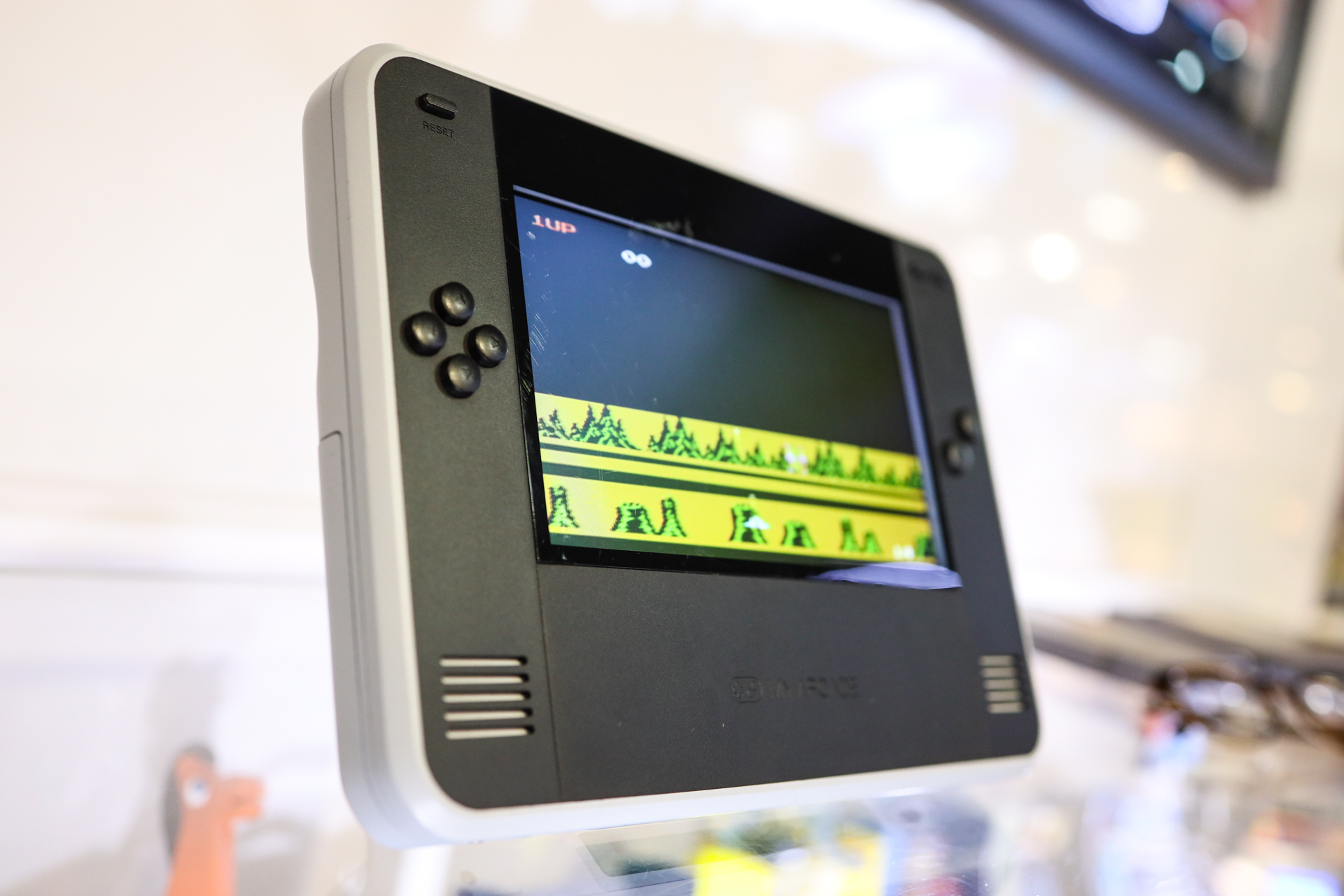
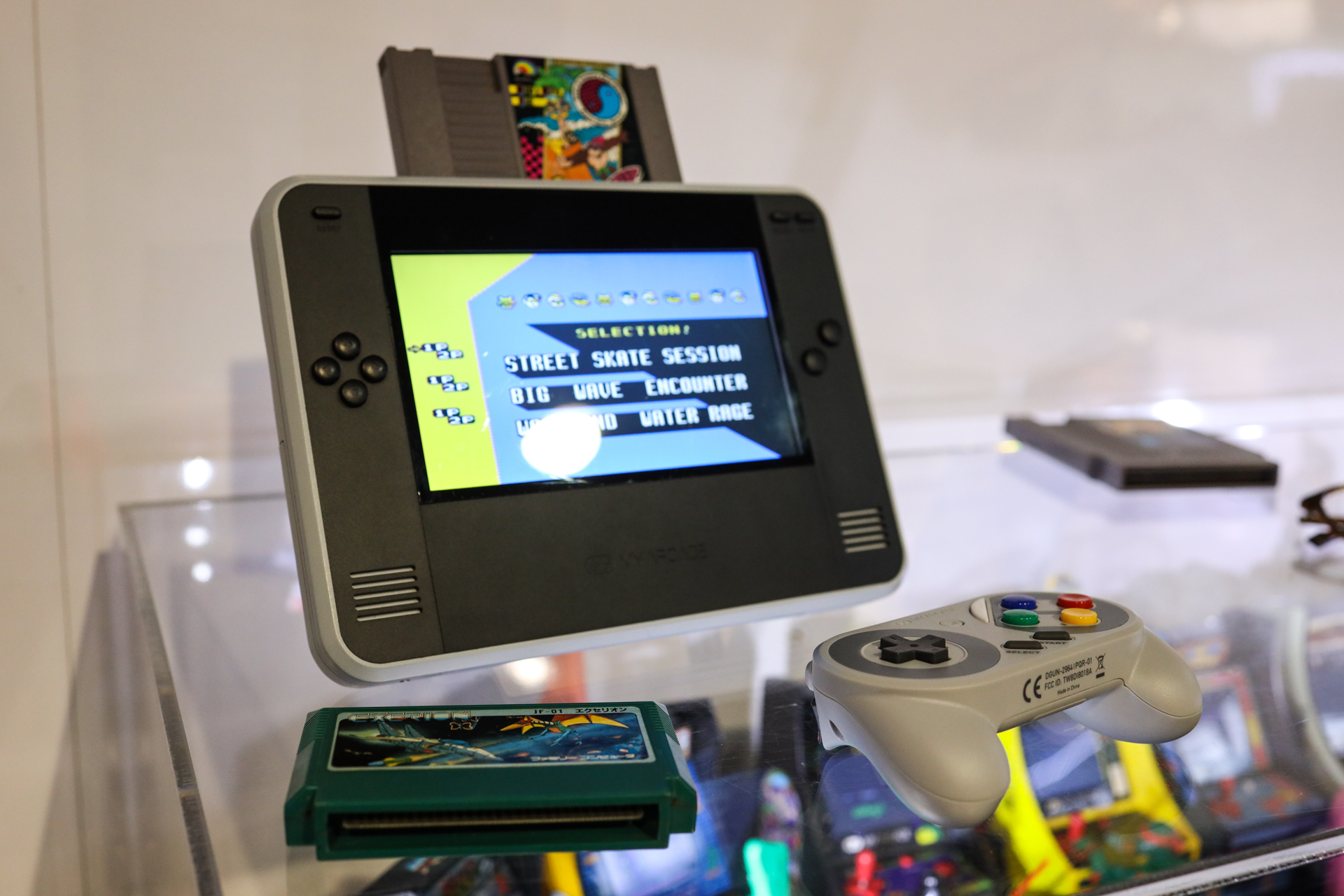
Handheld retro gaming machines come and go, but few go so simply and effectively to the point as My Arcade’s Retro Champ. You stick in your NES cartridge, hit the power button and, assuming you blew on it beforehand, it powers up. This one sets itself apart with a big ol’ screen, Famicom compatibility and a whopping 35-hour battery life. Update: Nope! It’s 3 to 5 hours, not 35 as the company originally stated. I thought that was suspiciously high.

I played with the Retro Champ at CES, where they had one under lock and key — it’s not the production version, but that’s coming in the Spring. But it works just like you’d expect, and I was pleased to find it responsive, comfortable and pleasantly ridiculous. It’s really quite big, but not nearly as heavy as it looks.

The 7-inch screen is bright and the color looked good; it was responsive and the device felt well-balanced. The controls are where you’d expect, with big scoops in the back of the case to help you grip it. NES cartridges go in the top (and stick out as you see) and Famicom cartridges tuck in the bottom.

There’s a stand so you can prop it up and use wireless controllers with it (not included; they’re trying to keep the price low), and you can also plug it straight into your TV via HDMI, which basically makes this thing a spare NES home console. (I’m waiting to hear back on the screen and output resolutions and some other technical details.)

Lastly (and hilariously), there’s a hidden cleaning kit with space for a few Q-tips and a small bottle of solvent, for getting those really grimed-up games working.

My questions went to the usual pain points for scrupulous retro-loving gamers like myself:

Yes, it’s a 16:9 screen, and of course NES games were 4:3. So yes, you’ll be able to change that.

And no, it’s not just loading the ROM data into an emulator. This is the common way of doing it, and it produces artifacts and incompatibility with some games, not to mention control lag and other issues. Things have gotten better, but it’s definitely corner-cutting.

I chatted with Amir David, the creative director and one of the developers of the device. Though he couldn’t get into the technical details (patents pending), he said that they had developed their own chip that runs the game the same way an actual NES would.

So any cartridge that works on the NES, including homebrew and hacked games, will load right up no problem. That means you can also use a cartridge with an SD card loader, like an Everdrive, for those hard-to-get and hacked titles.

Some features are up in the air, for instance save states. It’s possible, but because this is in effect just a small Nintendo and not a virtual one, it’s also tricky. We’ll see.

I was also curious why there were four round buttons instead of the traditional NES D-pad. David said they were still waiting on feedback from players about which worked best; for an actual controller, the original D-pad might be good, but perhaps not for the handheld style. So they’re considering a few configurations; likewise the buttons on the right — they could get some tweaking before release.

The device goes for $80, which seems fair to me. If you want absolute fidelity for a home console, you can spend five to 10 times that amount, while for handhelds there are cheaper and smaller devices out there, most of which use emulators. They’re aiming for enthusiasts who want an easy but uncompromised way of playing their cartridges — lots of us have consoles sitting in boxes, but it’s a pain to get them set up. The Retro Champ could be one of the easiest ways to get back in the game. It ships in June.

CES 2019 coverage - TechCrunch

Don’t expect a new Nvidia Shield Tablet anytime soon

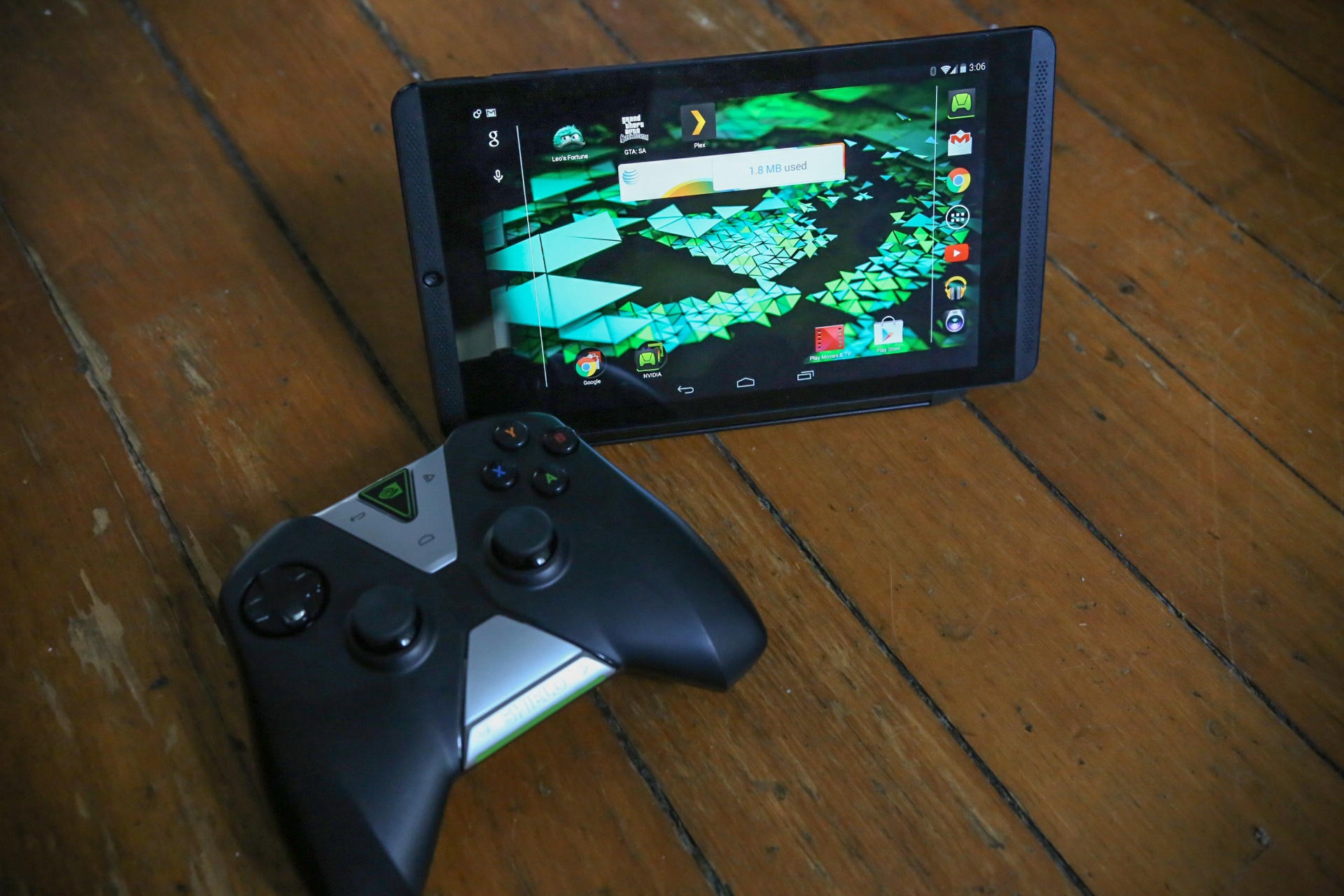
The Shield TV, Nvidia’s Android TV streaming box, is still getting regular updates, but the Shield Tablet, which launched in 2014, was last refreshed in 2015 and officially discontinued last year, wasn’t quite the same success. As Nvidia CEO Jensen Huang said during a small press gathering at CES in Las Vegas today, the company doesn’t have any plans to resurrect it.

“Shield TV is still unquestionably the best Android TV in the world,” he said. “We have updated the software now over 30 times. People are blown away by how much we continue to enhance it.” And more (unspecified) enhancements are coming, he said.

On the mobile side, though, the days of the Shield Tablet are very much over, especially now that the Nintendo Switch, which uses Nvidia’s Tegra chips, has really captured that market.

“We are really committed to [Shield TV], but on mobile devices, we don’t think it’s necessary,” Huang said. “We would only build things not to gain market share. Nvidia is not a ‘take somebody else’s market share company.’ I think that’s really angry. It’s an angry way to run a business. Creating new markets, expanding the horizon, creating things that the world doesn’t have, that’s a loving way to build a business.”

He added that this is the way to inspire employees, too. Just copying competitors and maybe selling a product cheaper, though, does nothing to motivate employees and is not what Nvidia is interested in.

Of course, Huang left the door open to a future tablet if it made sense — though he clearly doesn’t think it does today. He’d only do so, “if the world needs it. But at the moment, I just don’t see it. I think Nintendo did such a great job.”


Bonus: The outspoken Huang also used his time with the assembled journalists to voice his opinion of AMD’s new Radeon VII graphics cards, which were announced earlier today. “Wow. Underwhelming, huh? I was kind of like saying ‘what?’ Because the performance is lousy and there’s nothing new. There’s no raytracing, no artificial intelligence. It’s a 7nm chip with HBM memory that barely keeps up with a 2080 and when we turn on DLSS, we’ll crush it. When we turn on raytracing, we’ll crush it. And it’s not even available yet.”

CES 2019 coverage - TechCrunch

How Trump’s government shutdown is harming cyber and national security

It’s now 18 days since the U.S. government unceremoniously shut down because Congress couldn’t agree on a bill to fund a quarter of all federal departments — including paying their employees.

But federal workers are starting to feel the pinch after not getting paid for two weeks, and this will have a knock-on effect to U.S. national security. The longer the shutdown goes on, the greater the damage will be.

The “too long, didn’t read” version is that before Christmas, President Trump wanted $5 billion for a wall on the southern border with Mexico to fulfill a campaign promise. Despite the Republicans having a majority in both houses of Congress, they didn’t have the votes to pass the spending bill in the Senate, which would’ve kept the government going when existing funding expired on midnight on December 22. No vote was held, even after a successful vote in the House, and the government shut down. When the Democrats took the majority in the House last week following their midterm wins, they were ready to pass a funding bill — without the $5 billion (because they think it’s a gigantic waste of money) — and get the government going again. But Trump has said he won’t sign any bill that doesn’t have the border wall funding.

More than two weeks later, some 800,000 federal workers are still at home — yet, about half were told to stay and work without pay. Worse, there’s no guarantee that federal workers will get paid for the time the government was shut down unless lawmakers intervene.

Unless the Democrats get a veto-proof majority, the impasse looks set to continue.

A crew works replacing the old border fence along a section of the U.S.-Mexico border, as seen from Tijuana, in Baja California state, Mexico, on January 8, 2019. (Photo by GUILLERMO ARIAS/AFP/Getty Images)

Government shutdowns don’t happen very often — usually — or really at all outside the U.S., and yet this is the first time in four decades that the government has been closed three times in one year. That doesn’t mean cyber or national security threats conveniently stop. Granted, most of the government is functioning and ticking over. There are still boots on the ground, cops on the street, NSA analysts fighting hackers in cyberspace and criminals still facing justice.

But while most of the core government departments — State, Treasury, Justice and Defense — are still operational, others — like Homeland Security, which takes the bulk of the government’s cybersecurity responsibility — are suffering the most.

And the longer the shutdown goes on, the greater chance of tighter budgets and that more staff could be furloughed.

Here’s a breakdown:

Homeland Security’s new cybersecurity unit got off to a rough start: The newly established Cybersecurity and Infrastructure Security Agency, a division of Homeland Security, has only been operational since November 16, but about more than half of its staff have been furloughed, according to Homeland Security. The division is designed to lead the national effort to defend critical national infrastructure from current, ongoing threats. By our count at the time of writing, the CISA has been shut down for one in 10 days of its two-month tenure.

Threat intelligence sharing will take a hit: A little-known program inside Homeland Security, known as the Automated Indicator Sharing, has also sent home more than 80 percent of it staff, according to Duo Security. AIS allows private industry and government agencies to share threat intelligence, which is shared with Homeland Security’s government partners, to ensure that any detected attack can only ever be used once. The shutdown is going to heavily impact the data exchange program.

New NIST standards to face delays: More than 85 percent of National Institute of Standards and Technology employees have been sent home without pay, leaving just a handful of essential staff to keep NIST’s new advice and guidance work going. NIST is responsible for giving all government departments necessary and up-to-date security advice. It also means that FIPS testing, used to grant devices and new technologies security certifications to run on government networks, has completely stopped during the shutdown.

Underpaid TSA agents are now entirely unpaid: The TSA, found at every U.S. airport security screening area, is still working despite the shutdown. More than 90 percent of the TSA’s workforce of 60,078 employees will go unpaid — on top of already low pay, which has resulted in a high turnover rate. Despite Trump’s remarks to the contrary, several news agencies say TSA workers are calling out sick in droves. And that’s going to harm airport security. Many worry that the already low morale could put airline security at risk. One traveler/passenger at Minneapolis-Saint Paul International Airport tweeted this week: “I asked TSA agent if I should take out my laptop out of its case and she said, ‘I don’t care, I’m not getting paid’.”

Secret Service staff are working unpaid: And, whether you like them or not, keeping the president and senior lawmakers and politicians alive is a paramount national security concern, yet the vast majority of front-line and back office Secret Service agents currently protecting senior administration staff are going unpaid during the shutdown.

And that’s just some of the larger departments.

The shutdown isn’t only hampering short-term efforts, but could result in long-lasting damage.

“Cyber threats don’t operate on Washington’s political timetable, and they don’t stop because of a shutdown,” Lisa Monaco, former homeland security advisor to the president, told Axios on Wednesday. And security firm Duo said that trying to keep all of the cyber-plates spinning at once while not at full-strength is “risky,” especially given nobody knows how long the shutdown will last.

All this for a border wall that Trump says will prevent terrorists from pouring into the U.S.

Critics say that the cost-benefit to building the wall vis-à-vis the shutdown doesn’t add up. Experts say that there hasn’t been a single case of a known terrorist to have crossed illegally into the U.S. from the Mexican border. In fact, since the September 11 attacks, more than three-quarters of all designated acts of terror were carried out by far-right extremists and not Islamic violent extremists, according to a government watchdog. The vast majority of terrorist incidents were U.S. citizens or green card holders.

A border wall might keep some terrorists out, but it’s not going to stop the terrorists who are already in the U.S. Yet, right now it seems the White House wants the appearance of security rather than the security from a quarter of what the government already has at its disposal.

Instagram now lets you regram your posts to multiple accounts

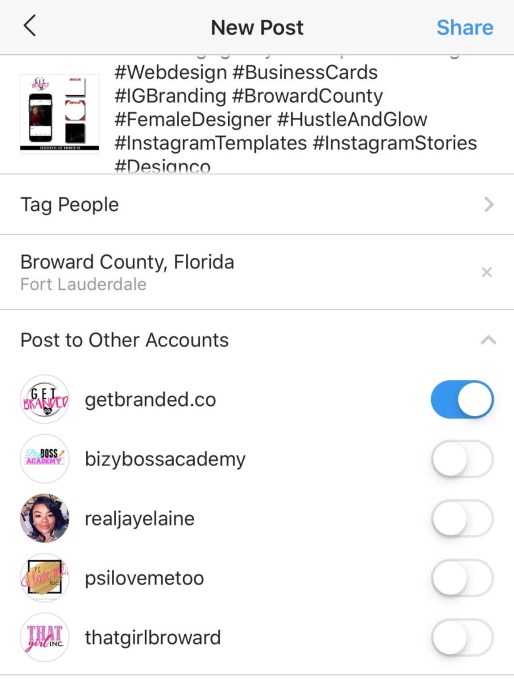
Instagram is swaying the balance toward simplicity but away from originality. It’s adding the ability to publish feed posts to different accounts you control at the same time by toggling them on within the composer screen. An Instagram spokesperson confirms this option is becoming available to all iOS users, telling TechCrunch, “We are rolling out this feature to provide a better experience for people who often post to multiple accounts.”

This “self regram” could make it easier for businesses, influencers and regular folks with Instas and Finstas to publish the same meme, promotional image or other content across their profiles simultaneously instead of having to post on one at a time. But it could also make Instagram’s feed a bit more cookie-cutter, with different audiences of different accounts seeing the same shots and captions. The desire to keep the feed original and personal has been a driving force behind Instagram refusing to add a native regram feature for sharing other people’s feed posts to your audience.

Instagram gives all iOS users the ability to publish a post to several of their own accounts at once

Recontextualizing posts uniquely for different accounts or networks is some of the most common social media guru advice. A personal account might want to publish with a more informal, colloquial and intimate style. A business account might be better off acting generally accessible and adding a call to action. A Finsta, or fake Instagram account people keep on the side for posting more raw content, is free to get a little crazy. An identical one-size-fits-all post might actually be one-size-fits-none. That’s why we’d suggest only using this feature if your different accounts have similar themes and fan bases.

TechCrunch first discovered the feature thanks to a tip from SocialThings founder Zachary Shakked, who says “it could save a tiny bit of time.” Other users, including Jay Elaine’s Get Branded, also showed off the new feature, as seen above. Once users select a photo or video to post, the Instagram for iOS composer screen for adding captions and tags now includes toggle switches for syndicating the post to your other accounts to which you’re logged in. We’ve asked whether the feature will come to Android (I’d assume so in the future) and Stories (anyone’s guess), but Instagram hasn’t responded. You still can’t regram posts by other people, or your own after you publish.

Instagram is now testing a much more prominent way to import photos from Google Photos on Android

As Instagram grows beyond the 1 billion monthly user mark, it’s working to eliminate friction from content creation wherever it can. Instagram recently began testing a much more prominent shortcut of importing photos from Google Photos on Android. First spotted by mobile researcher and all-star TechCrunch tipster Jane Manchun Wong, the Photos shortcut is now right on the image selection screen for some users instead of being buried within the Other folder of your albums. An Instagram spokesperson confirmed that “We are only testing this on Android. You have been able to share to feed from Google photos on Android before but the ability to do so was hidden behind a couple of different steps so we’re up-leveling that ability to make it easier.”

Simplifying publishing sounds obviously better, but it could also dilute the quality of Instagram. Luckily, the feed’s algorithm can simply demote generic content that doesn’t resonate with people. But if the feed becomes full of stale cross-posted promotional spam, it could send younger users fleeing toward the next generation of social apps trying to spice it up.

Twitter gives events a boost with new publisher tools

As Twitter continues to look for ways to monetize its platform beyond basic advertising, it is building more tools for businesses that turn Twitter into more of a utility that helps them do their jobs.

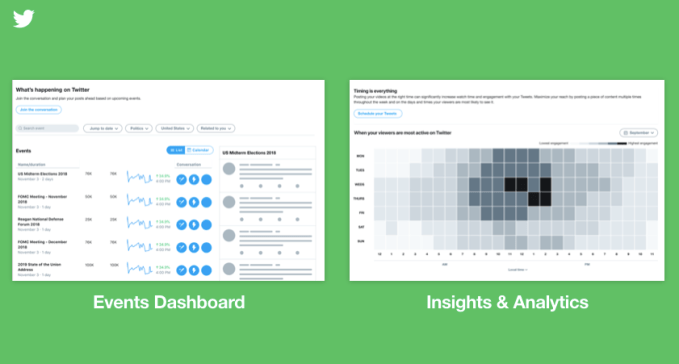
Today at CES, Twitter said it’s going to make it easier for publishers to better understand what sort of content is resonating with its readers on the social network through a new kind of analytics dashboard, and, in a separate dashboard, to better track real-time information around events, and especially to track events that are coming up.

Together, the two tools underscore how Twitter continues to plug away at building out a richer experience for organizations that use Twitter not just as part of their marketing but for wider business activities, and simply for getting work done. That directly feeds back into Twitter’s advertising business, of course: The more essential the platform feels to an organization, the more likely they are to spend money on using it.

That advertising business has been slowly but surely continuing to grow: Today Kay Madati, Twitter’s VP of content partnerships, said that premium video ads account for half of the company’s ad revenue. He also noted that the company’s had eight consecutive quarters of growth in daily active usage, although that statistic doesn’t tell the whole story, with recent quarters indicating that the company continues to struggle with overall user growth.

The concept for a new Twitter publisher dashboard would offer insights and analytics that can better inform organizations’ content strategies.

Keith Coleman, Twitter’s VP of Product (pictured right), clarified the dashboard is still very much an “early concept.”

However, the idea is to offer publishers an easy way to see who on Twitter is reading and engaging with their content, when they’re viewing it and what content is working best.

The goal is to allow publishers to better optimize what they produce to make it effective, the company said.

Events, meanwhile, is also going to be getting a boost of attention. Twitter is working a dashboard that will show which events are coming up, including breaking news events.

For example, an event like the Consumer Electronics Show in Las Vegas would be the type of event that would appear on this dashboard.

This, in turn, can link up with a new kind of conversation format that the company is preparing to roll out; when users now write Tweets, Twitter will provide some more context to them around the Tweet by including, for example, a location underneath their Twitter handle that could better explain what is going on so that a single statement makes more sense to casual readers who haven’t been following all of the person’s previous Tweets:

Twitter’s wider focus on events is not new, of course — the company has long described itself as the town hall and town square for the world, providing real-time conversations about what is going on. Twitter’s long been trying to harness that in a more actionable way for ordinary users by way of hashtags, and in a more organized way for organizations. Efforts at events calendars stretch back as far as 2017.

The thinking behind the events dashboard will allow the publishers to figure out — in advance — how they want to participate in that conversation on Twitter — either in terms of the content they publish, or (more hopefully, perhaps) through advertising and promoting content.

Twitter also discussed how the events would appear on Twitter, explaining that it’s trying to make it easier for newcomers to follow events, without the need of a knowing the hashtag.

“We know people want to come to see what’s happening. And particularly, they want to come to Twitter to see what’s happening when events are unfolding in the real world,” said Coleman, speaking onstage at CES this morning.

“If you think about the experience of actually following that — it’s hard. You have to follow the publications, you have to follow the journalists, you have to follow the attendees whose names you don’t even know. You don’t have all the hashtags,” he said.

The events section will organize this information for you, so you can “tune in” to the live events without having to know who or what to follow.

While the analytics dashboard is likely to be something that would be accessed through media.twitter.com and aimed at publishers and others using Twitter in a business context, events will have a wider remit: it will be pinned to the top of the timeline, in Explore and accessible through Search, Coleman said.

CES 2019 coverage - TechCrunch

This hole-digging drone parachutes in to get the job done

A new drone from the NIMBUS group at the University of Nebraska can fall out of a plane, parachute down, fly to a certain place, dig a hole, hide sensors inside it and then fly away like some crazy wasp. Robots are weird.

The goal of the project is to allow drones to place sensors in distant and hostile environments. The system starts on a plane or helicopter, which ejects the entire thing inside of a cylindrical canister. The canister falls for a while, then slows down with a parachute. Once it’s close enough to the ground it pops out, lands and drills a massive hole with a screw drill and leaves the heavy parts to fly home.

Drones can only fly for so long while carrying heavy gear, so this ensures that the drone can get there without using battery and escape without running down to empty.

“Battery powered drones have very short flight times, especially when flying with a heavy load, which we are since we have our digging apparatus and sensor system. So to get to distant locations, we need to hitch a ride on another vehicle,” said NIMBUS co-director Carrick Detweiler to Spectrum. “This allows it to save energy for return trips. In this video we used a much larger gas powered UAS with multiple hours of flight time, but our same system could be deployed from manned aircraft or other systems.”

The drone can even sense if the ground is too hard for digging and choose another spot, allowing for quite a bit of flexibility. Given that these things can land silently in far-off locations, you can imagine some interesting military uses for this technology. I’m sure it will be fine for us humans, though. I mean what could go wrong with a robot that can hide things underground in distant, unpopulated places and escape undetected?

Netflix’s ‘Roma’ wins Golden Globes for best director and foreign language film

It might be strange to imagine now, but it was only a few years ago when the presence of Netflix, Hulu, and other streaming platforms at major award shows was considered disruptive. Today’s Golden Globes showed how formidable streaming platforms have become, with Netflix’s “Roma” winning the awards for best foreign language film and best director, strong harbingers for success at next month’s Academy Awards (“Roma” previously won the Golden Lion, the Venice Film Festival’s highest honor).

Written and directed by Alfonso Cuarón, “Roma” was one of the best reviewed films of 2018 and its award prospects prompted Netflix to change its long-standing theatrical release model for original films.

When Netflix had previously agreed to release its films in theaters, it did so without granting the theaters an exclusive release window. Instead, it insisted that its movies could only be released in theaters if they premiered on its streaming service at the same time. As a result, few theaters carried Netflix films and the rule may have hurt some films’ chances of being nominated for major awards. For example, the Cannes Film Festival implemented a rule last year that effectively barred Netflix films from competing.

Roma’s prospects and its pedigree (Cuarón won an Oscar for directing “Gravity”) gave Netflix enough incentive to change its policies. Along with “The Ballad of Buster Scruggs,” directed by the Coen Brothers, and “Bird Box,” directed by Susanne Bier, “Roma” was given an exclusive theatrical run in some markets, opening a few weeks before being released on Netflix.

Cuarón was also nominated for a best screenplay-motion picture at the Golden Globes, but lost that award to “Green Book” writers Peter Farrelly, Nick Vallelonga, and Brian Currie.

Some shows that usually dominate the list of Golden Globe winners, including HBO’s “Game of Thrones” and Netflix’s “The Crown” weren’t eligible to compete this year, making room for other productions to shine. Netflix had a total of 13 nominations (eight for TV series and five for films), Amazon received nine nominations for TV series, and Hulu earned two nominations for “The Handmaid’s Tale.” (Variety is live-updating a full list of nominations and winners here). 

Other victories for streaming services included Rachel Brosnahan’s win for best performance by an actress in a television series–musical or comedy for Amazon’s “The Marvelous Mrs. Maisel,” while “A Very English Scandal’s” Ben Whishaw scored another acting win for Amazon by landing the award for best performance by an actor in a supporting role in a series, limited series or motion picture made for television.

The star of Netflix’s “Bodyguard” (originally produced for the BBC), Richard Madden, won best performance by an actor in a television series-drama for star Richard Madden.

UrgoNight is a wearable headband that wants to help you sleep better

Getting a good night’s sleep is a universal desire for the human race. At the Consumer Electronics Show today, UrgoNight showed off its non-invasive solution to train your brain to sleep better. It’s designed to teach your brain to sleep better using electroencephalogram (EEG) measurements and app-based brain exercises.

UrgoNight requires you to wear the device for 20 minutes a day, three times a week for three months. It uses positive feedback to show you what brain processes and mental activities work best to produce the brainwaves associated with better sleep.

“What we do is help you produce more of these brain waves,” UrgoNight CTO Robin Reynaud told TechCrunch.

The idea is to use it during the day, perhaps after work, before you go to sleep. It’s not meant to be worn during sleep.

UrgoNight claims it can help you fall asleep 40 percent faster and reduce how often you wake up in the middle of the night by 53 percent. Three months after you complete your first round, UrgoNight suggests repeating a conditioning session to make sure your brain is still optimized for the best sleep.

UrgoNight is set to come out later this year at a retail price of $600. It will be available for pre-order starting this spring, with deliveries arriving by the end of the year. UrgoNight is a CES 2019 Innovation Award honoree in the wearable technology category.

Ellcie’s glasses know if you’re falling asleep while driving

It’s no pee-detecting wearable, but Ellcie’s glasses could be a life saver. The glasses feature 15 sensors designed to determine whether the wearer is falling asleep. I got a quick demo today and CES and was fairly impressed with the technology’s responsiveness. It detects a number of different factors, including head nods, eye blinks and even yawns.

When the system detects one of the above, it sends an a level of alert, depending on how far gone you are. That involves some combination of flashes on the side of the the eyes and a buzzing sound. There’s no haptic feedback or bone conduction for audio, though an audible alert is sent to the connected found, which could come in handy if you’re using your phone for audio in the car.

Such a product could ultimately prove useful for folks who have to drive long distances for their job. Certainly it’s a better for one’s health than a bit of the old trucker speed. Applications can be extended beyond there, as well, including fall detection for elderly users. The glasses are actually pretty light, all told, and the company is offering a prescription lens version as well.

At present, they’re only available in the company’s native France, priced at around $250. The company is looking to expand to additional markets, which is what brought them to CES in the first place. Given how the show’s been going for me so far, I suspect I could use a pair a this week.

Nura brings its adaptive headphone tech to bluetooth earbuds

I really dug the Nuraphones. A lot. In fact, I was so impressed with the headphones’ adaptive noise technology I ended up putting them on my of the year list back in 2017. As such, I was pretty psyched to seen the Australian startup back at CES with a followup.

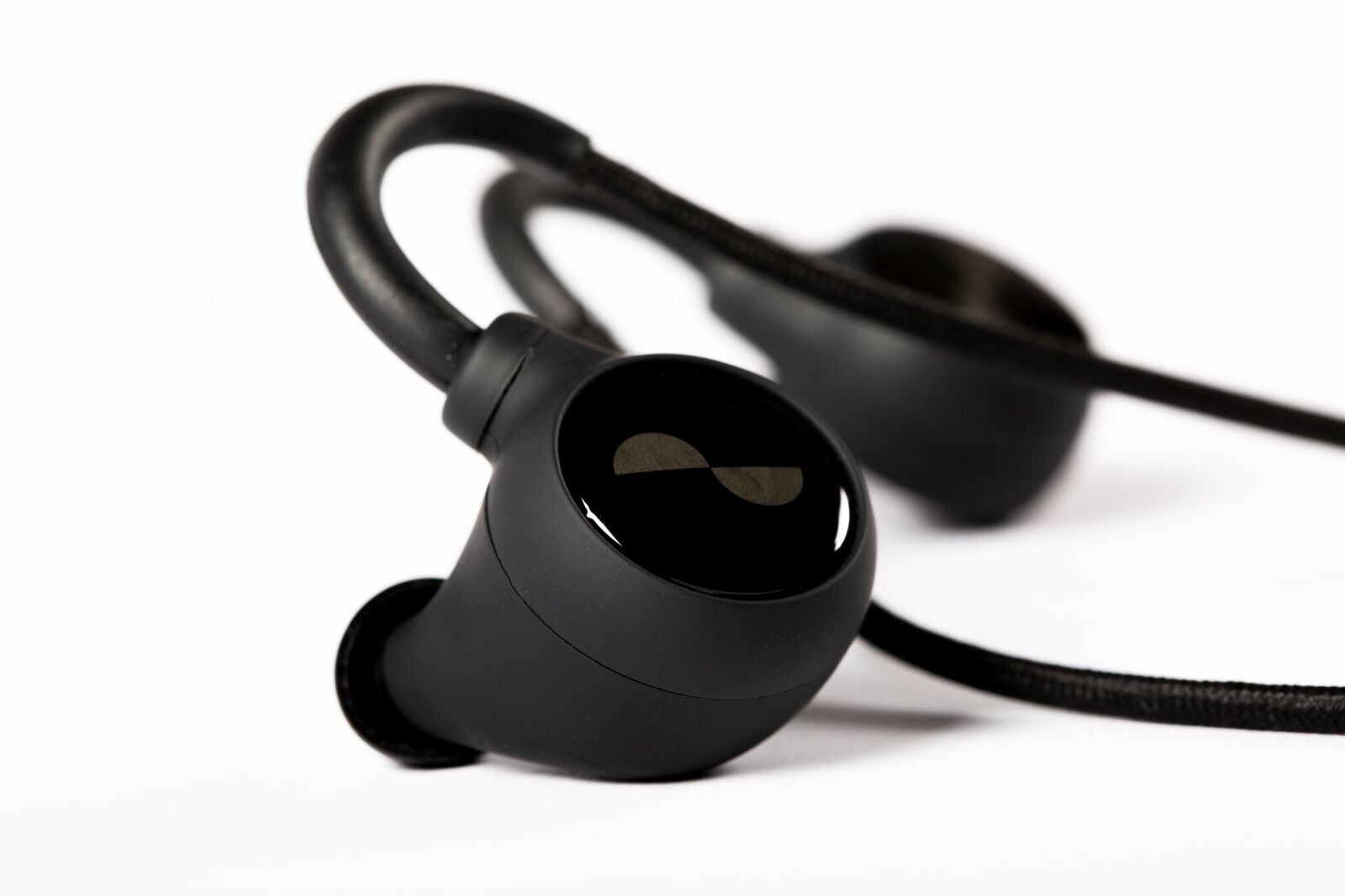
The NuraLoop are the next logical step for the company, putting that technology into a pair of earbuds. It makes sense, really — the original headphones had earbuds positioned inside a pair of on-ear headphones. But the buds were really doing most of the heavy-lifting, with the cups providing addition bass.

Setup is the same as with the over-ear models, using the app to essentially take a digital image of your unique hearing profile and tweak their sound accordingly. Even if you’ve already set it up for the larger models, you’ll still need to go through the process again, as the architecture is a bit different here.

The outside of the buds feature a touch control mechanism for interacting with the device. The models should ship in both wired and wireless models, with the latter offering exceptional battery life, according to the company.

We’ve got to take Nura’s word for it here, however. The company will be showing off a prototype model later this week. The final version should ship in May, priced at around half the larger model. Color me intrigued.

D Free knows when it’s time to pee

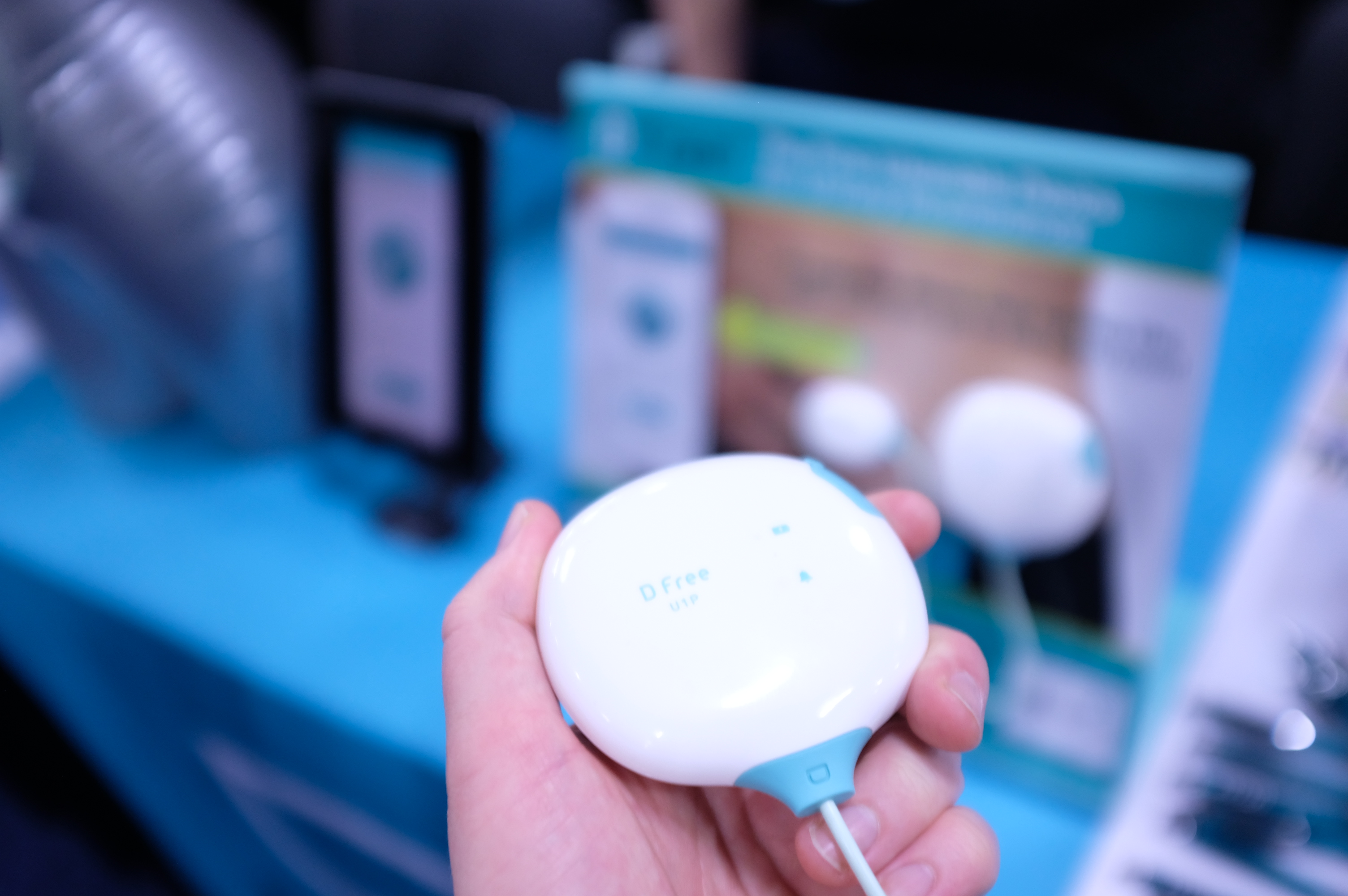
Just when you think you’ve seen every kind of wearable there is to see, the D Free comes along in all it its urinary glory. The little plastic sensor attaches to your belly, with a little gel and some medical tape.

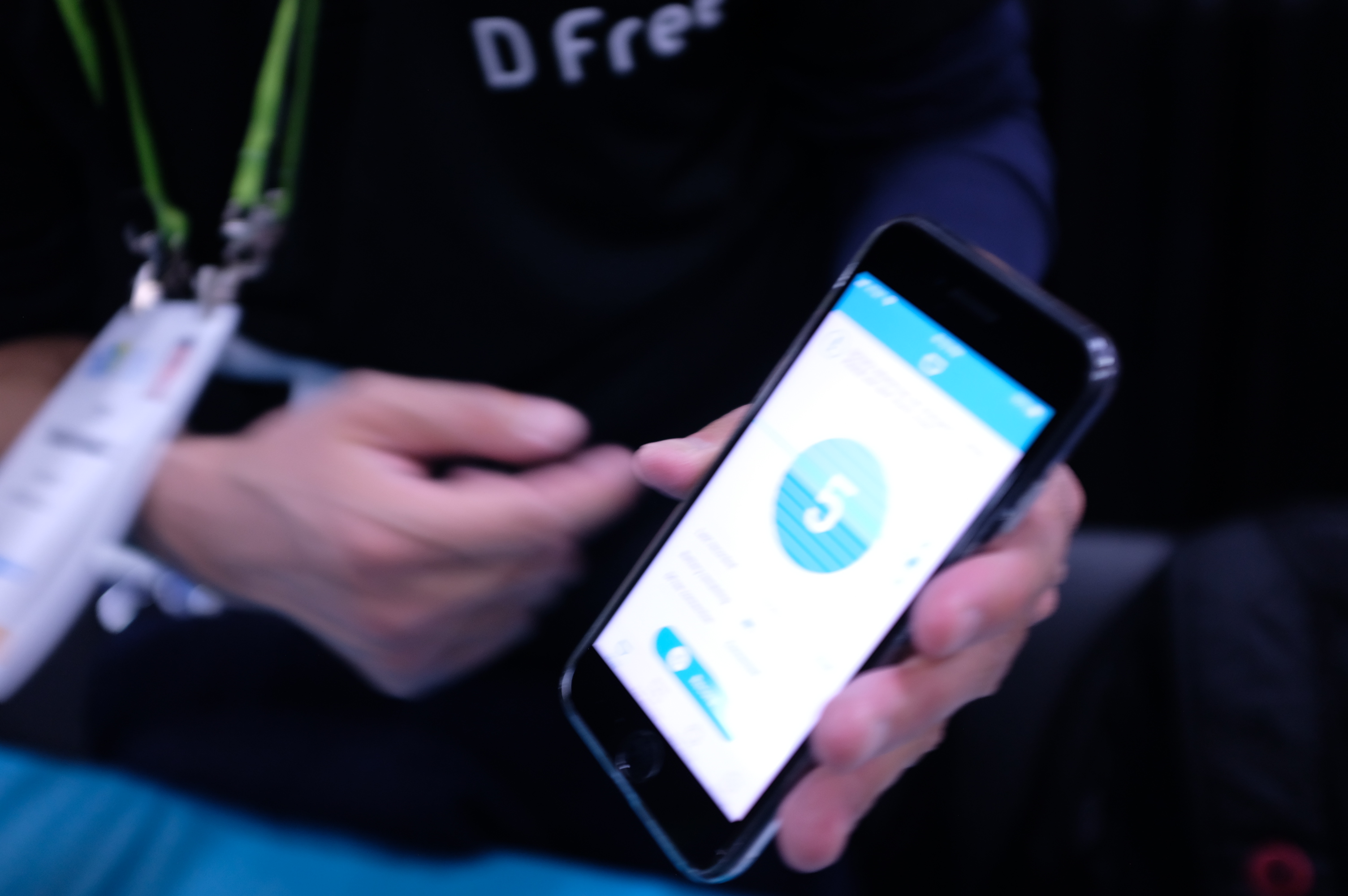
Once attached, the system uses ultrasound to determine how full your bladder is. It then sends that information wirelessly to a connected smartphone, showing you the capacity on a scale of 1 to 10.

So, why, precisely would one need that information, when our bodies are fine-tuned to, uh, let us know when it’s time to go? Well, I’m glad you asked, dear reader.

The device is targeted at elderly users who have might have some trouble knowing when to head to the restroom. Everyone’s bladder is different, of course, so so may want to head things off at the pass when the number gets to around five or six on the scale. The battery should get a full 24 four hours after a four hour charge.

The D Free is available now, but it’s pretty pricey. The system costs $40 a month to rent, or you can go ahead and buy it outright for $500. A small price to pay, perhaps, for knowing when it’s time to go. 

Ledger announces next-generation cryptocurrency hardware wallet

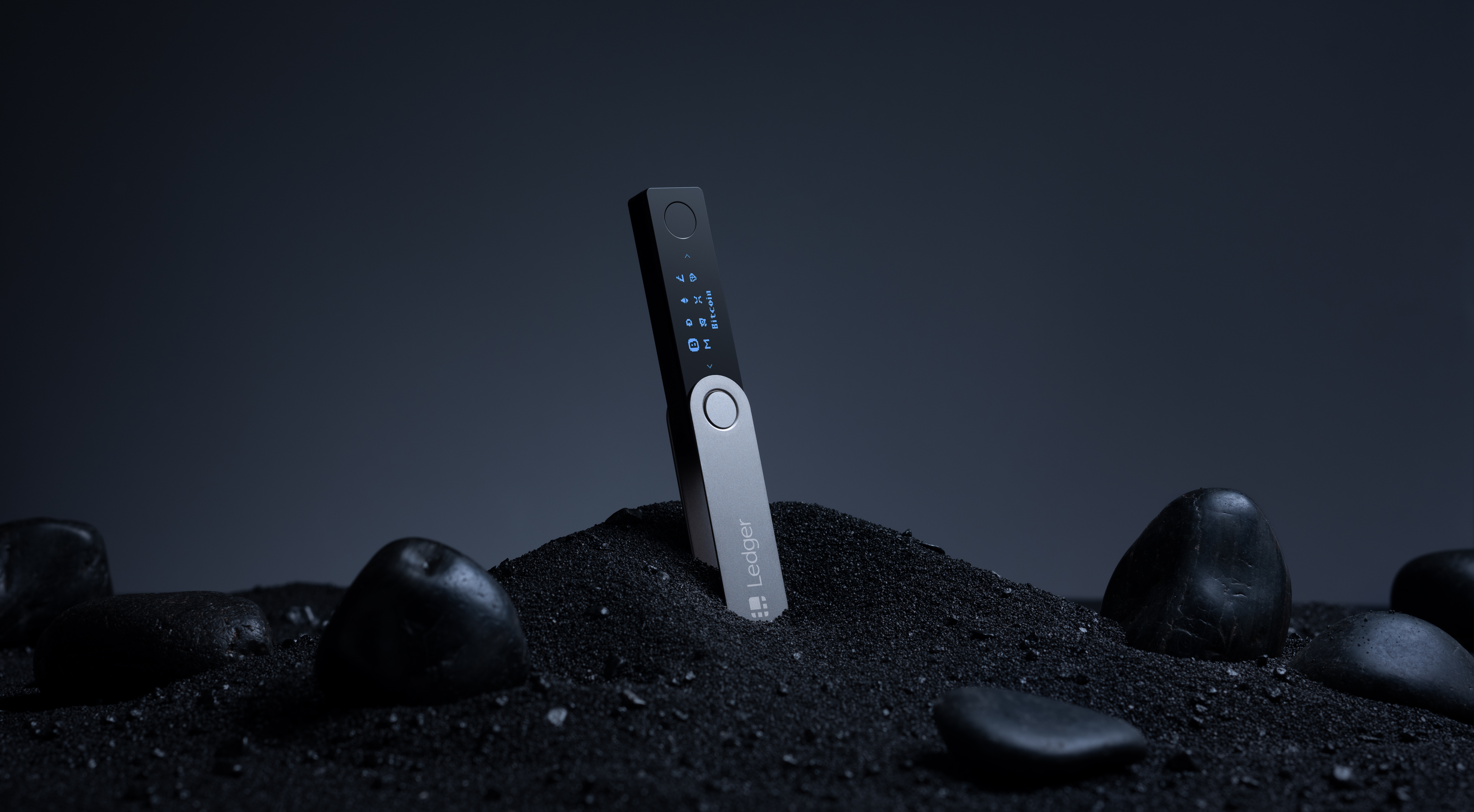
French startup Ledger unveiled its new hardware wallet to manage your cryptocurrencies. The Ledger Nano X is a Bluetooth-enabled wallet, which means that you’ll be able to send and receive tokens from your phone.

The previous version of the device required you to plug the key to your computer using a microUSB cable in order to execute an order. Switching to Bluetooth and opening it up to smartphones is the next logical step.

Ledger is going to launch a full-fledged mobile app called Ledger Live. You’ll find the same features as the ones in the desktop app. You’ll be able to install new apps, check your balances and manage transactions.

The app will be available on January 28th and existing Ledger users will be able to check their balances in read-only mode thanks to public addresses (in case you’re not using Spot). Ledger has sold 1.5 million Ledger Nano S so far. And it sounds like other companies will be able to build mobile apps that work with your Nano X.

The Nano X looks more or less like the Nano S. It’s a USB key-shaped device with a screen and a couple of buttons. The screen is now slightly bigger.

One of the main issues with the Nano S is that you were limited to 18 different cryptocurrencies. You can now store up to 100 different crypto assets on the Nano X — the device supports 1,100 different tokens overall.

Just like other Ledger devices, the private keys never leave your Ledger wallet. It means that even if your computer or mobile phone get hacked, hackers won’t be able to grab your crypto assets.

The company is presenting the new device at CES, I’ll try to play with it to see how it works when it comes to pairing, battery life, etc.