Add Craigslist to the tech platforms Russians used to manipulate the 2016 election

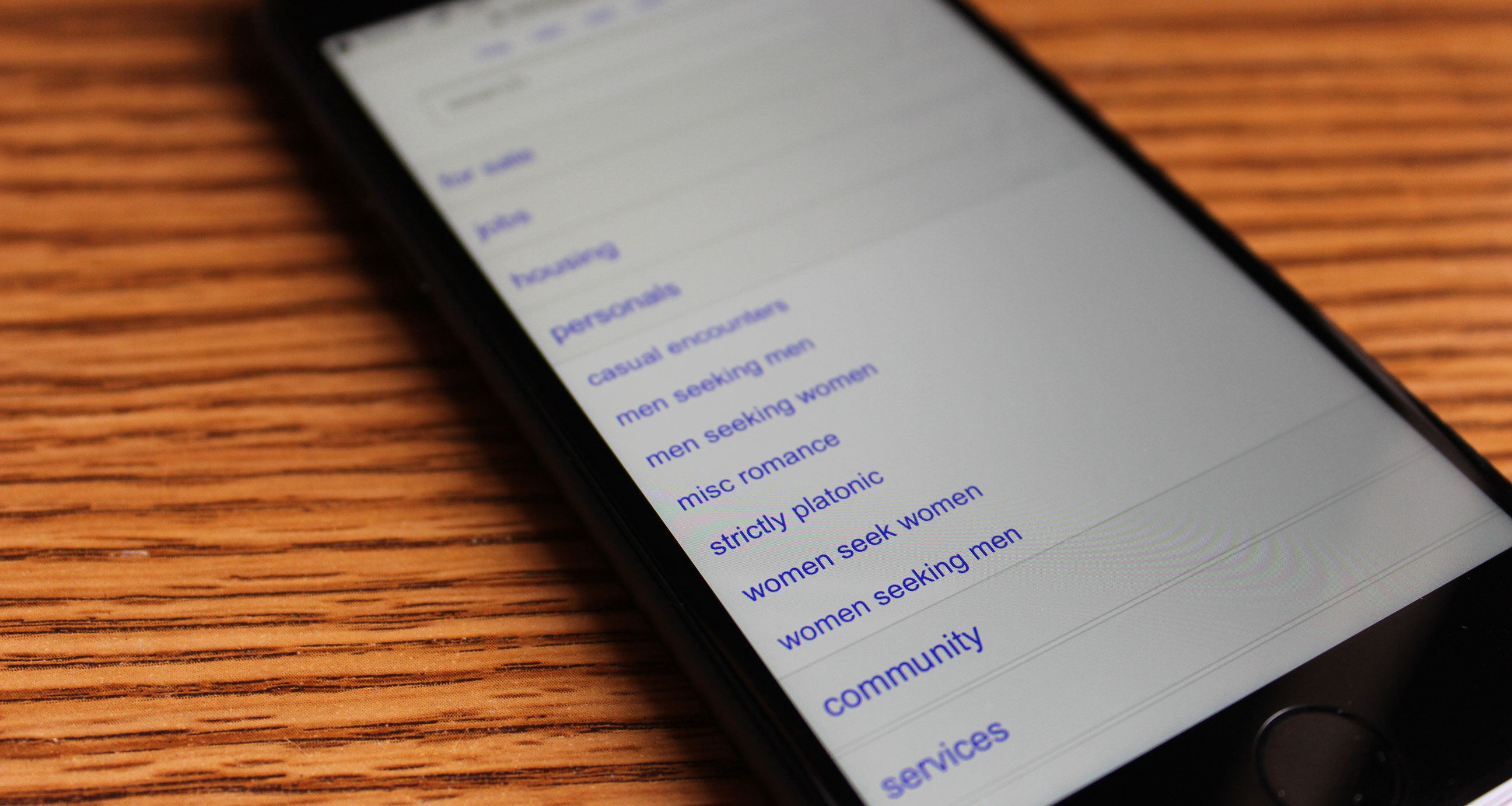
In one of the weirder revelations to come out of the Mueller report released this morning, it seems that Craigslist was yet another tech platform used in Russia’s election influence campaign.

Facebook? Sure. Instagram? Yup, that too. YouTube? Twitter? Oh my, yes. Even Tumblr makes an appearance (LOL. Tumblr).

But Craigslist?

Apparently the Russians used the platform (alongside Facebook and the rest) to facilitate their real-life trolling campaigns.

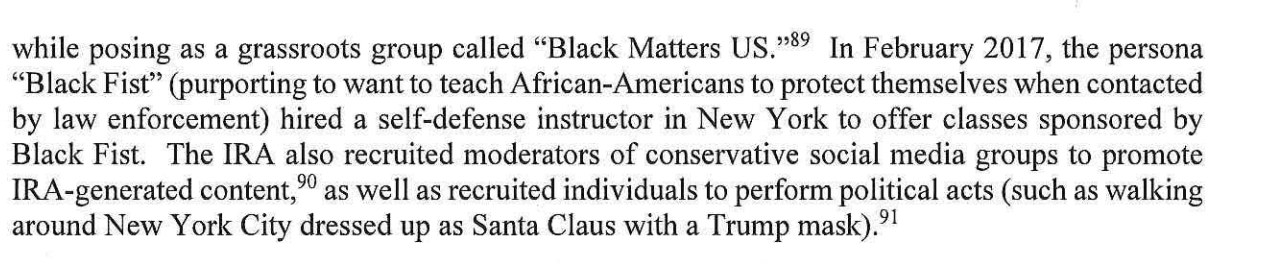
The Russian influence operations included things like recruiting individuals to walk around New York City “dressed up as Santa Claus with a Trump mask” (the relevant section is on page 32 of the Mueller report). Craigslist may have also been used in other schemes — like hiring a self-defense instructor to offer classes sponsored by a Russian operative working under the persona “Black Fist” to teach African-Americans how to protect themselves in encounters with law enforcement.

The fact that Russians affiliated with the Internet Research Agency were using Craigslist in addition to all of the other tech tools at their disposal is interesting and comes from a footnote in the Mueller report.

We don’t know the full extent of contacts between Russian operatives and Craigslist and have reached out to them for comment.

Uber, Lyft implement new safety measures

Uber and Lyft instituted new safety features and policies this week.

The move follows the death of Samantha Josephson, a student at the University of South Carolina, who was kidnapped and murdered in late March. She was found dead after getting into a vehicle that she believed to be her Uber ride. The murder, which has garnered nationwide media attention, seems to have spurred action by the ridesharing behemoths.

In response, Uber is launching the Campus Safety Initiative, which includes new features in the app. Currently, the features are in testing, and they remind riders to check the license plate, make and model of the car, as well as the driver’s name and picture, before ever entering into a vehicle. The test is running in South Carolina, in partnership with the University of South Carolina, with plans to roll out nationwide.

Lyft, which went public on March 29, has implemented continuous background checks for drivers this week. (Uber has had this in place since last year.) Lyft also enhanced its identity verification process for drivers, which combines driver’s license verification and photographic identity verification to prevent driver identity fraud on the platform.

Uber, prepping to debut on the public market, is taking the safety precautions seriously. The new system reminds riders about checking their ride three separate times: the first is a banner at the bottom of the app once the ride has been ordered, the second is a warning to check license plate, car details and photo, and the third is an actual push notification before the driver arrives reminding riders to check once more.

Alongside the reminder system, Uber is also working to build out dedicated pickup zones in the Five Points district of Columbia, with plans to roll out dedicated pickup zones at other U.S. universities.

That said, Uber has also warned investors ahead of its IPO about a forthcoming safety report on the company, which could be damaging to the brand. The report is supposed to be released sometime this year, and will give the public its first comprehensive look at the scale of safety incidents and issues that occur on the platform.

“The public responses to this transparency report or similar public reporting of safety incidents claimed to have occurred on our platform … may result in negative media coverage and increased regulatory scrutiny and could adversely affect our reputation with platform users,” said Uber in its April 14 IPO paperwork.

Indeed, the issue of safety on platforms like Uber and Lyft, or really any app that asks you to be alone with total strangers, goes well beyond any single incident. A CNN investigation found that 103 Uber drivers had been accused of sexual assault or abuse in the last four years.

Facebook now says its password leak affected ‘millions’ of Instagram users

Facebook has confirmed its password-related security incident last month now affects “millions” of Instagram users, not “tens of thousands” as first thought.

The social media giant confirmed the new information in its updated blog post, first published on March 21.

“We discovered additional logs of Instagram passwords being stored in a readable format,” the company said. “We now estimate that this issue impacted millions of Instagram users. We will be notifying these users as we did the others.”

“Our investigation has determined that these stored passwords were not internally abused or improperly accessed,” the updated post said, but the company still has not said how it made that determination.

The social media giant did not say how many millions were affected, however.

Last month, Facebook admitted it had inadvertently stored “hundreds of millions” of user account passwords in plaintext for years, said to have dated as far back as 2012. The company said the unencrypted passwords were stored in logs accessible to some 2,000 engineers and developers. The data was not leaked outside of the company, however. Facebook still hasn’t explained how the bug occurred.

Facebook posted the update at 10am ET — an hour before the Special Counsel’s report into Russian election interference was set to be published.

When reached, spokesperson Liz Bourgeois said Facebook does not have “a precise number” yet to share, and declined to say exactly when the additional discovery was made.

Pinterest is up more than 25% in its first day of trading

Pinterest (NYSE: PINS) is a public company. Ben Silbermann’s virtual pinboard rose 25 percent in its NYSE debut, opening at $23.75 per share. Currently, shares of its stock are up another 2 percent, trading at more than $24 each.

The company priced its shares above range last night at $19 apiece. The IPO price gave the company a fully diluted market cap of $12.6 billion, a figure slightly larger than its Series H valuation of $12.3 billion.

After selling 75 million Class A shares, Pinterest has a fresh $1.4 billion of cash to navigate the trials and tribulations of being a public company.

Pinterest saw a boost in its debut despite concerns that Lyft’s poor performance on the stock market would cast a shadow on its offering. The ride-hailing business priced at the top of its range three weeks ago and saw a 21 percent IPO pop. Since then, it’s fallen below its IPO price and is currently trading at about $58 per share.

We’ll have to sit back and wait to see if Pinterest suffers the same fate.

Zoom, another unicorn IPO that happened to fall on the same day as Pinterest’s big debut, has skyrocketed 81 percent on its first day of trading.

Shares of the video conferencing business began trading at $65 a pop this morning after the company priced its shares at $36 apiece Wednesday, above its anticipated range. The company initially planned to price its shares at between $28 and $32 per share, but following big demand for a piece of a profitable tech business, Zoom increased expectations, announcing plans to sell shares at between $33 and $35 apiece.

The pop gives Zoom a fully diluted market cap of roughly $16 billion, or 16 times larger than the $1 billion valuation it garnered with its last round of private funding in 2017. Yes, that means Zoom, a company that raised less than $200 million in venture capital, is worth more than Pinterest, a beloved Silicon Valley success story that attracted nearly $1.5 billion in VC funding.