With $34B Red Hat deal closed, IBM needs to execute now

In a summer surprise this week, IBM announced it had closed its $34 billion blockbuster deal to acquire Red Hat. The deal, which was announced in October, was expected to take a year to clear all of the regulatory hurdles, but U.S. and EU regulators moved surprisingly quickly. For IBM, the future starts now, and it needs to find a way to ensure that this works.

There are always going to be layers of complexity in a deal of this scope, as IBM moves to incorporate Red Hat into its product family quickly and get the company moving. It’s never easy combining two large organizations, but with IBM mired in single-digit cloud market share and years of sluggish growth, it is hoping that Red Hat will give it a strong hybrid cloud story that can help begin to alter its recent fortunes.

As Box CEO (and IBM partner) Aaron Levie tweeted at the time the deal was announced, “Transformation requires big bets, and this is a good one.” While the deal is very much about transformation, we won’t know for some time if it’s a good one.

Transformation blues

Hulu brings back 4K content

Hulu has again launched 4K content on its service, as first noticed by a report on The Streamable today and confirmed to us by a company spokesperson. The streamer had been late to add support for 4K, having finally rolled out support in December 2016 — a couple of years after rivals Netflix and Amazon Prime Video had done the same. And last year, Hulu removed the 4K content from its service, the report noted.

When 4K programming first arrived on Hulu, it included 20 James Bond films and a handful of Hulu Originals, like 11.22.63, The Path, Chance and others. At the time, the 4K content streamed on gaming consoles like the Xbox One S and PlayStation 4 Pro.

This time around, Hulu’s 4K programming is being supported on the Apple TV 4K and Chromecast Ultra. But again, the lineup of 4K content is fairly limited.

Now, Hulu viewers with 4K TVs can watch the streaming service’s own Hulu Originals in this higher-definition format, including series like The Handmaid’s Tale, Catch-22, The First and Castle Rock.

This still puts Hulu behind rivals in terms of 4K support. Netflix today offers nearly 600 titles in 4K, including both its own original shows and other licensed content. Amazon Prime Video, meanwhile, serves up its original programming in 4K, as well as around 50 films, The Streamable reported.

In addition to streaming services, there are plenty of other ways to watch movies and shows in 4K by way of digital services, including through iTunes and Google Play Movies & TV — the latter which began offering 4K content for purchase back in 2016, as well. Plus, Roku even dedicates a section to 4K content within its main navigation.

The report also notes that Hulu’s 4K UHD support streams at 16 Mbps, and only supports SDR not HDR10 or Dolby Vision.

Negative? How a Navy veteran refused to accept a ‘no’ to his battery invention

Decades ago, a young naval engineer on a British nuclear submarine started taking an interest in the electric batteries helping to run his vessel. Silently running under the frozen polar ice cap during the Cold War, little did this submariner know that, in the 21st century, batteries would become one of the biggest single sectors in technology. Even the planet. But his curiosity stayed with him, and almost 20 years ago he decided to pursue that dream, born many years beneath the waves.

The journey for Trevor Jackson started, as many things do in tech, with research. He’d become fascinated by the experiments done not with lithium batteries, which had come to dominate the battery industry, but with so-called “aluminum-air” batteries.

Technically described as “(Al)/air” batteries, these are the — almost — untold story from the battery world. For starters, an aluminum-air battery system can generate enough energy and power for driving ranges and acceleration similar to gasoline-powered cars.

Sometimes known as “Metal-Air” batteries, these have been successfully used in “off-grid” applications for many years, just as batteries powering army radios. The most attractive metal in this type of battery is aluminum because it is the most common metal on Earth and has one of the highest energy densities.

Think of an air-breathing battery which uses aluminum as a “fuel.” That means it can provide vehicle power with energy originating from clean sources (hydro, geothermal, nuclear etc.). These are the power sources for most aluminum smelters all over the world. The only waste product is aluminum hydroxide and this can be returned to the smelter as the feedstock for — guess what? — making more aluminum! This cycle is therefore highly sustainable and separate from the oil industry. You could even recycle aluminum cans and use them to make batteries.

Imagine that — a power source separate from the highly polluting oil industry.

But hardly anyone was using them in mainstream applications. Why?

trevor battery 2

Aluminum-air batteries had been around for a while. But the problem with a battery which generated electricity by “eating” aluminum was that it was simply not efficient. The electrolyte used just didn’t work well.

This was important. An electrolyte is a chemical medium inside a battery that allows the flow of electrical charge between the cathode and anode. When a device is connected to a battery — a light bulb or an electric circuit — chemical reactions occur on the electrodes that create a flow of electrical energy to the device.

When an aluminum-air battery starts to run, a chemical reaction produces a “gel” by-product which can gradually block the airways into the cell. It seemed like an intractable problem for researchers to deal with.

But after a lot of experimentation, in 2001, Jackson developed what he believed to be a revolutionary kind of electrolyte for aluminum-air batteries which had the potential to remove the barriers to commercialization. His specially developed electrolyte did not produce the hated gel that would destroy the efficiency of an aluminum-air battery. It seemed like a game-changer.

The breakthrough — if proven — had huge potential. The energy density of his battery was about eight times that of a lithium-ion battery. He was incredibly excited. Then he tried to tell politicians…

trevor battery 1

Despite a detailed demonstration of a working battery to Lord “Jim” Knight in 2001, followed by email correspondence and a promise to “pass it onto Tony (Blair),” there was no interest from the U.K. government.

And Jackson faced bureaucratic hurdles. The U.K. government’s official innovation body, Innovate UK, emphasized lithium battery technology, not aluminum-air batteries.

He was struggling to convince public and private investors to back him, such was the hold the “lithium battery lobby” had over the sector.

This emphasis on lithium batteries over anything else meant U.K. the government was effectively leaving on the table a technology which could revolutionize electrical storage and mobility and even contribute to the fight against carbon emission and move the U.K. toward its pollution-reduction goals.

Disappointed in the U.K., Jackson upped sticks and found better backing in France, where he moved his R&D in 2005.

Finally, in 2007, the potential of Jackson’s invention was confirmed independently in France at the Polytech Nantes institution. Its advantages over Lithium Ion batteries were (and still are) increased cell voltage. They used ordinary aluminum, would create very little pollution and had a steady, long-duration power output.

As a result, in 2007 the French Government formally endorsed the technology as “strategic and in the national interest of France.”

At this point, the U.K.’s Foreign Office suddenly woke up and took notice.

It promised Jackson that the UKTI would deliver “300%” effort in launching the technology in the U.K. if it was “repatriated” back to the U.K.

However, in 2009, the U.K.’s Technology Strategy Board refused to back the technology, citing that the Automotive Council Technology Road Map “excluded this type of battery.” Even though the Carbon Trust agreed that it did indeed constitute a “credible CO2-reduction technology,” it refused to assist Jackson further.

Meanwhile, other governments were more enthusiastic about exploring metal-air batteries.

The Israeli government, for instance, directly invested in Phinergy, a startup working on very similar aluminum-air technology. Here’s an, admittedly corporate, video which actually shows the advantages of metal-air batteries in electric cars:

The Russian Aluminum company RUSAL developed a CO2-free smelting process, meaning they could, in theory, make an aluminum-air battery with a CO2-free process.

Jackson tried to tell the U.K. government they were making a mistake. Appearing before the Parliamentary Select Committee for business-energy and industrial strategy, he described how the U.K. had created a bias toward lithium-ion technology which had led to a battery-tech ecosystem which was funding lithium-ion research to the tune of billions of pounds. In 2017, Prime Minister Theresa May further backed the lithium-ion industry.

Jackson (below) refused to take no for an answer.

PHOTO 2019 06 18 19 35 52

He applied to U.K.’s Defence Science and Technology Laboratory. But in 2017 they replied with a “no-fund” decision which dismissed the technology, even though DSTL had an actual programme of its own on aluminum-air technology, dedicated to finding a better electrolyte, at Southampton University.

Jackson turned to the auto industry instead. He formed his company MAL (branded as “Metalectrique“) in 2013 and used seed funding to successfully test a long-range design of power pack in its laboratory facilities in Tavistock, U.K.

Here he is on a regional BBC channel explaining the battery:

He worked closely with Lotus Engineering to design and develop long-range replacement power packs for the Nissan Leaf and the Mahindra Reva “G-Wiz’ electric cars. At the time, Nissan expressed a strong interest in this “Beyond Lithium Technology” (their words) but they were already committed to fitting LiON batteries to the Leaf. Undeterred, Jackson concentrated on the G-Wiz and went on to produce full-size battery cells for testing and showed that aluminum-air technology was superior to any other existing technology.

And now this emphasis on lithium-ion is still holding back the industry.

The fact is that lithium batteries now face considerable challenges. The technology development has peaked; unlike aluminum, lithium is not recyclable and lithium battery supplies are not assured.

The advantages of aluminum-air technology are numerous. Without having to charge the battery, a car could simply swap out the battery in seconds, completely removing “charge time.” Most current charging points are rated at 50 kW which is roughly one-hundredth of that required to charge a lithium battery in five minutes. Meanwhile, hydrogen fuel cells would require a huge and expensive hydrogen distribution infrastructure and a new hydrogen generation system.

But Jackson has kept on pushing, convinced his technology can address both the power needs of the future, and the climate crisis.

Last May, he started getting much-needed recognition.

The U.K.’s Advanced Propulsion Centre included the Metalectrique battery as part of its grant investment into 15 U.K. startups to take their technology to the next level as part of its Technology Developer Accelerator Programme (TDAP). The TDAP is part of a 10-year program to make U.K. a world-leader in low-carbon propulsion technology.

The catch? These 15 companies have to share a paltry £1.1 million in funding.

And as for Jackson? He’s still raising money for Metalectrique and spreading the word about the potential for aluminum-air batteries to save the planet.

Heaven knows, at this point, it could use it.

T-Mobile quietly reported a sharp rise in police demands for cell tower data

T-Mobile has reported a small decline in the number of government data requests it receives, according to its latest transparency report, quietly published this week.

The third-largest cell giant in the U.S. reported 459,989 requests during 2018, down by a little over 1% on the year earlier. That includes an overall drop in subpoenas, court orders and pen registers and trap and trace devices used to record the incoming and outgoing callers; however, the number of search warrants issued went up by 27% and wiretaps increased by almost 3%.

The company rejected 85,201 requests, an increase of 7% on the year prior.

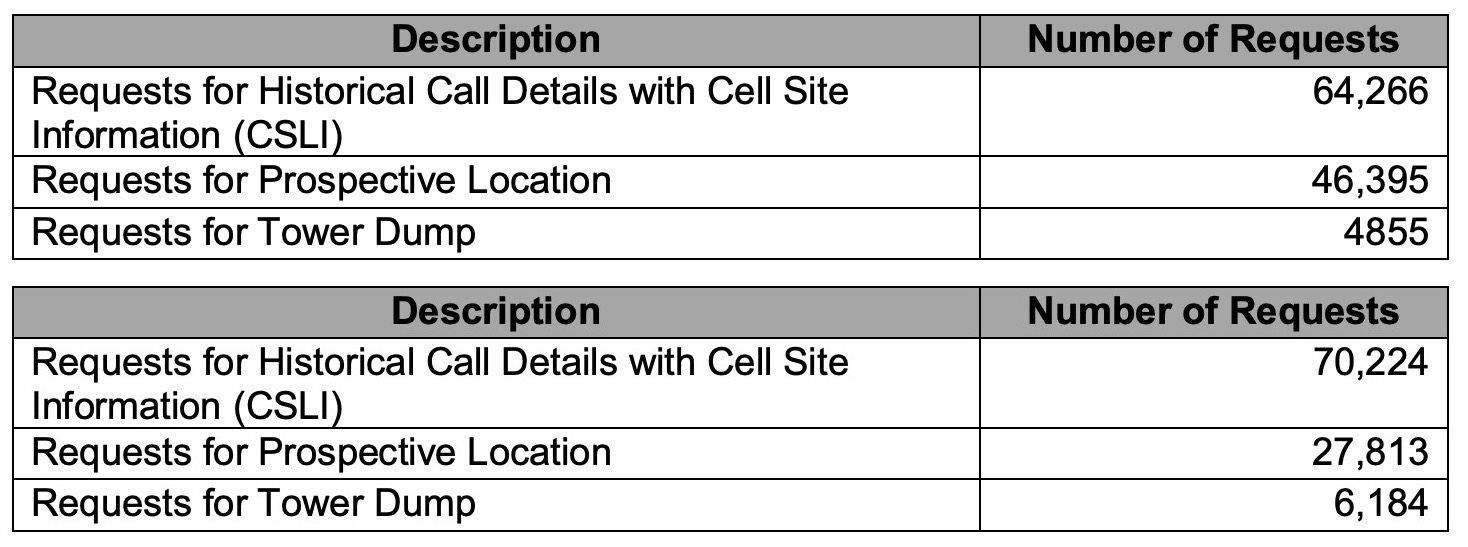
But the number of requests for historical call detail records and cell site information, which can be used to infer a subscriber’s location, has risen significantly.

For 2018, the company received 70,224 demands for historical call data, up by more than 9% on the year earlier.

Historical cell site location data allows law enforcement to understand which cell towers carried a call, text message or data, and therefore a subscriber’s historical real-time location at any given particular time. Last year the U.S. Supreme Court ruled that this data was protected and required a warrant before a company is forced to turn it over. The so-called “Carpenter” decision was expected to result in a fall in the number of requests made because the bar to obtaining the records is far higher.

T-Mobile did not immediately respond to a request asking what caused the increase.

Screen Shot 2019 07 12 at 1.24.52 PM

Call records requests by police. (2017 above, 2018 below). Source: T-Mobile.

The cell giant also reported that the number of tower dumps went up from 4,855 requests in 2017 to 6,184 requests in 2018, an increase of 27%.

Tower dumps are particularly controversial because these include information for all subscribers whose calls, messages and data went through a cell tower at any given time. That can include the data of hundreds or thousands of innocent subscribers at any time.

Although T-Mobile says it requires a court order or a search warrant, the Carpenter decision does not affect police accessing data obtained from tower dumps.

T-Mobile currently has 81.3 million customers as of its last earnings call. The company is currently in the middle of a merger with Sprint for $26.5 billion. The Justice Department is reviewing the bid, but several states are looking to block the deal entirely.

When someone great is gone: How to address grief in the workplace with empathy

Tamar Lucien
Contributor

Tamar Lucien is CEO of MentalHappy, lives in the Bay Area and enjoys spending time hiking, cooking new vegetarian recipes, meditating and dancing to 90’s music!

Birthday cakes, gift cards, free lunches, snacks, movie tickets, and other perks are generously bestowed on employees to celebrate life’s happy moments. This is an improvement from the industrial approach to management, but can we go deeper for our work-family members?

Life’s darker moments hold the greatest opportunity to exemplify a genuine and caring 21st-century workplace culture. One which fosters empathy and camaraderie. Employee turnover is highest when employees take leave, claim FMLA, or use PTO. According to Global Studies, 79% of employees report their reason for quitting was simply due to feeling unnoticed (lack of appreciation).

Appreciation for your employees is best demonstrated as an act of kindness in moments that really matter, like the loss of a family member. Acknowledging that someone great is gone, instead of ignoring the uncomfortable aspects of grief, is a valuable way to embed empathy into your workplace culture.

Recently, while working with a mid-sized (500+ employees) tech company, I asked what they were doing to support employees during the negative life moments. The HR Director replied, “um, nothing really”.

Once realizing how crappy that sounded, another executive countered her by saying he sent an employee a t-shirt and card after a miscarriage. I later learned that the employee he was referring to had been with the company for over 5 years, so it’s safe to assume that she had a couple of company swag t-shirts in her collection prior to getting one as a get well gift.

Even in the largest and most notable companies, where a variety of employee amenities and benefits are offered, the concept and practice of empathy is often neglected. Perhaps you haven’t come across such extreme examples of indifference in your workplace, but you may have participated in signing a generic condolences card or chipping in for some flowers.

Doctours offers packaged medical tourism for U.S. customers

Doctours, a Los Angeles-based online platform for booking trips and treatments for medical and dental care around the world, is expanding its services to 35 countries.

Founded by serial travel entrepreneur Katelyn O’Shaughnessy, whose last company TripScope was acquired by Travefy, Doctours aims to connect patients with doctors to receive access to quality, affordable healthcare around the world.

The cost of care in the U.S. continues to climb, leading patients with few options but to travel to the best facilities offering the lowest cost care. Some companies that provide insurance benefits to their employees, like Walmart, are opting to pay for better care upfront by transporting their workers to facilities to receive appropriate care, rather than pay later for shoddy treatment.

Doctours sort of expands that thesis in an international context.

“When it comes to medical and dental treatment, there is no longer any reason to limit ourselves based on where we live,” said O’Shaughnessy, in a statement. “There is an increasingly advantageous global marketplace available with highly trained practitioners offering quality healthcare solutions at affordable prices and, although medical and dental tourism is a safe and cost-efficient solution, the current market is extremely fragmented and challenging to navigate. Doctours eliminates this fragmentation and allows anyone to easily and affordably access international medical and dental treatments and procedures.”

Katelyn Headshot 2

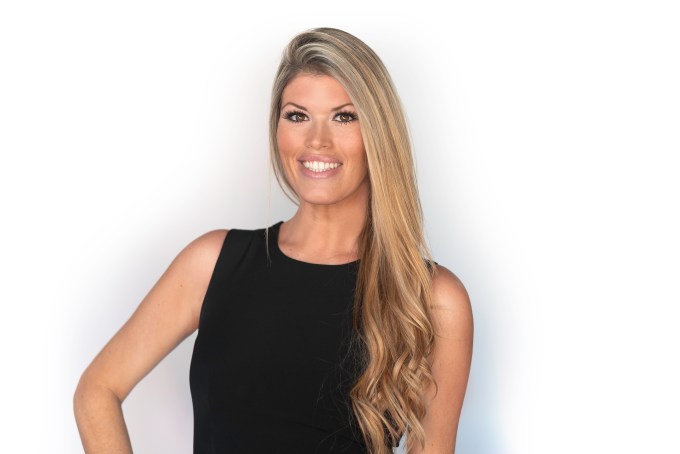
Katelyn O’Shaughnessy, founder, Doctours

The company, which is backed by investors including investors in Doctours include the former CEO of Expedia, Erik Blachford, Texas billionaire and CEO of multi-strategy holding company, Cathexis, William Harrison, and Charles Cogliando of Mosaic Advisors, offers more than 330 different medical and dental procedures and has a global service area that includes Mexico, Colombia, the Caribbean, Thailand, Dubai, Brazil, Germany and Costa Rica. 

Currently working out of Quake Capital’s Austin incubator, the company helps patients search for and compare the cost of procedures, connect with doctors and book everything from in vitro fertilization to stem cell therapy, cosmetic and reparative plastic . surgery, weight loss surgery, dental work and Lasik. 

Once the procedure is booked, Doctours puts together itineraries that provide different options for flights and hotels based on the needs of the patient,  the company said.

The company also offers specialized medical tourism insurance to all of its customers, according to O’Shaughnessy. And the company vets its doctors by ensuring that they are Joint Commission International accredited physicians. Roughly 70% of the company’s doctors were trained at universities and medical schools in Europe or the U.S., O’Shaughnessy wrote in an email.

Doctours is certainly entering a lucrative market. Medical and dental tourism is a $439 billion global market growing at a rate of 25% per year, according to data provided by Doctours. In 2018 alone, 14 million patients traveled abroad to seek healthcare, according to the company.

Digital health is growing fast — but at what cost?

Chris Hogg
Contributor

Chris Hogg is a digital health advocate interested in how new forms of health data are changing the relationship between physician and patient. As CCO of Propeller Health, he leads the company’s San Francisco office and oversees the pharma BD, health system and payer sales, clinical and medical affairs and data science teams.

Silicon Valley is obsessed with growth. And for digital health startups, that obsession is not only misguided, but dangerous.

The prevailing idea in the tech industry is that to succeed, you have to be ready to sell your idea, no matter how far along your idea really is. You’re encouraged to believe in your product even when there is no product to believe in.

And if you’re disrupting the mattress industry or the eyewear sector, maybe that’s okay.

But digital health startups must be held to a different and higher standard. We touch people’s lives, often when they are at their most vulnerable.

The healthcare startups in the news recently — Theranos, uBiome, Nurx, eClinicalWorks, Practice Fusion — seem to have lost sight of that crucial standard. We’ll never know every detail of what happened in these organizations, but one thing seems clear: In the pursuit of growth, they have put the patient second, and suffered as a result.

Where we went wrong

In the early days of digital health, I think we were much more focused on the patient than we are now. When I think of the early digital health companies — not just Propeller, but Omada Health, WellDoc, Ginger.io and Mango Health — all of their founders had an innate understanding of the importance of health outcomes. They craved proof that their product worked. They might have “faked it” a little bit when it came to their plans to scale — we all thought things would happen faster than they have — but when it came to research, they had answers, or a concrete plan to get answers.

My first conversation with Propeller’s co-founder and CEO, David Van Sickle, was illustrative of this. I met David at the geekiest of health conferences, Health Datapalooza. We talked about how sensors on medicines could improve people’s health. We talked about study designs and methods to generate data quickly in the real world, long before “real-world evidence” was all the buzz. We talked about a 500-person randomized controlled trial they were about to begin, immediately following FDA clearance of the system.

We talked — almost exclusively — about how Propeller could improve people’s lives, and how to prove that it worked.

So when did the digital health sector get away from that focus? And how do we get back to it?

I have a few theories on what went wrong.

First, it’s incredibly difficult to prioritize the patient as a digital health company when your investors are pushing for growth above all else. At Propeller, we were very lucky to have investors who understood our focus on making a product that worked, especially when growth was slow. Early digital health companies were funded like tech companies, with small amounts of money at a time and a need to show significant progress in 18-24 months to get the next round of funding. In contrast, life science companies are funded more heavily from the start, knowing there is a long road ahead of product development and clinical validation.

When I look at a company like uBiome, which may have rushed its tests through physician approval to meet aggressive growth targets, I see the effects of a culture and funding environment that pushes companies to deliver on growth first and foremost, no matter the tactics it takes to do so.

Product, then proof, then commercialization.

Second, we had a flood of founders and investors enter digital health from outside of healthcare.

I think digital health absolutely needs people, ideas and energy from outside the industry in order to change healthcare. But we also need everyone to learn the basics of how innovation occurs in a clinical setting: Product, then proof, then commercialization. Many of these new entrants were not just naive; they flaunted laws and “traditional healthcare” methods (and people) because they were deemed outdated and unnecessary.

They were aiming for disruption, not integration, and in doing so were ignoring the vast set of protections and people that have been put in place to ensure public safety.

The result is a glut of companies that have tried to scale growth before proving their product worked, which comes with tremendous risk. It can give patients and their physicians incorrect information leading to incorrect treatment. It can waste money on unneeded products. And it can impact the credibility of the entire digital health ecosystem.

Rebuilding a culture of outcomes

To fix this, we have to change the way we think about success in digital health, and that responsibility falls on many different parties.

The media has to be more critical of how it covers burgeoning digital health startups, prioritizing coverage of peer-reviewed research and proven outcomes over funding rounds and hiring numbers. The speaking circuit has to laud founders who can talk about how their products have changed people’s lives for the better, rather than giving the main speaking slot to the biggest exit of the year. And the investor community has to be patient with its investments, understanding that true growth in healthcare takes time.

And most of all, digital health startup founders have to be patient with themselves. I’ve been in the trenches of digital health; I know how hard it can be. But when things are tough and it’s easy to lose focus, you have to think to yourself, “Do I want to be in the headlines for astonishing growth now, and accusations of cutting corners in two years? Or am I okay with sacrificing temporary stardom for a product that actually helps people?”

This is not an easy choice to make. But if digital health is going to survive and scale, it’s one we have to make on a daily basis. Move slowly, and prove things: It’s the only way to create the kind of long-term change we’re seeking.

Dockless bikes, except for JUMP’s, are still on hold in SF

In light of Lyft filing a lawsuit against the city of San Francisco regarding dockless bikes, the city is holding off on its permitting process for additional dockless bike providers — at least until later this week. Although Uber-owned JUMP’s pilot was set to expire today, it is now extended until 10 days after the court’s order, SFMTA spokesperson Benjamin Barnett told TechCrunch.

In June, Lyft sued the city, claiming San Francisco was in violation of its 10-year contract with Lyft that would give the company exclusive rights to operate bike-share programs. The lawsuit was in light of SF announcing it would take applications for operators seeking permits to deploy additional stationless bikes.

San Francisco, however, said the contract does not apply to dockless bike-share, but only station-based bike-share. In its lawsuit, Lyft is seeking a preliminary injunction or temporary restraining order to prevent the city from issuing permits to operators for stationless bike-share rentals. A judge denied Lyft’s request for a temporary restraining order but is still determining whether or not to grant Lyft a preliminary injunction.

“We opened up the stationless e-bikes permit process, but legal action by Lyft/Motivate has put that process on the hold,” Barnett said.

The court order could happen as early as July 11 and as late as October 11, Barnett said. Additionally, the SFMTA is not going to issue permits until at least five days after the order.

“We recently launched our new ebike model as part of the regional bikeshare system in San Jose and have many more of these ebikes ready to go in San Francisco,” Lyft spokesperson Julie Wood told TechCrunch. “We’re eager to launch and are just waiting for the green light from SFMTA.”

Twitter updates hate speech rules to include dehumanizing speech around religion

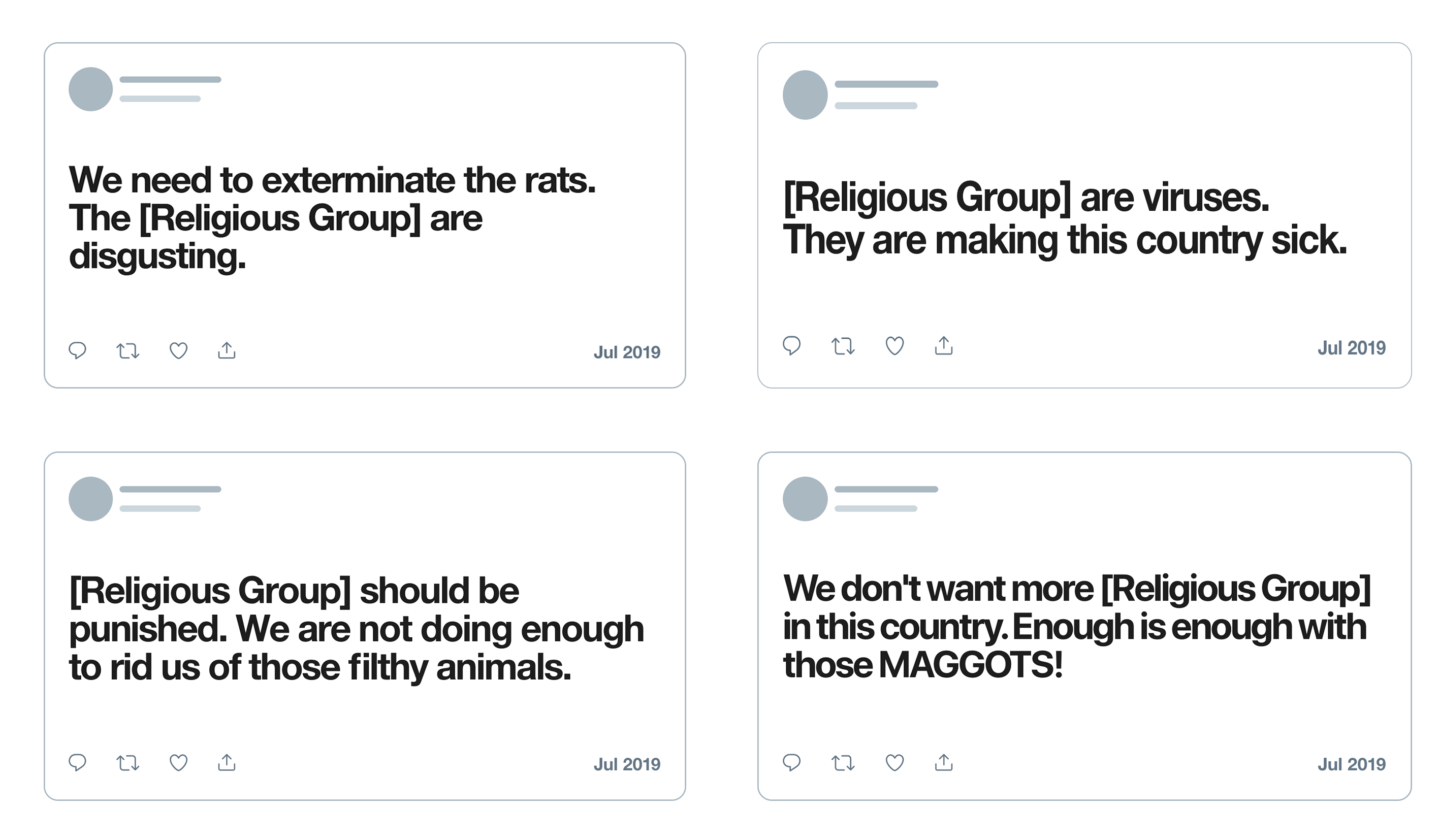
Against a backdrop of rising violence against religious minorities around the world, Twitter today said that it would update its hateful conduct rules to include dehumanizing speech against religious groups.

“After months of conversations and feedback from the public, external experts and our own teams, we’re expanding our rules against hateful conduct to include language that dehumanizes others on the basis of religion,” the company wrote on its Twitter Safety blog.

The company said it will require tweets that target specific religious groups to be removed as violations of the company’s code of conduct.

The company said that any previous tweets containing the offending language would need to be removed, but would not cause the suspension of a user’s account, because they were made before Twitter implemented and communicated the policy.

Around the world, religious minorities have been attacked in hate crimes that some organizations believe to be inspired (at least in part) by hate speech on social media. Whether it’s white supremacists responsible for the murders of Jewish congregants in Pittsburgh or Islamic worshippers in Christchurch, New Zealand, or attacks by Islamic militants like ISIS, which left more than 100 people dead in attacks on Easter Sunday, social media has played a key role in disseminating hate speech and radicalizing untold numbers of users.

In the U.S. alone, the Anti-Defamation League found that 37% of Americans had experienced severe online hate and harassment in 2018. According to the recent survey, roughly 35% of Muslims and 16% of Jews experienced harassment online because of their religious affiliation. The ADL also reported that 28% of Twitter users had experienced harassment.

Twitter said it started with religious groups after receiving more than 8,000 responses from people located in more than 30 countries around the world. 

When modifying its rules, Twitter said it focused on narrowing down what’s considered in the category for religious organizations, restricting it to just religions rather than political groups, hate groups or other non-marginalized groups with this type of language. Twitter also said it had developed a longer, more in-depth training process with teams to ensure they were informed when reviewing reports.

“It’s good that Twitter is seeking public comment as they’re developing their policy decisions and seeking input from external experts on hate, but hate and harassment on Twitter is a serious, longstanding problem,” wrote a spokesperson with the Anti-Defamation League in an email. “The fact that language dehumanizing others on the basis of religion only now violates Twitter’s rules shows how far they have to go to truly combat hate. We have urged Twitter to track and release the results of this and other policy changes to be transparent about the efficacy of their efforts.”

Flaws in hospital anesthesia and respiratory devices allow remote tampering

Security researchers have found a vulnerability in a networking protocol used in popular hospital anesthesia and respiratory machines, which they say if exploited could be used to maliciously tamper with the devices.

Researchers at healthcare security firm CyberMDX said that the protocol used in the GE Aestiva and GE Aespire devices can be used to send commands if they are connected to a terminal server on the hospital network. Those commands can silence alarms, alter records — and can be abused to change the composition of aspirated gases used in both the respirator and the anesthesia devices, the researchers say.

Homeland Security released an advisory on Tuesday, saying the flaws required “low skill level” to exploit.

“The devices use a proprietary protocol,” said Elad Luz, CyberMDX’s head of research. “It’s pretty straightforward to figure out the commands.”

One of those commands forces the device to use an older version of the protocol — which is still present in the devices to ensure backwards compatibility, said Luz. Worse, none of the commands requires any authentication, he said.

“On every version, you can first send a command to request to change the protocol version to the earliest one, and then send a request to change gas composition,” he said.

“As long as the device is ported to the network through a terminal server, anyone familiar with the communication protocol can force a revert and send a variety of illegitimate commands to the machine,” he said.

In other words, the devices are far safer if they’re not connected to the network.

CyberMDX disclosed the vulnerabilities to GE in late October 2018. GE said versions 7100 and 7900 of the Aestiva and Aespire models are affected. Both models are deployed in hospitals and medical facilities across the U.S.

GE spokesperson Amy Sarosiek told TechCrunch: “After a formal risk investigation, we have determined that this potential implementation scenario does not introduce clinical hazard or direct patient risk, and there is no vulnerability with the anesthesia device itself.”

GE said it based its assessment of no risk to patient care on international healthcare safety standards and testing maximum variation in parameter modification from the disclosed concern. “Our assessment does not lead us to believe there are patient safety issues,” the spokesperson said.

The company declined to say how many devices are affected but that the ability to modify gas composition is no longer available on systems sold after 2009.

It’s the second set of vulnerabilities in as many months released by CyberMDX. In June the research firm found vulnerabilities in a widely used medical infusion pump.

Bumble chief responds to reports of misconduct at parent company

Update 4:30pm PT: “The responses are designed to obfuscate and deflect from the facts as borne out by the rigorous reporting,” a Forbes spokesperson told TechCrunch. “We stand by our reporting 100 percent.”

Following an extensive report in Forbes about Bumble’s parent company and its billionaire founder Andrey Andreev, the female-first dating app’s founder Whitney Wolfe Herd has issued a statement.

While Wolfe Herd says she was “mortified by the allegations” and “saddened and sickened to hear that anyone, of any gender, would ever be made to feel marginalized or mistreated in any capacity at their workplace,” the exec also detailed that “Badoo is currently conducting an investigation into the allegations, as well as compiling documentation to expose the factual inaccuracies that exist within the article.”

Wolfe Herd’s statement is provided in full at the end of the article. We’ve reached out to Forbes for comment.

The Forbes report, titled “Exclusive Investigation: Sex, Drugs, Misogyny And Sleaze At The HQ Of Bumble’s Owner,” focused largely on Badoo founder Andrey Andreev and the toxic culture at his company alleged by former employees. The report alleged an early culture at Badoo that ranged from “Ketamine infused afterparties” to engineering updates named after porn stars, and a video shared internally of an employee receiving oral sex.

The allegations went beyond portraying a sexist work environment and detailed racist attitudes of the Badoo founder:

While Badoo’s popularity grew in Europe and Latin America in the early 2010s, adoption was slow in the U.S. The American user base then was mostly Latino. Andreev would complain when he saw too many dark faces on the app—he believed it lowered the value of the brand and made it look cheap, says a former employee who worked on marketing campaigns. “Andrey was always making it clear that white was better,” says the former high-ranking executive. “If someone were to arrive a little bit late to the office and they were Latino or African, he would make comments like, ‘Well, what can you expect,’ as if people who were not white were not hardworking.”

Quoted on-record was the company’s former CMO Jessica Powell, who said she was fired because she didn’t fit into the company’s “patriarchal” environment. The Forbes report further detailed:

“While serving as the company’s CMO, I was told to act pretty for investors and make job candidates ‘horny’ to work for Badoo,” Jessica Powell, Badoo’s chief marketing officer from 2011 to 2012 says in an email. “I was once even asked to give a designer candidate a massage.” She says she refused to do so, adding that “female employees were routinely discussed in terms of their appearance.”

“When female staff spoke up, their concerns were ignored or minimized,” she adds, decrying a “misogynistic atmosphere.”

Wolfe Herd’s comments showcases a broader effort to distance the Bumble brand, which is closely aligned with her own personal brand, from the allegations against Badoo and its founder. It is difficult to separate Badoo and Bumble from a business perspective, as both fall beneath Andreev’s recently created MagicLab parent company, and Andreev reportedly owns 79% of Bumble.

Though Wolfe Herd’s comment strikes a conciliatory tone, “I would never challenge someone’s feelings or experiences,” regarding former employees that alleged negative experiences at Badoo, the company’s billionaire majority stakeholder Andrey Andreev was more direct in his response to those quoted on-record: “There are many ways to promote a fictional book in order to attract attention, and Jessica is a very talented marketing professional,” he said in a statement to Forbes, noting that Powell had recently released a satirical novel.

Responding to Andreev’s statement on Twitter, Powell said, “We’ve all seen the way people try to cut down women who come forward, the way companies craft false narratives of bad behavior and try to make it seem like we were bad at our jobs or troublemakers and should not be listened to.”

A statement from MagicLab given to Business Insider aimed to discredit Forbes reporter Angel Au-Yeung: “We are extremely disappointed in the reckless reporting of the Forbes reporter. Not a single current employee is quoted, our fact-check corrections were largely ignored, and the journalist refused to talk to dozens of former and current employees who came forward to counter the sensationalist narrative of only a few former disgruntled employees.”

The statements from Andreev, MagicLab and Wolfe Herd utilize language that simultaneously takes responsibility for “anything that could have taken place” and portrays a desire to hear from marginalized employees — while also seeking to introduce doubts about the story and its sources.

For Bumble, the association with the alleged toxic culture and Andreev’s alleged discriminatory attitudes in this report could be dangerous to the brand largely because of the reputation Bumble has publicly built for itself as being a platform that puts female safety at the forefront.

“…I would never challenge someone’s feelings or experiences. I offered to the reporter to extend my contact info to anyone who felt their experience was negative and said I would be an ally and open ear to them. That offer still stands,” Wolfe Herd said in the statement. “As a woman who has been through dark times, please know that I am deeply sorry for anything that could have taken place that made anyone feel uncomfortable before my time building Bumble. And know that I feel personally responsible by association for the well-being of each and every team member in the group, regardless of what company or what office around the world, from the past or the present.”

Wolfe Herd’s full statement:

All of us at Bumble are mortified by the allegations about Badoo (Bumble’s majority owner) from the years before Bumble was born, as chronicled in the Forbes story. I am saddened and sickened to hear that anyone, of any gender, would ever be made to feel marginalized or mistreated in any capacity at their workplace. From my time speaking with the reporter, I was only able to share my personal experiences, which have been nothing but positive and respectful, ranging from 2014, before Bumble existed, and during the 5 years since. To this day, we at Bumble have never seen or heard of any of this behavior from any team members, and if we had we would have never tolerated it. However, I would never challenge someone’s feelings or experiences. I offered to the reporter to extend my contact info to anyone who felt their experience was negative and said I would be an ally and open ear to them. That offer still stands. As a woman who has been through dark times, please know that I am deeply sorry for anything that could have taken place that made anyone feel uncomfortable before my time building Bumble. And know that I feel personally responsible by association for the well-being of each and every team member in the group, regardless of what company or what office around the world, from the past or the present. Badoo is currently conducting an investigation into the allegations, as well as compiling documentation to expose the factual inaccuracies that exist within the article. I’d like to take the opportunity to clarify that I was never copied on any email from these allegations, as Forbes suggested. I learned of the majority of these allegations at the same time as the public. We at Bumble remain fiercely committed to our mission, while being openly apologetic to anyone who feels our mission is compromised. We assure you that we would never conduct business in a manner contradictory to our values and would never tolerate the type of toxic behavior described by Forbes.

Mozilla blocks spy firm DarkMatter from Firefox citing ‘significant risk’ to users

Firefox maker Mozilla said it will not trust certificates from surveillance maker DarkMatter, ending a months-long effort to be whitelisted by the popular browser.

Months earlier, the United Arab Emirates-based DarkMatter had asked Mozilla to formally trust its root certificates in the Firefox certificate store, a place in the browser reserved for certificate authorities that are trusted and approved to issue HTTPS certificates. Mozilla and other browser makers use this store to know which HTTPS certificates to trust, effectively allowing these certificate authorities to confirm a website’s identity and certify that data going to and from it is secure.

But a rogue or malicious certificate authority could allow the interception of encrypted internet traffic by faking or impersonating websites.

DarkMatter has a history of controversial and shady operations, including developing malware and spyware to be used in surveillance operations, as well as the alleged targeting of journalists critical of the company. Just weeks ago, Reuters reported that the Emirati company — which employs former U.S. National Security Agency hackers — targeted several media personalities and dissidents at the behest of the Arab monarchy.

But the company has a clean record as a certificate authority, putting Mozilla in a tough spot.

Either Mozilla could accept DarkMatter’s record as a certificate authority or reject it based off a perceived risk.

As it turns out, the latter won.

“Our foremost responsibility is to protect individuals who rely on Mozilla products,” said said Wayne Thayer, certification authority program manager at Mozilla, in a discussion group post on Tuesday. He added that DarkMatter poses “a significant risk to our users.”

“I believe this framing strongly supports a decision to revoke trust in DarkMatter’s intermediate certificates,” he wrote.

Thayer added that although both sides of DarkMatter’s business were taken into account, the browser maker cited a core Mozilla principle — “individuals’ security and privacy on the internet are fundamental and must not be treated as optional” — as a reason to reject the proposal.

Mozilla said it would also distrust six intermediary certificates in the meanwhile.

DarkMatter did not respond to a request for comment Tuesday.

Fresh tickets to our 14th Annual TechCrunch Summer Party

Our 14th Annual TechCrunch Summer Party is a mere two weeks away, and we’re serving up a fresh new batch of tickets to this popular Silicon Valley tradition. Jump on this opportunity, folks, because our previous releases sold out in a flash — and these babies won’t last long, either. Buy your ticket today.

Our summer soiree takes place on July 25 at Park Chalet, San Francisco’s coastal beer garden. Picture it: A cold brew, an ocean view, tasty food and relaxed conversations with other amazing members of the early-startup tech community.

TechCrunch parties have a reputation as a place where startup magic happens. And there will be plenty of magical opportunity afoot this year as heavy-hitter VCs from Merus Capital, August Capital, Battery Ventures, Cowboy Ventures, Data Collective, General Catalyst and Uncork Capital join the party.

There’s more than one way to make magic at our summer fete. If you’re serious about catching the eye of these major VCs, consider buying a Startup Demo Package, which includes four attendee tickets.

Fun fact: Box founders Aaron Levie and Dylan Smith met one of their first investors, DFJ, at a party hosted by TechCrunch founder Michael Arrington. It’s one of our favorite success stories.

Check out the party details:

  • When: July 25 from 5:30 p.m. – 9:00 p.m.
  • Where: Park Chalet in San Francisco
  • How much: $95
  • Startup Demo Package: $2,000

No TechCrunch party is complete without a chance to win great door prizes, including TechCrunch swag, Amazon Echos and tickets to Disrupt San Francisco 2019.

Buy your ticket today and enjoy a convivial evening of connection and community in a beautiful setting. Opportunity happens, and it’s waiting for you at the TechCrunch Summer Party.

Pro Tip: If you miss out this time, sign up here and we’ll let you know when we release the next group of tickets.

Is your company interested in sponsoring or exhibiting at the TechCrunch 14th Annual Summer Party? Contact our sponsorship sales team by filling out this form.