The new new weird

Neo-Pentecostal gangs in Brazil, driving out other faiths at gunpoint. A mob of 100 lawyers attacking a hospital in Pakistan to revenge themselves on violent doctors there. Anti-vaxxers, neo-Nazis, and red-pillers. Sometimes it seems like the world has fragmented into a jagged kaleidoscope of countless mobs and subcultures, each more disconcerting than the last.

Much of this is selection bias: if it bleeds, it leads, in both mass media and social-media algorithms. But it does seem plausible that the Internet is contributing to this kaleidoscope, to this growth in worrisome fringe subcultures, in three separate ways: complexity, information, and connectivity.

Connectivity is the most obvious avenue. The Internet empowers everyone to find their like-minded people, and this is as true of the hateful and vengeful as it is of the dispossessed and downtrodden. Furthermore, the power of a group increases nonlinearly with its size. The hateful views of one man in a community of 100 people are unlikely to make a huge collective difference; worst case, they become a fabled missing stair. But 1% of a nation of 100 million? That’s a million people. That’s a movement ready to join, to march, to pay tithes, to reinforce one another.

Information is more subtle. There’s a fascinating quote from the recent New Yorker profile of William Gibson: “Gibson noticed that people with access to unlimited information could develop illusions of omniscience.” You can get any kind of information you want on the Internet. You can find what appear at first glance to be closely argued and well-supported claims that global warming will kill off all but half a billion people by the end of this century, and also, if you prefer, that global warming is an authoritarian hoax.

No wonder people increasingly act as if the truth is something you choose from a buffet rather than a fact that will eventually bite you, hard, if you refuse to believe in it. As Philip K. Dick put it, “Reality is that which, when you stop believing in it, doesn’t go away.” But if all your information comes from the Internet, and is never testable, you never have to stop believing in it … until it’s far too late.

Complexity is, I think, the saddest. It has nothing to do with being led astray by evil companions or disinformation. It’s just that our modern world has become so complicated, such an endless buzz of noise and events and obligations, that lashing back against it, fixating on a simple solution to all the world’s problems, makes people feel strong. This delightful article about schisms among believers in a flat Earth includes the telling quote: “When you find out the Earth is flat … then you become empowered.”

Is the world going to get weirder yet, with new and more bizarre and inexplicable subcultures erupting from the Internet with every passing year? Have we hit the plateau of an S-curve? Or are we in a local minimum, and as we get better at dealing with connectivity and complexity, will we look back on these as the crazy years? My money’s on door number two … but I’ve been outweirded before.

Max Q: Blue Origin launches a New Shepard and Rocket Lab officially opens U.S. launch site

Max Q is a new weekly newsletter all about space from TechCrunch. Sign up here to receive it weekly on Sundays in your inbox.

This is it – the very first edition of Max Q: TechCrunch’s space newsletter. Despite approaching the end of the year, it’s been a really busy week in the space industry, too. Between launches real and metaphorical, there’s plenty of activity to catch up on. And if you’ve got any space stuff you want to share for future newsletters, feel free to email me at [email protected] or let me know on Twitter @etherington.

Space enters a bit of a frenzy time at year’s end as a lot of other areas in tech are slowing down – especially over the past few years, as a number of companies push to re-ignite crewed spaceflight in the U.S. It’s common for many of these companies, and NASA itself, to set ambitious, optimistic timelines, and that often also means trying to fit in as much as possible before the year is out to make good on at least some of those promises.

Blue Origin launches and lands 12th New Shepard

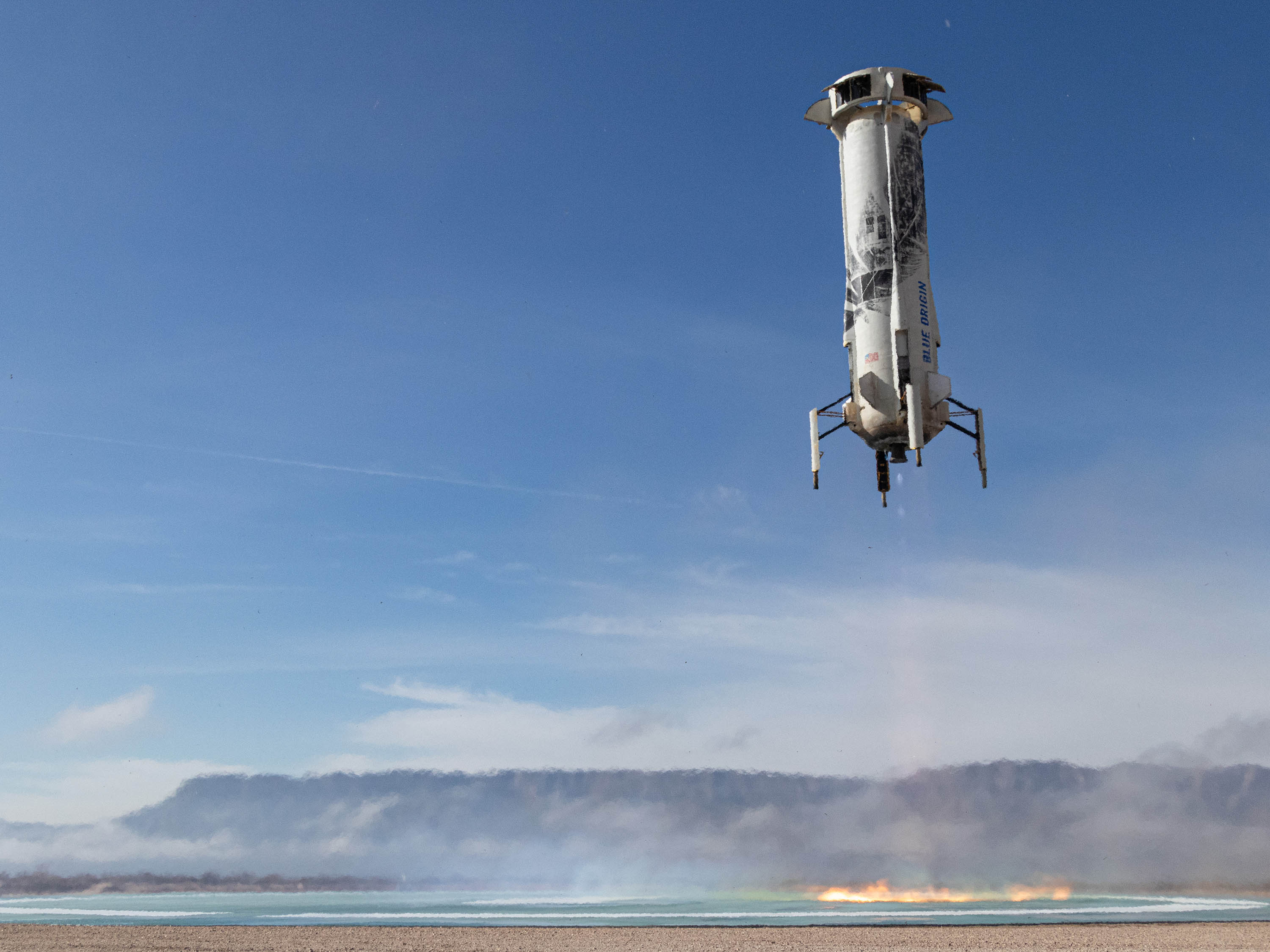
Blue Origin launched its 12th New Shepard sub-orbital spacecraft this week, on its second try after bad weather scrubbed the first attempt. The launch was the sixth for the booster stage rocket used on the mission, and it landed perfectly meaning it could potentially serve even more launches in future.

Onboard were experimental and research payloads from Columbia University and NASA’s Kennedy Space Center, as well as student postcards and art projects from a collaborative contest launched with the band OK Go. This mission is also noteworthy because it’s yet another step in Blue Origin’s progress towards qualifying New Shepard for human flight, after which it’ll start to shuttle tourists to space for a quick, but unbeatable, view.

Rocket Lab’s U.S. launch site is officially open

Rocket Lab, one of few launch startups that’s actually flying payloads to space, has officially opened its second launch pad – this one in the U.S. The company’s original launch site, which will continue to fly missions, is in New Zealand, but its new launch facility on Wallops Island in Virginia will open the doors for a key new customers, the U.S. Air Force. The first launch from this site, designed LC-2, should happen sometime in the first half of next year.

Kepler Communications books SpaceX rideshare missions

Small satellite startup Kepler Communications has booked two batches of nanosatellite launches on board SpaceX’s new rideshare missions. SpaceX announced earlier this year that it would be doing this as a new offering, allowing companies with smaller payloads to book space on a ride that will take up a bunch at once. It’s perfect for startups like Kepler, who wouldn’t be the primary customer on any SpaceX mission, and who might not be able to find a large lead partner to foot the majority of the bill for a mission that works on their schedule.

Near Space Labs uses stratospheric satellites to do what orbital ones can’t

A new startup is looking to produce high-resolution, on-demand and timely imaging for various customers and applications, and it’s using its own custom satellites hat are carried by weather balloons to make it happen. Advantages of taking this approach include cost, as well as access and the ability to capture very detailed pictures without having to use massively expensive and bulky optics, as you would from space.

Northrop Grumman booked a customer for its first OmegA rocket flight

Northrop Grumman’s in-development OmegA launch craft will be able to carry large payloads, and it’ll be doing that mostly on behalf of the U.S. Air Force and other U.S. defence agencies. But the rocket will first need to qualify to get USAF clearance to operate, and it’s going to be using its first ever launch in pursuit of said qualification to also ferry payloads for paying customers. Two birds, one stone, as they say.

What starfighters would look like if Porsche was in the Star Wars universe

There’s a new Star Wars movie coming out this week, and it’ll definitely feature new ships and other fancy sci-fi gadgets, if previous films are any indication. One you won’t see in the movie is this starfighter, which was designed in collaboration with both Porsche and Lucasfilm . The ship has a distinctive Star Wars vibe, to be sure – but Porsche says it’s also got elements inspired by the 911 and Taycan. Still definitely wouldn’t look out of place berthed next to the Millennium Falcon.

What to watch out for this week

SpaceX has a launch coming up on Monday, and the crucial Boeing/NASA commercial crew capsule test launch is set for Friday, December 20. That launch will be the uncrewed version of the first-ever commercial crew launch for Boeing’s Starliner crew capsule, and if all goes well, that will mean we’re closer than ever for U.S. astronauts launching once again from U.S. soil aboard an American launch vehicle.

Uber all set to sell UberEats’ India business to Zomato

Uber is in advanced stages of talks to sell its food delivery service UberEats’ India business to local rival Zomato, as the American ride-hailing giant looks to cut its spending globally, three people familiar with the matter told TechCrunch.

The deal currently values UberEats’ India business at around $400 million, one of the sources said. As part of the deal, Uber may invest between $150 to $200 million in Zomato and get a sizable stake in the 11-year-old Indian firm, people said.

A spokesperson for Uber declined to comment on Saturday. A text to Zomato founder and chief executive Deepinder Goyal, who met Uber executives mid-last week, remained unanswered.

Uber and Zomato are still negotiating the terms but the deal could finalize before the end of the year, people said. Indian newspaper Times of India first reported about Zomato and Uber’s talks last month.

The talks come at a time when Zomato is in final stages to close a new financing round of $600 million, Goyal told news agency PTI earlier this month. TechCrunch reported earlier that China’s Ant Financial was close to leading a funding round of up to $600 million in Zomato at a valuation of $3 billion.

If the deal goes through, it would mark the end of a year-long struggle for the U.S. giant that has had multiple conversations with both Zomato and Prosus Ventures-backed Swiggy to offload UberEats’ India business.

Uber launched its food delivery service in India in mid-2017. Even as the ride-hailing giant offered major discounts to win customers, UberEats never posed a real threat to Zomato and Swiggy, both of which process more than 1 million orders each day.

In comparison, UberEats’ daily volume of orders peaked under 600,000, said one of the sources. Furthermore, recent quarters have been tough for UberEats, which saw two key executives — Bhavik Rathod (UberEats’ India and Southeast Asia head), and Deepak Reddy (head of central operations for UberEats in India) — leave the firm.

During his visit to India in October this year, Uber chief executive Dara Khosrowshahi said the company remains committed to India, but avoided a question surrounding UberEats’ future in the nation.

In recent earnings call, Khosrowshahi has acknowledged that UberEats is facing tough competition in India but suggested that the company would continue to operate in the food delivery space.

“Right now the market is very, very competitive. There are a few very strong competitors there. Generally, I would tell you that we want to be the #1 or #2 in every single market. Right now in India, we’re the #3. And so the team knows there’s a big lift ahead of them, but we’re on the game,” he said in August.

At a New York Times conference last month, he said the company is “very clear that, with UberEats, we are either going to be No. 1 or No. 2 player in every country where we operate in the next 18 months — or we are going to get out.”

The ride-hailing giant projected a negative revenue of $107.5 million for its UberEats business in India for the period between August and December of this year.

Offloading UberEats India would help Uber, which exit Southeast Asia last year, reduce its global losses. The company, which has cut hundreds of jobs this year, reported a quarterly loss of more than $1 billion in November. In the prior quarter, it lost about $5.2 billion. Uber says that it aims to become profitable by 2021.

Zomato, too, has been reducing its burn rate. The company, which as of last year was losing more than $40 million each month, has cut its monthly loss to $20 million, Info Edge, one of the investors in Zomato, told analysts in an earnings call last month.

Meanwhile, Swiggy continues to expand to more cities and explore delivery beyond food category. In a recent interview with TechCrunch, Prosus Ventures executives said they believe in long-term bets, a strategy — and the fact that it alone brought $716 million to a $1 billion round in Swiggy late last year — has helped the food delivery startup expand to more than 500 cities, up from fewer than a dozen cities three years ago.

Like Zomato and UberEats, Swiggy, too, is not profitable.

RCS messaging has rolled out to Android users in the US

Here’s a nice little surprise for Android users this weekend. It seems that Google’s pans to roll out Rich Communication Services (RCS) messaging is slightly ahead of schedule. The company announced in November that it would be making the feature available for all Android users in the country by year-end.

A tweet from Android Messages product manager Sanaz Ahari confirms that the SMS-successor has been made available to users in the States as of this week. The new protocol brings with it some key advances over messaging stalwart, SMS.

Hi everyone! RCS is now available to all users in US as of Monday. Make sure to update both Messages and Carrier Services.

— Sanaz (@sanazahari) December 12, 2019

The update brings a lot of features that many have been compared to iMessage, Apple’s standard protocol that’s done a good keeping many users onboard with iOS, for fear of becoming a green bubble. Key features include read receipts, the ability to see another user typing in real-time, larger file transfers and improved group messaging (though, as noted, some features like end to end encryption are still lacking).

Notably back in October, the U.S.’s four primary carriers formed a rare joint effort to accelerate the adoption of RCS. Both the Messages app and carrier services have to be updated to get access. Users in the U.K. and France also have access to the feature as of this summer, with more countries coming soon.

Spotify spent a lot of money on podcasting, so it wants you to start listening, please

Listen. Spotify’s tired of screwing around here. The company spent a lot of money on podcasts. Like, a lot, a lot. And it really needs you to start listening to things, because it’s almost certainly going to spend even more in the coming years.

I mean, music is good, too, don’t get it wrong, but with between $400 and $500 million spent on the format in 2019 alone, the service is really going to need you to hold up your end of the deal here and just, pretty please start streaming the things. This week, Spotify is introducing a new button to help kickstart the habit.

First noted by The Verge, the feature is coming to users in a number of markets, including the U.S., U.K., Brazil, Mexico, Ireland, New Zealand and Australia, limited to those users who have yet to use Spotify to listen to a podcast. I’d imagine that still applies to a broad swath of users. Spotify is still a relatively new entrant in the field, and while podcasting is growing at a rapid rate, many listeners have already settled on a player.

The service has a big lift here, attempting to distinguish itself with premium offerings in a flood of free content. Spotify certainly pushed podcasts big time in its viral year-end wrap ups, prominently featuring them among artists, even if you only listened to an episode or two.

Discovery could be a big part. That’s a puzzle many platforms are still working to crack beyond simply recommendations. The company notes that it will recommend both its own and non-Spotify podcasts with the feature. It will be interesting to see how much it pushes its own offerings, however, given the massive size of its investment.

Week in Review: Pet startups will be the death of Silicon Valley

Hey everyone. Thank you for welcoming me into your inboxes yet again.

I’m in Berlin where TechCrunch just pulled off another great Disrupt event, we’ve got a lot of great Europe-focused startup content on the site so get to scrolling if your interest is piqued.

If you’re reading this on the TechCrunch site, you can get this in your inbox here, and follow my tweets here.


The big story

Just as Pets.com symbolized the ridiculousness that came to frame the tech industry preceding the Dotcom bubble burst at the start of the century, dog-walking startup Wag might symbolize that SoftBank’s earthquaking investment overexposure may extend far beyond a one-time WeWork mistake.

This week, the WSJ reported that SoftBank had tossed in the towel on Wag, selling off its massive “nearly 50% stake” in the startup. The report states that SoftBank sold its stake back to the startup at a valuation far below its previous $650 million value. SoftBank is walking away from its two board seats in the process.

Wag will be laying off “a significant amount of the remainder of its workforce,” according to the report.

High-ambition startups stumble all of the time, but SoftBank’s money bag-swinging swagger has left a handful of startups with dollar signs in their eyes and the desire to grow at a pace that they never dreamed of. When LA-based Wag closed its $300 million raise from SoftBank at the beginning of 2018, plenty of people wondered why on earth a dog-walking startup needed that kind of money.

Shift forward to the end of 2019, and startups that have relied on connecting contractor labor with phone-wielding consumers haven’t proven to be as capable in shifting into profitability with Wag seeming to be yet another example.

Needless to say Pets.com and Wag really don’t hold much comparison when it comes to the broader impact. Pets.com was well-known largely because of its hilarious marketing overextension, Wag’s stumblings are far more impactful, especially as they relate to the reputation of its Japanese benefactor which has significantly reshaped the venture capital market in Silicon Valley and around the world.

Send me feedback
on Twitter @lucasmtny or email
[email protected]

On to the rest of the week’s news.

Trends of the week

Here are a few big news items from big companies, with green links to all the sweet, sweet added context:

  • Apple revamps parental controls on iOS
    Apple is giving its parental control tools for iOS new functionality. The new update in iOS 13.3 lets parents set limits over who their kids can talk to and text with during certain hours of the day.
  • Away CEO steps down
    One of the weirder sagas of the week was Away CEO Steph Korey’s stepping down from her role at the D2C luggage company. The step-down followed a long investigation in the Verge which basically chronicled how awful life was on Away’s customer service team which painted a pretty ugly portrait of Korey’s leadership style. It was a rough article, but after Korey’s apology acknowledged that she had made some mistakes and would be trying to fix her management style, most people assumed the saga had wrapped. She stepped down this week following what was reported to be board pressure to do so, turns out they had been wanting to replace Korey and the negative press was the excuse they needed.

GAFA Gaffes

How did the top tech companies screw up this week? This clearly needs its own section, in order of badness:

dollar bills

Image: Bryce Durbin/TechCrunch

Extra Crunch

Our premium subscription business had another great week of content. Our good friend Alex Wilhelm (who hired me as an intern four years ago!) is back at TechCrunch and has fired up a new series on Extra Crunch. Here’s his first post on the new hot club to join.

The $100M ARR Club

“…Firms with valuations that their revenues can’t back are in similar straits. In the post-WeWork era, some unicorns are starting to look a bit long in the tooth. I suspect that the companies in most danger are those with slim revenues (compared to their valuations), poor revenue quality (compared to software startups) or both.

That said, there is a club of private companies that are really something, namely private ones that have managed to reach the $100 million annual recurring revenue (ARR) threshold. It’s not a large group, as startups that tend to cross the $100 million ARR mark are well on the path to going public…”

Sign up for more newsletters including my colleague Darrell Etherington’s new space-focused newsletter Max Q here.

With $4B food delivery acquisition, Korea poised to enter upper tier of startup hubs

Seoul and South Korea may well be the secret startup hub that (still) no one talks about.

While often dwarfed by the scale and scope of the Chinese startup market next door, South Korea has proven over the last few years that it can — and will — enter the top-tier of startup hubs.

Case in point: Baedal Minjok (typically shortened to Baemin), one of the country’s leading food delivery apps, announced an acquisition offer by Berlin-based Delivery Hero in a blockbuster $4 billion transaction late this week, representing potentially one of the largest exits yet for the Korean startup world.

The transaction faces antitrust review before closing, since Delivery Hero owns Baemin’s largest competitor Yogiyo, and therefore is conditional on regulatory approval. Delivery Hero bought a majority stake in Yogiyo way back in 2014.

What’s been dazzling though is to have witnessed the growth of this hub over the past decade. As TechCrunch’s former foreign correspondent in Seoul five years ago and a university researcher locally at KAIST eight years ago, I’ve been watching the growth of this hub locally and from afar for years now.

While the country remains dominated by its chaebol tech conglomerates — none more important than Samsung — it’s the country’s startup and culture industries that are driving dynamism in this economy. And with money flooding out of the country’s pension funds into the startup world (both locally and internationally), even more opportunities await entrepreneurs willing to slough off traditional big corporate career paths and take the startup route.

Baemin’s original branding was heavy on the illustrations.

Five years ago, Baemin was just an app for chicken delivery with a cutesy and creative interface facing criticism from restaurant franchise owners over fees. Now, its motorbikes are seen all over Seoul, and the company has installed speakers in many restaurants where a catchy whistle and the company’s name are announced every time there is an online delivery order.

(Last week when I was in Seoul, one restaurant seemingly received an order every 1-3 minutes with a “Baedal Minjok Order!” announcement that made eating a quite distracted experience. Amazing product marketing tactic though that I am surprised more U.S.-based food delivery startups haven’t copied yet).

The strengths of the ecosystem remain the same as they have always been. A huge workforce of smart graduates (Korea has one of the highest education rates in the world), plus a high youth unemployment and underemployment rate have driven more and more potential founders down the startup path rather than holding out for professional positions that may never materialize.

What has changed is venture capital funding. It wasn’t so long ago that Korea struggled to get any funding for its startups. Years ago, the government initiated a program to underwrite the creation of venture capital firms focused on the country’s entrepreneurs, simply because there was just no capital to get a startup underway (it was not uncommon among some deals I heard of at the time for a $100k seed check to buy almost a majority of a startup’s equity).

Now, Korea has become a startup target for many international funds, including Goldman Sachs and Sequoia. It has also been at the center of many of the developments of blockchain in recent years, with the massive funding boom and crash that market sustained. Altogether, the increased funding has led to a number of unicorn startups — a total of seven according to the The Crunchbase Unicorn Leaderboard.

And the country is just getting started – with a bunch of new startups looking poised to driven toward huge outcomes in the coming years.

Thus, there continues to be a unique opportunity for venture investors who are willing to cross the barriers here and engage. That said, there are challenges to overcome to make the most of the country’s past and future success.

Perhaps the hardest problem is simply getting insight on what is happening locally. While China attracts large contingents of foreign correspondents who cover everything from national security to the country’s startups and economy, Korea’s foreign media coverage basically entails coverage of the funny guy to the North and the occasional odd cultural note. Dedicated startup journalists do exist, but they are unfortunately few and far between and vastly under-resourced compared to the scale of the ecosystem.

Plus, similar to New York City, there are also just a number of different ecosystems that broadly don’t interact with each other. For Korea, it has startups that target the domestic market (which makes up the bulk of its existing unicorns), plus leading companies in industries as diverse as semiconductors, gaming, and music/entertainment. My experience is that these different verticals exist separately from each other not just socially, but also geographically as well, making it hard to combine talent and insights across different industries.

Yet ultimately, as valuations soar in the Valley and other prominent tech hubs, it is the next tier of startup cities that might well offer the best return profiles. For the early investors in Baemin, this was a week to celebrate, perhaps with some fried chicken delivery.

Volkswagen to bring self-driving electric shuttles to Qatar by 2022

Volkswagen Group and Qatar have agreed to develop a public transit system of autonomous shuttles and buses by 2022 for the capital city of Doha.

The agreement signed Saturday by VW Group and the Qatar Investment Authority is an expansive project that will involve four brands under VW Group, including Volkswagen Commercial Vehicles, Scania, its shared ride service MOIA and Audi subsidiary Autonomous Intelligent Driving, or AID.

The aim is to develop the entire transport system, including the electric autonomous shuttles and buses, legal framework, city infrastructure and ride-hailing software required to deploy a commercial service there. The autonomous vehicles will be integrated into existing public transit.

“For our cities to progress we need a new wave of innovation,” QIA CEO Mansoor Al Mahmoud said in a statement. “AI-enabled, emission-free transportation technologies will help advance urban mobility, while diminishing congestion and improving energy efficiency.

The fleet will include 35 autonomous electric ID. Buzz vehicles from the Volkswagen Commercial Vehicles unit, which will shuttle up to four passengers on semi-fixed routes in a geo-fenced area of Doha. Another 10 Scania buses will be used for larger groups.

Closed testing of the shuttle vehicles and buses is expected to begin in 2020. Trials could start as early as 2021. VW and QIA said the project will go live by the end of 2022.

Fortnite gets lightsabers, courtesy of ‘Star Wars: The Rise of Skywalker’ promo

The final installment of the sequel trilogy is getting a lot of creative promotion — even by Star Wars standards. With The Rise of Skywalker out in just under a week, J.J. Abrams (and some spotty server issues) paid a visit to Fortnite. The director showed off an exclusive clip from the upcoming film featuring the familiar trio of Rey, Finn and Poe Dameron.

That and watching a bunch of stormtroopers dance around is all well and good, but the real fun came next. Darth Galactic Empire Lord Palpatine-Sidious kicked off a final segment that found players rushing to grab the latest Fortnite weapon: a lightsaber.

good update imo pic.twitter.com/LgbG0iU4bF

— andrew webster (@A_Webster) December 14, 2019

As The Verge notes, there are a bunch of other in-game Star Wars challenges added to the title as part of the promo, but honestly, lightsabers. Just lightsabers. The game now sports a variety of different colors of the iconic kyber crystal-powered weapon, including a crossguard version like the kind sported by Kylo Ren in the new films.

The lead up to the film has seen a slew of different Star Wars add-ons, including skins of Stormtroopers, main characters Rey and Finn and a TIE Interceptor-style glider.

Let’s talk Samsung Galaxy S11

We’ve officially entered the mid-December hardware doldrums. Obviously no major hardware maker in its right mind is going to be announcing anything major in the next few weeks, for fear of preemptively cannibalizing holiday sales. Things will, however, heat up immediately after the new year with the kick off of CES. Then, a little over a month later, comes MWC.

Sandwiched somewhere in there is the launch of Samsung’s next flagship. This is the device that sets the tone for the company for the whole year. Samsung’s six month flagship release cycle (S series, followed by the Note) affords the company the ability to offer more frequent refreshes, but this first one is really a standard setter for both the company and the industry at large.

A February 18 launch date has been floated for the next flagship. The timing certainly makes sense. Samsung has broken away from MWC — and big tech shows in general — for its biggest announcements. Doing so puts the spotlight on its own devices and beats the MWC news glut for a few weeks. Likely available for the devices will begin the following month.

As for the name — there’s no reason to believe the company would use this opportunity to break away from the S11/S11+ scheme this time out. So we’re going to stick with that until credibly informed otherwise.

The recently announced Snapdragon 865 will be powering the device in a number of markets, making the S11 among the first devices to launch with the latest flagship SoC. A recent report also suggests that the configuration will be available in even more markets, including, potentially its native South Korea. Standardized 5G seems possible across the board, though that’s likely going to mean an even more prohibitively expensive starting price. It’s a big jump, especially with a still-spotty rollout in many markets.

An under-screen front-facing camera has been rumored, but the more familiar hole punch seems a lot more likely for this gen. Renders (courtesy of OnLeaks) of the device point to a design similar to the most recent Note, only with an even more trypophobia-inducing design than the most recent iPhone and Google Pixel (which is saying something). The camera bump appears downright massive, monopolizing an impressive portion of the rear.

An impossible large 108 megapixel camera has been rumored for the device, along with 8K video. Either way, imagining is no doubt going to once again be a major focus for the line. So, too, is a healthy battery increase.

EVLeaks, meanwhile, is suggesting an EVEN LARGER screen, with the S11e measuring either 6.2 or 6.4 inches, the S11 at 6.7 inches and the S11+ at a huge 6.9 inches. Plenty more leaks sure to come between now and mid-February. Stay tuned. 

New Orleans declares state of emergency following ransomware attack

New Orleans declared a state of emergency and shut down its computers after a cyber security event, the latest in a string of city and state governments to be attacked by hackers.

Suspicious activity was spotted around 5 a.m. Friday morning. By 8 a.m., there was an uptick in that activity, which included evidence of phishing attempts and ransomware, Kim LaGrue, the city’s head of IT said in a press conference. Once the city confirmed it was under attack, servers and computers were shut down.

While ransomware was detected there are no requests made to the city of New Orleans at this time, but that is very much a part of our investigation, New Orleans Mayor LaToya Cantrell said during a press conference.

Numerous local and state governments have been plagued by ransomware, a file-encrypting malware that demands money for the decryption key. Pensacola, Florida and Jackson County, Georgia are just a few examples of the near-constant stream of ransomeware attacks over the past year. Louisiana state government was attacked in November, prompting officials to deactivate government websites and other digital services and causing the governor to declare a state of emergency. It was the state’s second declaration related to a ransomware attack in less than six months.

Governments and local authorities are particularly vulnerable as they’re often underfunded and unresourced, and unable to protect their systems from some of the major threats.

New Orleans, it appears was somewhat prepared, which officials said was the result of training and its ability to operate without internet. The investigation is in its early stages, but for now it appears that city employees didn’t interact with or provide credentials or any information to possible attackers, according to officials.

“If there is a positive about being a city that has been touched by disasters and essentially been brought down to zero in the past, is that our plans and activity from a public safety perspective reflect the fact that we can operate with internet, without city networking,” said Collin Arnold, director of Homeland Security, adding that they’ve gone back to pen and paper for now.

Police, fire and EMS are prepared to work outside of the city’s internet network. Emergency communications are not affected by the cybersecurity incident, according to city officials. However, other services such as scheduling building inspections are being handled manually.

New Orleans’s Real-Time Crime Center does work off the city network, however the cameras throughout the city record independently, so right now all of those cameras are still recording regardless of connectivity to the city’s network, Arnold added. 

A declaration of a state of emergency has been filed with the Civil District Court in connection with today’s cyber security event. pic.twitter.com/OQXDGv7JS4

— The City Of New Orleans (@CityOfNOLA) December 13, 2019

Federal, state and local officials are now involved in an investigation into the security incident.

Gift Guide: Gifts for the commuters in your life

Welcome to TechCrunch’s 2019 Holiday Gift Guide! Need help with gift ideas? We’re here to help! We’ll be rolling out gift guides from now through the end of December. You can find our other guides right here.

Remote working has become a new normal in the life of an employee. Spurred by ubiquitous broadband and mobile connectivity, lighter and smaller computers, and everything you need in the cloud, a lot of people have felt a lot less of a need to be in the same physical space as everyone else, day in day out, to get things done.

And yet, there remains a critical mass of people in and near big towns and cities who continue to commute.

For this guide, we’re focusing on commuters who eschew cars for all the obvious reasons — traffic, parking, gas costs, and more traffic — and instead opt for buses, trains, subways and bikes to travel to their “offices” — be they actual offices, or cafes or other workspaces — on a regular or semi-regular basis.

Daily commutes around most of the world’s metro areas can stretch into more than an hour per day on average, according to research from Moovit. In other words, these are presents that go to the heart of how your special people spend significant chunks of their days, weeks, months and years.

This gift guide is to help make that time more well spent. 

These products are the epitome of the genre-crossing, “prosumer” lives many of us seem to live today: they straddle the worlds of practicality and of fun, presents that might help them work during their commute, or get their minds off work, or to make their work trip a little safer or easier. Happy shopping (and hopefully, happier commuting).

This article contains links to affiliate partners where available. When you buy through these links, TechCrunch may earn an affiliate commission.

Smart bike lights
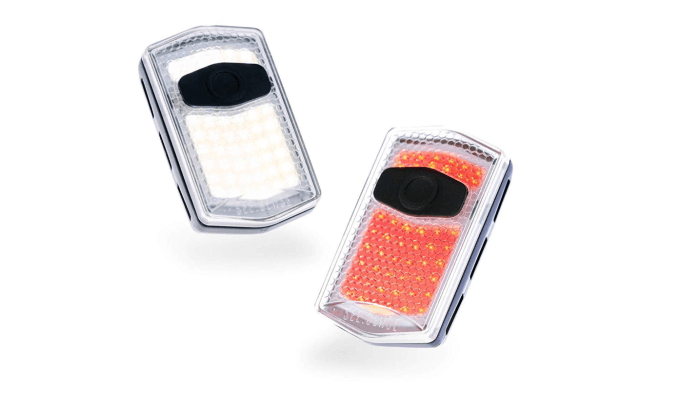
There’s been a big shift in these over the last decade or so. The bike lights of yesterday were barely-visible front and rear lights, semi-permanently attached to your handlebars and backseat, powered by batteries that always seemed to run out. Today, you can buy much brighter LED-based lights, which work on USB chargers to keep doing their job and easily attach and detach wherever you choose to buckle them.

Smart lights are the next gear up on that trajectory, with app-based controls and so.much.more. UK company See.Sense’s version packs a strong punch: on top of the being brighter, easier to remove and recharge, the lights link up with an app to alert you when someone appears to be stealing your bike, and they sense when you are cycling faster and slower and blink more rapidly when there’s more traffic to make sure the cyclist is better seen. The downside is that hills won’t be the only steep thing on your horizon.

Price: $120 on Amazon for a Front/Rear set

Bike-mounted speaker
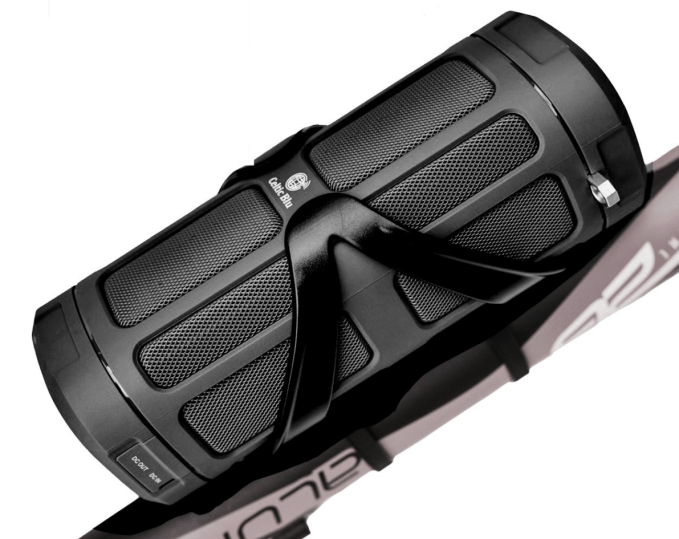
A worrying number of cyclists get around the streets with headphones in their ears to pick up navigation instructions, listen to music or podcasts, or talk on the phone. This is not ideal, though, as it means they cannot fully hear the noise of traffic in their midst. A bike-mounted speaker is a way to let the rider continue to listen to their audio, but not at the detriment of hearing other important traffic noises.

This Celtic Blu speaker is one of the more fancy of the dozens of bike speakers that are on the market today. Alongside the basics of offering a Bluetooth connection to play music or other media from your phone and being waterproof, it doubles as a charging bank for other devices, can work as a microphone to take calls, and has an additional set of controls that you access from the handlebars to adjust sound, answer calls and other actions more safely. The downside is that it’s one of the bigger of the speakers,  potentially taking up space you migh have mounted a water bottle.

Price: $80 on Amazon

Streaming, podcast or audiobook gift cards
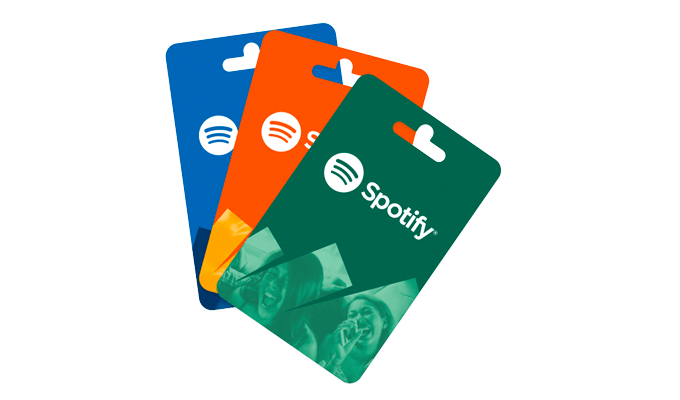
Streaming services from Spotify, Apple, Amazon and others have been growing in ubiquity by leaps and bounds, but if your commuter isn’t already subscribing to one of these, or if they’re only using the free tier, giving them a chance to test out the premium service with a giftcard could be a welcome present. It can also be one to personalise: find a mix of podcast programs you think your commuter might like to hear, or pick out a selection of books for the listening, to give alongside the card. (See some book recommendations here and here.)

Price: Audible starts at $15/month; Spotify Gift Cards are widely available from retailers including Amazon.

Wireless ear buds and headphones
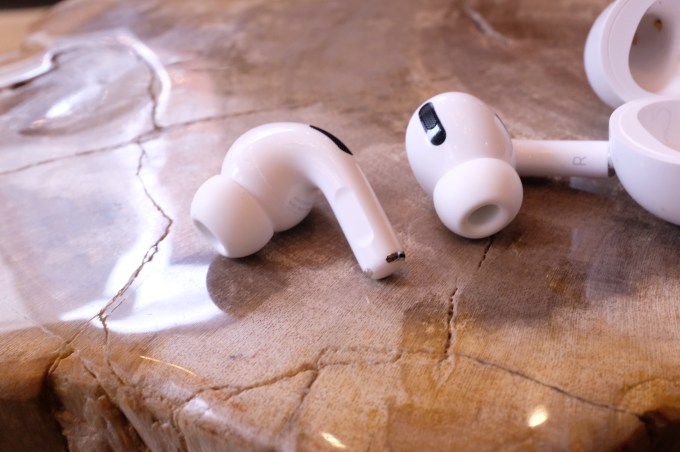
Airpods Pro

I personally worry about how safe these are for cycling, so I won’t endorse them for bike usage. But they have quickly become one of the must-haves for commuters on other transportation modes who are mad as hell about tangled cords and not going to take it anymore. Apple’s Air Pods Pro, at $249, are a noticeable improvement on the previous generation of their wireless buds, and the world has noticed: they have been a huge sell-out success, with orders now only shipping in January. There are dozens of others now on the market if you don’t want to wait, or pay the premium to own an Apple product.

Price: Airpods Pro, $249 on Amazon | For a more classic (and cheaper) headphone style, try these from Sony.

E-Reader
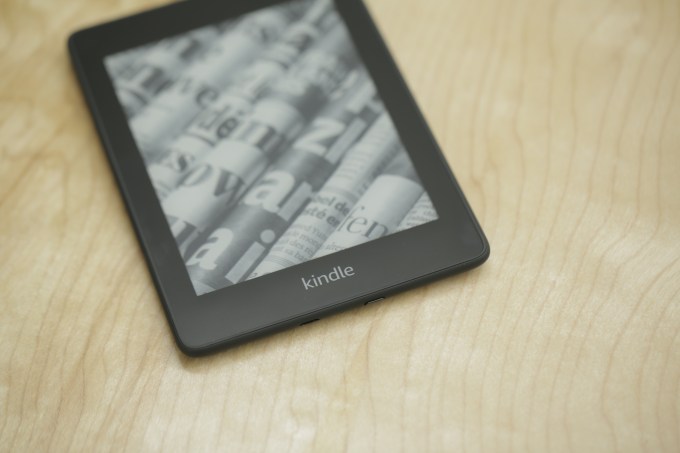
No, not everyone has one of these. Yes, they are still a huge seller for Amazon, underscoring their enduring popularity. We like the Kindle Paperwhite (pictured above) or the Kindle Oasis, the latter of which is around $145 more but brings in a bigger screen, an adjustable-warmth backlight, and physical page turning buttons.

Read some of our book recommendations here.

Price: Kindle Paperwhite, $105 on Amazon | Kindle Oasis, $250 on Amazon

Panniers

I’m a bike commuter myself and have been toughing it out (literally and figuratively) with a pair of Ortlieb Back-Roller Classics for years. These monsters are so durable that the set I have now are as old as my oldest child (14) and they still look nearly new.

But I’m going to be honest. They’re not beautiful, and even with two inside pockets, they can be hard to peer inside when you’re looking for something smallish. (The blood has rushed out of my hands more than once thinking I’d somehow lost my wallet or phone, only to find them deep down inside the bag.)

The cool thing is that there is now a huge range of options on the market for new bags, whether you want them for leisurely use, for work commuting, for a fashion statement, to make them easier to carry when you’re off your bike, or all of the above.

Arkel’s bag is laptop-focused (but sells as a single); Timbuk2 (pictured above) if you’re after a “tandem” style; and if you are looking for a stylish pannier to replace purely functional ones used by your commuter, you can consider the Norfolk model from Brooks or the Sac from Linus.

Price: Arkel Commuter bag, $189 | Timbuk2 Tandem bag, $129 on Amazon | Brooks Norfolk, $120 on Amazon | Linus Sac, $70

Activity tracker
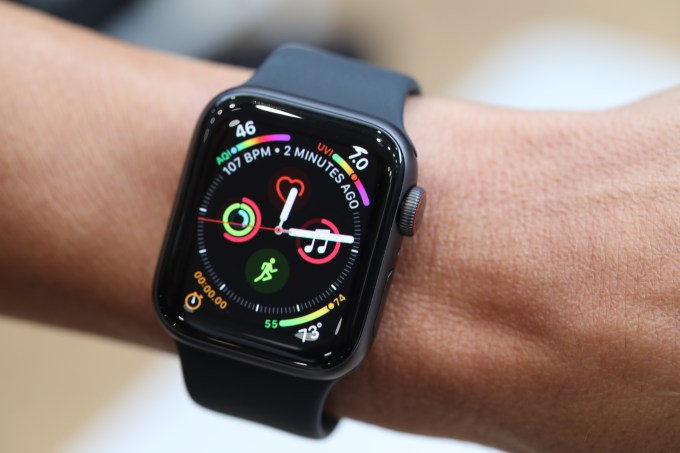
These are not just for the people who cycle, run or walk to work. While a lot of a commuter’s journey might take place sitting or standing on public transportation, there is actually quite a bit of walking that comes at the start and finish of the route. A good activity tracker can help a person track how they rack up the miles and feel a little better about all the hours they subsequently spend sitting at a desk.

You can go for a premium Apple Watch starting at around $400, or you can opt for a basic Fitbit at under $100.

Price: Apple Watch, from $384 on Amazon | Fitbit Inspire, $80 on Amazon

Privacy Screen

Borrowing one from Zack, who has a much more extensive list of privacy-related gifts, to draw one out for those who pull out their laptops during their morning commutes, whether it’s to work or do something else. Whatever it is: wandering eyes sitting nearby can see what you’re doing. A special screen that blocks all angular views except straight on in front on the machine is a good way to keep the nosey parkers out of your business.

Price: Around $17 on Amazon.

Touchscreen gloves
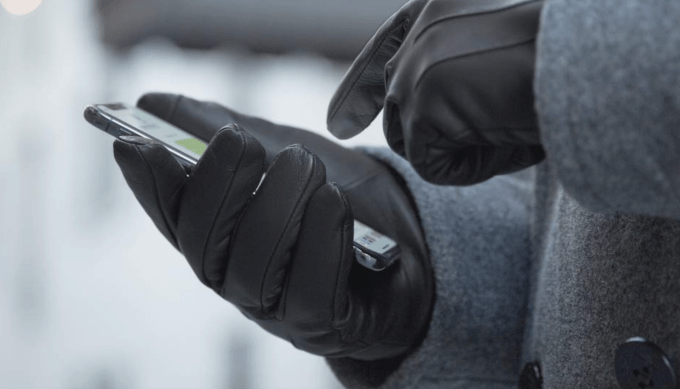
Not strictly (nor even loosely) a gadget, but something that will help you keep using your screen-based companions as the weather turns cooler. You can buy beautiful leather, cashmere-lined versions of these; or you can buy them in acrylic. You can go colourful or stay basic in black. People lose or rip gloves all the time, so even having an extra pair is not a bad thing.

Price: Downholme Leather/cashmere gloves, $60 on Amazon here | knit gloves (a little more modest but still perfectly good),  $8 on Amazon.


FBI secretly demands a ton of consumer data from credit agencies. Now lawmakers want answers

Recently released documents revealed the FBI has for years secretly demanded vast amounts of Americans’ consumer and financial information from the largest U.S. credit agencies.

The FBI regularly uses these legal powers — known as national security letters — to compel credit giants to turn over non-content information, such as records of purchases and locations, that the agency deems necessary in national security investigations. But these letters have no judicial oversight and are typically filed with a gag order, preventing the recipient from disclosing the demand to anyone else — including the target of the letter.

Only a few tech companies, including Facebook, Google, and Microsoft, have disclosed that they have ever received one or more national security letters. Since the law changed in 2015 in the wake of the Edward Snowden disclosures that revealed the scope of the U.S. government’s surveillance operations, recipients have been allowed to petition the FBI to be cut loose from the gag provisions and publish the letters with redactions.

Tech companies have used “transparency reports” to inform their users of government demands for their data. But other major data collectors, like credit agencies, have failed to publish their figures altogether.

Three lawmakers — Democratic senators Ron Wyden and Elizabeth Warren, and Republican senator Rand Paul — have sent letters to Equifax, Experian, and TransUnion, expressing their “alarm” as to why the credit giants have failed to disclose the number of government demands for consumer data they receive.

“Because your company holds so much potentially sensitive data on so many Americans and collects this information without obtaining consent from these individuals, you have a responsibility to be transparent about how you handle that data,” the letters said. “Unfortunately, your company has not provided information to policymakers or the public about the type or the number of disclosures that you have made to the FBI.”

Spokespeople for Equifax, Experian, and TransUnion did not respond to a request for comment outside business hours.

It’s not known how many national security letters were issued to the credit agencies since the legal powers were signed into law in 2001. The New York Times said the national security letters to credit agencies were a “small but telling fraction” of the overall half-million FBI-issued demands made to date.

Other banks and financial institutions, as well as universities, cell service and internet providers, were targets of national security letters, the documents revealed.

The senators have given the agencies until December 27 to disclose the number of demands each has received.

Wearable band shipments grew globally, driven by Xiaomi

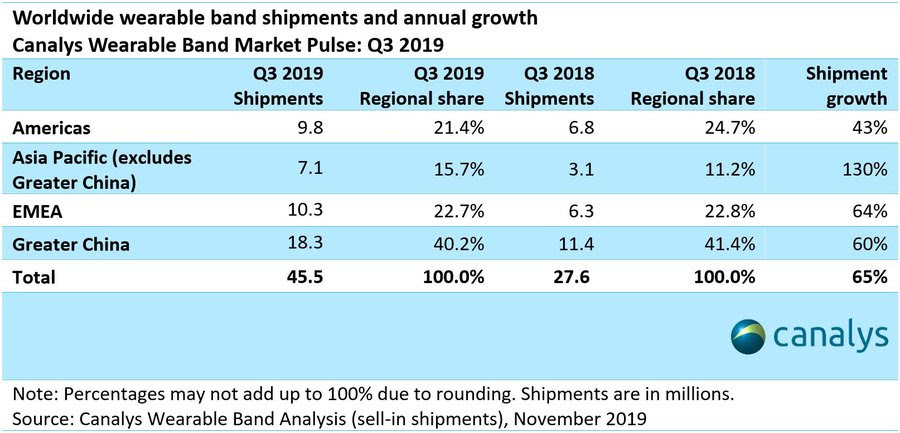
Apple may dominate the wearable conversation here in the States, but things look a fair bit different on the other side of the world. In Asia, Xiaomi is the giant in the room. According to new numbers form Canalys, the Chinese manufacturer was the key driver in global growth.

Wearable band shipments grew 65%, year over year for Q3. Xiaomi continues to top the list, with an even more impressive 74% versus this time last year. That puts gives the company 27% of the total global wearable band market — its highest number since 2015.

Low prices have been the key to the company’s success, which have helped grow shipments in China by 60% overall. The company’s strategy has also rubbed off on competitors like Samsung and Fitbit (soon to be counted among Google’s numbers), which have sought to offer low cost devices in order to appeal to those users, particularly in Asia.

Huawei saw substantial growth for the quarter, as well, at 243% year over year, courtesy of strong sales in its native China. Those numbers helped the company hold onto third place globally, just ahead of Fitbit.

Even Apple is offering up lower cost devices by keeping older model Apple Watches around, hitting the $200 price point The company’s new, premium devices continue to dominate, however. The Series 5 comprise upwards of 60% of the company’s global shipments for the quarter.

Startups Weekly: This year in startups

Welcome back to Startups Weekly, a weekend newsletter that dives into the week’s noteworthy startups and venture capital news. Before I jump into today’s topic, let’s catch up a bit. Last week, I wrote about U.S. VC activity in Europe. Before that, I noted Chinese investor activity in Africa.

Remember, you can send me tips, suggestions and feedback to [email protected] or on Twitter @KateClarkTweets. If you’re new, you can subscribe to Startups Weekly here.


Hello from Berlin, where we’ve just wrapped our annual conference, TechCrunch Disrupt Berlin. Top investors shared insight into European venture capital, well-known individuals and firms made announcements (large and small), and entrepreneurs pontificated about the future of startups in their respective regions.

As I spoke with various early-stage startup founders presenting at the event, chatted with U.S. and European venture capitalists and brain-stormed with my colleagues, I reflected on my last 12 months inside the tech bubble. Soon, I’ll be publishing an extended look at what I see as the 10 biggest themes in startups and VC in 2019. But for now, here’s a sneak peek at my top picks.

  1. SoftBank screw ups. From WeWork to Wag to Fair.com, SoftBank made headlines over and over again this yearfor all the wrong reasons.
  2. WeWork woes. SoftBank’s star portfolio company struggled the most. This was the biggest story of the year and its complete with drugs, private jets, burned cash and upset employees.
  3. CEO exodus. From Away co-founder Steph Korey to WeWork’s Adam Neumann, a whole lot of executives exited their posts this year.
  4. Unicorn IPO struggles. Uber, Lyft, Pinterest, Zoom and more unicorns went public this year. Some fared better than others.
  5. The fight for seed. There was more competition than ever at the earliest stage of venture capital. As a result, investors got creative, hired fresh faces, raised new funds and even gave founders lavish gifts.
  6. Y Combinator growth. Everyone’s favorite accelerator got a whole lot bigger this year. Not only did its cohorts swell, but its president, Sam Altman, stepped down and the firm cemented changes to its investment process.
  7. VCs + direct listings = <3. When venture capitalist weren’t busy gossiping about WeWork and SoftBank, they were debating a new and innovative path to the public markets: direct listings.
  8. Every startup is a bank. Brex raised hundreds of millions, Stripe launched a corporate card, credit card startup Deserve nabbed $50 million. 2019 was the year that consumer banking upstarts became the new e-scooter businesses.
  9. VC isn’t the only option. While VCs were going crazy for consumer financial services, companies like Clearbanc and Capital expanded to give founders alternatives to venture capital, like revenue-based financing and venture debt.
  10.   The diversity disaster persists. Women still only raise 2.8% of venture capital in the U.S., up from 2.2%. Enough said.

If you like this newsletter, you will definitely enjoy Equity, which brings the content of this newsletter to life — in podcast form! Join myself and Equity co-host Alex Wilhelm every Friday for a quick breakdown of the week’s biggest news in venture capital and startups.

This week, I sat down with Chris Mayo, head of primary markets at the London Stock Exchange, to discuss the rise of direct listings.

Equity drops every Friday at 6:00 am PT, so subscribe to us on Apple PodcastsOvercastSpotify and all the casts.