The video chat site wasn’t exactly civil—far from it—but it pales in comparison to the actual chaos of the past decade.
Category: Tech news
hacking,system security,protection against hackers,tech-news,gadgets,gaming
Got the Flu? These Doctors Really Want to See You—Virtually
Getting sick is the worst. But if you’re trying to lure customers who are reluctant or unable to leave home, the virus can be an ally.
Today’s Cartoon: Christmas Clippy
It looks like you’re trying to write a cartoon caption.
DJI patents an off-road rover with a stabilized camera on top
DJI is easily the leading brand when it comes to camera drones, but few companies have even attempted a ground-based mobile camera platform. The company may be moving in that direction, though, if this patent for a small off-road vehicle with a stabilized camera is any indication.
The Chinese patent, first noted by DroneDJ, shows a rather serious-looking vehicle platform with chunky tires and a stabilized camera gimbal. As you can see in the image above, the camera mount is protected against shock by springs and pneumatics, which would no doubt react actively to sudden movements.
The image is no simple sketch like those you sometimes see of notional products and “just in case” patents — this looks like a fleshed-out mechanical drawing of a real device. Of course, that doesn’t mean it’s coming to market at all, let alone any time soon. But it does suggest that DJI’s engineers have dedicated real time and effort to making this thing a reality.
Why have a “drone” on the ground when there are perfectly good ones for the air? Battery life, for one. Drones can only be airborne for a short time, even less when they’re carrying decent cameras and lenses. A ground-based drone could operate for far longer — though naturally from a rather lower vantage.
Perhaps more importantly, however, a wheeled drone makes sense in places where an aerial one doesn’t. Do you really want to fly a drone through narrow hallways in security sweeps, or in your own home? And what about areas where you might encounter people? It would be better not to have to land and take off constantly for safety’s sake.
It’s likely that DJI has done its homework and knows that there are plenty of niches to which they could extend if they diversified their offerings a bit. And like so many situations where drones have become commonplace, we’ll all think of these robot-powered industries as obvious in retrospect. For instance, the winner of our Startup Battlefield at Disrupt Berlin, Scaled Robotics, which does painstaking automated inspections of construction sites.
In fact DJI already makes a ground-based robotic platform, the RoboMaster S1. This is more of an educational toy, but may have served as a test bed for technologies the company hopes to apply elsewhere.
Whether this little vehicle ever sees the light of day or not, it does make one think seriously about the possibility of a wheeled camera platform doing serious work around the home or office.
Fyre Festival meets Mr. Bone Saw
Social media influencers have been known to promote events around the world for the right price — decisions that sometimes prove to be mistakes. Bella Hadid, who promoted the failed Fyre Festival by vacationing in the Bahamas with other models for a video designed to sell tickets, later apologized for her involvement.
Not everyone is apologizing for what’s widely seen as a new misstep in the world of influencer marketing: the paid attendance of celebrities and other social media stars this past weekend to the three-day-long MDL Beast Festival in Riyadh, Saudi Arabia. The event, billed by the country as its largest arts, culture and music festival, was visited by models Alessandra Ambrosio and Romee Strijd; actors Ryan Phillippe, Wilmer Valderrama and Armie Hammer; DJ Steve Aoki; and social media stars Sofia Richie and Scott Disick, among others. All were photographed at the event. Some also posted pictures to Instagram and other social media outlets, singing the region’s praises and including the hashtag #mdlbeast.
The entire affair aimed to promote the efforts of its de facto ruler, Crown Prince Mohammed bin Salman (known as MBS), to reform the conservative kingdom, which is well-known for its oppression of women’s rights and ethnic and racial minority rights. The country has been aggressively trying to polish its image amid growing concern over the years-long, Saudi-led civil war in Yemen that has led to mass starvation and more than 100,000 fatalities; the gruesome, state-directed assassination of Saudi Arabian dissident and Washington Post columnist Jamal Khashoggi, who was reportedly dismembered with a bone saw; and the kingdom’s many other efforts to stifle dissent.
In just one example of how far the kingdom is willing to go, it staged the first-ever WWE women’s match in Riyadh on Halloween, an effort that Amnesty International’s advocacy director for the Middle East and North Africa called “sportswashing.” The MDL Beast Festival is yet attempt to highlight how progressive Saudi Arabia has ostensibly come.
Some have pushed against the kingdom’s charm offensive. Hip-hop star Nicki Minaj canceled a planned performance in Saudi Arabia in July at a separate new international music festival there, after the nonprofit Human Rights Foundation asked her to back out of the gig. At the time, Minaj issued a statement, saying, “I want nothing more than to bring my show to fans in Saudi Arabia, [but] after better educating myself on the issues, I believe it is important for me to make clear my support for the rights of women, the LGBTQ community and freedom of expression.”
Model Emily Ratajkowski also turned down a paid invitation to attend this weekend’s festival, citing Saudi Arabia’s human rights record. “It is very important to me to make clear my support for the rights of women, the LGBTQ community, freedom of expression and the right to a free press. I hope coming forward on this brings more attention to the injustices happening there.”
Ryan Philippe is meanwhile defending on Instagram his decision to accept the trip to this past weekend’s extravaganza. As he writes, “i had a magical day with wonderful people. i love travel. i love different cultures. i love how we can find ways to connect through our human oneness, the pure desire for love and freedom. no matter where in the world. hoping those connections help to bring even more positive change and progress.”
It’s a decision that’s likely to earn Phillippe — and other high-wattage attendees — more bad publicity in the coming days, as the world turns its attention to a new development in the Khashoggi case.
While more than a year ago, the CIA concluded that MBS ordered his assassination, the kingdom has continued to deny any involvement in the murder, alleging instead that it was a last-minute decision by Saudi agents on the ground. (This narrative “contradicts ample evidence that the agents came with an intent to kill and the tools to do so,” notes the New York Times.)
Now, in a court today in Saudi Arabia, following a trial that was shrouded in secrecy, five men were sentenced to death and three others to prison terms totaling 24 years over Khashoggi’s killing, while a former top adviser to MBS and a former deputy intelligence chief were both cleared.
The sentences are subject to appeal, notes the Times, which separately notes that in Saudi Arabia, death sentences typically involve beheadings in public squares. Either way, the sentencing seems poised to further complicate Western relations with the kingdom — for influencers and a lot of others in the position of having to decide whether or not to accept its money. In a statement that echoes the concern of many human rights groups, Lynn Maalouf, Amnesty International’s Middle East research director, earlier today called the verdict a “whitewash.”
Gift Guide: 13 last-minute subscription gifts for the people you totally didn’t forget
Welcome to TechCrunch’s 2019 Holiday Gift Guide! Need help with gift ideas? We’re here to help! We’ll be rolling out gift guides from now through the end of December. You can find our other guides right here.
WHOOPS. You forgot to buy a gift for someone on your list.
Maybe you’ve been too busy at work. Maybe you just found out that the cousins are coming to Christmas this year after all. It happens.
It’s December 23rd. It’s too late to order things online, and brick-and-mortar stores are either closed for the week or absolutely slammed. So what can you do?
Subscriptions!
Subscriptions and subscription boxes are super-solid last-minute options: you can order them from your phone, it’s okay (expected, even) if they start arriving after Christmas and there’s a subscription service for… pretty much everything at this point.
Need some ideas? Here are some of our favorites services right now:
YesPlz
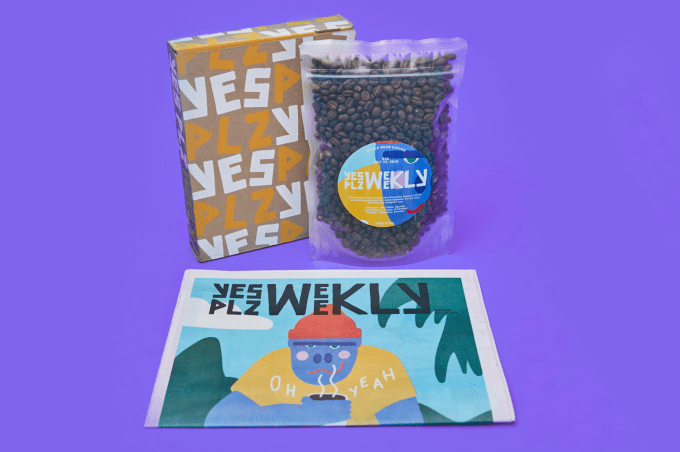
YesPlz is a coffee subscription with a fun twist: each weekly delivery comes paired with a magazine put together by the YesPlz team, featuring everything from comics to deep dives on music, art and, of course, coffee. “Beans and Zines,” as they put it.
Price: $17 per delivery, with options for delivery 1-4 times per month
PipSticks
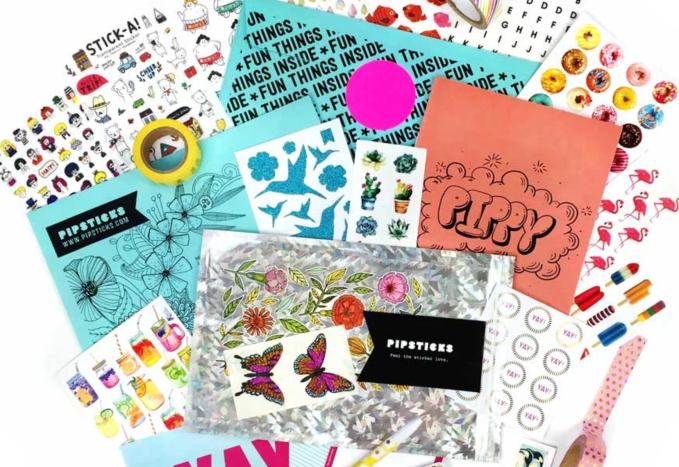
Stickers! A semi-random but always wonderful allotment of stickers, delivered regularly.
It’s a great one for kids — but it’s also an awesome one for teachers, bullet journalists or stationary geeks.
Price: Starts at around $12 per month
Succulent Studios

Got a friend who loves plants but can’t keep ’em alive? First of all, that’s me. Second, succulents!
Succulent Studios drops off two fledgling succulents each month, with all sorts of fun varieties in the mix. I subscribed to this one for quite a while, stopping only when we… pretty much ran out of room for more succulents. The few times I had a succulent arrived damaged, they helped me nurse it back to health or replaced it.
Price: Around $17 per delivery
Lootcrate

Lootcrate sends out a constant stream of geeky goods, many of them exclusive to the service.
They’ve got hyper-themed boxes for fandoms from Harry Potter to Hello Kitty, broader boxes for anime/horror/sci-fi fans or their namesake all-encompassing “Loot Crates” that bring in goodies from any and all walks of geek fandom.
Price: Around $20-$25 per delivery
Piquant Post

Ever bought a spice for a single recipe only to have the vast majority of the jar sit in a cabinet getting crusty for a thousand years?
Piquant Post brings the fun of playing with new spices without taking over your spice cabinet. They send out 3-4 spices per month, along with a handful of recipes specially tuned to use up pretty much all of what they send. Each delivery focuses on a specific region or country, so you’ll get a pinch of culture with each box.
Price: Starts at around $10 per delivery
Mubi

“Netflix for independent movies” sort of explains Mubi, but not quite. Mubi is a super-carefully curated but always rotating collection of 30 indie flicks, all streaming on demand. They introduce one new indie film to the service each day, but it leaves after a month.
Price: $11 a month
Try the World
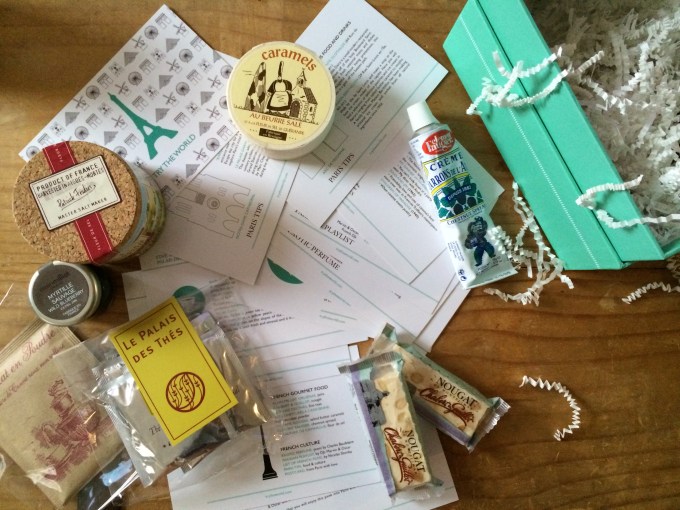
For the adventurous eater in the family. Try the World searches the world for local gourmet favorites, packaging seven or eight items into each box. The only downside? If you fall in love with something, getting more of it can be kind of a pain in the butt.
Price: $30-$40 per month, depending on frequency
Disney+
Disney finally launched its own streaming service this year… and despite some issues at launch, it’s really good. It’s got the vast majority of Disney/Pixar (and Marvel! and Star Wars!) movies that have shipped over the years, plus a growing catalog of original content — including The Mandalorian, which is just fantastic and is one episode away from the end of its first season.
Price: $70 per year
Book of the Month
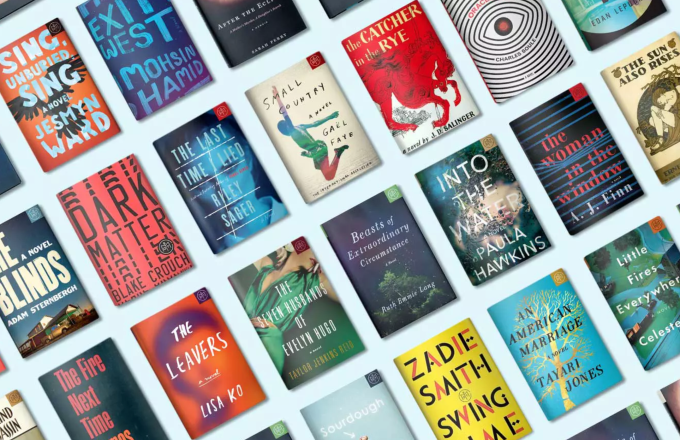
The name says it all. They pick five books per month, and you pick the one you want to read. If your backlog starts to get a bit intimidating, just hit the pause button.
Price: Starts at $16 per month
Rent the Runway
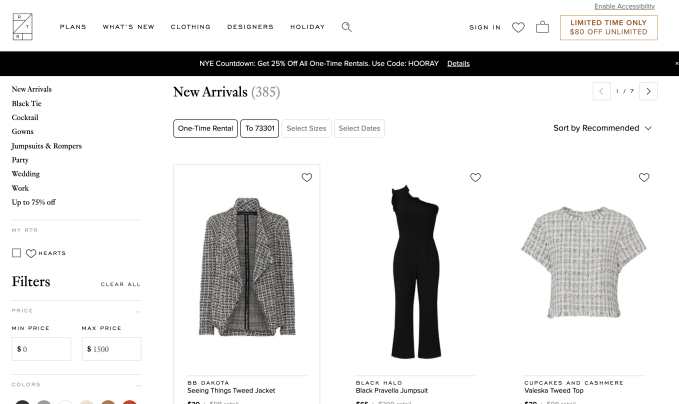
Keeping up with the latest fashion trends can get wildly expensive — especially if you’re into high-end brands and like to change things up often. Rent the Runway, while not cheap, definitely makes it a bit more affordable. Users can rent four items at a time, picking from more than 15,000 items from top designers. The base plan lets you swap out items once a month, while the pricier plan lets you swap things as often as you’d like.
Price: $90 a month for the base plan, $160 a month for the “Unlimited” plan
Nintendo Switch Online

For anyone who might be getting a Nintendo Switch this Christmas, Nintendo’s Switch Online service is an absolute must have. It enables online play for games that have it, but also comes with a fantastic catalog of NES/SNES classics and lets you backup game saves to the cloud in case the Switch goes missing, gets stolen or gets busted. Given the grab-and-go portability of the Switch, it happens.
Apple Arcade

Launched just this year, Apple Arcade is the company’s take on a Netflix-for-games style service. One subscription gets you access to over 100 games, each playable across iPhones, iPads, Macs and AppleTVs. There are no ads, no in-app purchases to worry about and one subscription works for up to six family members.
Price: $5 per month, or $50 per year
Xbox Game Pass

Similar to Apple Arcade above, but just for Xbox and/or PC games. All-you-can-eat access to a rotating set of around 100 games, including all of Microsoft’s new first-party titles like Gears of War 5, Psychonauts 2 and Halo Infinite. The Ultimate plan also includes Xbox Live (enabling online play in games that offer it), which most Xbox One owners will want anyway.
SpaceX achieves key safety milestone for crewed flight with 10th parachute test
SpaceX is closing out the year with an achievement that should help it keep on track to fly astronauts on board one of its spacecraft next year. The Elon Musk-led space company finished its tenth consecutive successful parachute system test yesterday, an important safety system milestone that should be a good indication that the latest design is just about ready for use with astronauts on board.
The parachute system is what’s used to slow the descent of SpaceX’s Crew Dragon commercial astronaut spacecraft on its return trip to Earth, once it enters the atmosphere. The current design is the third major iteration of SpaceX’s parachute for Crew Dragon, featuring upgraded materials and improved stitching for the best possible reliability and durability during flight.
Yesterday the team completed the 10th successful multi-chute test in a row of Crew Dragon’s upgraded Mark 3 parachute design – one step closer to safely launching and landing @NASA astronauts pic.twitter.com/nfFjnKygB4
— SpaceX (@SpaceX) December 23, 2019
Earlier this year, at an event hosted at SpaceX HQ in Hawthorne, Calif., Musk told media and fans in attendance that the Mark 3 parachute system would need at least 10 successful tests in a row before the company would feel confident about using it for actual crewed flights. At the time, NASA Administrator Jim Bridenstine also said he believed SpaceX could achieve all 10 before the year was out, and now it has indeed hit that mark.
Currently, SpaceX plans to fly its next major step toward crewed flight on January 11: That’s the current target for its “in-flight abort test,” a required launch that will test the emergency safeguard system that can be triggered mid-launch to carry the crew away from the launch vehicle and to safety in case of anything going wrong that might potentially put them in danger.
Daily Crunch: Boeing names a new CEO
The Daily Crunch is TechCrunch’s roundup of our biggest and most important stories. If you’d like to get this delivered to your inbox every day at around 9am Pacific, you can subscribe here.
1. Boeing CEO out following 737 Max fiasco, will be replaced by current board chairman
Boeing’s CEO Dennis A. Muilenburg is CEO no longer, the company announced today. Effective January 13, 2020, current Board Chairman David L. Calhoun takes over the top executive officer spot at the aerospace company, and becomes president, as well.
This isn’t exactly a surprising decision: Boeing’s year has been marked primarily by its handling of the 737 Max issues it faced, which stemmed from aircraft failures that resulted in crashes and the deaths of passengers.
2. Tesla lands $1.4B from Chinese banks to build out its Shanghai gigafactory
Tesla has reportedly secured over $1.4 billion in financing in the form of loans from multiple Chinese banks in order to help fund the construction of its new gigafactory in Shanghai. First Reuters and now Bloomberg reported the funding, with an official announcement supposedly scheduled for sometime this week.
3. TikTok’s national security scrutiny tightens as U.S. Navy reportedly bans popular social app
According to a notice published by the U.S. Navy this past week, TikTok will no longer be allowed to be installed on service members’ devices, or they may face expulsion from the military service’s intranet. This is just the latest example of the challenges facing the extremely popular app.
4. Whatever happened to the Next Big Things?
So what’s next? Jon Evans runs through some candidates for Next Big Thing and wonders whether something has to be next at all.
5. India’s HomeLane raises $30M to expand its one-stop shop for interior design
HomeLane helps property owners furnish and install fixtures in their new apartments and houses. The company has established 16 experience centers in seven Indian cities so that consumers can touch and see materials and furniture.
6. 2019’s 10 defining moments in venture capital
These last 12 months have been replete with scandals, new and interesting upstarts, fallen CEOs and big fundraises. (Extra Crunch membership required.)
7. This week’s TechCrunch podcasts
On the latest episode of Equity, Alex and Kate discuss some new venture funds. And on Original Content, we review Netflix’s “Marriage Story,” as well as the latest Star Wars movie “The Rise of Skywalker.”

Max Q: Launches from SpaceX, Boeing and the ESA
Max Q is a new weekly newsletter all about space. Sign up here to receive it weekly on Sundays in your inbox.
Typically, the holiday season is a slow one in the tech industry — but space tech is different, and this past week saw a flurry of activity, including one of the most important rocket launches of the year.
Just about every significant new space company got in on the action during the past seven days, either with actual spacecraft launches, or with big announcements. And everything that went down sets up 2020 to be even crazier.
Boeing’s big year-end mission doesn’t go as planned
Boeing managed to get a crucial test launch in for its commercial crew program — which is NASA’s effort to get U.S. astronauts launching from U.S. soil once again. Boeing launched its “orbital flight test” or OFT on Friday, and the actual rocket launch part of the flight went exactly as intended.
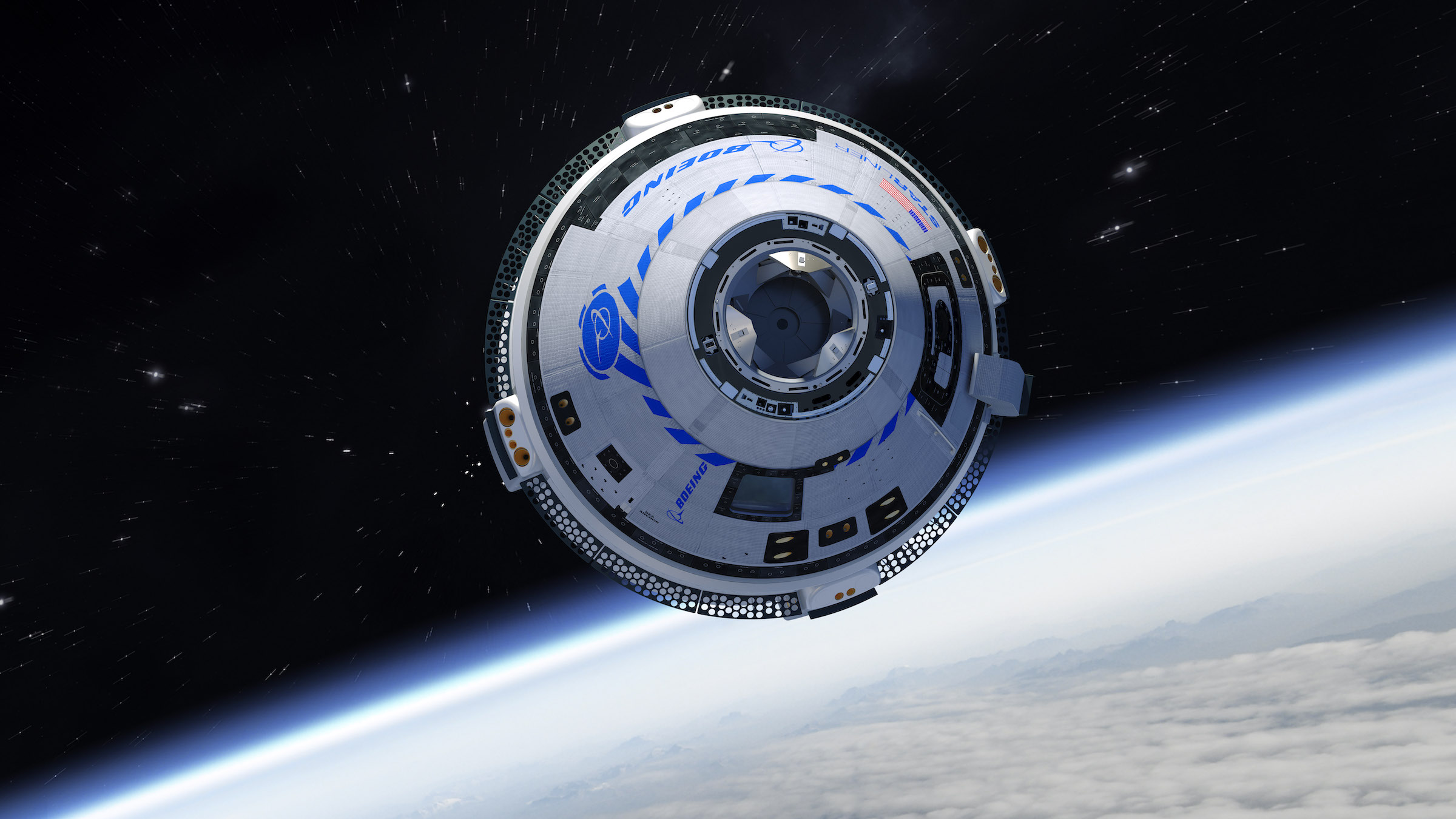
Unfortunately, what came next didn’t match up with what was supposed to happen: The Starliner spacecraft (which wasn’t actually carrying anyone for this test) ran into an error with its onboard mission clock that led to it expending more fuel more quickly than it should have, leaving it with not enough fuel to make its planned rendezvous with the ISS.
… but at least it stuck the landing
The Starliner capsule didn’t dock with the Space Station, but it still completed a number of key objectives, like demonstrating that its docking arm extended properly. Maybe most importantly, it also landed back on Earth on time and on target, per the revised mission plan that Boeing and NASA hammered out once they determined they couldn’t reach the station as planned. In space as in startups, even failures are successes of a kind.
SpaceX launches Falcon 9 but misses the fairing catch
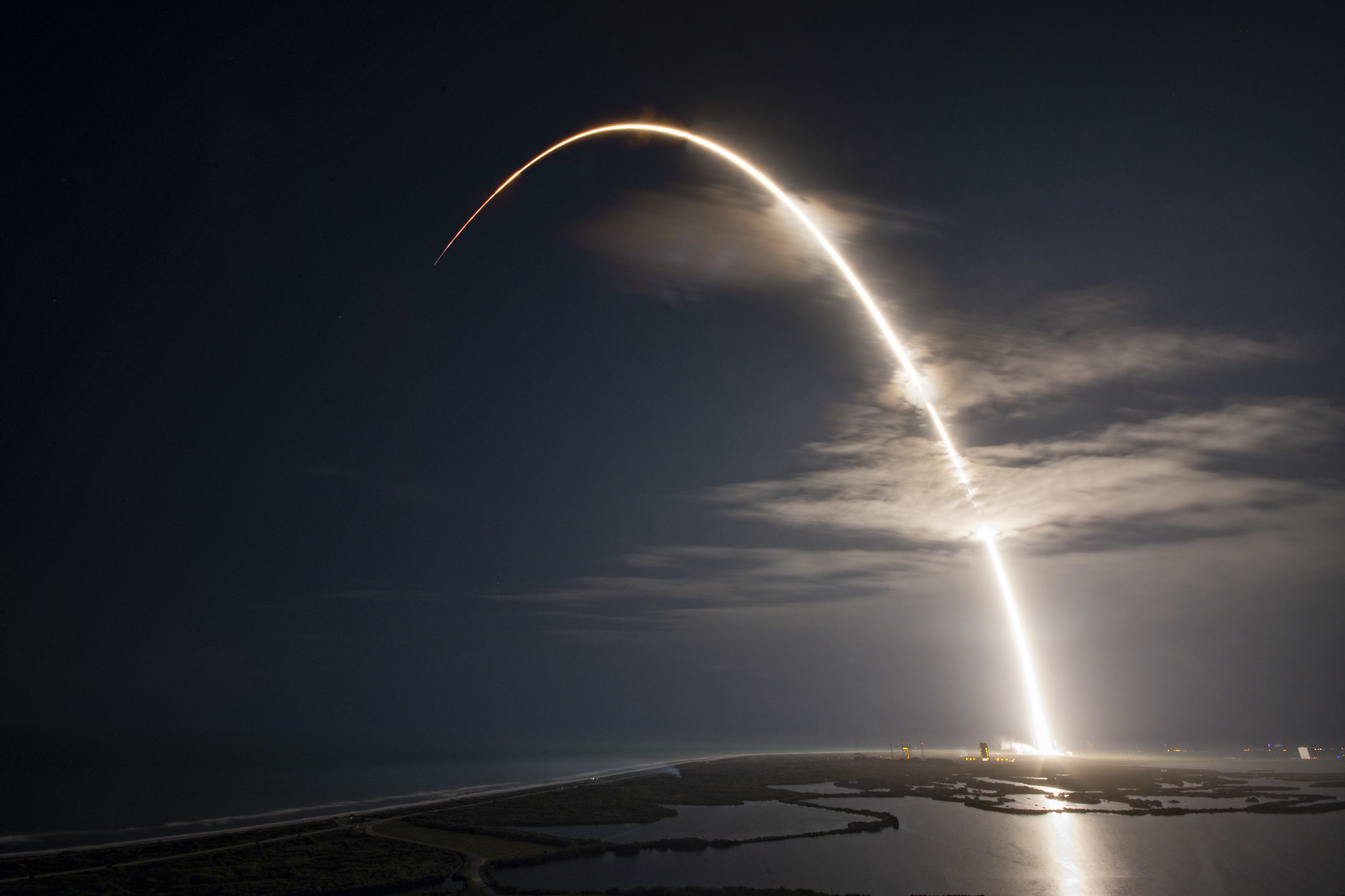 SpaceX’s latest launch took place on Monday, and it was a success in just about every regard — except in terms of one of its secondary missions, which was an attempt to catch the two fairing halves that together cover the payload as the rocket ascends to space. SpaceX has been trying to catch these with ships at sea equipped with large nets, and it caught one previously. It’ll keep trying, just like it did with rocket booster landings, and could save up to $6 million per launch once it gets the process right.
Europe launched a planet-watcher
The European Space Agency also launched a rocket this week — a Soyuz carrying a new satellite that will observe exoplanets (planets outside our solar system) from orbit. It’ll be able to assess their density from that vantage point, giving us valuable new info about the potential habitability of distant heavenly bodies.
Apple might enter the satellite constellation game

Smartphone iPhone XS mockup. Design template for graphic design, motion graphics, digital marketing.
Apple apparently has its own team internally working on satellite communication technologies. This effort may or may not involve the iPhone-maker actually developing its own spacecraft, but it seems like the overall goal is to develop its own direct wireless communication network to work with iPhones and other Apple hardware.
Amazon is opening a dedicated HQ for its satellite business
Meanwhile, Amazon’s own satellite business is a known quantity called “Project Kuiper,” and the company is going to double down on its investment next year with a new dedicated space for Kuiper’s R&D and prototype manufacturing. Eventually, Kuiper will be a constellation of low Earth orbit satellites providing broadband to underserved and unserved areas of the globe.
Rocket Lab is already working on its third launch pad
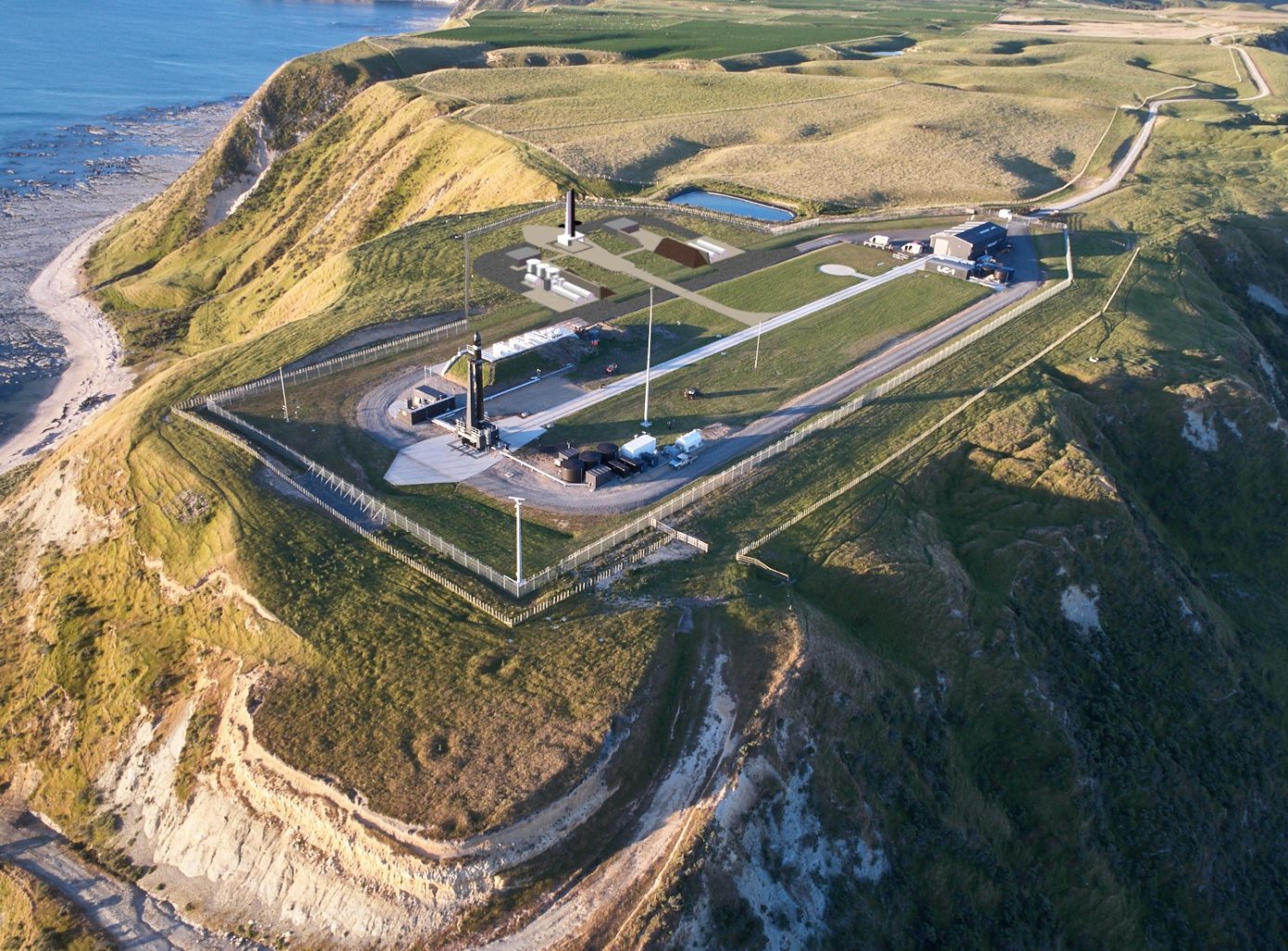
Rocket Lab will be opening a third launch pad, the company announced, just after declaring its second in Virginia this month. The third launch site will be at the same spot as its first — on the Mahia peninsula in northern New Zealand.
Slack’s worth about 18x revenue, and there’s nothing wrong with that
One odd thing in 2019 has been Slack’s falling share price contrasted against the rising value of the Nasdaq composite, a tech-heavy index that many use as shorthand for the US tech market. Why one of tech’s hottest, and fastest-growing companies was losing altitude while tech stocks themselves broadly rose has been interesting to unpack.
Whether it was software-as-a-service’s (SaaS) modest repricing from summer highs, Microsoft’s Teams push, or Slack’s initial value just being too high, what the workplace productivity company is really worth has been an open question since it began to trade earlier this year; what became plain as the year went along, however, was that its initial trading range (above $40) and direct listing reference price ($26) were far too high, and a little too high, respectively.
But as the year comes to a close Slack has found a trading range that it likes, as we touched on a few weeks ago. This has led to the company’s revenue multiple itself stabilizing, which we should take a moment to explore. Why? Because the company’s new price/sales stability helps set a useful, upper-bound for SaaS valuations to an important degree. And because Slack’s new valuation is at once a real achievement, and, at the same time, a modest disappointment.
No, Spotify, you shouldn’t have sent mysterious USB drives to journalists
Last week, Spotify sent a number of USB drives to reporters with a note: “Play me.”
It’s not uncommon for reporters to receive USB drives in the post. Companies distribute USB drives all the time, including at tech conferences, often containing promotional materials or large files, such as videos that would otherwise be difficult to get into as many hands as possible.
But anyone with basic security training under their hat — which here at TechCrunch we have — will know to never plug in a USB drive without taking some precautions first.
Concerned but undeterred, we safely examined the contents of the Spotify drive using a disposable version of Ubuntu Linux (using a live CD) on a spare computer. It was benign and contained a single audio file. “This is Alex Goldman, and you’ve just been hacked,” the file played.
The drive was just a promotion for a new Spotify podcast. Because of course it was.

The USB drive that Spotify sent journalists (Image: TechCrunch)
Jake Williams, a former NSA hacker and founder of Rendition Infosec, called the move “amazingly tone deaf” to encourage reporters into plugging in the drives to their computers.
USB drives are not inherently malicious, but are known to be used in hacking campaigns — like power plants and nuclear enrichment plants — which are typically not connected to the internet. USB drives can harbor malware that can open and install backdoors on a victim’s computer, Williams said.
“The files on the USB itself may contain active content,” he said, which when opened can exploit a bug on an affected device.
A spokesperson for Spotify did not comment. Instead, it passed our request to Sunshine Sachs, a public relations firm that works for Spotify, which would not comment on the record beyond that “all reporters received an email stating this was on the way.”
Plugging in random USB drives is a bigger problem than you might think. Elie Bursztein, a Google security researcher, found in his own research that about half of all people will plug into their computer random USB drives.
John Deere earlier this year caused a ruckus after it distributed a promotion drive that actively hijacked the computer’s keyboard. The drive contained code that, when plugged in, ran a script, opened the browser and automatically typed in the company’s website. Even though the drive was not inherently malicious, the move was highly criticized, as malware often acts in an automated, scripted way.
Given the threats that USB drives can pose, Homeland Security’s cybersecurity division, CISA, last month updated its guidance about USB drive security. Journalists are among those who are frequent targets by some governments, including targeted cyberattacks.
Remember: Always take precautions when handling USB drives. And never plug one in unless you trust it.
A false start for foldables in 2019
A year from now, this is likely to have all blown over. A year from now, the Samsung Galaxy Fold’s turbulent takeoff may well be a footnote in the largest story of foldables. For now, however, it’s an important caveat that will come up in every conversation about the nascent product category.
How history remembers this particular debacle will depend on a number of different factors, the ultimate success of the category chief among them. If foldables do takeoff, the Galaxy Fold’s very public false start will be remembered as little more than a blip. There’s plenty of reasons to root for this — devices have seemingly hit the upper threshold of product footprint. If the trend toward larger screens continues, it’s going to take a clever form factor like this to accommodate that need.
If foldables are relegated to the dustbin of history, however, the Fold misfire will take much of the heat. It’s clear that a trail of broken units will have little impact on Samsung’s bottom line. Two Galaxy Note 7 recalls were a testament to the hardware giant’s resilience in the public eye, after serving as a rounding error in the company’s bottom line that year. Sending some half-baked models to a handful of reviews wasn’t nearly as major of a mistake, but the category, much like the Fold itself, is in a fragile state.
Plenty of Fish app was leaking users’ hidden names and postal codes
Dating app Plenty of Fish has pushed out a fix for its app after a security researcher found it was leaking information that users had set to “private” on their profiles.
The app was always silently returning users’ first names and postal ZIP codes, according to The App Analyst, a mobile expert who writes about his analyses of popular apps on his eponymous blog.
The leaking data was not immediately visible to app users, and the data was scrambled to make it difficult to read. But using freely available tools designed to analyze network traffic, the researcher found it was possible to reveal the information about users as their profiles appeared on his phone.
In one case, the App Analyst found enough information to identify where a particular user lived, he told TechCrunch.
Plenty of Fish has more than 150 million registered users, according to its parent company IAC. In recent years, law enforcement has warned about the threats some people face on dating apps, like Plenty of Fish. Reports suggest sex attacks involving dating apps have risen in the past five years. And those in the LGBTQ+ community on these apps also face safety threats from both individuals and governments, prompting apps like Tinder to proactively warn their LGBTQ+ users when they visit regions and states with restrictive and oppressive laws against same-sex partners.
A fix is said to have rolled out earlier this month for the information leakage bug. A spokesperson for Plenty of Fish did not immediately comment.
Earlier this year, the App Analyst found a number of third-party tools were allowing app developers to record the device’s screen while users engaged with their apps, prompting a crackdown by Apple.
As DraftKings finds an exit, a reminder of what could have been
Hello and welcome back to our regular morning look at private companies, public markets and the gray space in between.
Today the big news that falls into our orbit is about DraftKings, a sports betting service focused on fantasy sports that will go public via a reverse merger. Not too long ago DraftKings and its erstwhile rival FanDuel were ubiquitous on television; now the two are fractions of what they once were.
Let’s chat about what went wrong and what’s next.
The ascent
Both DraftKings and FanDuel raised modest sums until the latter half of 2014.
FanDuel’s Series A was worth just $1.2 million back in 2009. Its $4 million Series B in 2011 almost sounds like a joke. An ensuing 2013 Series C just tipped the scales at just $11 million. Things picked up in Q3 2014.
DraftKing’s story is similar, if slightly more aggressive. A $9.8 million Series A in 2013 was followed by a $24 million Series B that same year. Then in Q3 2014 things started to go faster.
In the third quarter of 2014, FanDuel raised a $70 million Series D. In the same three-month period, DraftKings raised $41 million. The next year, FanDuel raised a $275 million round in July. That same month DraftKings raised $300 million. All of a sudden the companies were unicorns, worth a combined $2.2 billion, post-money.
FanDuel’s funding history (according to Crunchbase data) then slowed, while DraftKings raised another $150 million in 2016 and $118.7 million in 2017. But the great capital arms race had reached its zenith and fallen for the two companies.
The punishing fight across hundreds of millions of dollars in TV ads for market share between the two led to a merger proposal in 2016. That was called off in 2017. From rising titans blanketing your screens with ads to a failed combination, what went wrong?
The descent
What happened is actually very understandable in light of WeWork’s failure to go public earlier this year: The companies were torching capital in the name of growth.
After battery fires, Lyft’s e-bikes are back in San Francisco
Just in time for Christmas, Lyft has brought back to San Francisco its pedal-assist e-bikes. The plan is to roll out hundreds of bikes each week until it hits 4,000 by the end of April 2020. This comes after Lyft had to pull its e-bikes in light of battery-related fires in July.
“After identifying the root cause of the battery issues, we made the decision to work with a different battery supplier,” Lyft wrote in a blog post last month. “We’re now receiving new batteries, testing them and reassembling ebikes.”
That announcement came along with Lyft reaching a four-year agreement with the San Francisco Municipal Transportation Agency to deploy 4,000 of its e-bikes. The resolution was the result of Lyft suing the city of San Francisco, which led to the court ordering Lyft and the SFMTA to negotiate under the “Right of First Offer” provision.
As part of the agreement, Lyft must provide reliable and redundant services, utilize modular design and pay $300,000 in fees to fund the installation of additional bike racks. If Lyft fails to do this, the SFMTA has the right to permit a second operator. For now, JUMP is still permitted to operate its 500 e-bikes, at least until March 1, 2020, as Lyft rolls out its full fleet.
Until March, Lyft will allow Bay Wheels members to access the e-bikes at no additional cost. Additional pricing will go into effect starting March 1, but Lyft says it’s “engaging our community partners and members to inform the best approach to pricing ebike rides so we can provide the best service possible, since ebikes have higher operational costs per ride than pedal bikes.”