Microsoft Teams has been down this morning

Microsoft Teams, the collaboration platform that competes with Slack, has been down since about 8:30 am ET. Microsoft reports the outage was due to an expired certificate.

Microsoft first posted on its Office 365 Status Twitter feed about 9:00 am ET that an outage was in progress, stating the company was looking into the problem.

We're investigating an issue where users may be unable to access Microsoft Teams. We're reviewing systems data to determine the cause of the issue. More information can be found in the Admin center under TM202916

— Microsoft 365 Status (@MSFT365Status) February 3, 2020

At approximately 10:00 am ET, the company posted the reason for the problem, an expired certificate, which frankly, has to be pretty embarrassing for the group responsible for keeping the Teams service running.

We've determined that an authentication certificate has expired causing, users to have issues using the service. We're developing a fix to apply a new certificate to the service which will remediate impact. Further updates can be found under TM202916 in the admin center.

— Microsoft 365 Status (@MSFT365Status) February 3, 2020

About an hour ago, the company updated the status again, indicating it had begun deploying the updated certificate.

We've initiated the deployment of the updated certificate and are monitoring service health as the fix progresses. Additional information can be found under TM202916 in the admin center.

— Microsoft 365 Status (@MSFT365Status) February 3, 2020

Some customers have begun reporting on Twitter that service has been restored.

Microsoft has kept the status updates pretty business like, but has not apologized to its 20 million users as of publication. The company is in the midst of a battle with Slack for hearts and minds in the enterprise collaboration space, and a preventable outage has to be awkward for them.

The company will no doubt do a post-mortem to figure out how this mistake happened and how to prevent this kind of issue from taking down the site again. While every service is going to experience an outage from time to time, it’s up to the organization to understand why it happened and put systems in place to keep a preventable incident like this one from happening again in the future.
Why this VC thinks we’re heading for a cloud slowdown

Hello and welcome back to our regular morning look at private companies, public markets and the gray space in between.

Today we’re talking to Alex Niehenke, a venture capitalist with Scale Venture Partners, who has an interesting argument to make: The SaaS and cloud market is maturing, and incumbents are squeezing startups out of certain parts of the market. However, there are still places to put capital to work, and Scale has a notable track record. The venture firm has put money in a number of cloud SaaS companies that are public today, including Box, Bill.com (a recent IPO), RingCentral and Hubspot. Scale has also put significant capital to work in SaaS companies over time, including from its most recent $400 million fund (the firm writes $5 to $25 million checks).

But instead of talking about what’s worked for the firm in the past, we’re looking to the future. Niehenke believes that we’re heading for a cloud slowdown in the next few years, something that I’ve only ever heard one other venture capitalist bring up. So I got some of his time, and we drilled in.

Why might cloud growth slow, and what would it mean for startups? Let’s find out.

Slowdown

Chatting with Niehenke by phone, the venture capitalist decided to ground our conversation about a slowdown at a somewhat meta level, saying that when we discuss cloud and SaaS companies “we’re talking about things that are mature at this point.”

If you talk to cloud and SaaS bulls, you’ll often hear a different argument. Some industry minds believe we’re in the early innings of the SaaS takeover of enterprise software. Niehenke, in contrast, noted that the transition from on-premise software to the cloud has already gone back years. Considering his own career, the idea of packaging software into a cloud and SaaS product was “still controversial” when he joined Scale seven years ago. Looking back 20 years, the “whole notion of doing things in the cloud was borderline crazy,” he says.

Max Q: SpaceX’s Starlink constellation grows again

Max Q is a new weekly newsletter all about space. Sign up here to receive it weekly on Sundays in your inbox.

This week was the busiest yet for space-related news in 2020, thanks in part to the 23rd Annual FAA Commercial Space Transportation Conference that happened last week. The event saw participation from just about every company who has anything to do with commercial spaceflight, including SpaceX, Blue Origin and Virgin Galactic, and dove deep on questions of regulation and congressional support for NASA’s Artemis program.

Our own TC Sessions: Space 2020 event, which is happening June 25 in LA, will zero in on the emerging startup economy that plays such a crucial role in commercial space, and it’s sure to touch on the same topics but get into a lot more detail on the innovation side of things as well.

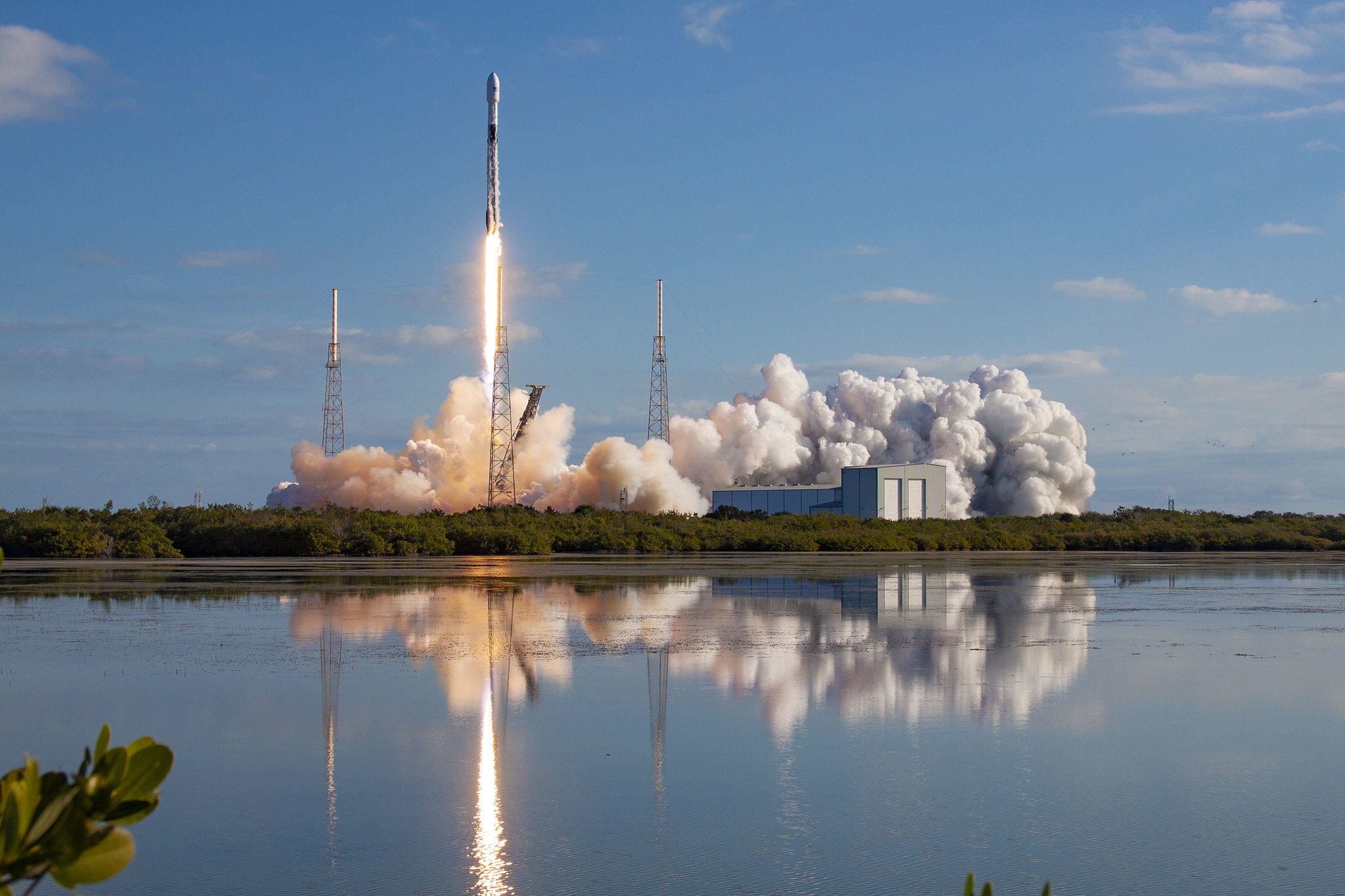
SpaceX launches 60 more satellites – second Starlink launch already in 2020

SpaceX is clearly very eager to get its Starlink satellite broadband network operational, as the company has already launched not one, but two batches of 60 satellites for its constellation in 2020. After a launch early in January, the latest batch when up on January 29, moving SpaceX closer to the total volume of satellites needed for it to begin offering service in North America, its first target market for the (eventually) world-spanning network.

Rocket Lab launches its first mission in 2020

Busy launch week for new space launch companies, as Rocket Lab also launched a mission – its first of 2020. The launch was on behalf of client the U.S. National Reconnaissance Office, delivering a surveillance satellite for the U.S. intelligence agency. This is part of a new program the NRO has in place to quickly secure launch vehicles for small satellites, departing from its traditional practice of using large, geostationary Earth observation spacecraft.

NASA and Maxar to demo in-orbit spacecraft assembly

NASA and its partner Maxar are planning to demonstrate orbital manufacturing in a big way using a robotic platform in space that will assemble a new multipanel reflector antenna. It’ll also refuel a satellite in space, both demonstrations that would go a long way towards proving out the viability and potential commercial benefit of doing maintenance, upgrades and spacecraft assembly in orbit.

NASA teams with Axiom Space on first commercial ISS habitat module

NASA has tapped space station startup Axiom to build its first commercial module for the ISS designed to receive and house commercial astronauts. It’s a place designed for both work (research and science experimentation) and play (potentially receiving future paying orbital tourists) and it’s step one of Axiom’s grand vision for a fully private space station. Axiom is founded by a former ISS manager whose mission is to ensure we don’t lose human presence in orbit following the Space Station’s eventual decommission.

SpaceX looks to Port of LA for Starship manufacture

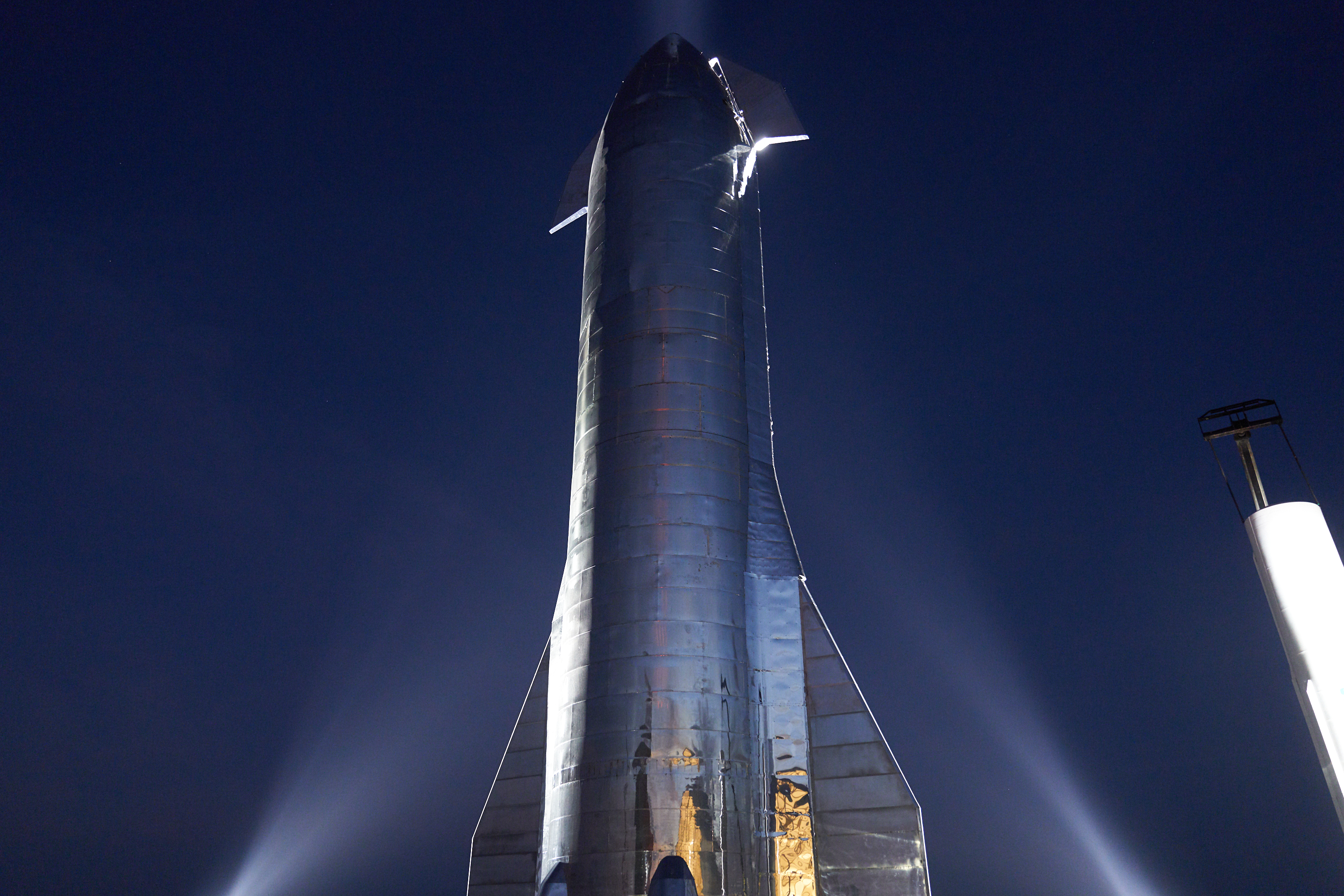
Starship Mk1 night

SpaceX will eventually have to manufacture a lot of Starships to meet founder Elon Musk’s ambitious goals for frequent flights and Mars colonization. Musk wants to build 1,000 Starships over the course of the next decade, and talks are ongoing with the Port of LA to potentially manufacture at least some of them there, where there’s easy access to water for shipping the rockets to launchpads including SpaceX’s Florida facilities.

Space needs an exit

Space startups are seeing record investment, and a record number of seed rounds indicating ample interest in starting new companies – but investors are still watching for that next big exit. They’ve been few and far between in the sector, which is not something you want to see if you want the hype to continue.

Kepler will build its satellites in Toronto

Satellite constellation startup Kepler Communication is going to be building its IoT small satellites in-house in downtown Toronto. Not necessarily everyone’s first choice when building satellites, but Kepler wants to keep things to its own backyard to eventually realize cost efficiencies, and to closely align design and development with manufacturing.