Quibi is the anti-TikTok (that’s a bad thing)

It takes either audacious self-confidence or reckless hubris to build a completely asocial video app in 2020. You can decide which best describes Quibi, Hollywood’s $1.75 billion-funded attempt at a mobile-only Netflix of six to 10-minute micro-TV show episodes. Quibi manages to miss every trend and tactic that could help make its app popular. The company seems to believe it can succeed on only its content (mediocre) and marketing dollars (fewer than it needs).

I appreciate that Quibi is doing something audaciously different than most startups. Rather than iterating toward product-market fit, it spent a fortune developing its slick app and buying fancy content in secret so it could launch with a bang.

Yet Quibi’s bold business strategy is muted by a misguided allegiance to the golden age of television before the internet permeated every entertainment medium. It’s unshareable, prescriptive, sluggish, cumbersome and unfriendly. Quibi’s unwillingness to borrow anything from social networks makes the app feel cold and isolated, like watching reality shows in the vacuum of space.
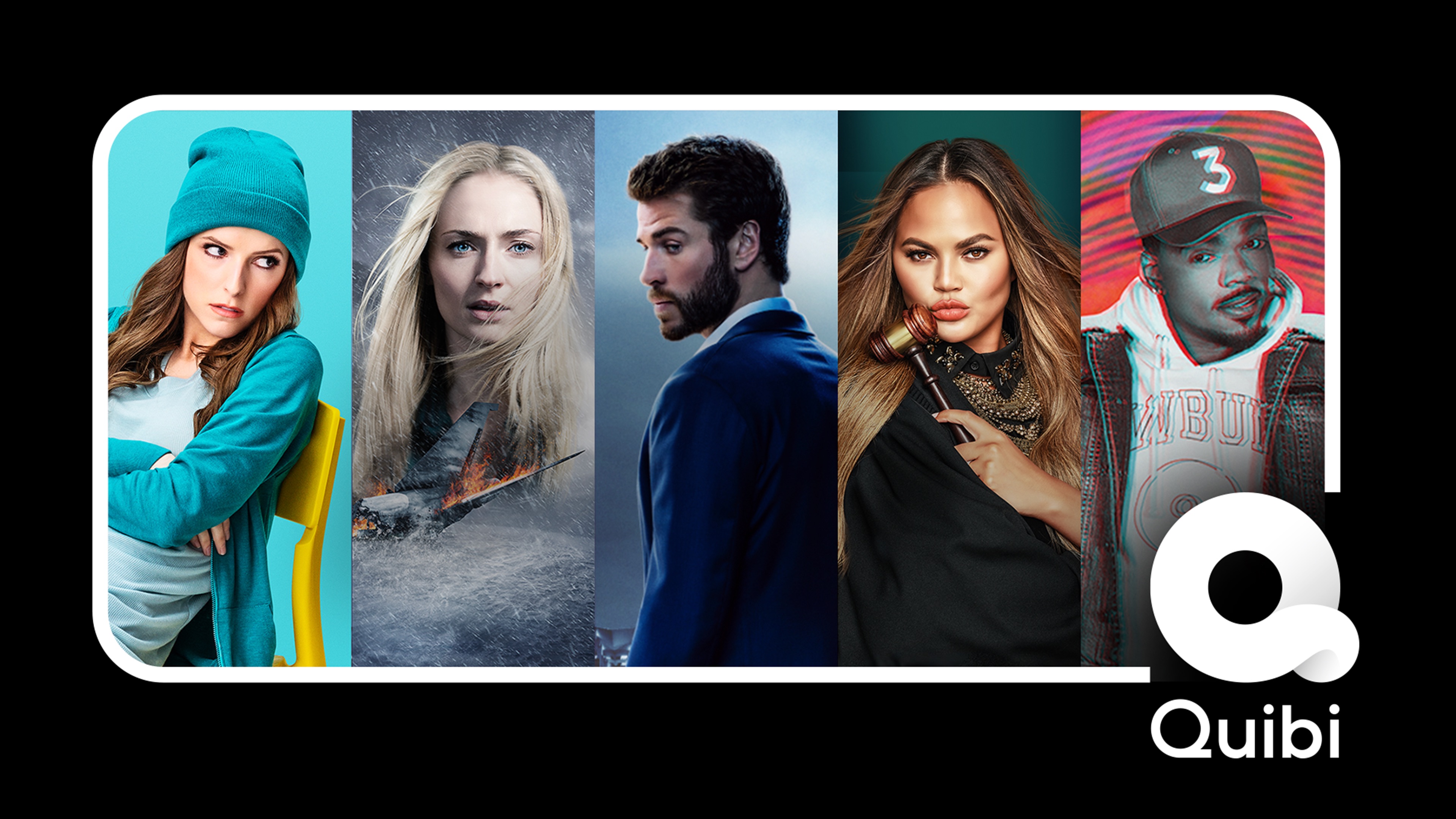
Quibi

In that sense, Quibi is the inverse of TikTok, which feels fiercely alive. TikTok is designed to immediately immerse you in crowd-vetted content that grabs your attention and inspires you to spread your take on it to friends. That’s why TikTok has almost 2 billion downloads to date, while Quibi picked up just 300,000 on the day of its big splash into market.

Here’s a breakdown of the major missteps by Quibi, why TikTok does it better and how this new streaming app can get with the times.

What Hollywood thinks we want

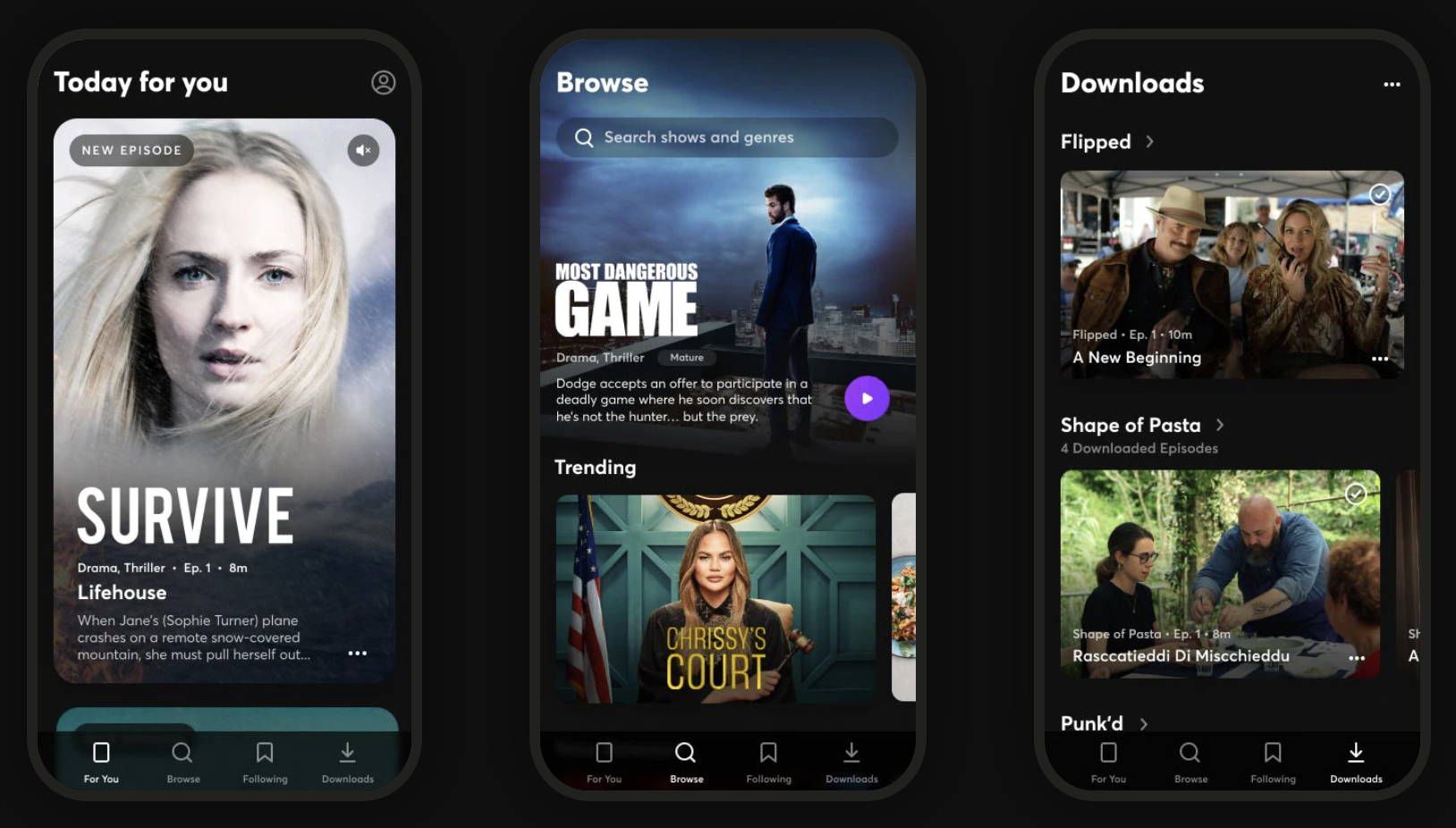
Quibi feels like some off-brand cable channel, with a mix of convoluted reality shows, scripted dramas and news briefs. Imagine MTV at noon in the mid-2000s. Nothing seemed must-see. There’s no Game of Thrones or Mandalorian here. While the production value is better than what you’ll find on YouTube, the show concepts feel slapdash with novelty that quickly fades.

Chrissy Teigen as a small claims court judge? The tear-jerking “Thanks A Million” does skillfully multiply the “OMG” gratitude moment from makeover programs to happen 4X per episode. But a cooking show where blindfolded chefs have to guess what food was just exploded in their faces…(sigh)

The catalog feels like the product of TV writers being told they have 10 seconds to come up with an idea. “What would those idiots watch?” The shows remind me of old VR games that are barely more than demos, or an app built in a garage without ever asking prospective users what they need. Co-founder Jeffrey Katzenberg may have produced The Lion King and Shrek, but the app’s content feels like it was greenlit by, well, Hewlett Packard Enterprise’s leader Meg Whitman, who indeed is Quibi’s CEO.
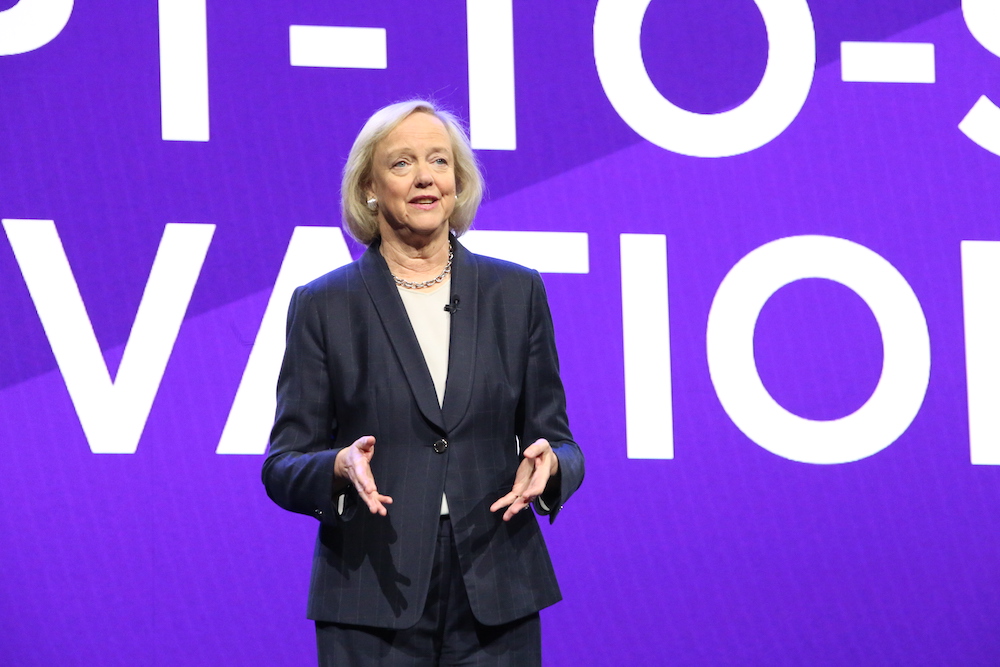
Quibi CEO Meg Whitman

Quibi CEO Meg Whitman

Despite being built for a touch-screen interface, there’s little Bandersnatch-style interactive content so far, nor are the creators doing anything special with the six to 10-minute format. The shows feel more like condensed TV programs with episodes ending when there would be a commercial break. There’s no onboarding process that could ask which popular TV shows or genres you’re into. As the catalog expands, that makes it less likely you’ll find something appealing within a few taps.

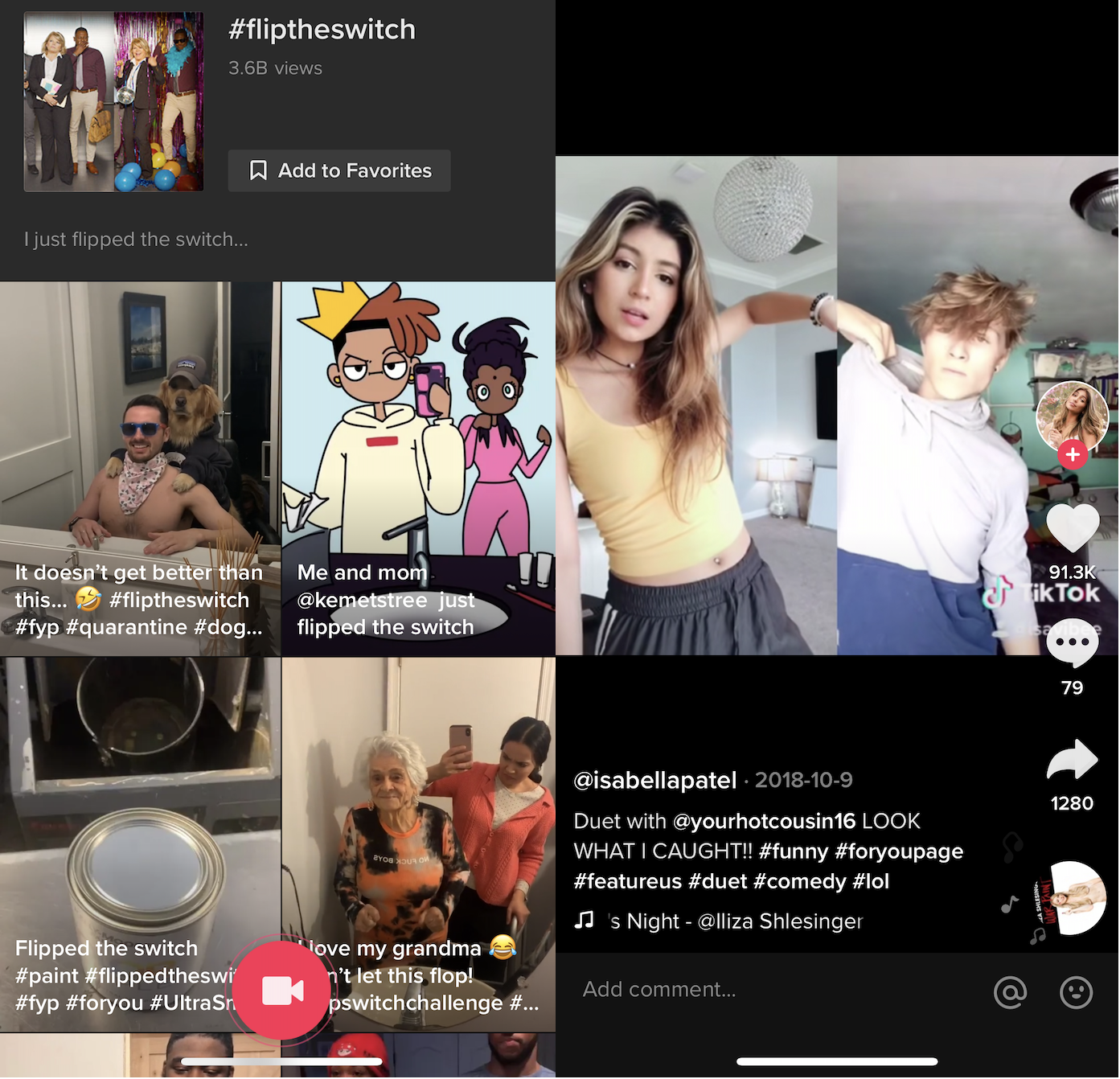
TikTok comes from the opposite direction. Instead of what Hollywood thinks we want, its content comes straight from its consumers. People record what they think would make them and their friends laugh, surprised or enticed. The result is that with low to zero production budget, random kids and influencers alike make things with millions of Likes. And as elder millennials, Gen Xers and beyond get hooked, they’re creating videos for their peers, as well. The algorithm monitors what you’re hovering over and rapidly adapts its recommendations to your style.

TikTok is fundamentally interactive. Each clip’s audio can be borrowed to produce remixes that personalize a meme for a different demographic or subculture. And because its stars are internet natives, they’re in constant communication with their fan base to tune content to what they want. There’s something for everyone. No niche is too small.
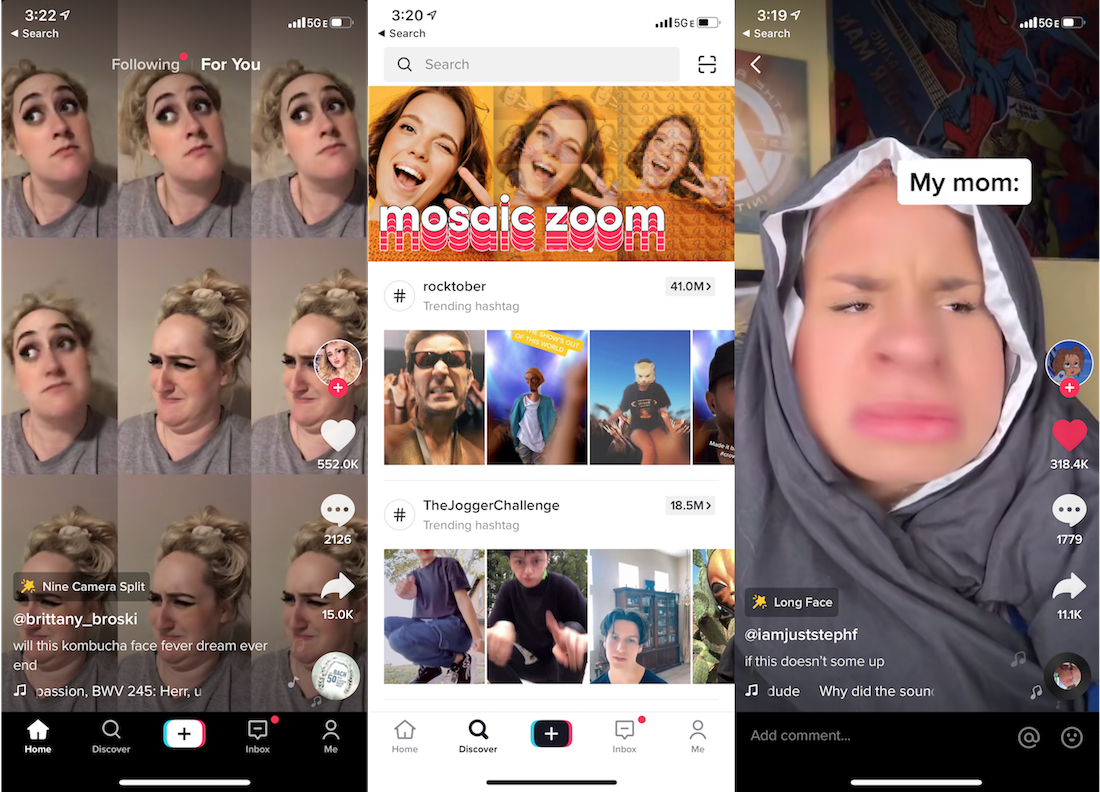
TikTok screenshots

The Fix: Quibi should take a hint from Brat TV, the Disney Channel for the YouTube generation that gives tween social media stars their own premium shows about being a grade school kid to create content with a built-in fan base. [Disclosure: My cousin Darren Lachtman is a Brat co-founder.)

Take the Chrissy’s Court model, and shift it to stars who are 20 years younger. Give TikTok phenoms like Charli D’Amelio or Chase Hudson Quibi shows and let them help conceptualize the content, and they’ll bring their legions of fans. Double-down on choose-your-own-adventures and fan voting game shows that leverage the phone’s interactivity. Fund creators that will differentiate Quibi by making it look like anything other than daytime TV. And ask users directly what they want to see right when they download the app.

No screenshots

This is frankly insane. Screenshots of Quibi appear as a blank black screen. That means no memes. If people can’t turn Quibi scenes into jokes they’ll share elsewhere, its shows won’t ever become fixtures of the cultural zeitgeist like Netflix’s Tiger King has. Yes, other mobile streaming apps like Netflix and Disney+ also block screenshots, but they have web versions where you can snap and share what you want. Quibi never should have structured its deals to license content from producers in a way that prevented any way to riff on or even let friends preview its content.
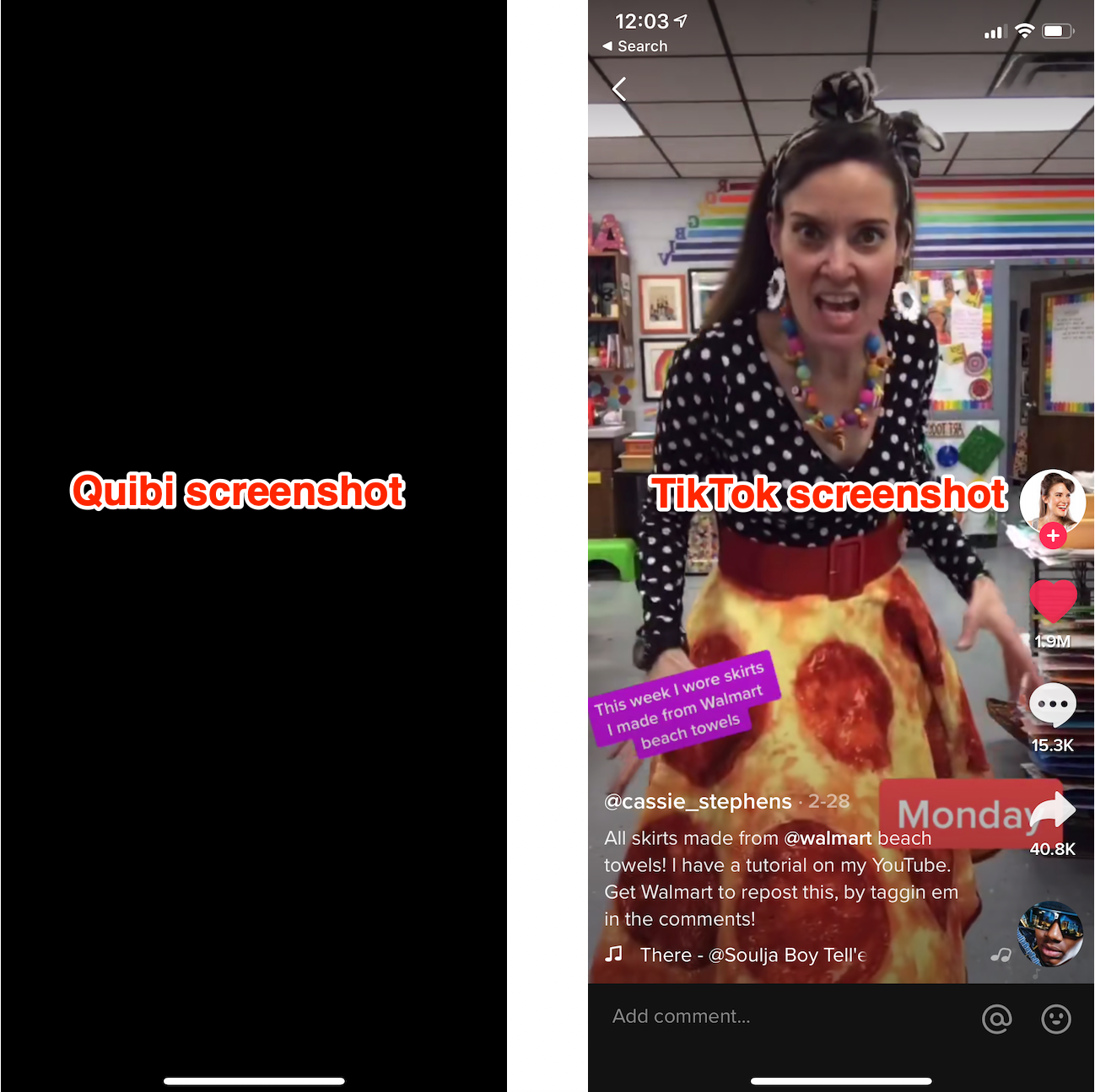
TikTok, on the other hand, defaults to letting you download any video and share it wherever you please — with the app’s watermark attached. That’s fueled TikTok’s stellar growth as clips get posted to Twitter and Instagram — and drive viewers back to the app. It has spawned TikTok compilations on YouTube, and a whole culture of remixing that expands and prolongs the popularity of trending jokes and dances.

The Fix: Quibi should allow screenshots. There’s little risk of spoilers or piracy. If its deals prohibit that, then it should offer pre-approved screenshots and video clips/trailers of each episode that you can download and share. Think of it like an in-app press kit. Even if we’re not allowed to set up the perfect screenshot for making a meme, at least then we could coherently discuss the shows on other social networks.

Sluggish pacing

On mobile, you’re always just a swipe away from something more interesting. It’s like if you watched TV with your finger permanently hovering over the change channel button. Ever noticed how movie trailers now often start with a fast-forward collage of their most eye-catching scenes? Quibi seems intent on communicating prestige with its slow-building dramas like The Most Dangerous Game and Survive, which both had me bored and fast-forwarding. And that’s watching Quibi at home on the couch. While on the go, where it was designed to be consumed, slow pacing could push users with a minute or two to spare to open Instagram or TikTok instead.

None of this is helped by Quibi not auto-playing a trailer or the first episode the moment you scroll past a show on the home screen. Instead, you see a static title card for two seconds before it starts playing you an excerpt of the program. That makes it more cumbersome to discover new shows.
Where TikTok wins is in immediacy. Creators know users will swipe right past their video if it’s not immediately entertaining or obviously revving up to a big reveal. They grab you in the first second with smiles, costumes, bold captions or crazy situations. That also makes it easy for viewers to dismiss what’s irrelevant to them and teach the TikTok algorithm what they really want. Plus, you know that you can score a dopamine hit of joy even if you only have 30 seconds. TikTok makes Quick Bites feel like an understaffed sit-down restaurant.

The Fix: Quibi needs to teach creators to hook viewers instantly by previewing why they should want to watch. Since tapping a show’s card on the Quibi homepage instantly plays it, those teasers need to be built into the first episode. Otherwise, Quibi needs a button to view a trailer from its buried dedicated show pages to the preview card most people interact with on the home screen. Otherwise, users may never discover what Quibi shows resonate with them and teach it which to show and make more of.

Anti-social video club

Quibi neglects all its second-screen potential. No screenshotting makes it tough to discuss shows elsewhere, yet there’s no built-in comments or messaging to discuss or spread them in-app. Pasting an episode link into Twitter doesn’t even display the show’s name in the preview box. Nor do shows have their own social accounts to follow to remind you to keep watching.

There’s no way for friends to follow what you’re watching or see your recommendations. No leaderboards of top shows. Certainly no time-stamped, live-stream style crowd annotations. No synced-up co-watching with friends, despite a lack of TV apps preventing you from watching with anyone else in person unless you crowd around one phone.
It all feels like Quibi figured advertising would be enough. It could run contests where winners get a Cameo-esque message or chat with their favorite stars. Quibi could let you share scenes with your face swapped onto actors’ heads, deepfake-style like Snapchat’s (confusingly named) Cameos feature. It could host in-app roundtables with the casts where users could submit questions. It’s like if Web 2.0 never happened.

TikTok, meanwhile, harnesses every conceivable social feature. Follow, Like, comment, message, go Live, duet, remix or download and share any video. It beckons viewers to participate in trending challenges. And even when users aren’t itching to return to TikTok, notifications from these social features will drag them back in, or watermarked clips will follow them to other networks. Every part of the app is designed to make its content the center of popular culture.
The Fix: Quibi needs to understand that just because we’re watching on mobile, doesn’t make video a solo experience. At first, it should add social content discovery options so you can see which friends opt in to share that they’re watching or view a leaderboard of the top programs. Shows, especially ones dripping out new episodes, are more fun when you have someone to chat about them with.

Eventually, Quibi should layer on in-app second-screen features. Create a way to share comments at the end of each episode that people read during the credits so they feel like they’re in a viewing community.

Can Quibi be more?

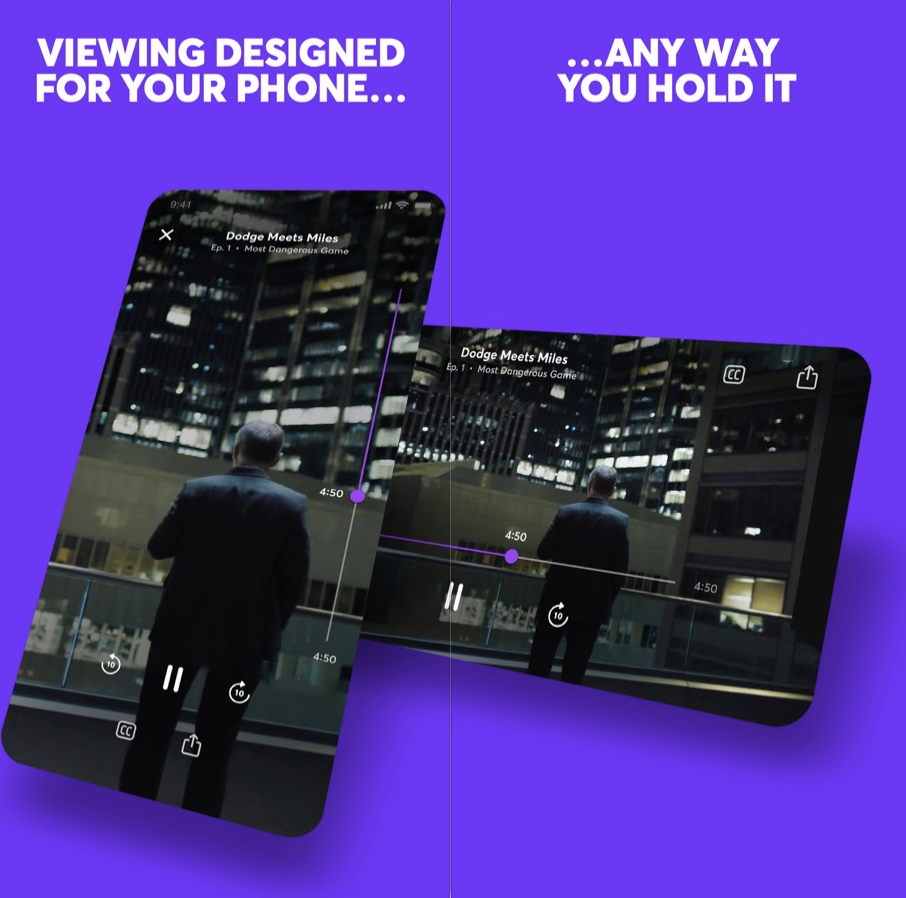
What’s most disappointing about Quibi is that it has the potential to be something fresh, merging classically produced premium content with the modern ways we use our phones. Yet beyond shows being shot in two widths so you can switch between watching in landscape or portrait mode at any time, it really is just a random cable channel shrunk down.
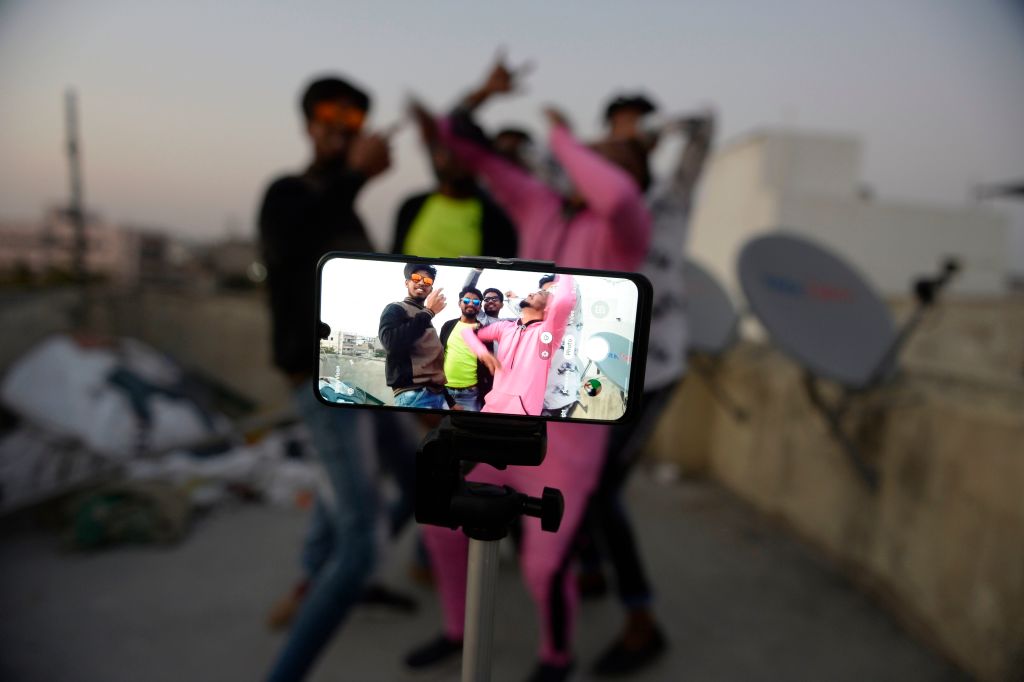
Youths act in front of a mobile phone camera while making a TikTok video on the terrace of their residence in Hyderabad on February 14, 2020 (Photo by NOAH SEELAM / AFP) (Photo by NOAH SEELAM/AFP via Getty Images)

One of the few redeeming opportunities for Quibi is using the daily episode release schedule to serialize content that benefits from suspense, as Ryan Vinnicombe aka InternetRyan notes. Bingeing via traditional streaming services can burn through thrillers before they can properly build up suspense and fan theories or let late-comers catch up while a show is still in the zeitgeist. Cliffhangers with just a day instead of a week to wait could be Quibi’s killer feature.

Suspense is also one thing TikTok fails at. Within a single video, they’re actually often all about suspense, waiting through build up for a gag or non-sequitur to play out. But creators try to rope in followers by making a multi-minute video and splitting it into parts so people subscribe to them to see the next part. Yet since TikTok doesn’t always show timestamps and surfaces old videos on its home screen, it can often be a chore to find the Part Two, and there’s no good way for creators to link them together. TikTok could stand to learn about multi-episode content from Quibi.
But today, Quibi feels like a minitiaturized and degraded version of what we already get for free on the web or pay for with Netflix. Quibi charging $4.99 per month with ads or $7.99 without seems like a steep ask without delivering any truly must-see shows, novel interactive experience or memory-making social moments.

Quibi’s success may simply be a test of how bad people are at cancelling 90-day free trials (hint: they’re bad at it!). The bull case is that absentminded subscribers among the 300,000 first-day downloads and some diehard fans of the celebs it’s given shows will bring Quibi enough traction to raise more cash and survive long enough to socialize its product and teach creators to exploit the format’s opportunities.

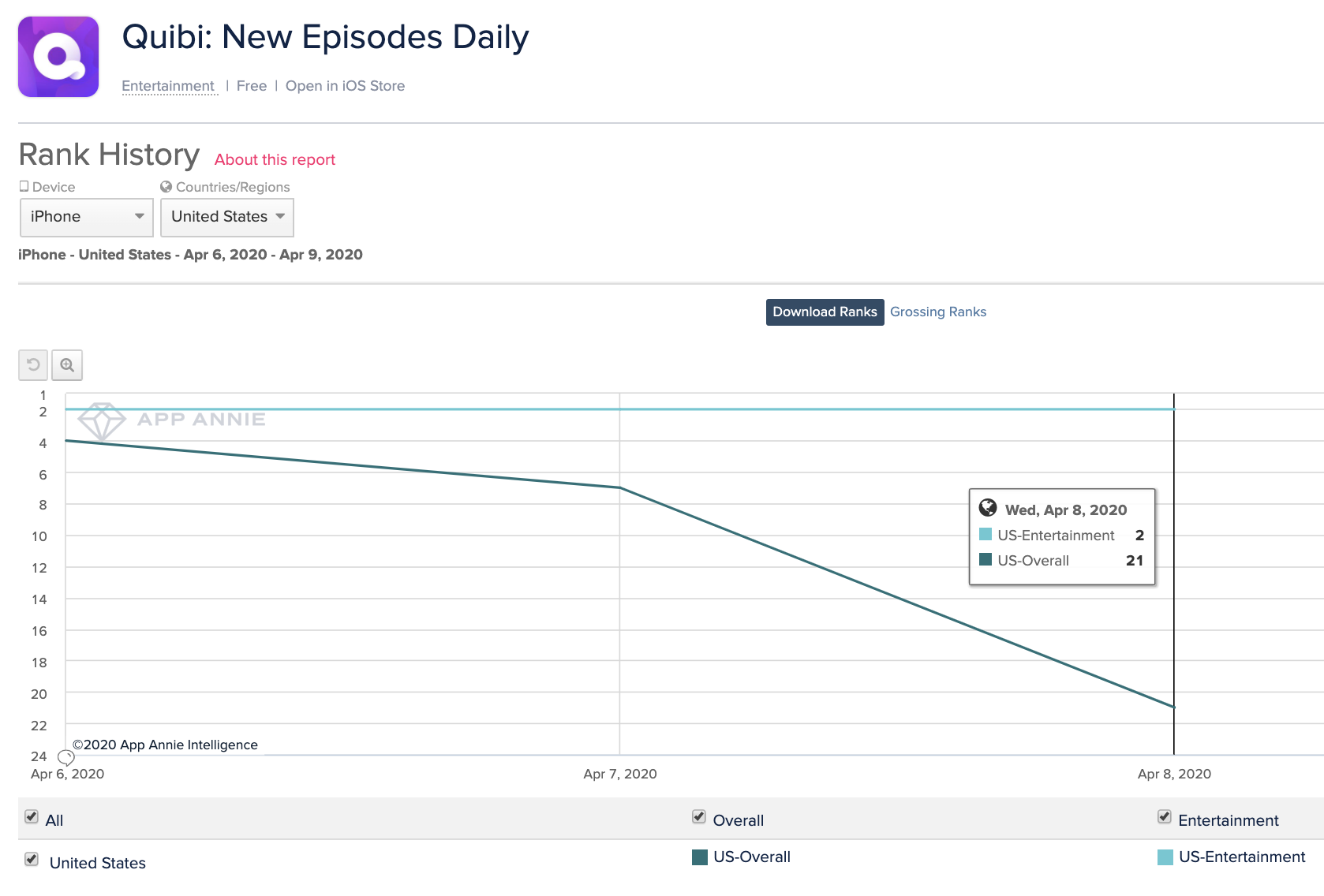
But the bear case is already emerging in Quibi’s rapidly declining App Store rank, which fell from No. 4 overall when it launched Monday to No. 21 yesterday after just 830,000 total downloads according to Sensor Tower. Lackluster content and no virality means it might never become the talk of the town, leading top content producers to slink away or half-ass their contributions, leaving us to dine on short video elsewhere.


Let’s give tech philanthropists the benefit of the doubt on COVID-19

Scott Bade
Contributor

Scott Bade is a former speechwriter for Mike Bloomberg and co-author of “More Human: Designing a World Where People Come First.”

Tuesday afternoon saw two big announcements from the tech world in the fight against COVID-19.

First, Jack Dorsey, CEO of Twitter and Square, announced he would give $1 billion to COVID-19-related causes. A few hours later, a group of tech billionaires, including LinkedIn founder Reid Hoffman, Stripe’s Collison brothers, Y Combinator’s Paul Graham and venture capitalist Chris Sacca, announced a rapid-response grant program for researchers working on COVID-19. These two announcements come on the heels of an initiative led by Bill Gates to build factories for the most promising COVID-19 vaccines and a host of smaller efforts by tech industry leaders, including importing and donating personal protective equipment (PPE), building ventilators and supporting local businesses.

Even as tech philanthropists ramp up their responses to the COVID-19 pandemic though, critics of philanthropy lament the need for philanthropy to fulfill a role that should be played by government. Meanwhile, other commentators criticize it as a power grab. As Theodore Schleifer wrote in Recode this week:

And yet the critique of billionaire philanthropy revolves around the idea that these donations are an expression of private power. Indeed, philanthropists like Moskovitz are some of the most important people in determining the shape of America’s response to an unprecedented crisis. They are imbued with unaccountable, untransparent, and undemocratic influence. Power grabs can happen. And their donations can legitimize the philanthropists as heroes, which can discourage scrutiny of their business practices.

But this is the wrong premise. Even if the government had fully funded a pandemic response, and even if tech leaders’ COVID efforts were a power grab (of which there is no evidence), there would still be a role for the tech sector — and tech philanthropists — to play.

The question we should be asking is whether or not their efforts are properly leveraging tech’s unique capabilities and resources. If Tesla (or GM) can make ventilators, software companies can help public health officials, programmers can help state labor departments update their outdated unemployment systems and philanthropists can rush money to researchers more quickly than the government can, then they should. It’s no different than hotels supplying empty rooms for first responders or the homeless to stay in during this tragedy.

Invoking the Defense Production Act to compel manufacturers to produce masks and ventilators was uncontroversial precisely because everyone knew that capacity rested exclusively with private industry; why wouldn’t we expect the tech sector to similarly contribute in this moment of national emergency? And in the absence of a fully-funded national medical research establishment, the more resources going toward rapidly developing a vaccine, the better.

Which brings me to the oft-cited, variably defined concept of “impact” that I’ve tried to focus on throughout my interviews at TechCrunch. How do you know when charitable giving is making a difference? How do you discern the difference between a PR stunt and a well-designed program? How do you know that the right problem is even being solved?

I’ve found that even the most earnest, data-driven philanthropists don’t always ask the right questions. Just because there is a measurable outcome doesn’t mean that it should define success. And just because a company or foundation is doing some good doesn’t mean it is maximizing the social impact it can have.

After all, sometimes maximizing social impact simply means a company is performing its core competency. If tech companies — and the billionaire philanthropists they create — happen to have a skill set that is useful in a public emergency, then the responsible thing to do is to do it and do it well.

We’ve spent so long asking tech to turn its attention to real-world problems. Let’s not complain when they do so now. 

That doesn’t mean we shouldn’t criticize tech firms when they fall short, of course. People have rightly criticized firms like Amazon (and Whole Foods), Instacart, Seamless and DoorDash for their deficiencies in protecting their front-line staff. Tech companies still must be held accountable even when they are fulfilling essential functions.

It’s clear though that beyond keeping the supply chain going, technology will play a central role in implementing any strategy to overcome the novel coronavirus pandemic. Moving PPE around the world requires the logistical expertise companies like Flexport and Apple have mastered. Mass testing will require the rapid rollout of new devices from biotech firms like Gilead Sciences. A tracing regime will require massive data collection and analysis like that done by Verily or Palantir. And of course we’ll have to manufacture and distribute vaccines and other treatments at scale. Like Amazon or not, I suspect it might have a role to play.

Which brings me to Bill Gates, whose announcement that he will start building factories for promising vaccines now has made him the most central tech figure in responding to COVID-19. Bill Gates isn’t just a tech philanthropist. He is — after years of study — one of the world’s leading experts on pandemic preparedness. When we look to him for guidance, we’re not asking for a tech billionaire to assert his power. We’re embracing the leadership of someone who has a proven track record bringing his engineering and project management skills to bear on some of the most intractable public health problems of the last few decades.

Of course in an ideal world, the void Gates is filling would already be filled by the government. It’s inexcusable that it isn’t. But good democracy also means asking for all of society to contribute. And good public policy means looking for the best solutions wherever they are found.

Sometimes that means an anonymous bureaucrat in the suburbs of DC. And sometimes it means a billionaire public health nerd tech mogul.

TikTok pledges $250M in COVID-19 relief efforts, plus another $125M in ad credits

Short-form video app TikTok announced today it’s committing more than $250 million to support front-line workers, educators and local communities affected by the COVID-19 pandemic, as well as an additional $125 million in advertising credits to public health organizations and businesses looking to rebuild. Some of these funds are being directed toward major health organizations, like the CDC and WHO, while other funds are aimed at helping individuals or smaller businesses.

The $250 million includes three separate efforts: the TikTok Health Heroes Relief Fund, TikTok Community Relief Fund and TikTok Creative Learning Fund.

The first is the most significant effort, as it provisions $150 million in funds for things like medical staffing, supplies and hardship relief for healthcare workers. Included in these distributions is $15 million to the CDC Foundation to support surge staffing for local response efforts through state and local governments, and $10 million for the WHO COVID-19 Solidarity Response Fund. 

In addition, TikTok, which is owned by Chinese internet giant ByteDance, said its employee matching program will deliver aid to organizations like the Red Cross and Direct Relief.

TikTok also said it’s working with global and local partners to deliver masks and other personal protective equipment to hospitals in India, Indonesia, Italy, South Korea and the U.S., among others. Earlier this month, TikTok announced it had donated 400,000 hazmat medical protective suits and 200,000 masks to protect doctors and front-line medical staff in India, for example.

The TikTok Community Relief Fund, meanwhile, is focused in particular on vulnerable communities impacted by COVID-19.

This effort involves allotting $40 million in cash for local organizations that serve representatives of TikTok’s user community — including musicians, artists, nurses, educators and families. The fund has already been used to donate $3 million to After-School All-Stars, which is providing food for families who had previously relied on school lunches, and $2 million for MusiCares, which supports artists, songwriters and music professionals whose livelihoods have been disrupted.

As a part of the Community Relief Fund, TikTok will also be matching $10 million in donations from its community.

The third effort, TikTok’s Creative Learning Fund, will provide $50 million in grants to educators, professional experts and nonprofits working on distance learning efforts. TikTok sees itself as a potential home for creative remote learning efforts, but didn’t announce any specific plans on this front.

Outside of the funds themselves, TikTok is extending ad credits to health organizations and SMBs.

The company is providing $25 million in prominent “in-feed” advertising space for NGOs, trusted health sources and local authorities, allowing them to share their important messages with millions of people, it said. Other major tech companies, including Google, Facebook and Twitter, have done the same on their own platforms.

TikTok noted it has worked to spread educational information in other ways, as well, having hosted live streams from representatives of WHO, IFRC and other popular voices in public health and science, including Bill Nye the Science Guy. There’s also a dedicated section in TikTok with other resources: the COVID-19 Resources Page on TikTok’s Safety Center. And it has partnered with creators on campaigns like #HappyAtHome, which airs live programming at 8:00 PM ET/ 5:00 PM PT on Fridays and has other themed experiences planned during weekdays.

TikTok will also offer $100 million in advertising credits to small and medium-sized businesses trying to get back on their feet in the months ahead. This effort hasn’t yet started, as it will depend on the decisions made by public health authorities about the re-opening of businesses, the company explained.

“We understand that these are challenging times for everyone,” wrote TikTok president, Alex Zhu, in an announcement. “Alongside businesses, governments, NGOs, and ordinary people across the globe stepping up in this critical moment, we are committed to offering the very best that we can to help out humanity. Together, we will persevere through this time of crisis and emerge a better community and part of a world that we fervently hope will be more united in common purpose than it was before,” Zhu added.

With $23 million for its plant-based, liquid meals, Kate Farms pushes into consumer and healthcare

Kate Farms, the supplier of a plant-based liquid meal formula used by hospitals and healthcare providers around the country as a nutritional supplement for patients who cannot process solid foods, has raised $23 million in a round of funding.

The new money will allow the company to ramp up its production as it looks to meet significant new demand from both consumers and healthcare providers, according to chairman and chief executive, Brett Matthews.

Founded by Richard and Michelle Laver, who initially developed the formula for their daughter, Kate, a child whose cerebral palsy meant that she couldn’t eat solid foods or process the tube-feeding formulas available on the market, Kate Farms has grown into a business that serves hospitals around the country.

Matthews, whose son suffered from upper respiratory and autoimmune issues, was first introduced to the company as a customer. “My son was very sick… and food was really critical to his healing. I knew a lot about the products and food as medicine and really jumped in and invested.”

From that initial investment, Matthews’ responsibilities with the company expanded, first as chairman of the Kate Farms board and then, eventually, stepping in to become chief executive of the company.

Throughout its history Kate Farms has raised capital from individual, rather than institutional, investors, and the new financing is no different. Capital came from a slew of heavyweight investors, including: David Roux, the co-founder of Silver Lake; John Hammergren, former chairman and chief executive of McKesson; Gregg Engles, former chairman and chief executive of the plant-based dairy replacement company, WhiteWave Foods; and William and Kristin Loomis, the former chief executive of Lazard and the founder and executive director of HHV-6 Foundation, respectively.

That clutch of high-powered founders and executives joins backers including Pete Nicholas, the founder and former chief executive of Boston Scientific; Robert Zollars, the former President of Baxter International, chairman of Diamond Foods and EVP of Cardinal Health; and Celeste Clark, the former executive team management member at Kellogg’s Global Nutrition.

The money, which closed late last year, is being used to ramp production as the company races to meet increasing demand caused by the COVID-19 epidemic and the government’s response. Kate Farms is donating $1 million worth of meals to Meals on Wheels programs across Southern California. The Santa Barbara, Calif.-based company said that would equate to roughly 225,000 meals for people who need it.

The company’s plant-based, non-GMO meal replacements have been clinically proven to improve nutrition among children and adults who need tube-fed meals. One study was published in the journal of the American Society for Parenteral and Enteral Nutrition based on clinical trials conducted with Atlanta Gastroenterology Associates, according to Matthews.

We can improve weight gain in the pediatric market,” Matthews said. “And we can improve tolerance.”

The market for medical conditions that require tube feeding numbers around 700,000 in the U.S., with another 150 million people who could use the company’s products for less severe nutritional issues, Matthews said. It’s a roughly $3 billion market in the U.S., and $10 billion globally.

But Kate Farms has its eyes on a much bigger prize. As the company noted in a statement, the consumer market for plant-based dairy replacements was $21 billion in 2017 and is expected to top $37.5 billion by 2024. And over the next decade, meat alternatives are expected to grow from $4.6 billion in 2018 to $85 billion by 2030, according to UBS Investments

“Our focus right now is on the medical side of it, but you could see where this could evolve,” said Matthews. 

Microsoft says video calls in Teams grew 1,000% in March

With the COVID-19 pandemic making work from home the default for those companies that are able to do so, it’s no surprise that we are seeing a massive rise in the usage of video chat tools like Zoom, Google Meet and Teams. We’d already heard some updates from Zoom and Google, but today Microsoft joined the parade with a new report on how its Teams users have adapted to the rise of remote work.

Back on March 16, the company reported 900 million meeting minutes in Teams. Now, less than a month later, it says that it saw a new daily record of 2.7 billion meetings in one day on March 31. During those meetings, more users than ever also turned on their video cameras. Overall, the number of users who go on camera has doubled since before this crisis began, and the overall number of video calls in Teams grew by more than 1,000% in March.

That’s a lot of time spent in meetings that could’ve probably been used in more productive ways, but it sure is a lot of Teams meetings.

The Microsoft team also looked at where people use video most, with Norway and the Netherlands leading the pack. There, 60% of calls include video. In the U.S., that number is 38%. Microsoft says this may be due to the availability of fast broadband.

Microsoft also found that its users are also spending more time of the day with Teams. In March, the average time between when somebody first used Teams and the last use of the service increased by more than an hour. The company argues that this doesn’t mean that people are working longer hours, “rather that they are breaking up the day in a way that works for their personal productivity or makes space for obligations outside of work.”

No matter the service a company uses for remote work, it’ll be interesting to see how many of these new habits will stick once this crisis is over. In China, where some employees are now returning to work, the number of daily active Teams users continues to grow, according to Microsoft, but there will surely also be regions where usage will decline quickly once things get back to something resembling normal.

DARPA snags Intel to lead its machine learning security tech

Chip maker Intel has been chosen to lead a new initiative led by the U.S. military’s research wing, DARPA, aimed at improving cyber-defenses against deception attacks on machine learning models.

Machine learning is a kind of artificial intelligence that allows systems to improve over time with new data and experiences. One of its most common use cases today is object recognition, such as taking a photo and describing what’s in it. That can help those with impaired vision to know what’s in a photo if they can’t see it, for example, but it also can be used by other computers, such as autonomous vehicles, to identify what’s on the road.

But deception attacks, although rare, can meddle with machine learning algorithms. Subtle changes to real-world objects can, in the case of a self-driving vehicle, have disastrous consequences.

Just a few weeks ago, McAfee researchers tricked a Tesla into accelerating 50 miles per hour above its intended speed by adding a two-inch piece of tape on a speed limit sign. The research was one of the first examples of manipulating a device’s machine learning algorithms.

That’s where DARPA hopes to come into play. The research arm said earlier this year that it’s working on a program known as GARD, or the Guaranteeing AI Robustness against Deception. The existing mitigations against machine learning attacks are typically rule-based and pre-defined, but DARPA hopes it can develop GARD into a system that will have broader defenses to address a number of different kinds of attacks.

Intel said today it’ll serve as the prime contractor for the four-year program alongside Georgia Tech.

Jason Martin, principal engineer at Intel Labs who leads Intel’s GARD team, said the chip maker and Georgia Tech will work together to “enhance object detection and to improve the ability for AI and machine learning to respond to adversarial attacks.”

During the first phase of the program, Intel said its focus is on enhancing its object detection technologies using spatial, temporal and semantic coherence for both still images and video.

DARPA said GARD could be used in a number of settings — such as in biology.

“The kind of broad scenario-based defense we’re looking to generate can be seen, for example, in the immune system, which identifies attacks, wins and remembers the attack to create a more effective response during future engagements,” said Dr. Hava Siegelmann, a program manager in DARPA’s Information Innovation Office.

“We must ensure machine learning is safe and incapable of being deceived,” said Siegelmann.