Improvement On Age-Old Mathematical Principle Could Yield Improved Images, Video

fou

It’s not often that you improve on a bit of math that has been around for 200 years. The Fourier transform was first proposed in 1811 by a Frenchman named Joseph Fourier, though it wasn’t until the middle of the 20th century that he was given the credit he deserved. His technique broke down a complex signal into a number of component signals, which could be transmitted or processed separately and then recombined to produce the original in a fairly nondestructive way.

In 1965 the Fourier transform got a boost as James Cooley and John Tukey discovered a way to apply the transform on the fly using a computer. And now, in 2012, another major improvement has been proposed.

Understanding the Fourier transform isn’t so hard: if you have a piece of music that needs to be transmitted, you can’t send each instrument or frequency separately. So instead, you stack the frequencies on top of each other, and what you get is a single signal, more complicated than any of the single frequencies, but interpretable on the other end. The process of breaking down the complex signal into its component frequencies is achieved by Fourier’s method, and recomposing the original signal from those component frequencies is an inverse Fourier. And it’s not just audio that can be encoded in this way: if you consider pixels to be simply bit values for color and so on, you can express images and video using this method as well. It ends up being rather ubiquitous, actually.

But despite its age and ubiquity, the algorithm is apparently due for another boost, according to researchers at MIT. The digital, “discrete” Fourier transform established in 1965 can apparently be extremely inefficient at times, and the researchers found that for an 8×8 block of values (totaling 64), 57 can be discarded without visibly affecting image quality.

Now, it’s not just a matter of throwing things out. The new technique also changes the way the signal is sliced up into smaller signals, making it easier on the algorithm that needs to choose which pieces are important and which aren’t. And they also snip existing bits of signal down until they contain only the part necessary.

So why is this on TechCrunch? Because it’s research like this that makes things like FaceTime and Spotify possible. And it’s also from work like this that many startups are born. Improvements at the most basic level of signal processing, like this one, can produce repercussions years or decades down the line. The improved algorithm, which has not been named, could improve compression and transmission of compatible signals by as much as 10 times. Will it improve the speed of encoding so your phone will shoot 4K video? Or maybe reduce the bandwidth necessary for audio and video so that it can stream faster and in higher quality? Maybe improve data handling on your wi-fi? Hard to say at the moment, but generally one does not improve on the fundamentals of a field without causing real improvements there.

The paper is by Dina Katabi, Piotr Indyk, and their students Eric Prince and Haitham Hassanieh at MIT’s CSAIL. It has not been published, but you can read it here.


Mark Zuckerberg Posts Against SOPA, Suddenly Remembers Twitter Account

mark zuckerberg

Facebook may not be opposing the Stop Online Piracy Act and the Protect IP Act as prominently as some other websites — it’s not blacking out the site today, or even posting an anti-SOPA/PIPA message on its homepage — but CEO Mark Zuckerberg spoke out against the legislation in a post on his Facebook account.

Zuckerberg wrote:

The internet is the most powerful tool we have for creating a more open and connected world. We can’t let poorly thought out laws get in the way of the internet’s development. Facebook opposes SOPA and PIPA, and we will continue to oppose any laws that will hurt the internet.

The world today needs political leaders who are pro-internet. We have been working with many of these folks for months on better alternatives to these current proposals. I encourage you to learn more about these issues and tell your congressmen that you want them to be pro-internet.

He then points readers to a Facebook page with more details about the company’s opposition to the bills and about how people can get involved in the issue.

SOPA and PIPA even stirred Zuckerberg to post to Twitter. His Twitter account has been dormant since March 2009, but today he tweeted again — with a link to his Facebook post.


ION Audio’s iPad Guitar Concept In Legal Trouble

GuitarApprentice_Angle_LGNew

Wow. Talk about not doing your homework. ION Audio has apparently infringed on the patents, trademarks and designs of three companies by debuting a new iOS peripheral at CES. The Guitar Apprentice (which is honestly a pretty cool idea) appears to use concepts that Behringer sent to the US Patent and Trademark office over a year and a half ago.

But it’s not just the product concept.

The trademark on the name “Guitar Apprentice” is actually owned by another company called Legacy Learning Systems and if that were not enough, the headstock design on their guitar shaped controller could be in dispute by Schecter Guitars.

There is a fairly comprehensive account over at FutureMusic, where they are following this little product drama.

I didn’t see this device while I was at CES, so I am not sure how “finished” their booth prototype was. But I have to wonder how much effort and time went into this. Surely it wasn’t a “hey we just threw this thing together and didn’t know any better” moment. If they created their iOS app in house, you’ve got to figure that the development for it alone could easily have been tens of thousands of dollars, if not more, and likely took some time. Not to mention the controller device, which looks to be molded plastic and fairly finished in appearance.

If it was an honest mistake, then I kind of feel bad for these guys because this could be a very costly blunder for a company that has a couple of pretty sweet looking peripherals.

On the flip side, just think of the press they are getting for their other product lines via this problem? Maybe this could even turn into a win?

[via FutureMusic ]


Want More Stickiness? Users Logging In Through Social Networks Spend 50% More Time On Site

Screen shot 2012-01-18 at 10.17.23 AM

Site owners, administrators, web business owners, content producers, and everyone in between, are always trying to find the best ways to encourage visitors to spend more time on their sites. It’s hard enough getting people there in the first place, but keeping visitors and customers on the site once there? No walk in the park. Just ask Groupon.

Again, sites can live or die based on engagement. And as one might expect, there are a thousand ways to increase engagement, and there’s obviously been a lot of noise around social as a great facilitator of a stickier (and more enjoyable) user experiences for websites, apps, and businesses. Approaches to making sites and apps more “social” vary — whether it’s by focusing on creating more sharable content, adding comment sections, forums, etc., or by adding re-tweet buttons, “like”, or share buttons, etc. to encourage visitors to share on their social networks of choice.

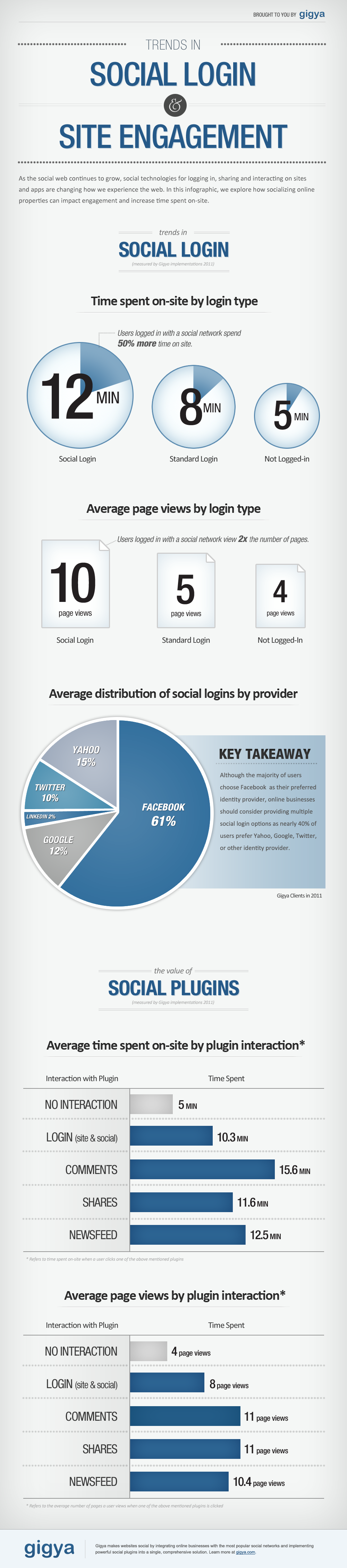
Thanks to some research (and a nifty infographic) from Gigya, the makers of SaaS technology (or a social CRM platform, if you will) that helps businesses make their websites social, we now have further proof that one of the best ways to encourage repeat visitors is through social logins.

As it has proliferated across the Web, Facebook Connect has been able to let people carry their social graphs with them wherever they go. Now, thanks to Facebook, my friends are no longer confined to the social network, they’re in my movie recommendations, check-ins, and everywhere else. In some ways, it’s pretty invasive, and in most other ways, it makes our experiences better. Take friendsourced recommendations.

As Gigya’s data shows, site owners that incorporate Facebook Connect, Twitter sign in, etc. stand to benefit: Users spend 50 percent more time on sites when they’re logging in through social networks – that’s four more minutes with a social login than with a standard login. Gigya’s data considered the Web, mobile web, and apps.

This is true of page views, too. Users logged in with a social network view twice the amount of pages. Naturally, it seems to follow that when a person logs into a site through their social network, they want to interact with the site with their social graph in tow – and, according to Gigya – is in turn acting as a gateway for user engagement through comments, sharing, game mechanics, and activity feeds.

Want to leave a comment? Sign in through your social network. TechCrunch commenters might be familiar with this one.

And with 800 million users, it’s not surprising that Facebook is the most popular provider or source of social logins, at 61 percent, followed by Yahoo at 15 percent, Google at 12 percent, Twitter at 10 percent, and LinkedIn at 2 percent. While second place is distributed, it does show that there’s probably some worth in providing more than a Facebook login option, though you’ll obviously reach the majority of users that way.

In terms of social plugins, users who interact with commenting systems generally spend the most amount of time on the site, with the same holding true for page views. So, add a comment section. You may come to regret it, but the numbers don’t lie, it increases the amount of time people spend on your site. Second? Newsfeed.

But, without further ado, I’ll let Gigya take it from here. For more, check out Gigya’s blog post here.

Infographic below:

Excerpt image from Kokomedia


Tagged: Four Years Profitable, Big Plans for hi5

tagged

Social network Tagged seems to have found a model that works — the company says that 2011 was its fourth consecutive profitable year, and that its revenue grew 35 percent to more than $43 million.

At the same time, Tagged became an aggressive buyer of other startups. It announced its first acquisition in April, of instant messaging client Digsby, followed by WeGame, Topicmarks, and hi5. The last deal, involving a social network that was struggling but still significant in its own right, is probably most notable, supposedly increasing Tagged’s registered user base from 100 million to 330 million.

As for what exactly Tagged plans to do with hi5, Tagged’s vice president of sales and marketing Steve Sarner says there are “big plans in the works,” and we can expect some more concrete announcements soon.

Some other stats: Tagged says, thanks again to the hi5 deal, it more than doubled the number of active users, to more than 20 million. The company has tripled its staff, from 48 to 172. And virtual currency revenue, which is its main business model, was up 60 percent.

Tagged also launched its own in-house development studio last year, Sarner says, because it found that the games that did the best achieved the company’s aims were built by Tagged itself. There are still a few games built by third parties on the network, but moving forward the company’s focus will be in-house.

Unlike the better-known social networks, Tagged focuses on what it calls “social discovery,” or, as Sarner describes it, “the meet new people space” (as opposed to connecting you online with your real world friends). Sarner argues that other companies are finally starting to catch on to the potential here.

“It’s interesting to see social discovery space, the meet new people space … we’re  surprised it’s taken so long for people to take notice of it,” Sarner says. “So we’re excited that we’re in the forefront of it. We’re by far the largest now, especially with bringing hi5 on.”


iPhone 4S Jailbreak

iphone_4s_jailbroken.jpg

The jailbreak for the A5 processor based iPhone and iPad is just around the corner. Chronic dev team member @DHowett has posted a video that shows an iPhone 4S running jailbroken and unthethered. In the video you can see Cydia running and the phone being reset without the need to connect it to a computer.

Pod2g, @planetbeing, @MuscleNerd and @p0sixninja, who are all working on the hack have confirmed that the video is real. This those us iPhone 4S owners a bone that the jailbreak can’t be too far around the corner.

[Via The Verge]

tech.nocr.atiPhone 4S Jailbreak originally appeared on tech.nocr.at on 2012/01/17. Reproduction of content not allowed without consent.

© tech.nocr.at 2012 | Permalink | Comments |
Read more in Mac | Explore more in: , , | Add to del.icio.us | Stumble it | Reddit


Intelligent Flashlight Will Show You The Way

intelligent-flashlight.jpg

Why use an old fashion flashlight when you can use one that will show you the way. This is the Way-Go Torch, an intelligent flashlight developed by Sriranjan Rasakatla. Not only will it light up a path for you, it will overlay useful data on how to get where you want to go.

The unit has a pico projector mounted in the front that projects data on the ground as you walk. Using a digital compass an GPS, it can show you your coordinates and guide you on your way. The crazy thing is that it works, and works well as you can see in the video below.

I can’t imagine that will all those components the battery would last very long, and it looks big and cumbersome. Over time, now that there is a concept laid out, a smaller, lighter one could be built. I can see it now, SmartLight 2.0

[Way-Go Torch]

tech.nocr.atIntelligent Flashlight Will Show You The Way originally appeared on tech.nocr.at on 2012/01/17. Reproduction of content not allowed without consent.

© tech.nocr.at 2012 | Permalink | Comments |
Read more in Hacking And Security | Explore more in: , , | Add to del.icio.us | Stumble it | Reddit


Super Mario Bros. Crossover

ryu52510.jpg

Is there anything better than good old 8-bit gaming? Sure you can always immerse yourself in ultra real world gameplay, but nothing beats the hissing of old school game music and 2d side sculling fun. Plus, you don’t need multiple graphics cards chained together to enjoy this one.

Super Mario Crossover is a flash based fan created game that allows you to play the NES Super Mario Bros. game as a variety of characters. Created by Jay Pavlina and Zach from Exploding Rabbit, Super Mario Bros. Crossover offers a whole world of cheats and fun easter eggs. You can get more info from their wiki or jump right in and play the game now.

tech.nocr.atSuper Mario Bros. Crossover originally appeared on tech.nocr.at on 2012/01/17. Reproduction of content not allowed without consent.

© tech.nocr.at 2012 | Permalink | Comments |
Read more in Gaming | Explore more in: , , | Add to del.icio.us | Stumble it | Reddit


Juice Boxes

Anyone who’s ever taken their iPhone on a road trip has at some point yearned for a little extra juice along the way. In the middle of a cross-country flight, or in the middle of nowhere in the backcountry, a back-up power source isn’t just a handy extra, it can be a necessity.

Here are a few options to give you a few more hours of GPS-assisted navigation on your hike, one more run through Flirtin’ with Disaster on I-95, or an extra hour of Edge before the plane lands. All of these battery cases not only boost your iPhone’s staying power, but they also provide extra protection and some enhanced functionality.

The Pretty Boy: Mophie Juice Pack

With its clean lines and snappy colors, Mophie’s Juice Pack ($80) has the kind of looks you wouldn’t mind showing around the office. The matte texture helps gives the phone some extra grip, but the case also completely wraps around the iPhone, acting as a fully protective sleeve. I dropped my Mophie-encased phone several times on concrete and tile without scratching it. It just about doubles the iPhone’s battery life, so you blow through a few seasons of American Dad before you kill the battery.

The Juice Pack gives you the option of using either the iPhone’s battery or the spare battery first. If you opt to run down the iPhone’s battery first — which is recommended, as being on a constant charge takes energy — just flip the switch on the bottom of the case to stand-by mode.

The case needs to be attached to the iPhone to charge. The case is a bit bulkier than most protective cases, but it’ll fit into all but the skinniest of skinny jeans.

Mophie.com, $80

WIRED Good-looking. Doubles battery life. Drop-worthy protection.

TIRED Too bulky for some hipster pockets.

Rating: 8 out of 10

The High-Miler: Sol Hybrid Power Pack

Sol’s case ($90) is not only the longest-lasting battery case in this lineup, it’s also the only one with a solar panel to let you charge the phone au naturel.

It’s also remarkable as a speed charger. When the battery inside the case is fully charged, it can juice up your phone extremely quickly — it charged my dead iPhone 3Gs in under an hour, rather than the standard 3-hour charging time through a wall socket. But if you just leave the phone in the case all the time and let the power trickle in as needed, it can triple the life of your iPhone. It kept my iPhone alive through a 12-hour trip to the summit of Mt. Shasta. It would be great for a century ride, especially if you plan on using your battery-sucking GPS all day, or even if you just want to stay connected so you can Instagram the whole thing.

When both the phone and the case are depleted, the Sol Hybrid case can charge up not only with sunlight, but also with artificial indoor lighting. Be aware that fully recharging the case’s battery, even in full sun, is an all-day task.

The Hybrid is the least protective of the cases, however. It’s a bit thicker than the Mophie Juice Pack, but it doesn’t fully cover the top of the iPhone. If you drop it and it lands top-down, you could be hosed.

Solmarketplace.com, $90

WIRED Monster battery life extension. Solar charger provides energy in emergency situations. Speedy iPhone charge. One unexpected, yet welcome, feature is the LED flashlight on the bottom of the case.

TIRED Not as protective as other options. Solar charger is too slow to be used for anything other than emergencies.

Rating: 8 out of 10

The Tank: Magellan ToughCase

In the iPhone playground, the Magellan ToughCase ($100) would take the other cases’ lunch money.

Big and burly, the Magellan’s key strength is its durability. In Yosemite, I dropped the case a few times, even kicking it into a stream when trying to balance the iPhone camera and a water filter. My phone came out of the woods safe and sound.

In addition to protecting your iPhone against everything from gnarly drops to total submersion, the Magellan also sports an extra boost of juice for your phone, roughly doubling your battery life. That’s decent, but other cases offer more longevity. It also tightens the GPS accuracy to about 10 to 15 feet. That’s not a huge advantage over the iPhone’s 21 feet, but if you’re adventure racing, or if you’re a geocacher who doesn’t mess around, the Magellan can give you an edge.

It’s definitely too bulky to serve as an everyday case for city slickers, but when you’re going to be in the wild, or if you work in construction, the ToughCase will keep your iPhone safe and powered up.

MagellanGPS.com, $100

WIRED Makes your iPhone almost impervious to harm. Increases the accuracy of the GPS reading to about 10 to 15 feet. Doubles battery life. If you’re in bear country, the Magellan can be used as a weapon when placed in a tube sock and swung overhead.

TIRED Freaking huge.

Rating: 7 out of 10

The Magellan ToughCase is big, but it takes a beating.

Photos by Ariel Zambelich/Wired

Zappos Suffers Security Breach; Customer Emails And Passwords Affected

zappos

It appears that Zappos was the victim of a cyber attack today from a hacker who gained access to the company’s internal network through the company’s servers in Kentucky. While specifics of the attack were not revealed, Zappos says that credit card and payments data were not accessed or affected by the criminal.

CEO Tony Hsieh writes to employees, The most important focus for us right now is the safety and security of our customers’ information. Within the next hour, we will begin the process of notifying the 24+ million customer accounts in our database about the incident and help step them through the process of choosing a new password for their accounts. (We’ve already reset and expired their existing passwords.)

Affected Zappos users simply need to reset their passwords and create a new password, Hsieh explains. In Zappos’ signature quality customer service style, the company has already created a detailed page for any affected users to find out more information. And Hsieh says that in order to service as many customer inquiries as possible, all employees at Zappos’ headquarters, regardless of department, will be asked to help with assisting customers who have questions about the attack.

From the email sent to affected users: We are writing to let you know that there may have been illegal and unauthorized access to some of your customer account information on Zappos.com, including one or more of the following: your name, e-mail address, billing and shipping addresses, phone number, the last four digits of your credit card number (the standard information you find on receipts), and/or your cryptographically scrambled password (but not your actual password).

Hsieh adds that Zappos is cooperating with law enforcement on an ongoing investigation of the incident. Considering Zappos’ impressive customer service (and quick response), it seems that the company is taking all steps to help make sure customers are aware of which data that could have been stolen by the hacker, and encourages users to change their passwords.


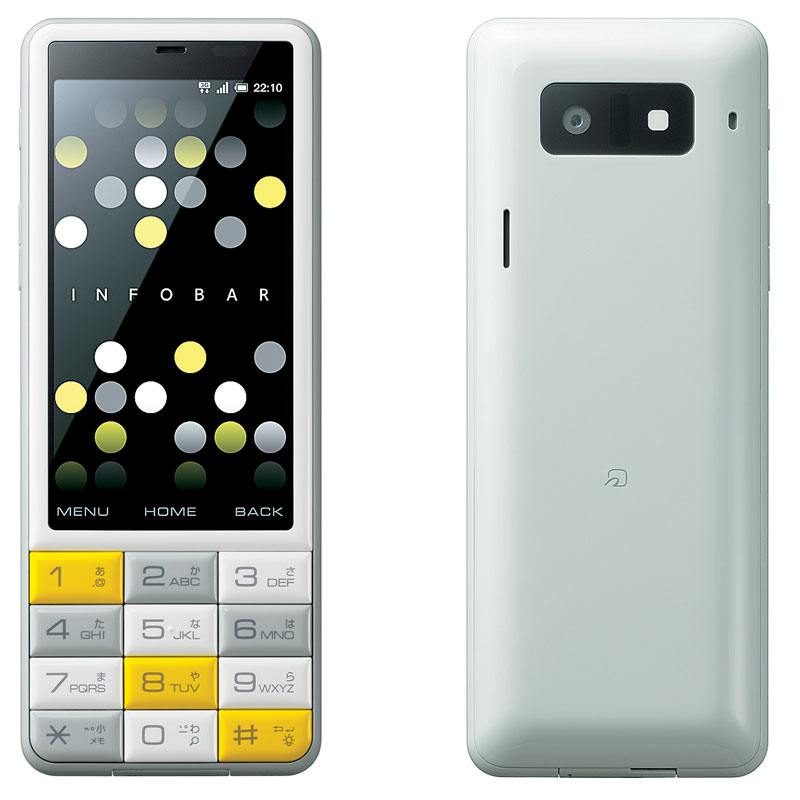
INFOBAR C01: Japan’s Newest (And Most Colorful) Android Phone

infobar01

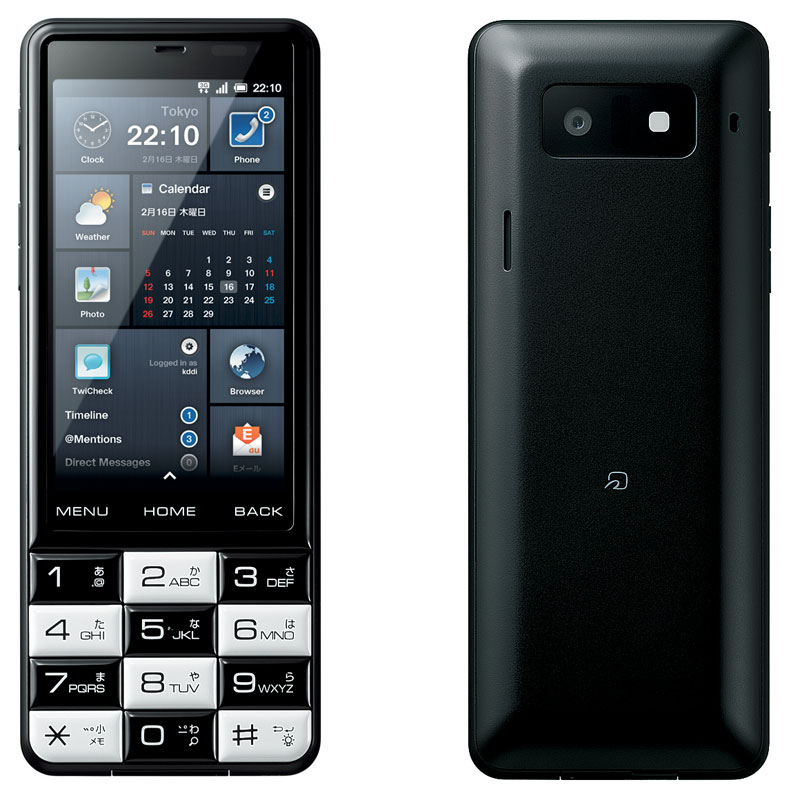
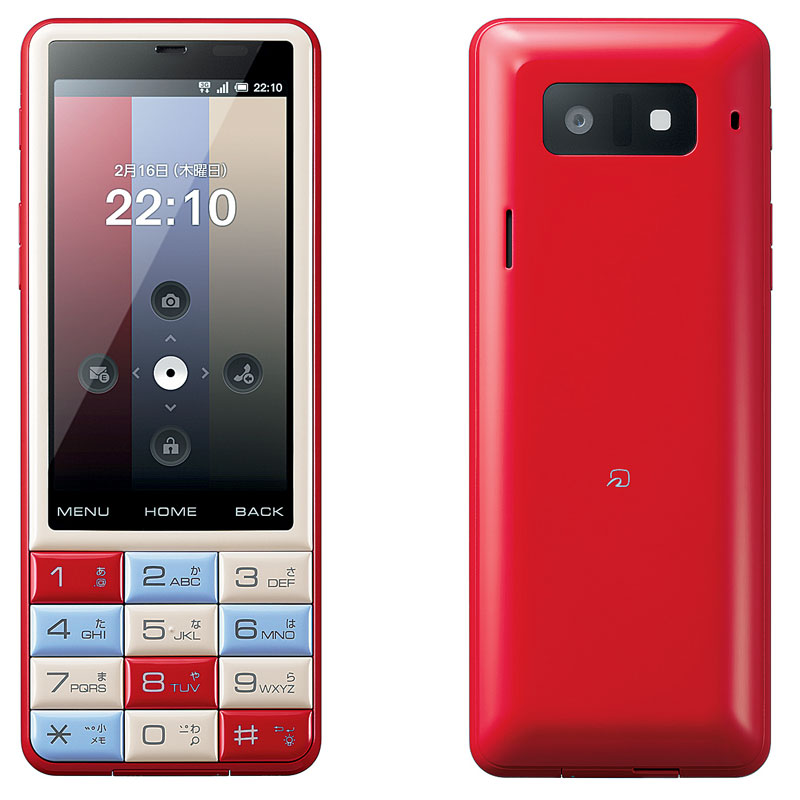
Japan’s mobile landscape is currently in the midst of an Android revolution, and today KDDI au (the country’s second biggest carrier) announced another 5 smartphones with that OS on board for the local market. The most interesting model in the new line-up is the so-called INFOBAR C01 [JP], a candy bar coming with a heavily customized UI (based on Android 2.3).

KDDI au introduced a similar model back in May last year, the INFOBAR A01 (both handsets are part of KDDI’s designer sub-brand iida).

The fresh model, which is more compact and weighs a little less, features the following specs:

  • 3.2-inch screen with 854×480 resolution
  • 8MP CMOS camera
  • e-wallet function
  • digital TV tuner
  • infrared
  • USB, microSDHC ports
  • Bluetooth 3.0+EDR
  • Wi-Fi
  • CDMA/GSM/GPRS compatibility
  • size: 130×52×12.3mm, weight: 106g

One of the biggest selling points (apart from the unusual design)  is the redesigned iida UI, which you can see in the video embedded below (Japanese narration).

KDDI au plans to start offering the INFOBAR CO1 next month.


Some Key Social Media Trends To Look For In 2012

Social-Media-Collage

Editor’s note: Guest contributor Joseph Puopolo is an entrepreneur and start-up enthusiast, who blogs on a variety of topics including green initiatives, technology and marketing.

In 2011, social media had its share of growing pains. Large brands and corporations took to social media in force to try to find footing in this expanding medium. Some brands found success, while others found peril and new PR nightmares. One person who has helped brands navigate the proverbial social media minefield is Amy Jo Martin. She is the founder of Digital Royalty, a social media firm that has set itself apart by helping A-listers find their social media voice.

Amy works with people like Dana White of the UFC, Dwayne “The Rock” Johnson of acting/WWE fame and brands like Nike and Fox Sports (and now Joel Stein). Her specialty is working with organizations or individuals and making them look good online. Since the online world is in perpetual flux, I wanted to get Amy’s take on the social media landscape for 2012.

Here were a few key trends Amy said we should look out for in 2012:

1. Social TV Integration

Many shows have already begun to integrate social TV, either through polling or integrating social elements within the show. See my example of how both the UFC and WWE are integrating social media into their programming. Social media played a pivotal role in the last presidential election, and it will likely be more integrated into political broadcasts.

As each news channel fights hard to keep their viewers engaged, networks like CNN and Fox have made significant strides to engage their audience, although some would argue that this social media integration has come at the expense of hard-hitting journalism and analysis.

2. TV Is Going Online in a Big Way

2012 will be the first time that the Super Bowl will be streamed live to the world. Since the Super Bowl is generally viewed as the mother of all advertising spectacles, it will add a new dynamic into the digital component to advertising and social media integration.

3. Facebook Credits Take Center stage

Facebook in 2012 has the potential to project its power and truly take Facebook credits into a viable currency. Amy puts it quite well when she says “they’re building an online destination we’ll never need to leave, and my guess is they’re only about 8% of the way through their product roadmap.”

4. Big Business Has Woken Up

The way corporate entities approach social media is shifting. Many companies realize that setting up Twitter, YouTube and Facebook accounts is not going to cut it as their social media strategy. Brands will need to seriously shift their perspective by treating social channels more like communication channels and less like an advertising channels in order to make a difference. From my perspective this transition has already occurred, judging by the extent to which brands’ Twitter accounts are now used as channels for CRM and customer support, managing pissed off or happy customers in near realtime.

5. ROI Is Still Huge

ROI will remain a key metric to any social media strategy. The concept of engagement is now becoming more and more an excepted metric. CEO adoption of social media is improving, and more CEOs are recognizing the benefits of humanizing their brand by taking to Twitter.

Customer service, research and image branding could all be considered social media intangibles, yet all three are obviously important in business. Social channels impact every single aspect of business from human relations to ?nance, sales, operations and legal. It’s important for everyone to understand how social media affects their role and responsibilities. Opposite of television, social media is a dialogue vs. a monologue and if a brand is able to collect opinions real-time in high volume via social channels like Facebook polls, they can save a great deal of money on formal research studies.

There have been a lot of discussions about social media fatigue and whether brands refuse to play for that reason. With over a billion people on social media it’s irresponsible for any brand not to have some sort of presence. 2012 will be the year for brands to go beyond cookie cutter campaigns and really determine how it not only adds value to their company, but how it adds value for their customers. 2012 will be crucial for companies and social media. For those who don’t see a direct correlation between social media and sales consider:

“Social media is an ideal tool for moving people up the fan ladder, from being a casual fan of a brand to a loyalist, because the communication channels allow people to build stronger emotional connections with brands.”

So in 2012, the question is, how will your brand use effective strategy to move people up the fan ladder from interested to foaming at the mouth brand zealots?

Excerpt image from 4socialmediaconsulting


The Winners And Losers Of CES 2012

ces_header

CES 2012 has come and gone, and it’s time for the inevitable summary and think pieces on the directions the industry is heading, the highlights of the show, and so on. We’ll also be posting some interviews and highlights from our live coverage this week, but before that it is, of course, necessary to publish some sort of top 10 list.

So here are five winners and five losers of CES, as judged by those of us who went to the show, and with consideration both for the limited, short-term nature of the show itself and the longer-term sea of trends on which these companies and devices are sailing.

Winners

TVs

Last year, the TVs at CES were a wearying collection of the same-y junk, and everyone was pushing the same thing: 3D. I don’t personally have a problem with 3D, and in fact almost every TV we saw this year was also 3D-capable. But this time around, it wasn’t their primary feature. Perhaps as a result of the various display manufacturers’ lineups looking more or less the same for a while (not to mention the indifferent response of the market to home 3D), TV makers decided to actually add different features this year. Not all were useful, mind you, but Samsung, Sony, Sharp, and so on decided to take their own paths – whether in style of interaction, breadth of content, or sheer size (that would be Sharp). It’s good to see a TV here and actually be curious about it again.

Sony

While Sony stumbles here and there, especially with PR, they do make some really cool stuff. This year’s trip to their booth reminded us just how much stuff this company makes, and how much of it is actually pretty great. Sure, 1080p 3D binoculars aren’t the most practical thing in the world, but I like to know someone’s making them, and making them well. The Sony-Ericsson phones were also quite nice; the new Xperia Ion and S both impressed. One caveat there: they’ve been hyping their S and P tablets for so long that the devices are in danger of being old before any consumers really get a chance to use them. They have good products, but need to just trust the brand and the quality and ship the damn things.

Streaming and media services

There was a recurring theme of empowering consumers, by which many companies mean they’ll stop shoving their inferior in-house services down our throats, and let us do what they want with the device we paid for. This means that more and more devices are letting in services like Pandora, Skype, Amazon streaming, everything. If you provide a way to connect consumers with content, device makers want you to be available on their thing. As devices get smarter, it’s getting harder to defend how dumb the big brands have forced them to be over the last few years. There’s no excuse for a device powerful enough to run Netflix (to say nothing of 3D games) not to do so. TV makers are accepting this. That’s a win.

ARM & friends

While Intel has been dominating the desktop world, ARM has crept up and stolen pretty much the entire mobile and embedded market. There doesn’t seem to be any abatement in that trend, and in fact Intel’s hold on Windows machines is starting to show cracks as well. This year at CES, all the smart TVs, tablets, phones, tweener devices, and half the other stuff worth looking at were sporting an ARM processor in one form or another. NVIDIA showed a great, cheap Android 4.0 tablet, Qualcomm had a ton of TVs and powerful media devices, Marvell showed their great OLPC XO-3 tablet and powers a bunch of other things — the list goes on. ARM was probably the most ubiquitous company at the show. Intel did show off their new smartphone, though, so a new battle may be forthcoming.

RIM

I must admit I wasn’t expecting much from RIM, and I guess in the end they didn’t have that much to offer: a hands-on with the PlayBook 2.0 update. But I’m really glad we stopped by, and I think RIM showed that they are still a force to be reckoned with in some respects. The PlayBook, whipping boy of the tech blogs, is made far more complete by the addition of the email, contacts, and calendar features. If they had released this, and perhaps at a slightly lower price than they were selling it for at launch, I think the tech world would have been genuinely enthusiastic. In our interview with them, I wasn’t just buttering them up when I said I would certainly recommend the PlayBook over an iOS or Android device for the purposes of day-to-day productivity, enterprise, and so on. The PlayBook, I said, was a breach birth, its non-critical consumer-facing functions emerging foremost, and its essential business and productivity functions delayed dangerously. Now that they’ve been delivered (so to speak), I can safely say the PlayBook is a far better tablet than it was, and that Google and Apple should take a look at some of their clever and powerful gesture and UI work.

Losers

Apple

People have been saying that the shadow of Apple would fall darkly on CES, that everyone would be spooked about the imminent presence of the new iPad and the rumored iTV, that it would be a show of Apple clones. The truth is that no one really seemed to be thinking much about Apple one way or the other. We saw phones taking design in interesting directions, tablets with diverse uses, business models that move beyond iTunes, and smart TVs that the companies seemed pretty excited about, not defeatist or pathetic. The only place Apple showed up was in the accessories area, and the new items we saw, more often than not, were careful to accommodate Android and other devices as well. CES just isn’t Apple’s show, which isn’t much of a surprise to some, but others want to believe that Apple has a presence even where it isn’t. CES showed this year that, news coverage patterns notwithstanding, the tech world doesn’t revolve around Apple; it revolves around a weird and splendid panoply of overly specific gadgets, raw components, and foreign niche markets.

Consumers

Despite all the wins listed, it still wasn’t a very good show for consumers. Many device classes have been caught mid-transition: tablets and phones, only a few of which are running that all-important Ice Cream Sandwich; TVs, which are beginning the transition to smart TVs but aren’t safe enough yet to put in the hands of non-enthusiasts; car interfaces, which have not learned lessons from smartphones and tablets and are still fairly unintuitive — etc, etc. The trends are good, but you can’t buy trends. Whether it will be next year or the year after that the devices achieve the status of buyable I can’t say, but I do know that I wouldn’t recommend many things I saw this year, even if I found them promising.

Ultrabooks

The much-hyped ultrabooks were mostly snoozers: the same devices people have been making for years, but thinner. Not that there’s anything wrong with that, exactly, but it sure isn’t very exciting — it’s more like what TV makers do. And brands like Toshiba and Lenovo can’t afford to be considered as providing a commodity after this class of products has been hyped to the moon. The devices I saw weren’t bad, just not very impressive from the standpoint of a consumer standing in a Best Buy or browsing the web trying to decide what to get. I didn’t get a chance to check out Dell’s new machine, though, which Matt Burns tells me is a very nice piece of kit. And these are only the first ultrabooks, so we must give them a chance to refine themselves. It just wasn’t much of a debut.

Set-top boxes

There’s been an explosion of diversity in the set-top box space, with devices like the Boxee Box and Roku, and of course Tivo and the like. But the new smart TVs being put out by practically every TV maker take dead aim at these convenient, user-friendly products. It was a bottom-up revolution over the last two years as these nimble and inexpensive boxes took the sloppily-produced “smart” TVs of the day to school with faster updates, more content, and easy entry. Those salad days may be ending; Samsung, LG, and others are putting real money and real R&D into making set-top boxes obsolete. I’d hate to be Roku right now — well, that’s not true, they’re doing great. But over the next year they will really have to step up their game and prevent their service from being duplicated on-device.

CES

I’ve talked a lot and answered a lot of questions from people, family, and media about whether CES is in trouble. And my answer has always been: no. CES is doing fine. They had 153,000 attendees this year and 3100 exhibitors. It’s a huge, important, and interesting show, and will be for a long time to come. But when something like the departure of a partner (in this case Microsoft) causes everyone in the world to doubt its relevance, it’s not a question of practicality, it’s a question of confidence. Is the opinion at large of CES so low that such a relatively small event (Microsoft’s participation was largely symbolic, rarely substantial) would mean the difference between “show goes on” and “show shuts down”? The CEA should take this popular response seriously: it’s not a warning that their show is about to hit the wall, but rather a warning that they have failed to make understood what the show is about. They should take the opportunity to fill the Microsoft gap with something big, and do something to make the show, ostensibly trade but in reality very public, more comprehensible to people at large.


Overall the show was more promising than impressive. Products like the gesture-based TVs, the Galaxy Note, and numerous other devices and services aren’t anything I would recommend, and their benefits aren’t really obvious to anyone who isn’t deeply interested. The offspring of these products, however, will be very interesting. Unfortunately, they won’t be around for a while.

Two things I want to add: I personally would have liked to add the new OLPC tablet to the winners, but although I find it delightful, it’s not really big enough to warrant putting down. And Microsoft could be considered either a loser or a winner: it wasn’t much of a keynote or a show for them, but then again, Microsoft rarely rocks CES very hard, and they might be given a little credit for recognizing that and taking action.

What do you think were the big winners and losers at CES? Were you there? Was it a good show? Tell us below (or dispute my choices) in the comments.


Can Technology Transform Education Before It’s Too Late?

symbaloo

Editor’s Note: This guest post was written by Prerna Gupta, who is CEO of Khush (now part of Smule), whose music apps, like Songify and LaDiDa, have been used to create over 125 million songs worldwide. You can follow her @prernagupta.

As technology continues its march toward the Singularity, transforming the way we work, socialize and play at an increasing rate, there is one very important aspect of American society that lags behind: education.

Many in Silicon Valley have strong opinions on how education should be improved, perhaps most notably Peter Thiel, who believes we are in a higher education bubble and should be encouraging kids to skip college and pursue entrepreneurship instead. I agree that Americans are placing too much emphasis on higher education, but I think the debate over Thiel’s statements misses a much deeper point.

Why is higher education overvalued?

It’s because our primary and secondary education systems suck and are thus shifting the burden of educating our population to college. Of much greater concern to me than the college bubble is that 18 years of almost every American life are wasted learning nothing in primary and secondary public schools. By now we’ve become habituated to the alarming statistics that show America falling behind in all subjects. While the public sector struggles to innovate, however, the private sector is taking note.

Dave McClure’s fund, 500 Startups, plans to invest in 10-20 education startups this year. I recently had a chance to chat with Dave about why he’s so bullish on the space, and he said, simply, it’s because education is “incredibly backwards, and has huge potential for change.” He cited a disruptive trend of teachers integrating technology from everyday life into their classrooms voluntarily, rather than technology integration being mandated top-down by administrators. As tablet devices become pervasive, teachers are embracing apps as learning tools, with iPads leading the way in the U.S., and Android tablets taking hold in third world countries such as Brazil and India.

Increasingly, many teachers are also looking beyond apps designed specifically for educational purposes and turning instead to apps from the Entertainment category to help make their daily lessons more engaging. It’s called “Edutainment.” I learned about this phenomenon after teachers started blogging about my company’s app, Songify.

Songify is an app that turns speech into music. As it so happens, this technology is useful for more than crying about how much you love cats. Lisa Carnazzo, for example, uses Songify in her 2nd grade English lessons. Ms. Carnazzo finds that lesson plans integrating Songify are more engaging for her students than traditional methods; by posting her students’ Songifications online, she also encourages parents to get involved. Nancy Branchbill views Songify as a memorization tool and has her fifth graders Songify their class notes or use the app to learn steps in a process.

There are other examples as well. Talking Tom, the popular talking character app, has been used to teach homonyms and to help kids memorize multiplication tables. Puppet Pals has been used to help students learn about historical events. There is even a regular podcast on iTunes, hosted by educator Lisa Johnson, which gives lesson ideas based on “Surprisingly Educational” apps.

The success of digital learning tools is motivating the public sector to adopt technology too. Using software as a teaching aid is not a new concept. It’s known as “blended learning” in pedagogical circles. But it’s newly in vogue with some forward-thinking institutions like the Los Angeles Unified School District, which is currently developing a five-year plan to deploy blended learning across LA schools. Priya Chordia, from the district’s Strategy Team, explains that “disruptive tools like Khan Academy have brought blended learning to the forefront. The mass-market proof de-risks an untested concept and helps us gain support for making dramatic changes.”

Another school district that is pushing the envelope on technology in the classrooms is Chicago Public Schools. John Connolly, the district’s Education Technology Director, recently led an initiative to purchase 6,000 iPads for Chicago students. As Connolly explains in this video from Apple’s iPad 2 launch event last March, “It is difficult to keep students motivated in school, and keep them engaged in the curriculum…You put the iPad in front of them, and you’ll see the kids focus immediately on that content and start working through it … I really believe that this is the future of education.”

Classrooms using the iPads have seen gains of 50-60% in reading, math and science performance. Connolly is also working with Chicago-based start-up, eSpark Learning, to help teachers sort through the 27,000 educational apps in the iOS store and adapt instruction to individual students’ needs. According to eSpark’s CEO, David Vinca, the software, which he describes as “Pandora for education,” has helped students raise their skills by 1.4 grade levels.

We are in a time of convergence: teachers are incorporating technology from their everyday lives to increase student engagement, while visionary administrators are using the momentum of grassroots digital learning movements to move our institutions forward. Hopefully education will catch up before the Singularity arrives.


Online Marketplace For Designer Fashion Boutiques FarFetch Raises $18M From Index Ventures

farfetch

FarFetch, and online marketplace for independent fashion boutiques, has raised $18 million in funding from Index Ventures, eVenture Capital Partners and existing investor Advent Venture Partners. This brings FarFetch’s total funding to $24 million.

Launched in 2008, Farfetch.com is marketplace which brings independent fashion boutiques from Europe and North America under one roof. The London-based company offers a curated network of online boutiques from designer brands like Fendi, Gucci, and Chloé as well as from emerging designers. Currently the site offers clothing for both men and women, and includes over 35,000 products.

The company says its is currently seeing an annual sales growth rate of 204 percent. Farfetch.com has more than 56,000 customers in 100 countries, with 50 percent of sales are delivered to emerging and new markets. The marketplace has 110 boutique partners in Europe and the US, and 60 partners in Brazil. The company currently represents over 200 boutique locations worldwide in 12 countries.

The new round of funding will be used to expand and deepen FarFetch’s brand and operational presence in its existing markets across Europe and North America, and for strategic growth efforts into new markets in the United States and Brazil and Asia.

In particular, FarFetch is aggressively expanding to the U.S. 2012, and will be opening up an additional office in New York.

Robin Klein, Venture Partner at Index Ventures, said in a statement, “We strongly believe that the model of Farfetch is one that will continue to grow and expand globally, and attract a very engaged and loyal base of fashion connoisseurs across markets.” Index has previously invested in a number of e-commerce sites including ASOS, Net-A-Porter, LOOKK, EDITD, StylistPick, AstleyClarke, GoTryItOn and Etsy