Police case filed against Netflix executives in India over ‘A Suitable Boy’ kissing scene

Netflix, which has invested more than $500 million to gain a foothold in India in recent years, is slowly finding out what all could upset some people in the world’s second-largest internet market: Apparently everything.

A police case has been filed this week against two top executives of the American streaming service in India after a leader of the governing party objected to some scenes in a TV series.

The show, “A Suitable Boy,” is an adaptation of the award-winning novel by Indian author Vikram Seth that follows the life of a young girl. It has a scene in which the protagonist is seen kissing a Muslim boy at a Hindu temple.

Narottam Mishra, the interior minister of the central state of Madhya Pradesh, said a First Information Report (an official police complaint) had been filed against Monika Shergill, VP of Content at Netflix and Ambika Khurana, Director of Public Policies for the firm, over objectionable scenes in the show that hurt the religious sentiments of Hindus.

“I had asked officials to examine the series ‘A Suitable Boy’ being streamed on Netflix to check if kissing scenes in it were filmed in a temple and if it hurt religious sentiments. The examination prima facie found that these scenes are hurting the sentiments of a particular religion,” he said.

Gaurav Tiwari, a BJP youth leader who filed the complaint, demanded an apology from Netflix and makers of the series (directed by award-winning filmmaker Mira Nair), and said the film promoted “love jihad,” an Islamophobic conspiracy theory that alleges that Muslim men entice Hindi women into converting their religion under the pretext of marriage.

Netflix declined to comment.

In recent days, a number of people have expressed on social media their anger at Netflix over these “objectionable” scenes. Though it is unclear if all of them — if any — are a Netflix subscriber.

The incident comes weeks after an ad from the luxury jewelry brand Tanishq — part of the 152-year-old salt-to-steel conglomerate — which celebrated interfaith marriage received intense backlash in the country.

For Netflix, the timing of this backlash isn’t great. The new incident comes days after the Indian government announced new rules for digital media, under which the nation’s Ministry of Information and Broadcasting will be regulating online streaming services. Prior to this new rule, India’s IT ministry oversaw streaming services, and according to a top streaming service executive, online services enjoyed a great degree of freedom.


SpaceX targeting next week for Starship’s first high-altitude test flight

SpaceX looks ready to proceed to the next crucial phase of its Starship spacecraft development program: A 15km (50,000 feet) test flight. This would far exceed the max height that any prior Starship prototype has achieved so far, since the current record-setting hop test maxed out at around 500 feet. Elon Musk says that SpaceX will look to make its first high-altitude attempt sometime next week.

This tentative date (these are always subject to change) follows a successful static test fire of the current SN8 generation prototype — essentially just firing the test spacecraft’s Raptor engines while it remains stationary on the pad. That’s a crucial step that paves the way for any actual flight, since it proves that the spacecraft can essentially hold together and withstand the pressures of active engines before it leaves the ground.

SpaceX’s SN8 prototype is different from prior versions in a number of ways, most obviously because it has an actual nosecone, along with nose fins. The prototypes that did the short test hops, including SN6, had what’s known as a mass simulator up top, which weighs as much as an actual Starship nose section but looks very different.

Musk added that the chances of an SN8 high-altitude flight going to plan aren’t great, estimating that there’s “maybe a 1/3 chance” given how many things have to work correctly. He then noted that that’s the reason SpaceX has SN9 and SN10 ready to follow fast, which is a theme of Starship’s development program to date: building successive generations of prototypes rapidly in parallel in order to test and iterate quickly.

We’ll likely get a better idea of when the launch will take place due to alerts filed with local regulators, so watch this space next week as we await this major leap forward in SpaceX’s Starship program.

New venture firm The-Wolfpack takes a fresh approach to D2C startups

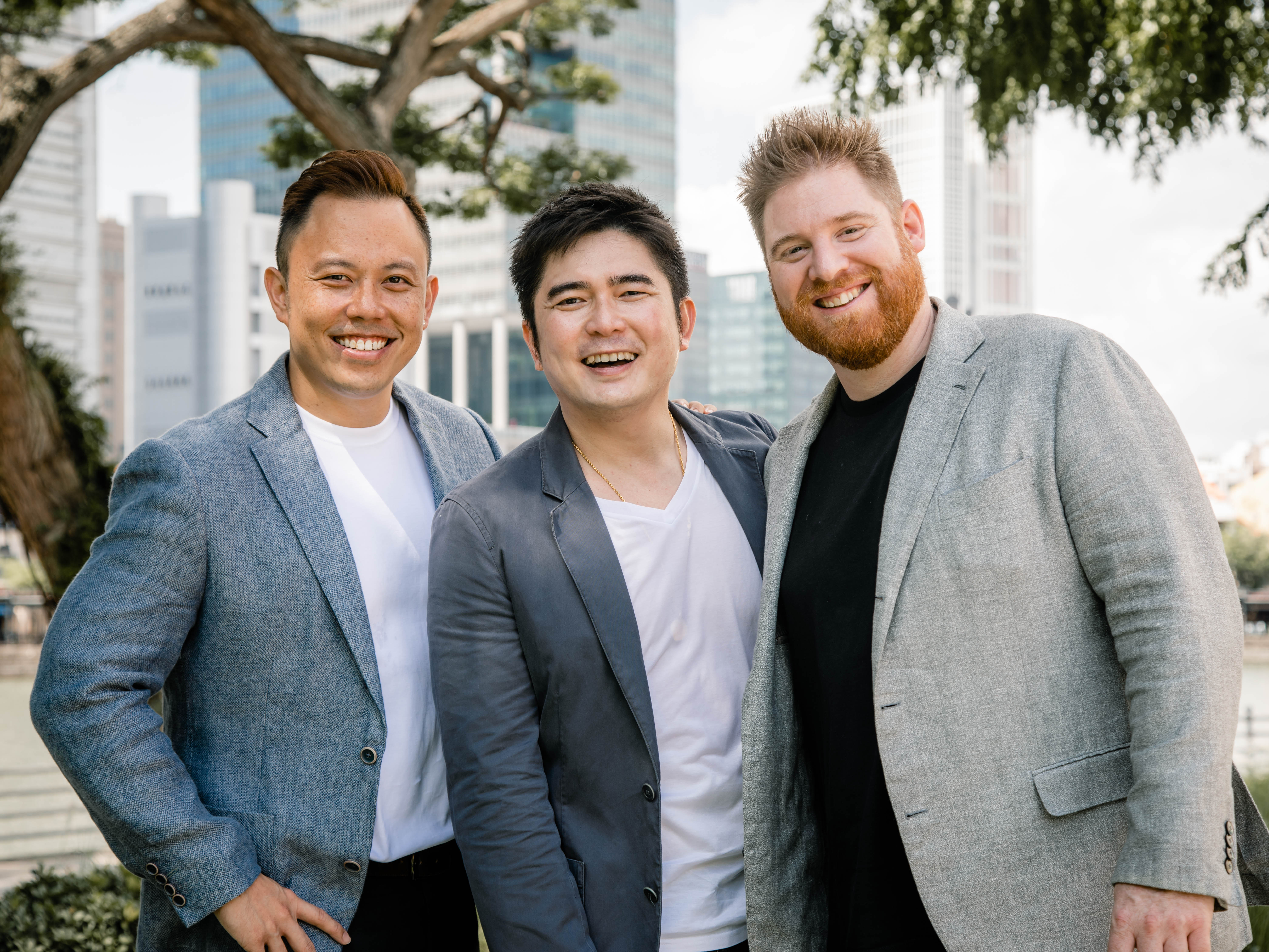
The-Wolfpack’s co-founders, Toh Jin Wei, Tan Kok Chin and Simon Nichols

The-Wolfpack’s co-founders, Toh Jin Wei, Tan Kok Chin and Simon Nichols (Image Credit: The-Wolfpack)

The COVID-19 pandemic has hit the consumer, leisure and media companies hard, but a new venture firm called The-Wolfpack is still very upbeat on those sectors. Based in Singapore, the firm was founded by former managing directors at GroupM, one of the world’s largest advertising and media companies, and plans to work very closely with each of its portfolio companies. Its name was chosen because they believe “entrepreneurs thrive best in a wolfpack.”

The-Wolfpack’s debut fund, called the Wolfpack Pioneer VCC, is already fully subscribed at $5 million USD, and will focus on direct-to-consumer companies, with plans to invest in eight to 10 startups. The firm is already looking to raise a second fund, with a target of $20 million SGD (about $14.9 million USD) and above, and will set up another office in Thailand, with plans to expand into Indonesia as well.

The-Wolfpack was founded by Toh Jin Wei and Simon Nichols, who met while working at GroupM, and Tan Kok Chin, a former director at Sunray Woodcraft Construction who has worked on projects with Marina Bay Sands, Raffles Hotel and the Singapore Tourism’s offices.

In addition to providing financial capital, The-Wolfpack wants to build ecosystems around its portfolio companies by connecting them with IP owners, digital marketing experts, content producers and designers who can help create offline experiences. It also plans to invest in startups based on opportunities for them to collaborate or cross-sell with one another.

Toh told TechCrunch that formal planning on The-Wolfpack began at the end of 2019, but he and Nichols started thinking of launching their own business five years ago while working together at GroupM.

“Our perspective on what the industry needed was similar — strategic investors who truly knew how to get behind D2C founders,” Toh said.

The COVID-19 pandemic and its economic impact has hurt spending in The-Wolfpack’s three key sectors (consumer, leisure and media). But it also presents opportunities for innovation as consumer habits shift, Nichols said.

For example, even though consumer spending has dropped, people are still “drawn towards brands that build towards higher-quality engagements,” he said. “There is a real business advantage for D2C brands who’ve recognized this shift and know how to act on it.”

The-Wolfpack hasn’t disclosed its investments yet since deals are still being finalized, but some of the brands its debut fund are interested in include one launched by an Australian makeup artist who wants to scale to Southeast Asia, and an online gaming company whose ecosystem includes original content, gaming teams and studios. The-Wolfpack plans to help them set up a physical studio to create an offline experience, too.

“Typically brands have talked at customers, but it’s become a two-way conversation, and startups who get D2C right have a real potential for exponential growth that’s worth investing in,” said Toh.

How Verge Aero’s drones pulled off an Election Day win as big as Biden’s

Carlye Wisel
Contributor

Carlye Wisel is a theme park journalist reporting on everything from Mickey Mouse weddings to mid-pandemic roller coaster rides. Her podcast, Very Amusing with Carlye Wisel, explores untold stories and secrets behind how experiences are created at Disney and Universal theme park resorts.

2020 has felt excessively long, and Election Day was no different. A drawn-out, five-day statistics exam for the nation, the process of naming our 46th president was met with exhaustion and, for many, elation when Joe Biden finally took the stage in Wilmington, Delaware, to deliver his acceptance speech. The speech would have been the most noteworthy moment of the evening if only there hadn’t been that drone show, wowing both America and Biden himself, whose wide-eyed look of awe was immediately meme-ified.

The patriotic display was the work of Verge Aero, a small Philadelphia-based startup with six employees that’s pulled in pretty big clients, including the Philadelphia Eagles, Microsoft and, now, the crowning achievement for President-elect Biden’s campaign. With software and drones designed in-house specifically for light-show entertainment purposes, Verge Aero not only cornered the market on making impressive displays more accessible, but gave many who watched at home their first look at the precision of modern aerial imagery.

Verge Aero CEO Nils Thorjussen, an industry leader with a background in developing lighting solutions, led his team on three years of research and development to simplify and perfect the drone light show process. By building everything in-house, the company emerged with a fully integrated system, allowing the ease and execution befitting of large-scale events. When used in tandem, the design software and customized drones make producing an aerial display safer, easier and more cost-effective, not to mention extremely nimble.

Light drone show displays the number 46 on the evening of Election Day

Image Credits: Strictly FX

Given only two weeks to put Biden’s victory show together, Verge Aero collaborated with Strictly FX on a fireworks-laden display of 200 drones spelling out Biden’s campaign logo, “President Elect” and a map outline of the United States. Verge Aero’s Design Studio was created specifically for challenges like these, simplifying the entire process to build last-minute, large-scale shows with ease.

By eliminating hand-off from one platform to another, which can increase error risk, the all-in-one software suite automatically handles anti-collision calculations and flags issues and fixes for human error. Because of this, Verge Aero’s software application guarantees flight paths will not intersect. Simply put, their drones will not collide — and if you’re going to fly a swarm of drones near the president-elect, this is probably who you want doing it.

Gaining security clearances and governmental approvals may have been arduous, but the election night presentation was precisely what Verge Aero was created for: high adaptability that is executed flawlessly. (Thorjussen was unable to speak candidly about the process of Biden’s drone show when we talked, but further details about Verge Aero’s involvement have since been made public.)

Reticent to divulge specifics of how one pulls off a show of this kind, it’s easy to see the challenges involved in gaining clearance to fly hundreds of tiny robots within striking distance of the future leader of the free world. Not only was there pressure of a high-security, high-profile drone show, but one that had no guaranteed launch date. “A lot of our work is in highly unstructured changing environments, so we’re kind of used to rolling with the punches,” says Thorjussen; for the Biden display, their special effects team was on standby for nearly a week, from Tuesday through Saturday night.

Still, with an average Verge Aero drone show taking two people 45 minutes to set up 100 drones, it’s likely that prep time for Biden’s light display was less than two hours. Tight software-hardware integration removes the need for individualized flight paths and starting locations, a seamless change that allows show setup to be enacted more quickly.

Each drone also has a full copy of the show, not just their individualized flight pattern, and can be placed at any start position while software automatically checks placement and readiness.

“The reason it took us so long to get to where we are today, just in terms of development, is we wanted to create this toolkit for the designers that I’m used to working with so that they can operate the way they want to,” Thorjussen says. “One piece of that is being able to deploy quickly and to make changes quickly and on the fly, so that you can match the needs of the production as they evolve.”

Drone light show displaying US map on the evening of Election Day

Image Credits: Strictly FX

The first and only time Verge Aero flew the Biden drone show was the night of the acceptance speech. There was no need for a dress rehearsal, because there rarely is. Thorjussen stresses that Verge Aero’s pre-show renderings are pretty much identical to what you’d see in real life — a WYSIWYG ethos baked into their unique design.

“[I said] we’re gonna get this right from the beginning, do it from first principles, and actually create a proper infrastructure to do everything that we want to do — or anticipate wanting to do — so that we don’t get started and hit a roadblock because we can’t support what our designers want to do,” says Thorjussen.

Like their custom software, Verge Aero also developed their own drones, but not necessarily by choice. “It’s simply because we couldn’t go out and buy what we needed,” he says. “We’ve invested in some of the technology to make it super reliable, particularly with regards to communication, so that necessitated us making our own drone.”

Verge Aero worked toward developing a workhorse that could do a lot of tasks reliably, providing the clearly identifiable designs on display at Biden’s acceptance speech.

“We made two significant design decisions up front,” explains Thorjussen. “We focused on high accuracy in terms of positioning and… having a lot of light output. And when you have those two things, then you can do shows with fewer drones, because you have more precision.

Intel may be the household name, but Verge Aero is hot on its heels with a product that’s more nimble, easier to execute and much more dynamic. Like their in-house software, Verge Aero’s X1 drones are specifically created for light shows — no cameras, a “blindingly bright” LED light source — with top speed, show duration and wind tolerance nearly double that of the Intel Shooting Star.

Developed to be a workhorse specifically used in lighting displays, the X1 is heavier than the Shooting Star but a better and safer fit for entertainment purposes than Intel’s drones, and not just because theirs once fell on a TechCrunch writer’s head.

Still, it’s their multidisciplinary collaboration with Strictly FX that made this month’s rousing display so memorable — a testament for where Verge Aero’s leader sees their work heading in the future.

“Just doing drones, ultimately, will be boring,” says Thorjussen. “If you just do what I call ‘marching band content’ — you do Logo A to Logo B to Logo C — it’s not so interesting over time. Drones are just one tool in the arsenal of people putting on productions…the more elements, the more compelling a show will be.”

It seems to have been proven true — not just by the more than 35 million households watching at home but also President-elect Biden’s gleeful reaction to seeing it overhead. “I think that’s part of what made that a special moment,” says Thorjussen. “Needless to say, my phone exploded [when the] show was over.


Noise-canceling headphones that pair big sound with sweet silence

I never thought I’d need a pair of serious noise-canceling headphones. I don’t mind hours of droning white noise on international flights and generally don’t like feeling like my head’s been locked in an airless tomb, so I’ve always used open headphones that let ambient sound in. But 2020 broke me.

I’ve always preferred the hushed, mild chatter of a co-working space to the distractions of home (no offense to my wife who has to be on Zoom all day, every day!). Stranded without the productivity-inspiring hum of a lot of people doing their own thing in one space together, I suddenly needed quiet in a serious way. And I was ready to invest in it. 

We’ll focus on over-ear headphones here because if you need the absolute best noise canceling money can buy, chunky ear-hugging headphones are always going to blow earbud-style options out of the water. And after you listen to any of these picks, you’ll agree with us when we say the same goes for sound quality.
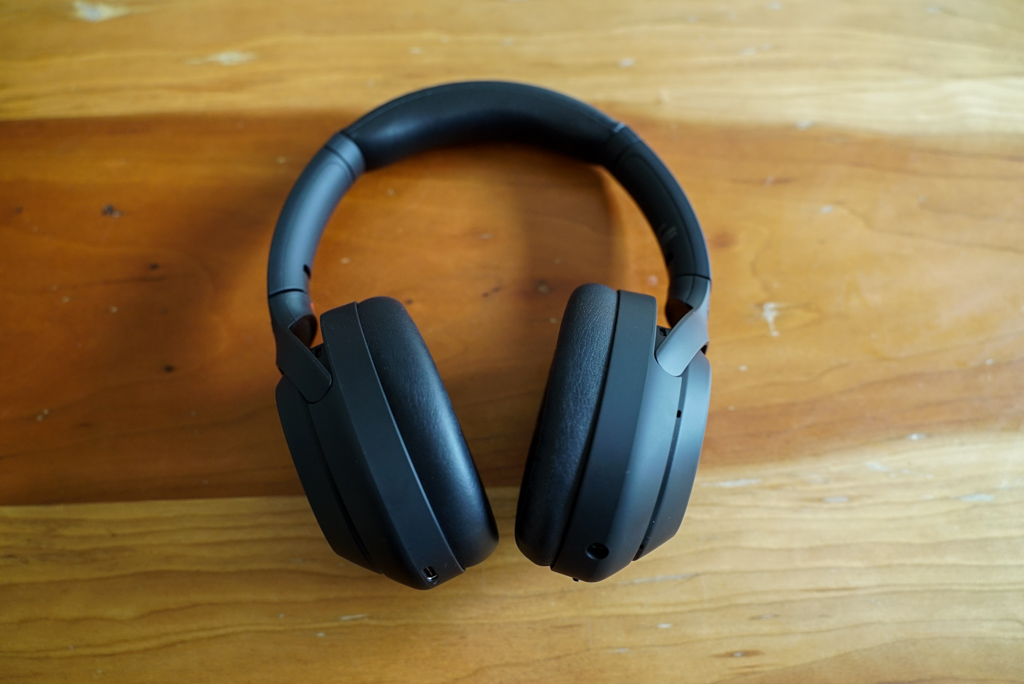
Sony WH-1000XM4 laying on table

Image Credits: Taylor Hatmaker/TechCrunch

Sony WH-1000XM4

Sony’s line of premium wireless over-ear active noise-canceling headphones has been regarded as the crème de la crème for a minute now, and that title is very well-deserved. At $350, Sony’s new Sony WH-1000XM4s aren’t cheap, but from the quality hard-sided case to the solid build quality, you’ll definitely get what you paid for here. Full disclosure: The previous generation of these headphones are what I opted for back in the beginning of the pandemic and I’ve recommended them to many friends with similar needs since.

The sound quality on these is a joy. If you’re the kind of audiophile that wouldn’t be caught dead in a serious listening session wearing white earbuds, you’re in for a treat. Set-up on the Sonys was painless and the app is actually useful, providing fine-tuned EQ adjustments, sound profiles and a slider that dials the intensity of the noise canceling up or down, though cupping your hand over the earphone also allows ambient sound to pass through. These headphones also went loud if you’re a fan of listening to big music at full volume (I am).

This pair of headphones does a lot of things right. The music quality is excellent, the noise canceling is eerily good, even with no music playing. A few little quality of life perks makes this pair even more appealing than its already very appealing predecessor (the previous version now makes for a great value). Something very subtle also seems to have changed with the fit here, and the M4s did feel less pinchy on the top of my head than the M3s. Sony also added multi-device pairing and a new ear-detection sensor with this generation so they pause automatically when you remove them, which I personally find to be a totally necessary feature. Sony also improved the call quality for the M4s, but it isn’t their strong suit.

Other strikes against the Sony WH-1000XM4s? There aren’t many, but these headphones, like most in their class, are kind of heavy. You probably can’t wear them for five hours at a time without wanting to take a little break, but they work really well for hourlong bursts of total silence when you really need to put your head down at work. If you aren’t a fan of Sony’s characteristically punchy, bass-forward sound, you might look elsewhere. They have a classic chunky over-ear headphone design, which probably won’t excite anybody, but it’s still a good look. And if you’re someone who plans to take long calls on their over-ear headphones, you might want to look elsewhere.

If you need absolute top-tier noise canceling to drown out whoever you’re sharing your makeshift office with these days, this is the pair of headphones you want. The fact that music sounds so incredible is just icing on the cake.

Verdict: Top-notch noise canceling with incredible sound
Bose Noise Cancelling Headphones 700

Image Credits: Taylor Hatmaker/TechCrunch

Bose Noise Cancelling Headphones 700

Between this pair of headphones and the Sonys, anyone who doesn’t mind the sensation of over-the-ear headphones should find something to like. The noise canceling on the Bose 700s is top-notch, offering Bose’s signature accuracy and crisp sound along with the ability to totally hush the world around you.

These sounded great for a feature-rich pair of wireless do-it-all headphones. Bose’s neutral, clean sound is lighter on the bass than Sony and feels slightly less vibrant, but if you’ve liked Bose headphones in the past you’ll probably be more than happy here too. 

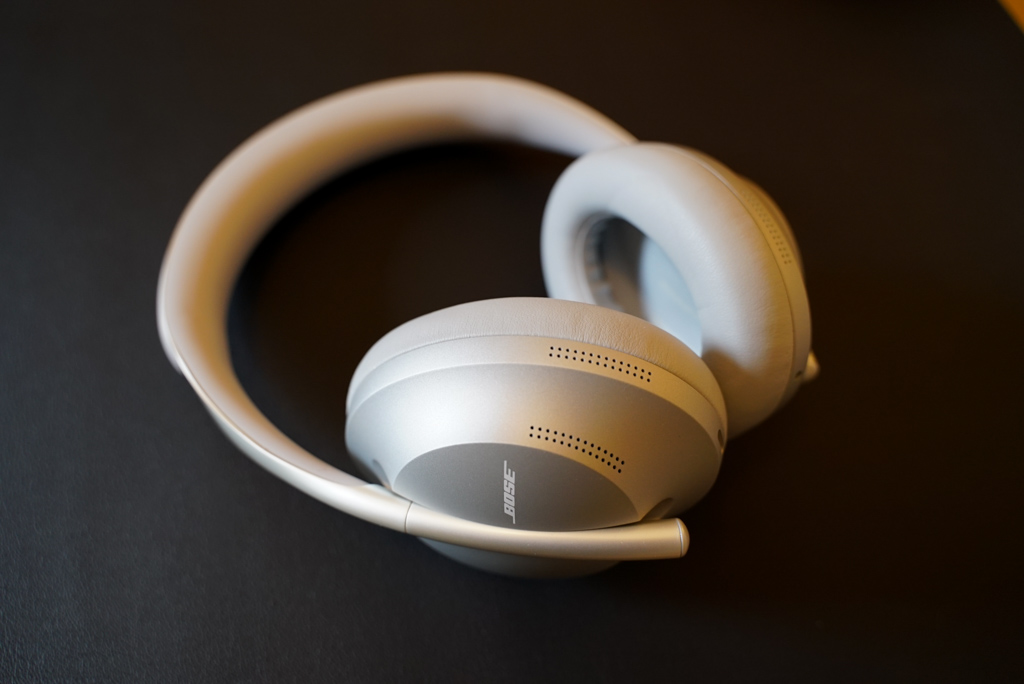
The Bose pair is a bit of a departure from the norm, design-wise. Rather than extending in the middle of the headband, this pair has a kind of stalk on the side of the earcup that slides up or down. The sizing mechanism probably isn’t going to make or break the headphones for anybody, but it does give them a different look, feel and balance when compared to traditional, chunkier designs. Touch controls were very responsive and you can toggle between noise-canceling modes using a set of mirrored buttons on the earcup. They also get a respectable 20 hours of battery life, which is really quite a lot, though 10 hours less than the Sony pair if extreme longevity is a concern.

Bose Noise Cancelling Headphones 700

Image Credits: Taylor Hatmaker/TechCrunch

Set-up was a little rocky with these as I thought they sounded muddy and awful, but really they just needed a firmware update. Unfortunately, Bose requires you to sign up for an account to use the app and set up your headphones, which is silly and really off-putting, but ultimately probably not a meaningful hurdle for most people. I also got an error message with a second firmware update the app prompted me to download and had to mess around with things to get them to connect again, which was annoying, but did resolve eventually. Without that update I wasn’t able to make EQ adjustments, so be sure to check that if yours don’t ship with the latest update. It’s worth noting that you don’t get full EQ sliders after the update, just bass, mids and treble. That’s either going to bug the hell out of you or be a total non-issue. 

The Bose 700s cost $340 now on Bose’s website, with a light “soapstone” color variant marked down to $300. If you’re not into standard black headphones and would prefer some lighter options this is probably a great option. We tested a silver review unit that had a kind of futuristic vibe, paired with the smooth, matte material on the headband. Bose’s pair is sleek and modern, offering something a bit more eye-catching, especially in its non-black color variations.

If you’re using your noise-canceling headphones for frequent phone calls, this Bose pair is well-regarded in terms of its mic and call quality, though the new Sony pair has made strides there too. Both the Bose pair and the Sonys come with an aux cable to extend their use beyond the already impressive battery life that each boast. Both also connect to Alexa, Google Assistant and Siri if you’re the spoken commands type.

For anyone who likes Bose’s signature clean sound and needs a pair of headphones with excellent noise canceling and a good mic, this pair of headphones is a very solid choice.

Verdict: Another great pick for serious noise-canceling needs

Sennheiser PXC 550-II

Image Credits: Taylor Hatmaker/TechCrunch

Sennheiser PXC 550-II

Sennheiser’s PXC-550 II might not be vying for the title of absolute premium noise-cancelingest headphones, but they emerged as a dark horse in our testing. Like the others on this list, Sennheiser’s noise-canceling headphones are wireless with an over-ear design, but that’s where the similarities end.

While the Bose and Sony pairs feel expensive and substantial, the Sennheiser PXC 550-IIs are relatively plasticky — but that might actually be a good thing. The noise canceling here is totally adequate for normal needs, but not top-of-the-line extreme like the other two picks. It mutes background noise within reason rather than transporting you to an eerily totally silent realm, and that’s probably sufficient for a lot of people. The sound quality is notably good for the lower price range ($200 from Sennheiser, at the time of writing), defined by Sennheiser’s signature clean, clear style. If you’ve liked Sennheiser sound in the past, you’ll like it here.

Where the Sennheisers really shine is day-to-day use. I found myself reaching for this pair more often than not during my testing, which was surprising given that I have quite a few higher-end pairs of headphones laying around. The reason? For one, they are made of plastic; they’re light and wearing them for very extended periods of time (many hours at once) was comfortable. Pairing and set-up was a breeze.

Sennheiser PXC 550-II headphones on table

Image Credits: Taylor Hatmaker/TechCrunch

I was also surprised by how much I liked the mechanism for turning on the PXC 550-IIs: Rather than feeling around for a tiny button usually proximal to other tiny buttons, you can actually twist the headphones on and off with a satisfying click. I thought this would be a gimmick, but it’s super convenient and it feels nice to know your headphones won’t be burning any battery life by accident. There’s also a small battery indicator light that gives you an idea how much juice is left, a feature that might seem vestigial to some people but I personally found it super useful.

The knocks against the PXC 550-IIs? The less premium feel isn’t for everyone. They charge via an outdated micro-USB port, which is annoying because generally it meant toting around an extra cable. The headphones can also pair to more than one device at once, which is cool but did result in a British AI voice repeating “phone one connected, phone two connected” in a maddening monotone more than I cared for.

I’m not sure what it is about these Sennheisers, but I really fell in love with them. In spite of using a pair of Sony WH-1000XM3s as my day-to-day headphones, I’ll probably pick up a pair of these too, eventually. They’re just that charming — and for $150 less than our other picks, they’re a great value too.

Verdict: All-day noise-canceling headphones with crisp sound and a great price

If you can’t stand ear-hugging headphones, don’t fret — we’ve got some earbud-style noise-canceling recommendations coming soon. But if you’re open to big ol’ headphones and need top-notch noise canceling paired with incredible sound, none of these picks will disappoint.

Daily Crunch: Twitter will bring back verification

Twitter prepares to hand out more blue checkmarks, YouTube suspends OANN and Discord is raising a big funding round. This is your Daily Crunch for November 24, 2020.

The big story: Twitter will bring back verification

Twitter paused its blue checkmark verification system in 2017 as it faced controversy over who gets verified — specifically over the decision to verify the organizer of the infamous and deadly white supremacist rally in Charlottesville.

Since then, Twitter has done occasional verifications for medical experts tweeting about COVID-19 and candidates running for public office, but it hasn’t brought back the program in a systematic way.

Now Twitter says it will relaunch verification in 2021, and that it’s currently soliciting feedback on the policy. Initially, verification will focus on six types of accounts: government officials, companies/brands/nonprofits, news, entertainment, sports and activists/organizers/other influential individuals.

The tech giants

YouTube suspends and demonetizes One America News Network over COVID-19 video — YouTube said, “After careful review, we removed a video from OANN and issued a strike on the channel for violating our COVID-19 misinformation policy.”

Instagram businesses and creators may be getting a Messenger-like ‘FAQ’ feature — This new feature will allow people to start conversations with businesses or creators’ accounts by tapping on a commonly asked question within a chat.

Fortnite adds a $12 monthly subscription bundle — The $11.99 monthly Fortnite Crew fee entitles players to a full season battle pass, 1,000 monthly bucks and a Crew Pack featuring an exclusive outfit bundle.

Startups, funding and venture capital

Discord is close to closing a round that would value the company at up to $7B — The new funding comes just months after a $100 million investment that gave the company a $3.5 billion valuation.

Dija, a new delivery startup from former Deliveroo employees, is closing in on a $20M round led by Blossom — Few details are public about Dija, except that it will offer convenience and fresh food delivery using a “dark” convenience store mode.

Marie Ekeland launches 2050, a new fund with radically ambitious, long-term goals —  Ekeland used to be an investor at French VC firm Elaia, where she backed adtech firm Criteo.

Advice and analysis from Extra Crunch

As edtech grows cash rich, some lessons for early stage — The valuation bumps for both Duolingo and Udemy underscore just how much investor confidence there is in edtech’s remote learning boom.

Working to understand C3.ai’s growth story — As its IPO looms, how quickly did C3.ai grow in its October quarter?

Decrypted: Apple and Facebook’s privacy feud, Twitter hires Mudge, mysterious zero-days — Zack Whittaker’s latest roundup of cybersecurity-related news.

(Extra Crunch is our membership program, which aims to democratize information about startups. And until November 30, you can get 25% off an annual membership.)

Everything else

Biden-Harris team finally get their transition .gov domain — This comes after the General Services Administration gave the green light for the Biden-Harris team to transition from political campaign to government administration.

India bans 43 more Chinese apps over cybersecurity concerns — India is not done banning Chinese apps.

The Daily Crunch is TechCrunch’s roundup of our biggest and most important stories. If you’d like to get this delivered to your inbox every day at around 3pm Pacific, you can subscribe here.

Gift Guide: Smart cooking gadgets for the smart cookies on your list

Welcome to TechCrunch’s 2020 Holiday Gift Guide! Need help with gift ideas? We’re here to help! We’ll be rolling out gift guides from now through the end of December. You can find our other guides right here.

If you’re spending a lot of time at home this holiday season, you might as well spend at least some of that time in the kitchen making delicious meals. There are plenty of smart kitchen gadgets out there, but it feels like the best among them are really delivering standout experiences for smarter, better and more connected cooking options.

This article contains links to affiliate partners where available. When you buy through these links, TechCrunch may earn an affiliate commission.

The all-in-one restaurant replacement

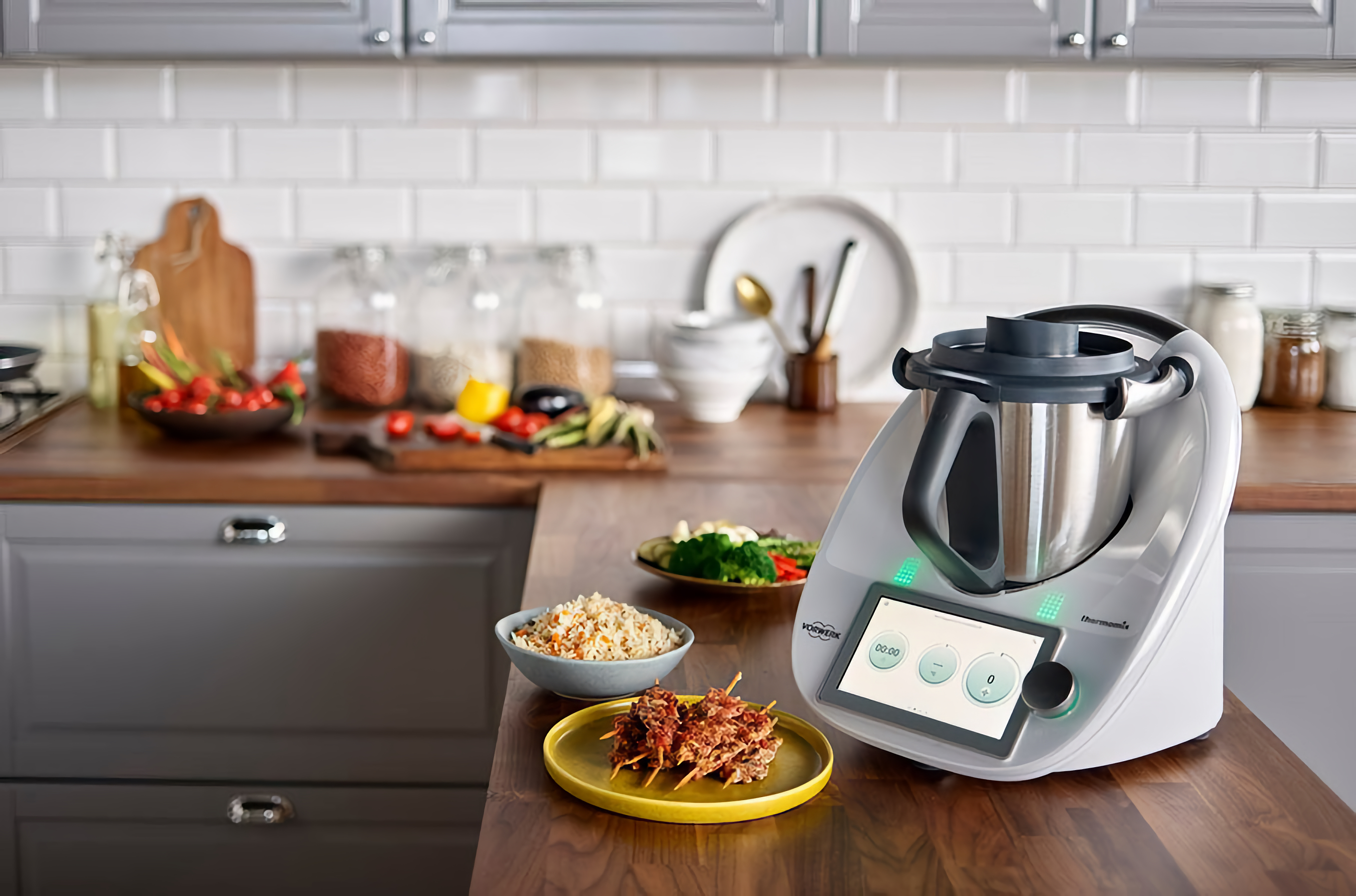
Thermomix TM6

Image Credits: Thermomix

The Thermomix has been around for a while now, but the new TM6 model takes its concept of being a one-stop countertop cooking station even further. This new version is packed with smarts, including built-in Wi-Fi, and the inset touchscreen tablet control makes it super easy not only to follow along with recipe instructions, but also to find and save new recipes using Cookidoo, the software companion service to Thermomix’s hardware.

With the ability to blend, mix, chop, sauté, steam, slow cook, sous vide and much more, the Thermomix really can handle just about every task involved in cooking. Yes, it comes with a hefty price tag, but when you consider all the various kitchen gadgets it’s replacing — and the added benefits it includes, like the built-in guided recipe service — it becomes clear that the asking price is actually a bargain.

Price: $1,499 from Thermomix

The trusty temp taker

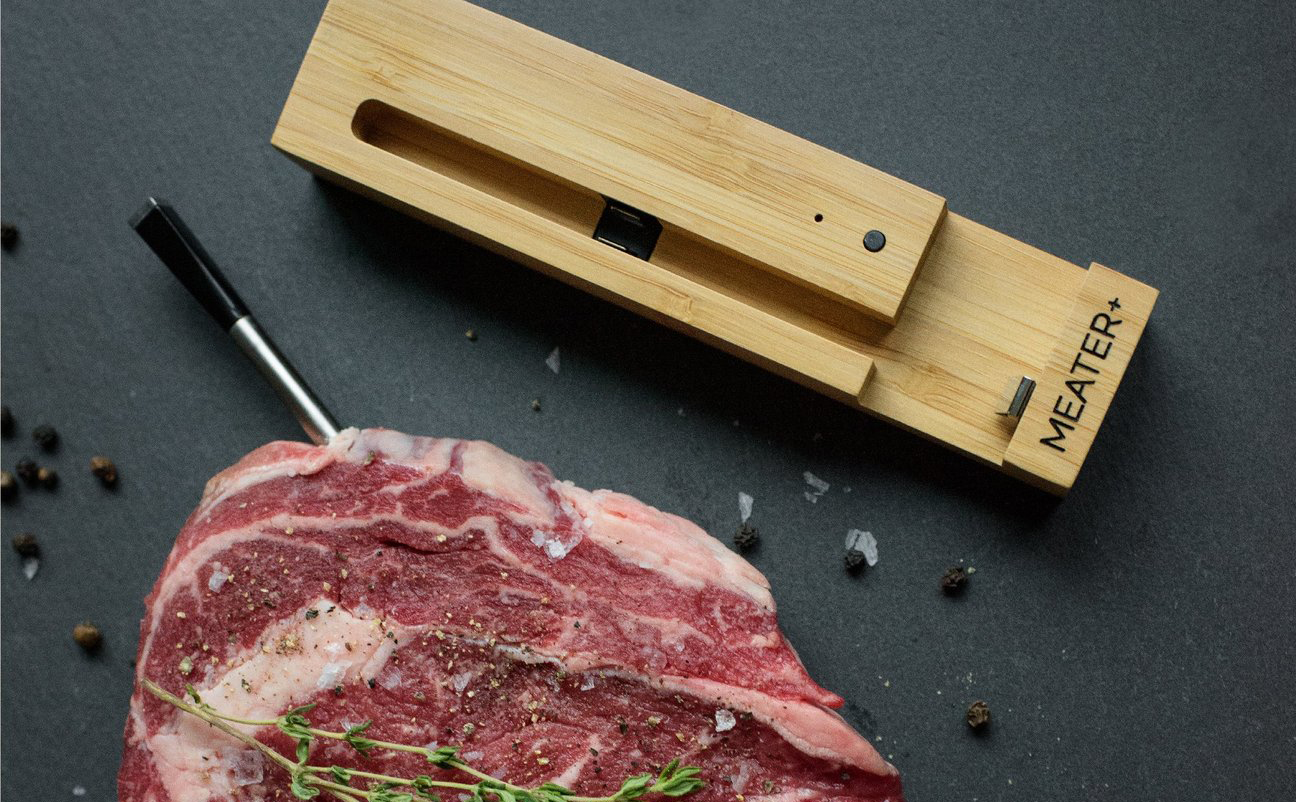
MEATER Plus

Image Credits: MEATER

If you think you don’t have a knack for cooking meat properly, you might actually just be lacking a crucial tool — a good meat thermometer. The MEATER Plus is that and more, with connected features that provide you with real-time temp monitoring via mobile app, as well as a full guide of proper, safe temperatures for cooking all kinds of meat, and awesome charts and graphs of both the ambient temperature of whatever appliance you’re using to cook, in addition to the internal temp.

The Plus version of MEATER extends its Bluetooth range via the connected base, providing you with enough reach to monitor an outdoor cook throughout your house, for instance. The totally wire-free design and magnetic base is a nice touch for storage and convenience, and you can easily connect other MEATERs if you’re cooking a variety of things at once.

Price: $99 from MEATER

The smoking star

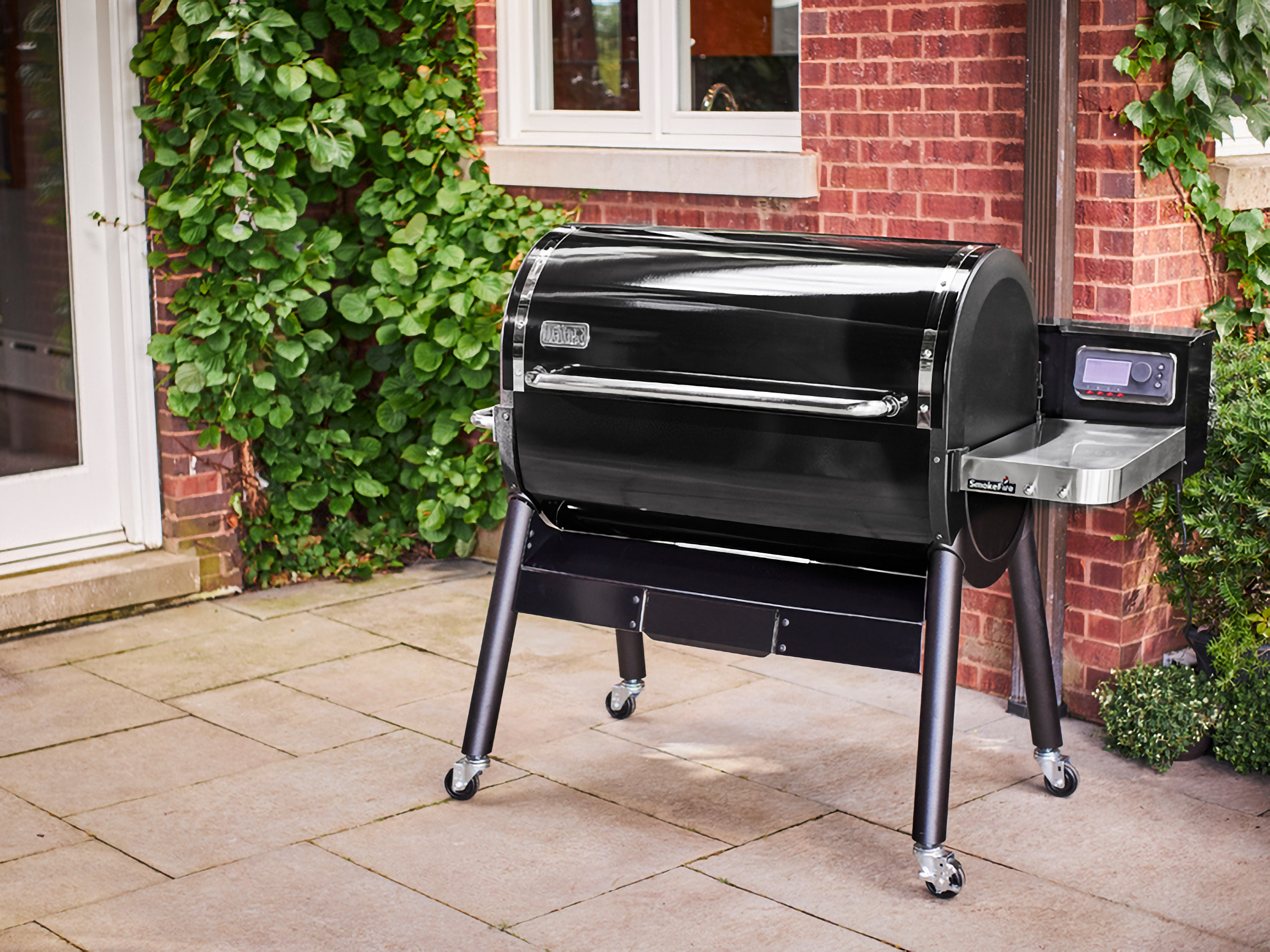
Weber SmokeFire EX6

Image Credits: Weber

I used to enjoy BBQing quite a lot, but that was before I discovered the joys of a smoker. The Weber SmokeFire EX6 is one of two debut pellet smoker grills created by the iconic outdoor grilling company, and it’s the bigger version that provides enough grilling surface for you to feed a large family or a small sports team.

The SmokeFire EX6 has had some growing pains since its introduction to the market earlier this year, but consistent and frequent firmware updates delivered over-the-air to its Wi-Fi-connected controller have made it a top performer. You can use built-in cooking programs, along with up to four hardwired temperature probes, to prepare whatever you’re making to perfection. Low and slow, or high and hot, the EX6 does it all.

Price: $1,199 from Amazon

The go-to grill

Spark One

Image Credits: Spark Grills

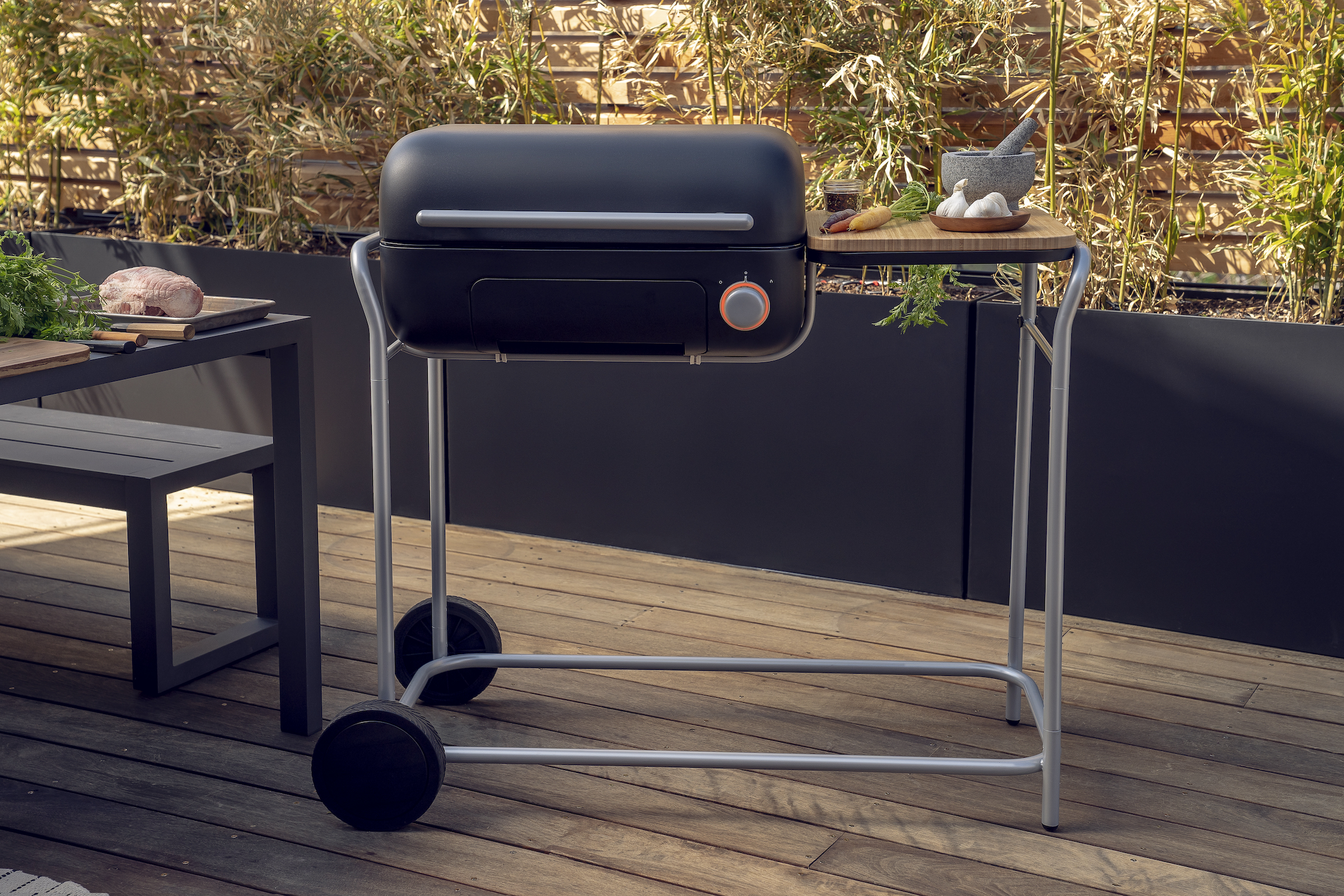
While a smoker offers a lot of benefit, especially for lower-temp cooking, it’s hard to beat a charcoal grill for everyday use, particularly with foods like hamburgers, fish and steaks, as well as roasted veggies. The Spark One is a smart grill that takes everything that’s good about the tried-and-tested “green egg” style cooker and updates it with connectivity and convenience.

Spark Grills has simplified charcoal grilling with their pre-formed Briqs, which are single-piece charcoal fuel blocks that slot perfectly into the Spark One and that ignite quickly via electric igniter to get to temp. Built-in fans keep the temperature consistent for the best possible, predictable cooks of all types of foods.

Price: $599 (Black Friday price through Cyber Monday) from Spark Grills

The toastmaster

Revolution Cooking R180

Image Credits: Revolution

The Revolution R180 High Speed Smart Toaster is true to its name, cooking toast faster than most. But more than its speed, it deserves praise for its precision: What you see is what you get thanks to a visual doneness selector on the large touchscreen interface. It’s also got custom modes for bread, bagels, waffles, English muffins and even toaster pastries, as well as fresh, frozen and reheated versions of each.

It’s an expensive toaster, but you probably don’t know what toast could be if you haven’t yet tried toast made by the R180.

Price: $240 from Amazon


Netflix removes ‘Chappelle’s Show’ at Dave Chappelle’s request

Netflix started streaming “Chappelle’s Show” at the beginning of November — but barely more than three weeks later, it has taken the Comedy Central sketch show off its service.

Co-creator Dave Chappelle offered some context for the decision in an Instagram clip of what appears to be a recent standup set, in which he described any company streaming the show as “fencing stolen goods.”

Not that he’s accusing Comedy Central of violating its deal with him. Instead, it’s the contract that he’s criticizing, and he said he signed it “the way that a 28-year-old expecting father that was broke signs a contract.”

He continued:

People think I made a lot of money from ‘Chappelle’s Show.’ When I left that show, I never got paid. They didn’t have to pay me because I signed the contract. But is that right? I found out that these people were streaming my work and they never had to ask me or they never have to tell me. Perfectly legal because I signed the contract. But is that right? I didn’t think so either.

Chappelle went on to describe himself as “furious” when he heard that Netflix was streaming the show:

So you know what I did? I called them and I told them that this makes me feel bad. And you want to know what they did? They agreed that they would take it off their platform just so I could feel better. That’s why I fuck with Netflix. Because they paid me my money, they do what they say they’re going to do, and they went above and beyond what you could expect from a businessman. They did something just because they thought that I might think that they were wrong.

Speaking of deals, Netflix signed a reported $60 million deal with Chappelle in 2016 for the rights to three stand-up specials.

“Chappelle’s Show,” meanwhile, is still available on HBO Max (he has some choice words for HBO executives, as well) and on Comedy Central and CBS All Access — which, like Comedy Central, is owned by ViacomCBS.


Gift Guide: Smart exercise gear to hunker down and get fit with

Welcome to TechCrunch’s 2020 Holiday Gift Guide! Need help with gift ideas? We’re here to help! We’ll be rolling out gift guides from now through the end of December. You can find our other guides right here.

Home exercise gear is always a nice holiday gift choice for anyone who has expressed interest in staying healthy and getting more fit, but during the ongoing COVID-19 pandemic it’s more relevant than ever. Luckily, smart exercise and health gear is smarter than ever, making it perfect for the gift list this season.

Big machines

Bowflex Velocore bike

Image Credits: Bowflex

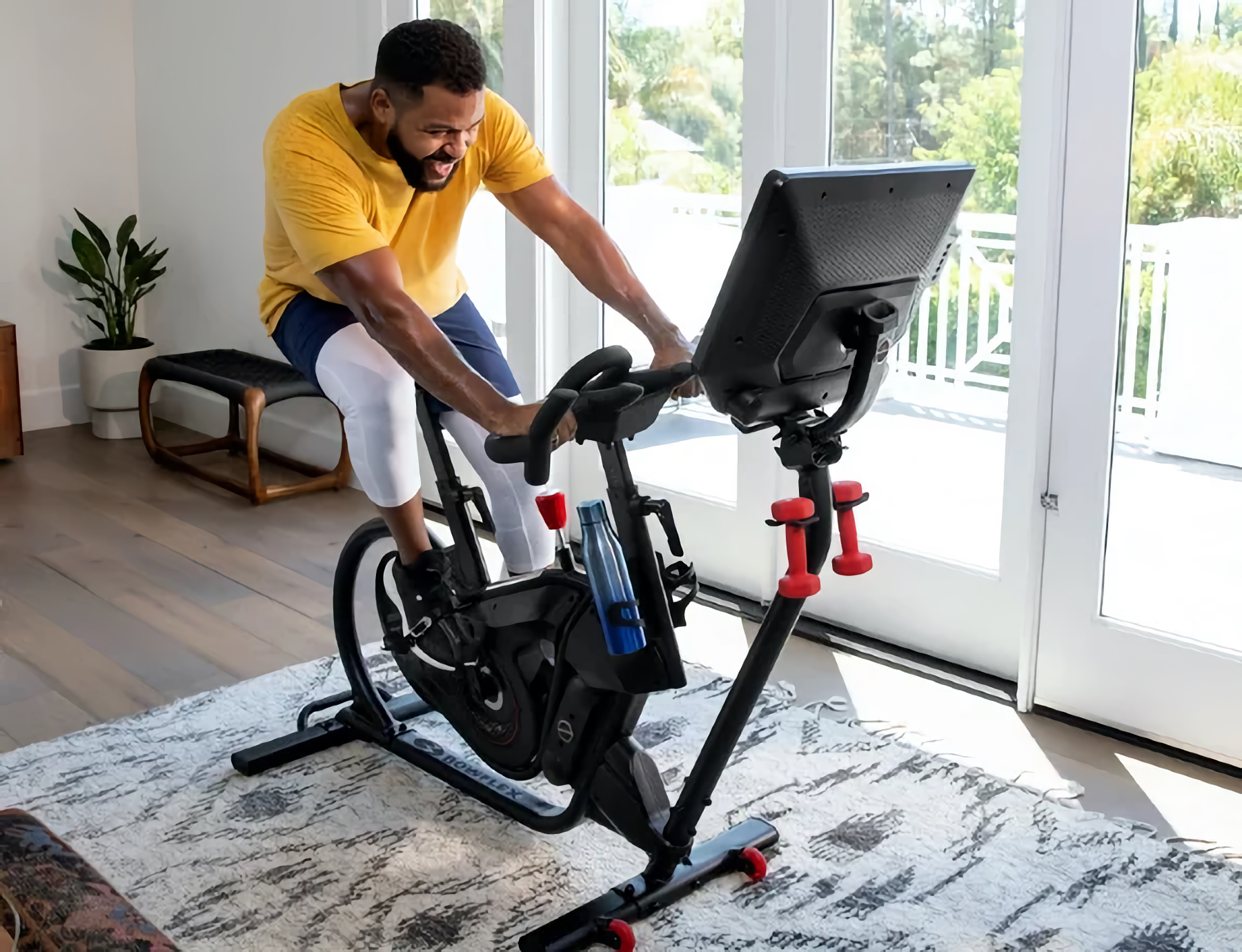
Bowflex’s latest exercise bike is a great follow-up to their solid C6, and it has a unique trick up its sleeve — leaning. The Velocore unlocks to allow side-to-side leans during workouts, which adds a good amount of core stabilization to your existing spin exercises.

The Velocore also offers an integrated display in either 16″ or 22″ sizes, and that provides access to Bowflex’s own JRNY video fitness instruction. It’s a great subscription service, though it doesn’t include live classes like Peloton. Luckily, Bowflex supports Peloton’s software as well, so you can also use that with the Velocore if that’s your preference.

Price: $1,699 (16-inch) or $2,199 (22-inch) from Bowflex direct or Best Buy

Hydrow rower

Image Credits: Hydrow

Rowers are a great way to get in some indoor cardio, and a nice change-up from treadmills and bikes that also works out your upper body. The Hydrow is the most technologically advanced of these out there, with a large, high-quality display that provides access to both live and on-demand classes via its virtual service. It’s also engineered to really feel like you’re getting the same kind of resistance you would from actual water.

Price: $1,995 (price as of publication) from Hydrow direct

Peloton Tread

Image Credits: Peloton

If you’re looking for a treadmill with smart features, Peloton’s is easily the best option available. The new Tread is the way to go for most, since it’s nearly $2,000 cheaper than the original, which is now the Tread+, and it still offers a huge display for those interactive and on-demand Peloton classes, and everything you need for a full-body workout as well. It’s not available in retail across the U.S. until March, but it’s a good advance gift if a treadmill is on the list.

Price: From $2,495 from Peloton direct

Smart and small

JAXJOX KettlebellConnect 2.0

Image Credits: JAXJOX

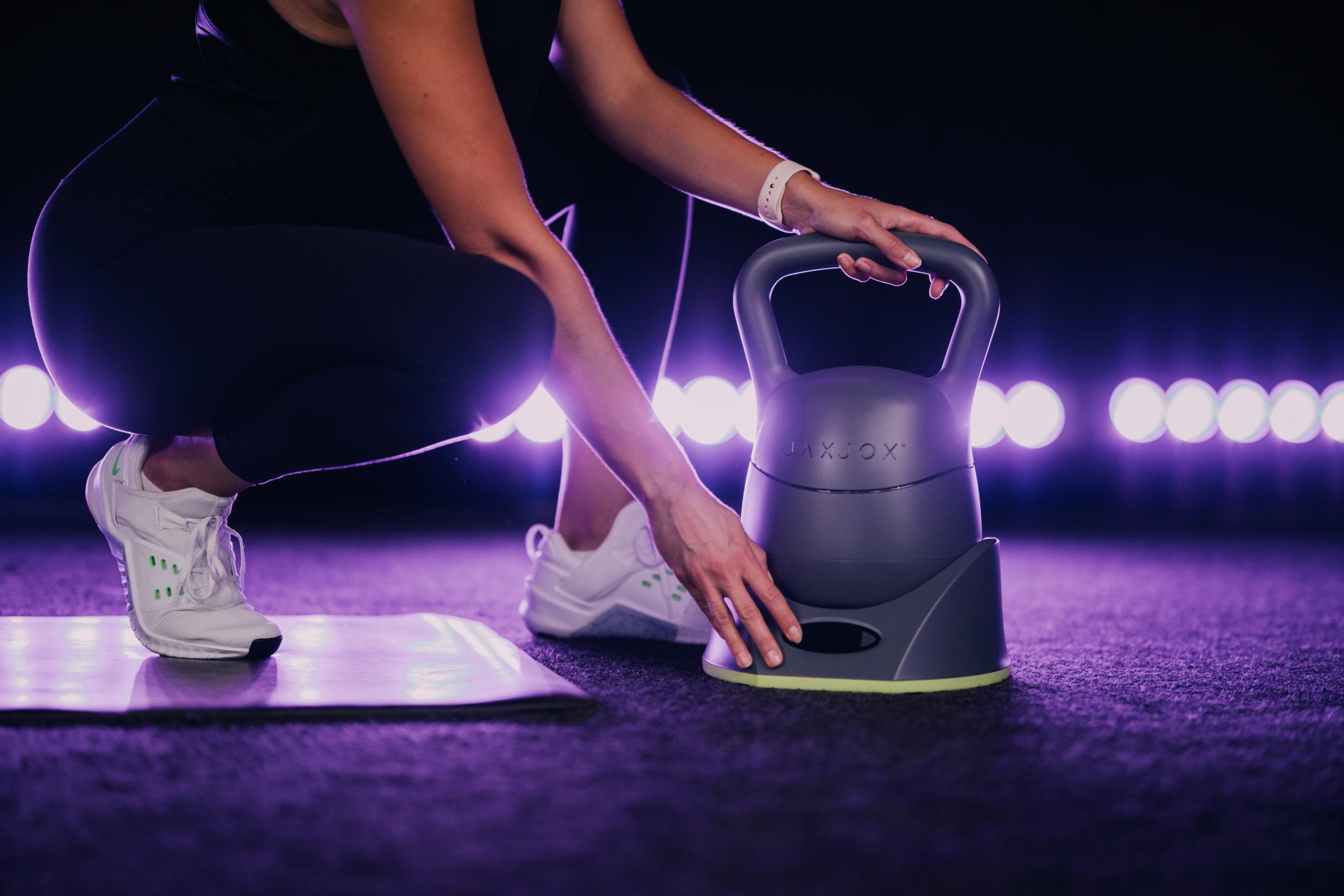
Smart weights come in a variety of shapes and sizes, but JAXJOX’s next-generation smart kettlebell is one of the all-around best and most convenient smart weights out there. The selectable weight ranges from 12 to 42 lbs, and the smart features on board provide real-time reporting on performance, along with the ability to sync with the JAXJOX mobile app for on-demand guided workouts.

Price: $229 from JAXJOX

Tangram Factory SmartRope Rookie

Image Credits: Tangram Factory

If you’re even more space constrained, a jump rope is essentially a whole-body gym in a tiny, portable package. The Tangram Factory Rookie is a more affordable, smaller and higher version of their original SmartRope, with built-in activity tracking, long-lasting battery, and a fully adjustable rope length that allows it to be used by both children and adults of all sizes.

Price: Starting at $39.95 from Tangram Factory direct or Apple Store

Activity and health monitoring

Withings BPM Core wireless blood pressure monitor

Image Credits: Withings

The Withings BPM Core is a connected blood pressure monitor that provides a lot of extras, including measurement of your heartbeat with a digital stethoscope, and an electrocardiogram (ECG) feature to monitor for any potential atrial fibrillation. Withings is building all their hardware these days to clinical validation standards, so this is a surefire way to keep on top of these key signals of health.

Price: $250 from Withings (coming soon)

Withings Body Cardio

Image Credits: Withings

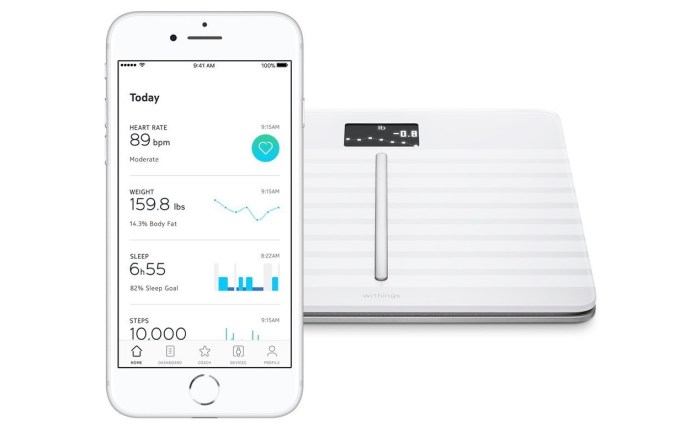
Withings is really nailing it with home health monitoring equipment these days, which is why the Body Cardio smart scale is another recommendation in this list. The Body Cardio not only measures weight, but also provides you with a body composition breakdown, giving you approximate body fat percentage and body mass index for even more detailed fitness tracking. Plus, it monitors heart rate.

Price: $119.96 (price at publication) from Withings


Working to understand C3.ai’s growth story

The end-of-year IPO wave continues, this time with C3.ai moving closer to its own formal debut by updating its S-1 filing with third-quarter data.

The new data provides the market with a much better look into how the unicorn AI company’s business has progressed during the COVID-19 era, and should help public investors price the company’s equity as it looks to float.

TechCrunch previously explored C3.ai’s performance through the its July 31 quarter. Today we received information about its subsequent fiscal period, the quarter ending October 31.

We noted during our initial dig into C3.ai’s numbers that while the AI startup has had strong historical revenue growth — from $92 million to $157 million in the fiscal years ending April 31, 2019 and 2020 — in more recent quarters, its pace of expansion has slowed.

This brings us to the October 31, 2020, period. Let’s explore what changed for C3.ai and what did not.

C3.ai’s growth story

In the October 31, 2019, quarter C3.ai generated $38.9 million in total revenue, counting both its subscription (high gross-margin) and services (low gross-margin) incomes. That figure grew to $41.3 million in the January 31, 2020, quarter.

Pay-per-mile auto insurer Metromile is heading to public markets via SPAC

Metromile, the pay-per-mile auto insurer that earlier this year laid off a third of its staff due to economic uncertainties caused by COVID-19, is taking the SPAC path to the public markets.

The company, which was founded in 2011 and is led by CEO Dan Preston, said it has reached a merger agreement with special purpose acquisition company INSU Acquisition Corp. II, with an equity valuation of $1.3 billion.

Metromile said it was able to raise $160 million in private investment in public equity, or PIPE, in an investment round led by Chamath Palihapitiya’s firm Social Capital. Existing investors Hudson Structured Capital Management and Mark Cuban, as well as new backers Miller Value and Clearbridge participated. Metromile will have about $294 million of cash at closing.

The company plans to use those proceeds to reduce existing debt and accelerate growth, specifically to hire employees to support its consumer insurance and enterprise businesses, and grow beyond its eight-state geographic footprint to a goal of 21 states by the end of next year and nationwide coverage by the end of 2022.

Metromile is credited for disrupting some of the inefficiencies of the auto insurance business model, notably how consumers are charged. Instead of a standard flat fee, Metromile charges customers based on their mileage, which it is able to measure via a device plugged into the vehicle. Some two-thirds of U.S. drivers are considered low-mileage, according to Metromile. By charging per mile, Metromile says its customers save 47% on average compared to their previous insurer.

The company developed a mobile app, which besides allowing users to file claims, offers other features such as alerting the driver of possible parking violations due to street sweeping activity. Now, with three billion miles of driver data, the company is able to make predictive models that help lower customer costs and improve their overall experience.

The company also built out an enterprise division in 2019 that offers a cloud-based software as a service to large legacy insurers. Metromile licenses components of its platform, including claims automation and fraud detection tools.

The COVID-19 pandemic created initial headwinds for Metromile, which had been one of the fastest-growing startups in the Bay Area. Metromile ended up laying off about 100 people as it aimed to pare back its workforce. The company said at the time that its business was affected by pandemic-related stay-at-home orders, which caused its customers to drive less. The pandemic also prompted U.S. drivers to shop around for insurance and look for deals that supported their shift to lower mileage.

Investor Cuban said in the company’s SPAC announcement sees an upside for the business.

“During these times of financial hardship, unemployment and work from home, Metromile provides an important insurance alternative,” Cuban said. “The option to pay for insurance by the mile is a game changer and why I’m incredibly excited about Metromile’s future!”

Social Capital’s Palihapitiya is equally bullish on the company, tweeting Tuesday “Buffett had Geico. I pick @Metromile.”

Metromile has hired back staff and returned employees that it placed on furlough this spring. Today, the company has more than 230 employees and doesn’t expect any reductions in the workforce in the future. Instead, the company told TechCrunch it plans to hire additional staff on the expectation that both its consumer and enterprise businesses will grow “considerably” in the next few years.

The transaction is expected to close in the first quarter of 2021. The combined company will be named Metromile Inc., and is expected to remain listed on NASDAQ under the new ticker symbol “MLE.”

YouTube suspends and demonetizes One America News Network over COVID-19 video

YouTube today confirmed that it has suspended right-wing cable channel One America News Network (OAN or OANN for short). The penalty comes after a violation of YouTube’s stated COVID-19 misinformation guidelines. As a result, the network will be barred from posting new videos for a week, while its existing videos will also be demonetized for that period.

A spokesperson for the Google-owned video service offered the following statement to TechCrunch:

Since early in this pandemic, we’ve worked to prevent the spread of harmful misinformation associated with COVID-19 on YouTube. After careful review, we removed a video from OANN and issued a strike on the channel for violating our COVID-19 misinformation policy, which prohibits content claiming there’s a guaranteed cure. Additionally, due to repeated violations of our COVID-19 misinformation policy and other channel monetization policies, we’ve suspended the channel from the YouTube Partner Program and as a result, its monetization on YouTube.

The service has a three-strikes policy in place, with the first two strikes carrying their own policies. In addition to the above actions, the offending video has been pulled from the channel. This is OAN’s first strike. Per the site:

If we find your content doesn’t follow our policies for a second time, you’ll get a strike.

This means you won’t be able to do the following for one week:

  • Upload videos, live streams, or stories
  • Create custom thumbnails or Community posts
  • Created, edit, or add collaborators to playlists
  • Add or remove playlists from the watch page using the “Save” button

Full privileges will be restored automatically after the 1-week period, but your strike will remain on your channel for 90 days.

A second strike in a 90-day period would result in a two-week suspension. A third strike in a 90-day period would result in the channel’s termination.

OAN has become a personal favorite for Trump and his administration recently, particularly in the wake of fallout between the president and Fox News, after that long-favorite cable network called the recent election for opponent Joe Biden.

One America News also came under fire for videos like “Trump Won,” which falsely reported on the election’s results. YouTube opted not to pull that video over disinformation concerns, instead adding a warning and removing ads from the video, noting, “[w]e will continue to be vigilant in the post-election period.”

‘Complete Success’: Rocket Lab’s booster recovery is a big step toward reusability

Rocket Lab has successfully recovered the first stage of an Electron launch vehicle after it made a controlled splashdown in the Atlantic, marking a major milestone in the company’s quest for a reusable rocket. CEO Peter Beck, speaking to press shortly after the operation, called the mission “a complete success” — and it raised $286,092 for charity to boot.

This was the first major test of Rocket Lab’s improved Electron, which has a modified interstage (above the first stage booster but below the second stage, which takes the payload into orbit) that allows the booster to make a controlled descent after detaching.

The plan for the future is to have a helicopter catch the booster in midair, but this first time the team decided to let it splash down first. “Pulling rockets out of the ocean is just not fun,” Beck noted.

Before the mission even starts, a general idea of the descent area is already known, since the trajectory of the rocket has been carefully planned and the weather monitored closely. As the launch proceeds, the projected descent area becomes more and more clear based on information streamed from the rocket itself.

“Downrange we’ll have a ship and a helicopter based on the ship. It’ll take off at the same time as the rocket and hover over the predicted reentry point,” explained Beck. “The moment we hand over to stage one, it is telemetrying its predicted impact point in real-time. The whole time there’s sort of a real-time feedback loop.”

He pointed out that, should something go wrong with the launch, the helicopter is not at risk of being struck by debris going 900 miles per hour, since the trajectory would be completely different in that case.

After the second stage detached, the first began its descent, hitting about Mach 2 before deploying its pilot chute, then a drogue chute for about a minute to get its speed down, then the main glider chute under which it would normally cruise along a predictable path until being picked up by the helicopter. In this case it was allowed to splash down, however, “within a few miles” of the predicted impact zone. It was going about nine meters per second, or 20 miles per hour, when it hit the water.

The Electron first stage appears to be in good condition after recovery.

Image Credits: Rocket Lab

Beck was back at mission control, and happy to be so, he said. “Based on the state of the sea, I’m glad I wasn’t out on the boat. The trip back was on five-meter swells. I don’t have particularly strong sea legs myself,” he admitted. The descending stage was sending back sparse but accurate telemetry, however, which he was watching as the second stage continued its journey. “It felt like cheating, to take your eyes off the ascent to watch the reentry.”

(He added that “if you were in the room, you’d probably have described me as a giggling schoolboy.” Another Rocket Lab representative on the call confirmed this assessment.)

The recovery ship collected the booster shortly after splashdown and engineers are even now tearing it apart to examine the various parts for wear and damage. “The reentry environments exceed the ascent environments,” Beck explained, meaning that the hardware faces different and more severe conditions in its semi-controlled descent than in the meticulously planned launch.

Although they hope to requalify some components for flight, the engines and a few other parts will not live to launch another day. “It’d be pretty unfair on the engines given the ride they had. It got pretty roasty down there,” Beck said.

Rocket Lab's Return to Sender mission takes off.

Image Credits: Rocket Lab

That’s all part of the plan, though. Using data from this descent the first stage’s heat shield and components will be modified and reinforced to better cope with the rigors of reentry. “We’ll do engines in the future,” Beck said. “The goal is to take the whole stage, charge it up and fly it again.”

Simple to propose, but a complex task in that every component must be checked and recertified. But given this can be done in parallel with the main Electron production line — which Beck said is turning out a launch vehicle every 30 days and getting faster every month — it should lead to a substantial increase to the number of rockets the company has on hand.

The cost impact of recovery, flying recertified hardware and other aspects of this are still very much in flux, Beck emphasized. “But the majority of the cost of building an Electron is the stage one, so if you can change that, you can change the economics of the vehicle. It would be nice to have it all figured out next year but it’s very possible it won’t be,” he said.

One thing seems certain, though: Reusable rockets are clearly the future if cost is a factor at all.

The launch was a great success in another measure as well: Among its numerous deployments was a 3D-printed gnome whose ride was paid for by gaming giant Valve Software founder Gabe Newell . He promised to donate a dollar to Starship Children’s Hospital for every view on the launch’s live stream, and that added up to $286,092.

Gnome Chompski, as he’s called, probably burned up by now, but had a brief and exciting life in space, producing some memorable photos.

A 3D printed gnome in space after being launched on a Rocket Lab rocket.

Image Credits: Rocket Lab

Discord is close to closing a round that would value the company at up to $7B

Discord, the communications service that’s become the 21st century’s answer to MUD rooms, is close to closing a new round of financing that would value the company at up to $7 billion, according to sources with knowledge of the round.

The new funding comes just months after a $100 million investment that gave the company a $3.5 billion valuation. Discord’s doubling in corporate value comes as the persistent, inept, American response to the COVID-19 pandemic continues to accelerate the adoption and growth of businesses creating virtual social networking opportunities.

Those opportunities are apparent in Discord’s explosive growth. Monthly active users have almost doubled to 120 million this year and the company has seen 800,000 downloads a day thanks, in part, to the wildly popular game Among Us (which received a ringing endorsement from the popular congressional representative Alexandria Ocasio-Cortez).

Discord built its initial growth on the back of the gaming industry and the rise of multiplayer, multiplatform games that supplanted earlier social networks as the online town square for a generation of young gamers (whose numbers globally now spiral north of several billion).

But, as the company’s founders noted when they announced their last round of financing, the Discord use case has extended far beyond the gaming community.

“It turns out that, for a lot of you, it wasn’t just about video games anymore,” wrote co-founders Jason Citron and Stanislav Vishnevskiy in a July blog post announcing the latest financing.

The two men frame their company as “a place designed to hang out and talk in the comfort of your own communities and friends.” Discord, they say, is “a place to have genuine conversations and spend quality time with people, whether catching up, learning something or sharing ideas.”

If that sounds familiar to some of the internet’s earliest users, that’s because it is. Back in the dawn of the world wide web, multiuser dungeons (MUDs) provided ways for practitioners of any number of subcultures to find each other online and chat about whatever tickled their collective fancy.

As the web evolved, so did the number of places and spaces for these conversations to happen. Now there are multivariate ways for users to find each other within the web, but Discord seems to have risen above most of the rest.

As analyst John Koetsier noted in Forbes back in 2019, there were already 250 million Discord users sending 315 million messages a day. Those are the company’s pre-pandemic numbers — and they’re impressive by any standards.

As with any platform that has become popular on the web, Discord isn’t without its underbelly. Three years ago, the company tried to boot a number of its most racist users, but their ability to use the platform to disseminate hate speech has stubbornly persisted.

Until mid-2019, white nationalists were comfortable enough using the service to warrant a shoutout from Daily Stormer founder, Andrew Anglin, who urged his fellow travelers to stop using the service.

“Discord is always on and always present among these groups on the far-right,” Joan Donovan, the lead researcher on media manipulation at the Data & Society Research Institute, told Slate in 2018. “It’s the place where they do most of the organizing of doxing and harassment campaigns.”

To date, Discord has raised $379.3 million, according to Crunchbase, from an investor group that includes Greylock, Index Ventures, Spark Capital, Tencent and Benchmark.

In addition to the cash it raised earlier this year, Discord emphasized a new user experience and added video functionality so that users could communicate more readily (and so the company could compete with Zoom). There are templates available to help users create servers, and the company has increased its voice and video capacity by 200%.

As part of this new focus on product, Discord has launched what it calls a “Safety Center” that clearly defines the company’s rules and regulations and what actions users can take to monitor and manage their use of service for hate speech and abuse.

“We will continue to take decisive action against white supremacists, racists and others who seek to use Discord for evil,” the founders wrote in June.

As we reported at the time, Index Ventures co-founder Danny Rimer, who led the investor group that backed Discord’s latest $100 million cash infusion, was an advocate for the company’s expanded vision for itself.

“I believe Discord is the future of platforms because it demonstrates how a responsibly curated site can provide a safe space for people with shared interests,” Rimer wrote in a statement. “Rather than throwing raw content at you, like Facebook, it provides a shared experience for you and your friends. We’ll come to appreciate that Discord does for social conversation what Slack has done for professional conversation.”

Apparently, investors are doubling down on that assessment.


Instagram businesses and creators may be getting a Messenger-like ‘FAQ’ feature

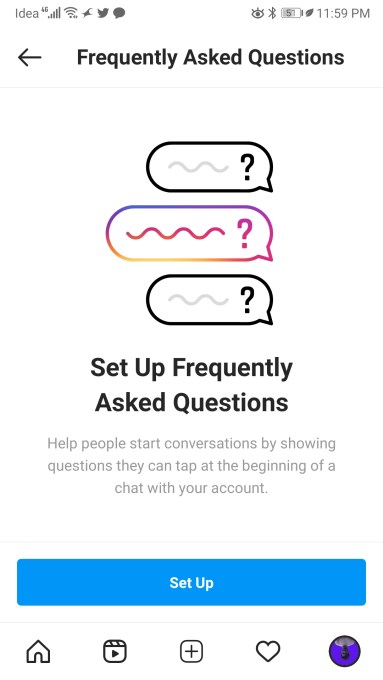
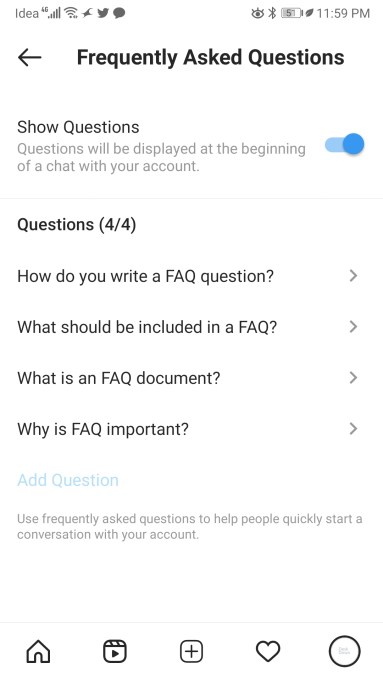
Instagram is developing a new product, Frequently Asked Questions (FAQ), that will allow people to start conversations with businesses or creators’ accounts by tapping on a commonly asked question within a chat. Those who already have the feature available report they’re able to create up to four questions that can optionally be displayed at the beginning of a conversation with other users.

The feature could be useful for businesses that are often responding to customer inquiries about their products or services, or for creators who receive a number of inbound requests from fans or brands interested in collaborations, for example.

The product’s introduction highlights the extent that Instagram’s messaging platform now overlaps with Facebook Messenger, following the recent launch of the new Instagram messaging experience. In September, Facebook announced Instagram users would have the option to upgrade to a new inbox that now offers a number of Messenger-inspired features — like the ability to change your chat color, react with any emoji, set messages to disappear and more. The upgrade also introduced cross-app communication between Instagram and Messenger’s platforms.

With these changes, it appears Facebook is paving a road toward making the Instagram messaging experience more on par with Messenger.

Today, the Messenger app offers a similar FAQ option for Facebook Page owners under the Automated Responses section in Messenger’s settings. Here, Page owners or admins can set up a series of frequently asked questions and their responses to those questions, which can be presented at the beginning of conversations with their Page — just like this new Instagram feature offers.

The Instagram FAQ option had been spotted earlier this year while in development, but seemed to be only for Business accounts, according to the app’s code.

#Instagram is working on a Frequently Asked Questions feature for Business accounts ? pic.twitter.com/pGkUDczMIH

— Alessandro Paluzzi (@alex193a) September 15, 2020

However, new reports and screenshots from one Instagram user with access to the feature indicate the FAQ will be available for creator accounts, in addition to businesses.

The feature was spotted on Monday by social media consultant Matt Navarra, who credited @thenezvm for the new discovery.

Instagram has rolled out FAQs feature to more users

h/t @thenezvm pic.twitter.com/eCbsjMCDEb

— Matt Navarra (@MattNavarra) November 23, 2020

Given that @thenezvm has access to the feature now, as the above credited screenshots show, the FAQ option could either be in early testing or starting to roll out more broadly.

It’s likely the former, however, as Instagram declined to comment or provide details, when TechCrunch asked for more information.